
Hand Painted Floral Pottery
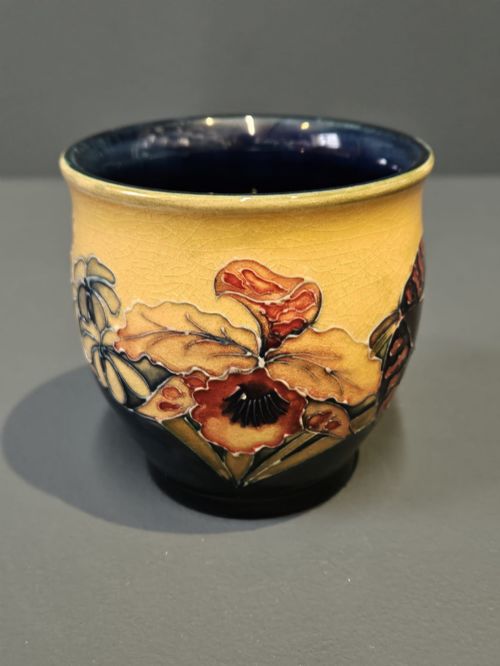
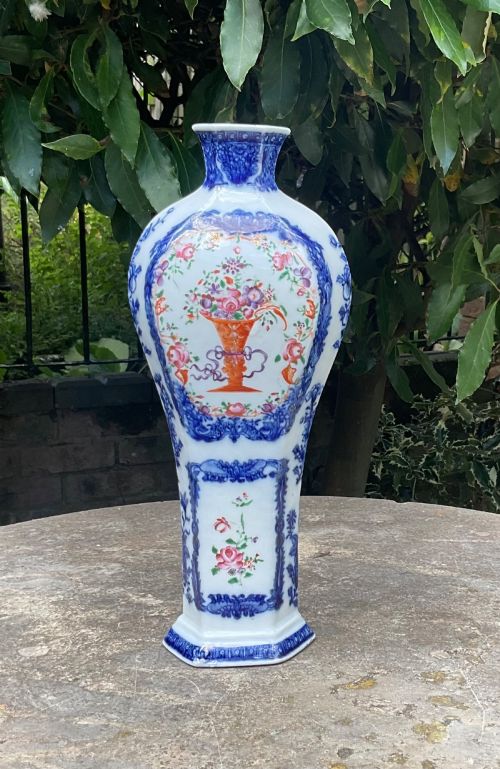
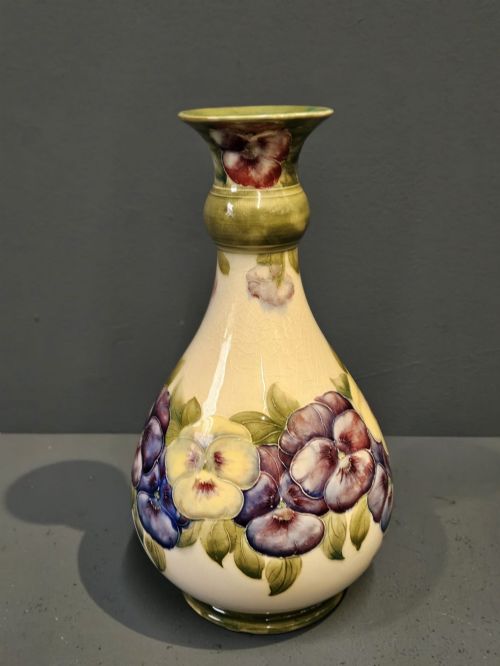
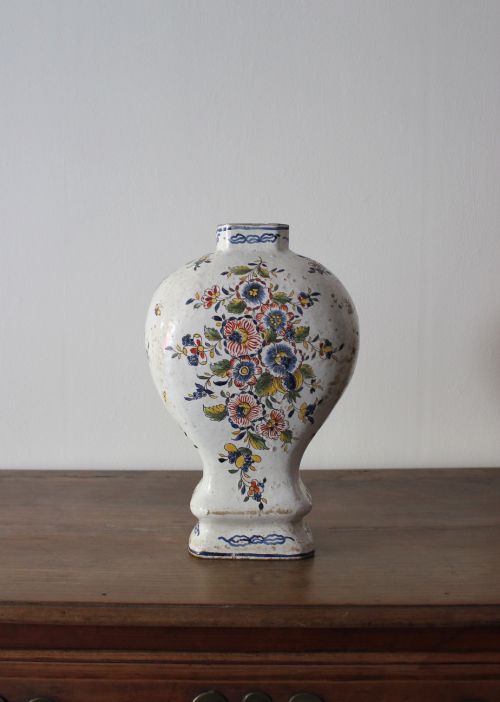
Hand painted floral pottery brings centuries of colour and brushwork to shelves, drawing collectors to vibrant earthenware, porcelain, and tin-glazed vessels.
Hand Painted Floral Pottery
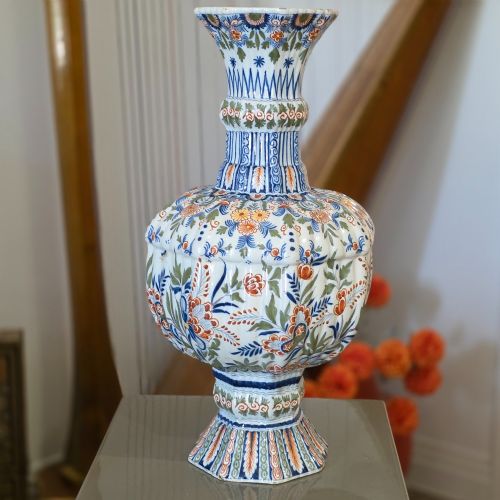
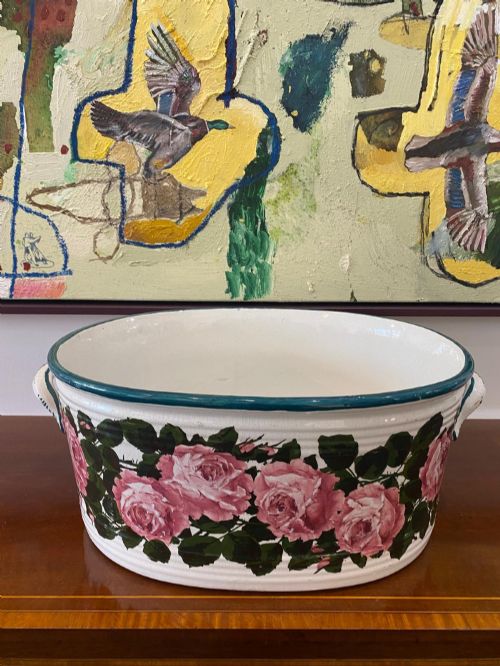
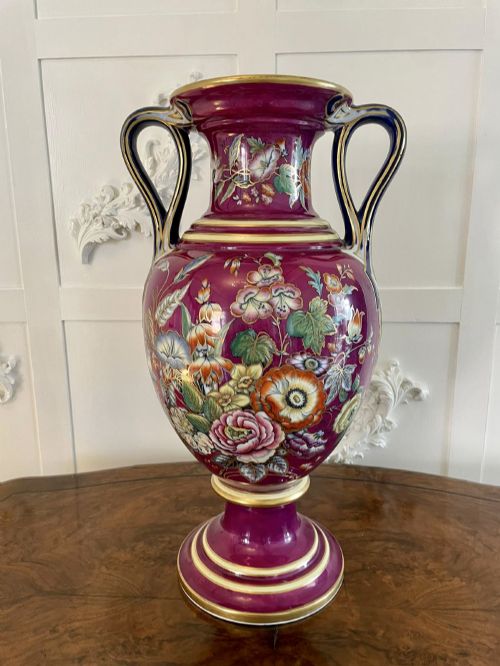
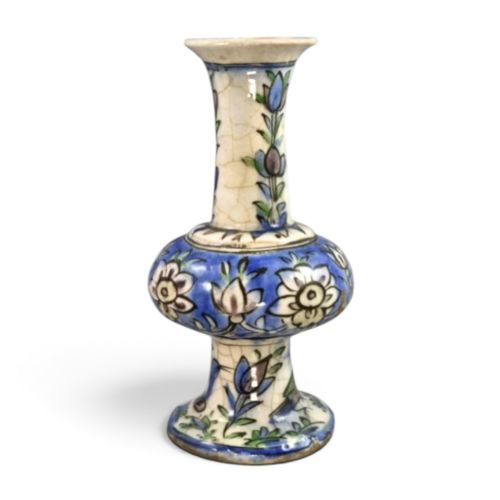
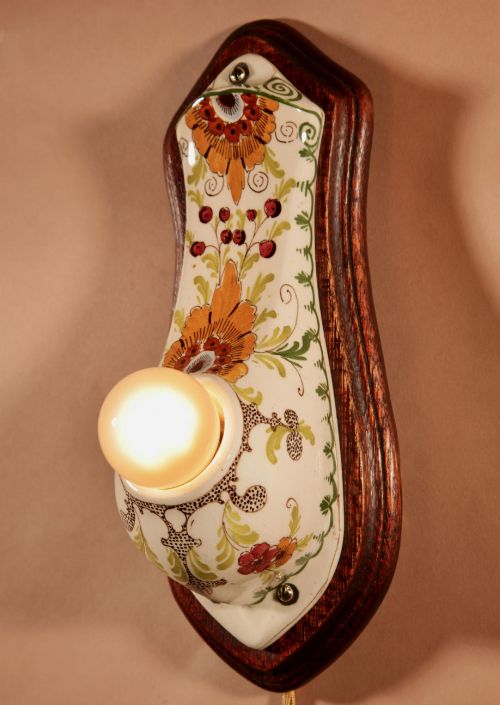
Hand painted floral pottery encompasses a broad variety of ceramic forms, ranging from large vases and decorative bowls to jugs, pitchers, and footbaths. When exploring hand painted floral pottery, buyers encounter pieces spanning the eighteenth, nineteenth, and early twentieth centuries, reflecting diverse global traditions.
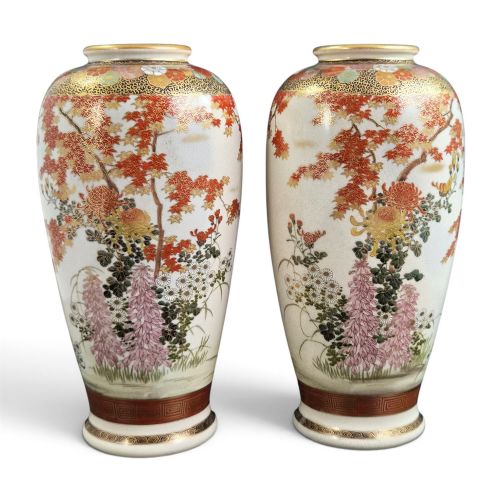
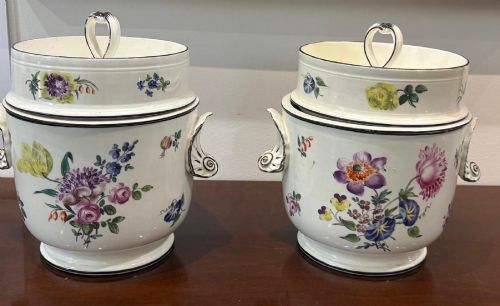
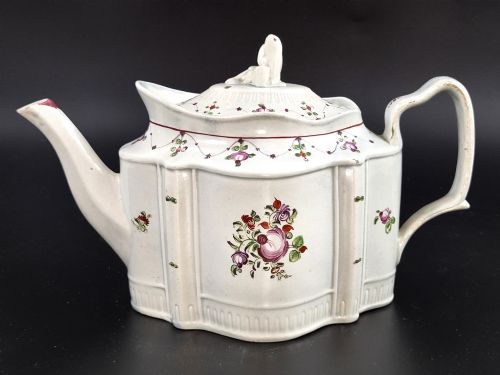
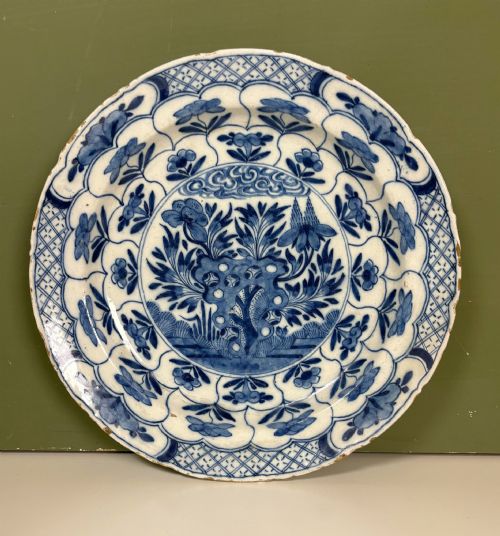
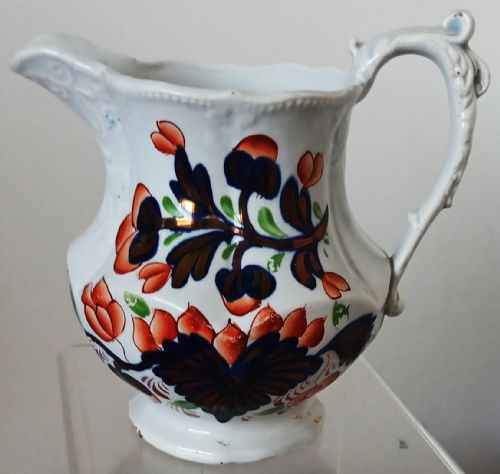
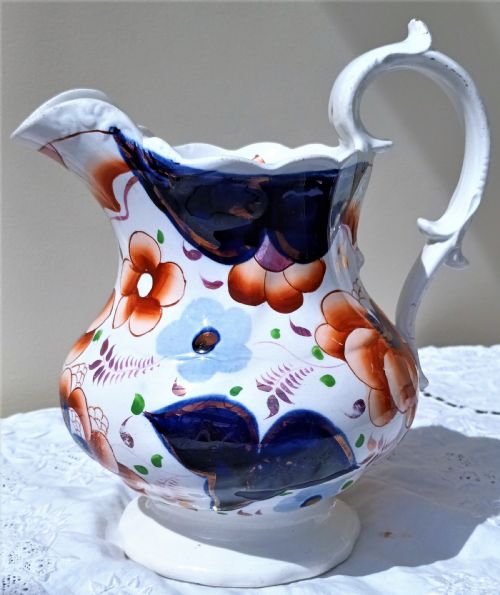
The selection here includes Victorian Gaudy Welsh jugs, English creamware, Delft wares, Japanese Satsuma and Imari pieces, and French faience. Forms such as basins, ice pails, and teapots demonstrate how botanical decoration was applied to domestic objects across different periods and regions.
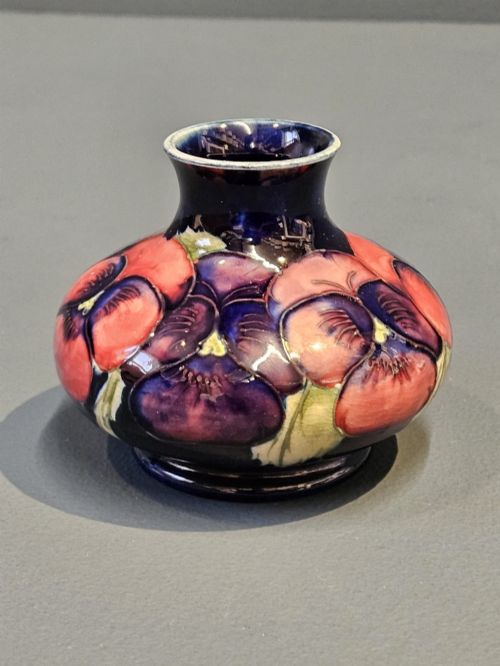
Makers and regional potteries from Staffordshire, Doulton, Moorcroft, and Worcester feature prominently alongside continental and Asian workshops. Each object displays distinct floral motifs rendered through enamel, glaze, and underglaze painting techniques peculiar to its origin.
How They Were Made
Potters shaped these vessels using earthenware, ironstone, porcelain, and creamware bodies, often applying tin glaze or clear lead glazes to seal the porous clay. Artisans then painted botanical designs directly onto the surface using mineral pigments and enamels.
Certain pieces received additional enrichment through gold leaf and gilt highlights applied over the glaze and fired again. Tin-glazed earthenware, characteristic of Delft and French faience, required an opaque white background wash to receive the hand-painted floral pigments before a final gloss firing.
Listings feature earthenware, porcelain, and tin glaze across the eighteenth, nineteenth, and early twentieth centuries.
What Varies In Quality
Quality rests primarily in the precision, confidence, and expressiveness of the brushwork applied to the floral motifs. Skilled painters achieved depth and naturalism through subtle tonal gradation, whereas lesser examples show hurried, mechanical strokes.
The clarity of the glaze and the crispness of the underlying ceramic form also determine worth. Well-preserved enamel colours that retain their original vibrancy without excessive rubbing distinguish superior examples from worn or over-fired stock.
Wemyss·Moorcroft·Doulton Lambeth·Royal Worcester·TG Green
The Hand Painted Floral Pottery Glossary
- Earthenware
- Porous pottery fired at lower temperatures, requiring a glaze to hold liquids. It forms the body of many nineteenth-century jugs and basins.
- Tin Glaze
- A lead glaze made opaque by the addition of tin oxide, providing a white surface for painting. This technique defines traditional Delft and faience.
- Enamel
- Vitreous coloured glass fused to the ceramic surface during a secondary, lower-temperature firing. It allows for bright reds, greens, and blues in floral designs.
- Creamware
- A refined earthenware developed in eighteenth-century England, noted for its pale straw colour and smooth glaze. It provided an ideal warm ground for botanical painting.
- Imari
- A style of Japanese porcelain featuring cobalt blue underglaze and iron red and gold overglaze. Floral and geometric panels are typical of this tradition.
Hand Painted Floral Pottery: Frequently Asked Questions
Are these pieces safe for daily use?
Most antique ceramics feature fragile glazes, crazing, and overglaze enamels that can absorb liquids or sustain damage from cutlery. They are best reserved for display or gentle decorative service.
Heavier ironstone and sturdy nineteenth-century earthenware jugs tolerate light domestic tasks, but older tin-glazed and porcelain pieces require careful handling.
How do I date hand painted pottery?
Examine the base for maker marks, impressed ciphers, or registration numbers that pinpoint production years. The style of the floral painting, the composition of the clay body, and the characteristics of the glaze also provide strong chronological clues.
Comparing potting techniques with documented examples from periods like the Victorian era or the eighteenth century helps confirm age.
What is the difference between faience and Delft?
Faience is a general European term for tin-glazed earthenware, particularly associated with French and continental workshops. Delft specifically refers to tin-glazed pottery produced in the Dutch town of Delft.
Both employ similar opaque white glazes and hand-painted blue or polychrome floral decoration, but their regional forms and painting styles diverge.