




Hand Painted Dressing Table
A hand painted dressing table brings colour and character to a room, offering surface space alongside delicate brushwork.
Hand Painted Dressing Table
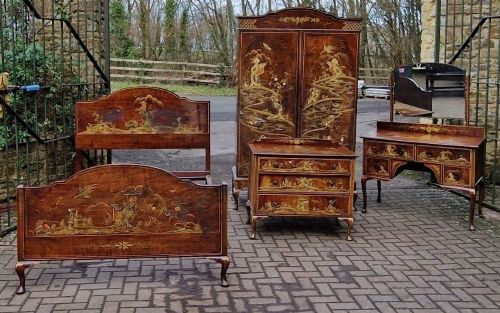
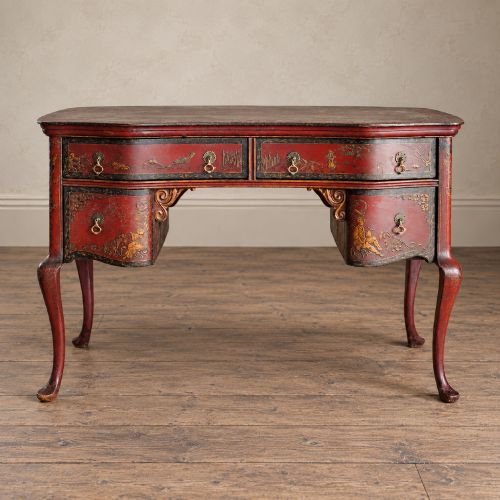
A hand painted dressing table brings decorative charm to a bedroom or boudoir, combining a practical surface with individual artistic detail. When searching for a hand painted dressing table, buyers encounter various forms ranging from kidney-shaped desks to fold-out designs and pieces featuring mirrored superstructures.
The pieces seen across these listings span several distinct periods including the Victorian era, late Georgian period, and the early twentieth century. Styles vary from Chinoiserie lacquer and Sheraton Revival satinwood to French and Italian influences, alongside related items like side tables and writing desks.
Victorian and Edwardian examples frequently utilise satinwood or lacquer as a base for intricate motifs, while earlier Georgian items often display geometric painted tops. These variations mean a buyer can find both grand mirrored dressing furniture and smaller side tables serving a similar decorative function.
Materials and construction
Cabinet makers utilised a selection of woods such as satinwood, mahogany, and oak as the foundational structure for these tables and desks. Metal components like brass hardware and ormolu mounts frequently complement the timber framework.
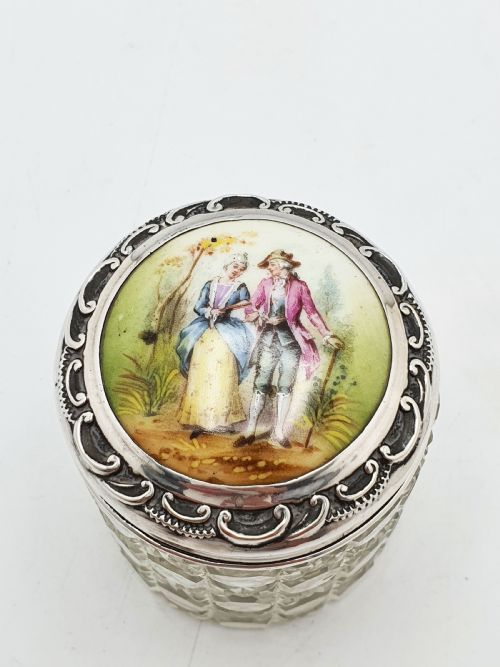
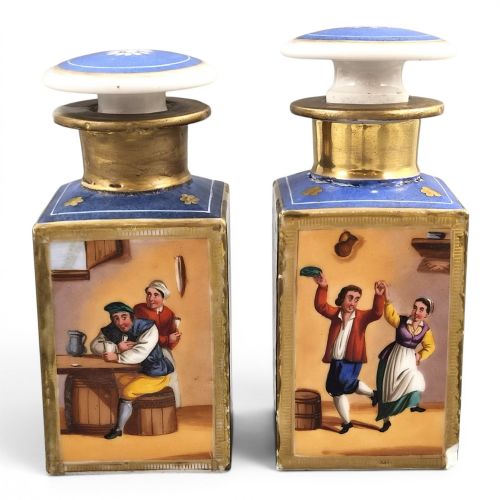
Decoration relied on skilled brushwork, employing enamel, gold leaf, and lacquer to apply detailed scenes and motifs directly to the wood. Glass mirrors and ceramic elements were integrated into dressing tables and associated jars, completing the functional design.
Hand Painted Dressing Table Retail Price Guide 2026
Typical asking prices for hand painted dressing table among the pieces listed under this phrase on Sellingantiques today, from the lower quarter to the upper quarter. They describe what is for sale here now, not the wider market.
Listings feature items from the Victorian and Edwardian eras alongside late Georgian pieces, utilising satinwood, lacquer, and brass.
Distinguishing quality in painted furniture
Quality rests significantly upon the execution of the decorative paintwork and the choice of primary timber. Finer pieces display sophisticated brush control and well-preserved surface designs, whereas simpler items rely on more basic geometric patterns.
The choice of materials also dictates the standing of a piece, with satinwood and detailed Chinoiserie lacquer generally representing more ambitious craftsmanship than standard secondary woods.
Jacob Petit·Joseph Meissonnier·Royal Worcester·Jennens and Bettridge
The Hand Painted Dressing Table Glossary
- Chinoiserie
- European interpretations of Chinese and East Asian artistic traditions, frequently featuring figures, pagodas, and landscapes rendered in lacquer.
- Satinwood
- A durable hardwood with a lustrous, satin-like sheen that served as a favored canvas for painted decoration during the eighteenth and nineteenth centuries.
- Kidney-shaped
- A curved furniture form designed to fit comfortably against the body, commonly seen in late nineteenth century dressing tables and desks.
- Superstructure
- An upper shelving or mirror arrangement mounted upon the main surface of a desk or dressing table.
- Lowboy
- A small occasional table featuring drawers, often utilised as a side table or dressing surface.
Hand Painted Dressing Table: Frequently Asked Questions
What periods do these dressing tables come from?
The pieces span the late Georgian era through the Victorian period, Edwardian years, and into the nineteen thirties.
Victorian and Edwardian items appear frequently alongside earlier nineteenth century examples.
How were these tables used originally?
They served as private dressing stations in bedrooms and boudoirs for grooming and writing.
Many incorporated drawers and mirrored superstructures to hold personal items and cosmetics.
What materials are common on these pieces?
Woods like satinwood, oak, and mahogany form the primary structure of the tables and desks.
Surfaces are often enhanced with lacquer, gold leaf, and hand-applied enamel paintwork.
How do I care for a painted surface?
Keep the furniture away from direct sunlight and excessive moisture to protect the delicate paint and lacquer.
Dust gently with a soft dry cloth rather than applying chemical polishes.
Are all these pieces full dressing tables?
While many are dedicated dressing tables with mirrors, the category also includes writing desks and side tables.
Some smaller items feature painted surfaces adapted for similar domestic uses.