


Hand Painted Dessert Plate
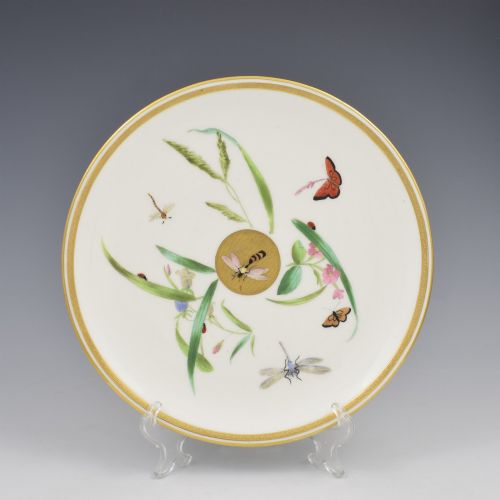
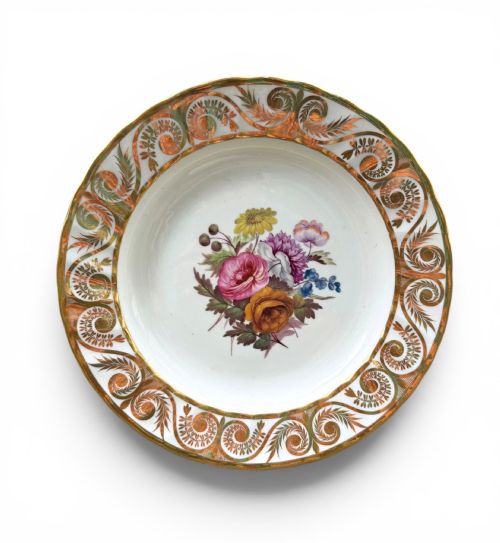
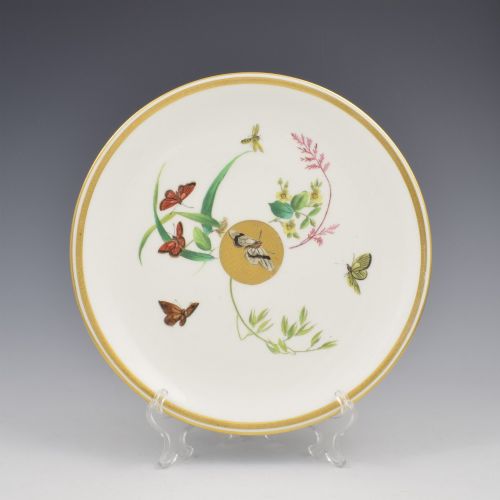
When you handle a hand painted dessert plate, you hold a piece of ceramic artistry designed for the final course of grand dining.
Hand Painted Dessert Plate
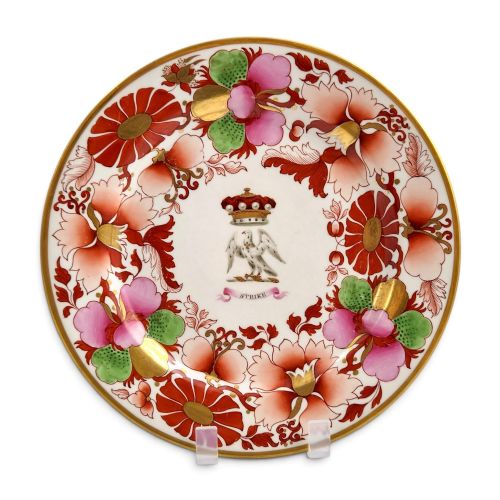
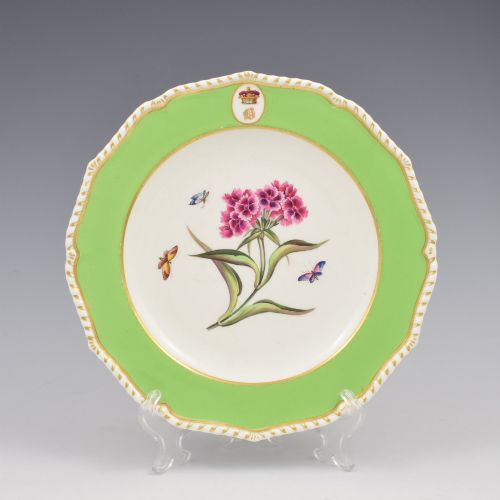
A hand painted dessert plate is a ceramic vessel created for serving fruit, sweets, and pastries at the conclusion of a formal meal. These items appear across multiple periods, including the eighteenth, nineteenth, and early twentieth centuries, spanning the Georgian, Regency, and Victorian eras.
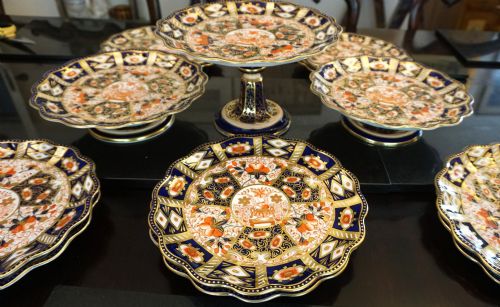
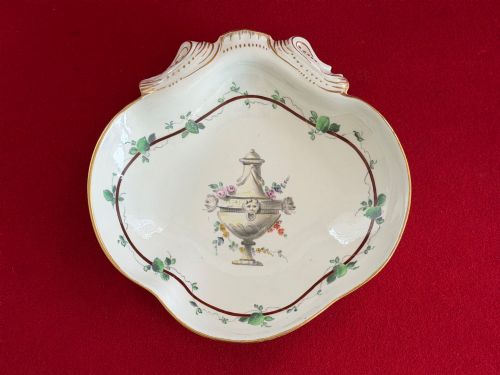
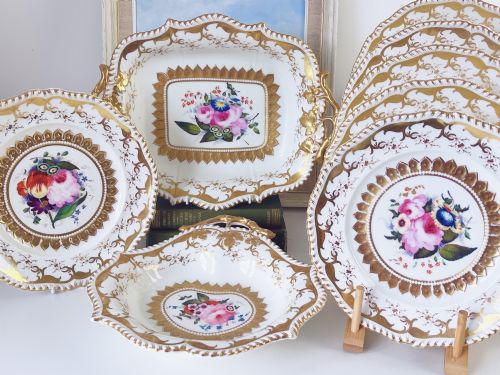
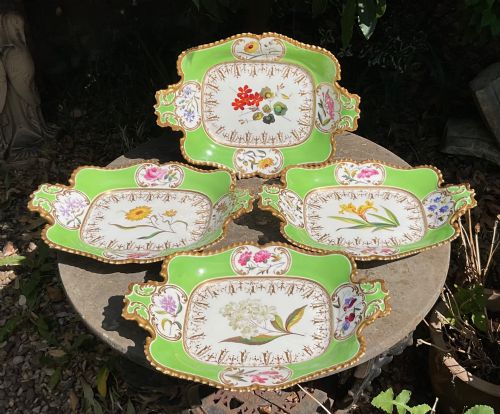
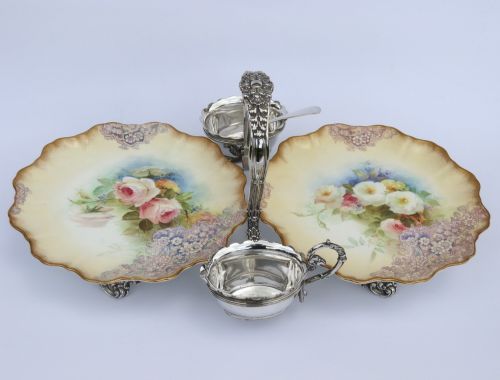
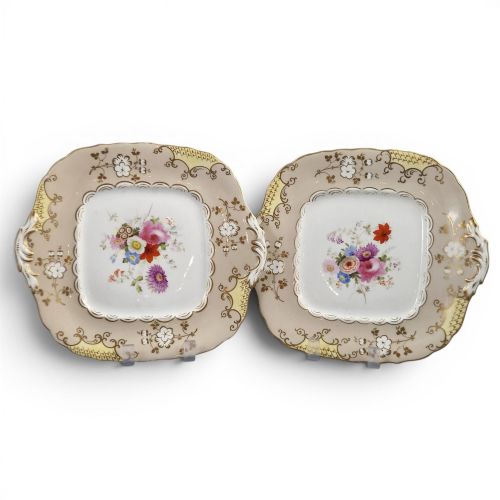
The objects take various forms on this page, including cabinet plates, dessert dishes, and full serving sets. Makers from English factories like Worcester, Derby, and Minton, alongside continental porcelain houses, produced these items for domestic dining rooms.
Materials and technique
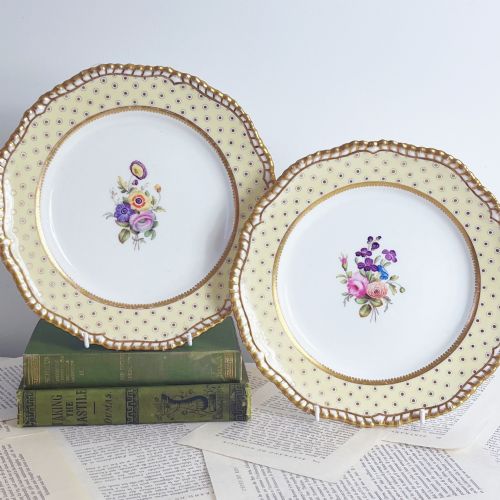
Potters formed these items using porcelain, bone china, and ceramic bodies, often decorated with enamel pigments applied by hand. Artisans incorporated gold leaf, gilding, and gilt accents to highlight borders, rims, and central motifs.
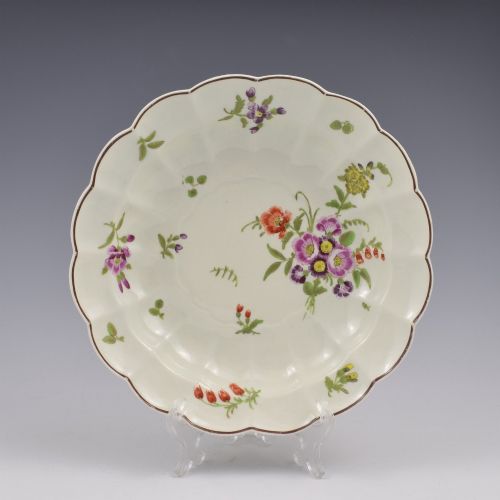
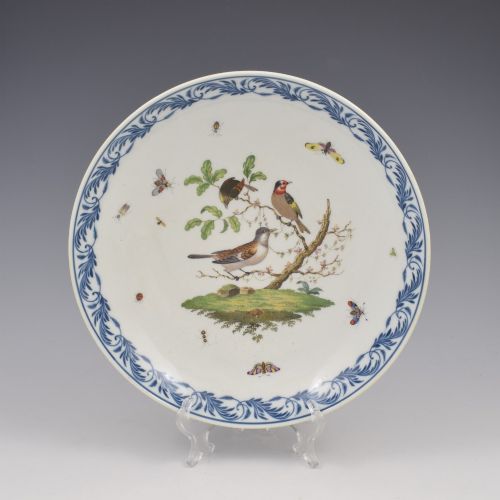
Factories utilised specialised glazes to seal the ceramic body before artists painted botanical specimens, landscapes, birds, and armorial crests. Kiln firing fixed the colours and metallic applications permanently to the surface.
Hand Painted Dessert Plate Retail Price Guide 2026
Typical asking prices for hand painted dessert plate among the pieces listed under this phrase on Sellingantiques today, from the lower quarter to the upper quarter. They describe what is for sale here now, not the wider market.
The inventory spans the eighteenth, nineteenth, and early twentieth centuries, including Georgian, Regency, Victorian, and Edwardian periods.
What separates the grades
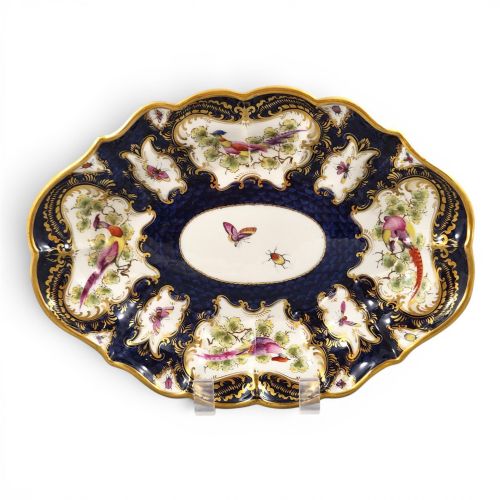
The standard of painting determines the tier of the piece, distinguishing factory work from the brushwork of named artists such as James Giles, Thomas Steele, or Moses Webster. Botanical accuracy, fine detail in ornithological subjects, and precision in topographical views elevate individual items.
The complexity of the ceramic form itself influences quality, seen in lobed edges, basketweave moulding, and intricate gilding patterns. Comprehensive services with matching plates demonstrate greater cohesion than scattered single pieces.
James Giles·Grainger Lee And Co·Spode·Meissen·Chamberlains Worcester·Moses Webster·Minton·Royal Worcester·Coalport·Copeland And Garrett·Walker And Hall·Doulton Burslem·Bloor Derby·John Ridgway·Rockingham Pottery·Thomas Steele·Chantilly·Flight Barr And Barr·Sevres·Kerr And Binns·Crescent China·Wedgwood·Mason
The Hand Painted Dessert Plate Glossary
- Cabinet plate
- A decorative plate intended for display in a cabinet or on a wall rather than active dining use. These items usually feature intricate hand painted scenes or rich gilding.
- Armorial
- A design incorporating a family coat of arms, crest, or heraldic shields. Makers painted these onto bespoke dessert services for landed families.
- Bone china
- A type of porcelain incorporating bone ash, developed in England to create a durable, brilliantly white ceramic body. It accepts delicate enamel painting exceptionally well.
- Gilt
- A thin layer of gold applied to the ceramic surface as decoration. Artisans used gilding to frame central painted reserves and edge rims.
- Soft paste
- An early porcelain composition fired at lower temperatures than hard paste. French and English factories utilised this material before perfecting true porcelain recipes.
Hand Painted Dessert Plate: Frequently Asked Questions
What were dessert plates used for?
These pieces served fruit, sweetmeats, and confectioneries during the final course of a formal dinner party. Guests consumed delicate foods from them while the main dining table was cleared.
Wealthy households used matching dessert services to display their social status and taste to assembled company.
How do I care for antique porcelain?
Wash these items by hand in warm water using a mild detergent, avoiding dishwashers entirely. Enamel painting and gold leaf can wear away with harsh scrubbing.
Store plates in secure cabinets using proper plate stands to protect the hand painted surfaces from friction.
How can I date a dessert plate?
Examine the base for factory marks, pattern numbers, and retailer stamps. Different eras utilised specific ceramic bodies, shapes, and border styles that help narrow the production window.
Stylistic shifts from Georgian botanical precision to Victorian aesthetic movement designs provide clear clues to the decade of manufacture.