




Hand Painted Crest
A hand painted crest records lineage and allegiance through pigment and porcelain, bringing centuries of heraldic tradition directly into a room.
Hand Painted Crest
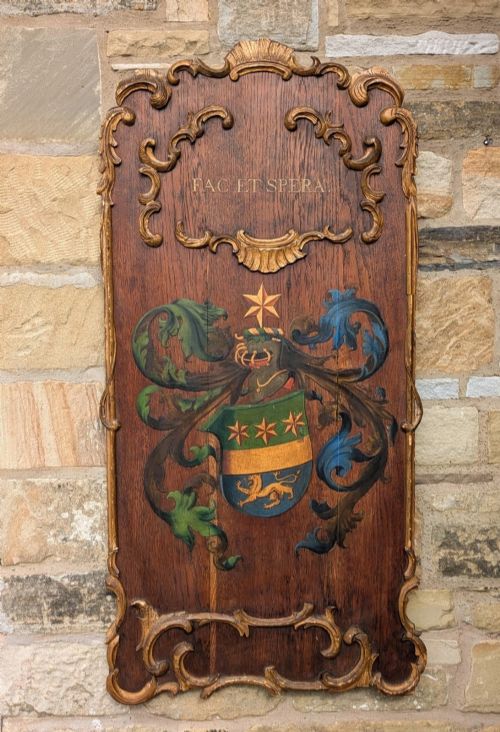
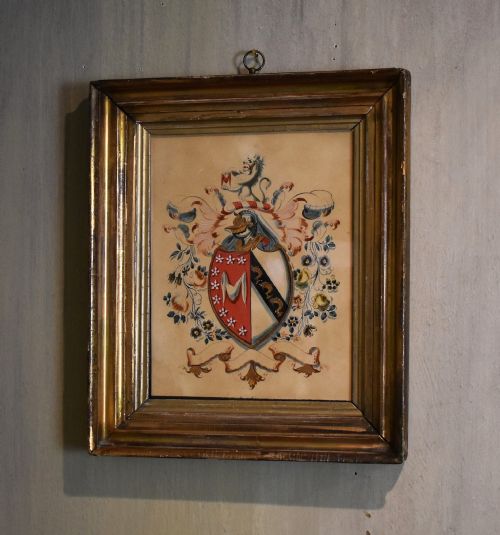
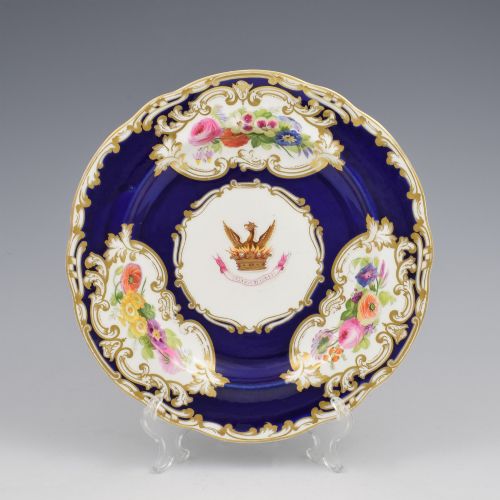
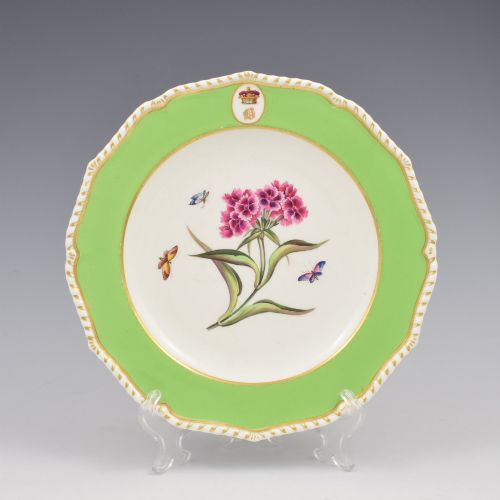
A hand painted crest encompasses armorial porcelain, heraldic glass, and painted wooden panels bearing family coats of arms and insignia. These objects range from Georgian dessert plates to Victorian glazed pottery and German enamelled roemers.
The version most commonly met on this page is the armorial porcelain plate, often originating from English factories such as Bloor Derby and Chamberlain Worcester, or French workshops like Samson of Paris. Such pieces feature hand-painted heraldic shields and family mottoes placed centrally or upon the rim.
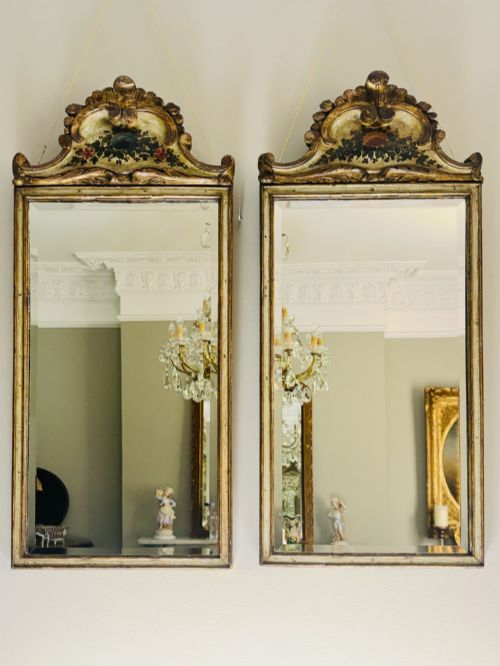
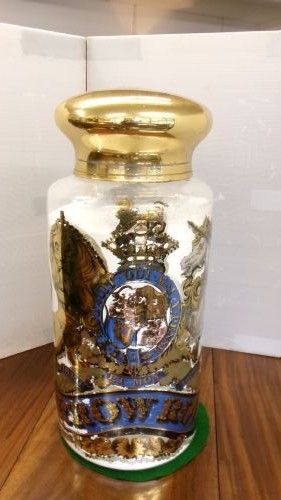
Other recurring forms include wall mirrors inset with painted heraldic panels, apothecary display jars, and Japanese Satsuma bowls bearing traditional clan mon. The spread spans from the eighteenth century through the nineteenth century, reflecting diverse European and Asian decorative traditions.
What varies in quality
The fineness of the brushwork inside the heraldic shield distinguishes standard productionware from superior studio or factory pieces. Crisp linework in the armorial bearings and subtle shading in the crest indicate a master hand.
The preservation of the original gold leaf and enamel determines the visual integrity of the object. Minimal rubbing to the gilt rims and vibrant, stable pigments across the painted surface preserve the intended splendour.
The historical provenance and documentation of the specific family arms add archival weight to certain plates and vessels. Identifying the exact lineage linked to a crest elevates the piece beyond generic decorative art.
Hand Painted Crest Retail Price Guide 2026
Typical asking prices for hand painted crest among the pieces listed under this phrase on Sellingantiques today, from the lower quarter to the upper quarter. They describe what is for sale here now, not the wider market.
Listings feature items from the eighteenth, nineteenth, and early twentieth centuries, spanning periods from Georgian and Regency to Victorian and Edwardian.
Bloor Derby·Chamberlain Worcester·Samson Of Paris·Kinkozan Kyoto
The Hand Painted Crest Glossary
- Armorial
- Bearing a coat of arms or heraldic device. These designs were commissioned by families to display lineage on porcelain and silver.
- Enamel
- Opaque vitreous composition applied to glass, metal, or ceramic and fused by firing. It provides brilliant, lasting colour for heraldic motifs.
- Roemer
- A traditional Germanic drinking glass featuring a wide bowl and a studded stem. Versions often display enamelled coats of arms or historical scenes.
- Mon
- A Japanese emblem or crest used to identify individuals or families. These symbols appear on Satsuma pottery alongside intricate painted scenes.
- Gilt
- Covered thinly with gold leaf or gold paint. This technique frames heraldic shields and adds decorative richness to porcelain plates and mirrors.
Hand Painted Crest: Frequently Asked Questions
What is an armorial plate?
An armorial plate is a ceramic dish painted with a specific family coat of arms or crest. These were typically ordered by wealthy families to match their dinner services.
Over time, they transitioned from functional dining ware to decorative cabinet pieces valued for their detailed heraldic painting.
How do I identify a family crest?
Family crests rely on specific heraldic rules regarding charges, tinctures, and divisions of the shield. Reference books on genealogy and heraldry help match the painted symbols to recorded lineages.
Some pieces include family mottos or specific names that directly point to the original commissioning household.
Where were these pieces displayed?
Plates and bowls were often shown in dining rooms on plate rails or within glazed cabinets. Larger items like mirrors and wooden panels hung in hallways and overmantels.
Glassware such as roemers were used during formal gatherings or kept as cabinet curiosities.
How do I care for painted porcelain?
Painted porcelain requires gentle cleaning with a soft, dry cloth to remove dust. Harsh chemical cleaners and abrasive scrubbing must be avoided to protect the delicate enamels and gold leaf.
Keeping items out of direct sunlight prevents the pigments from fading over the decades.