


Hand Painted Commode Chest
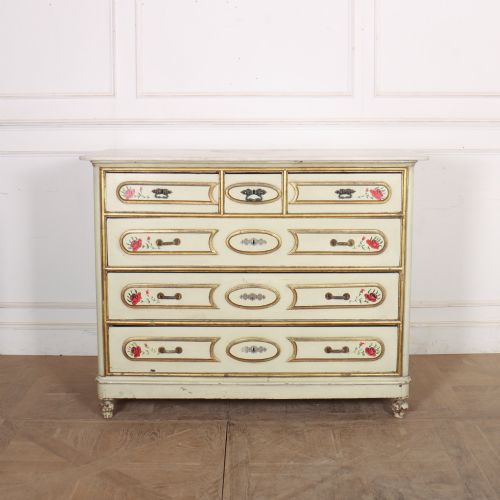
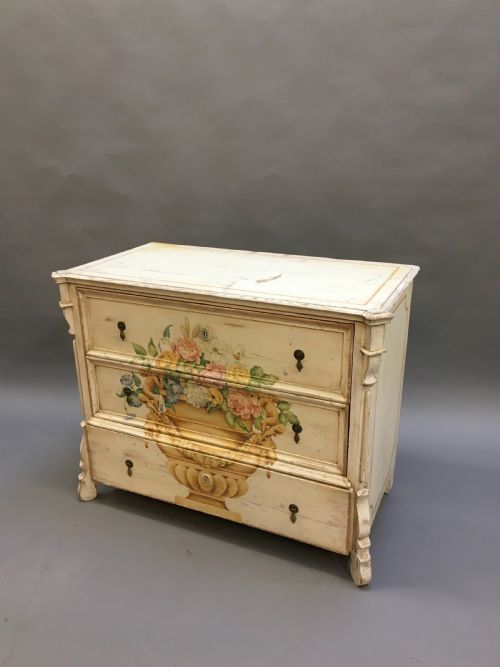
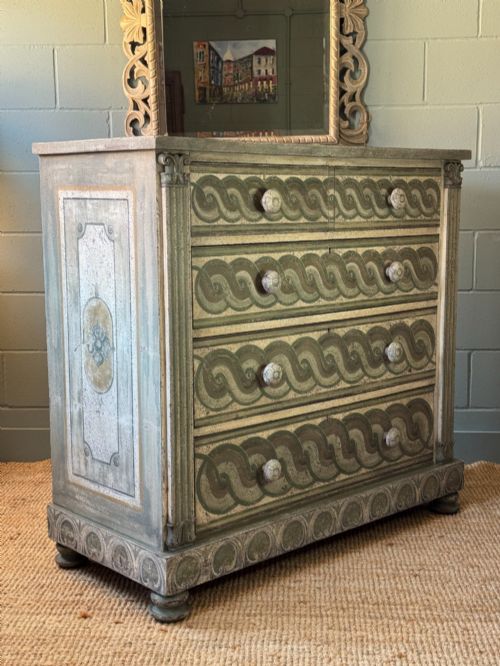
A hand painted commode chest brings decorative brushwork and practical storage together, offering a striking focal point for any room.
Hand Painted Commode Chest
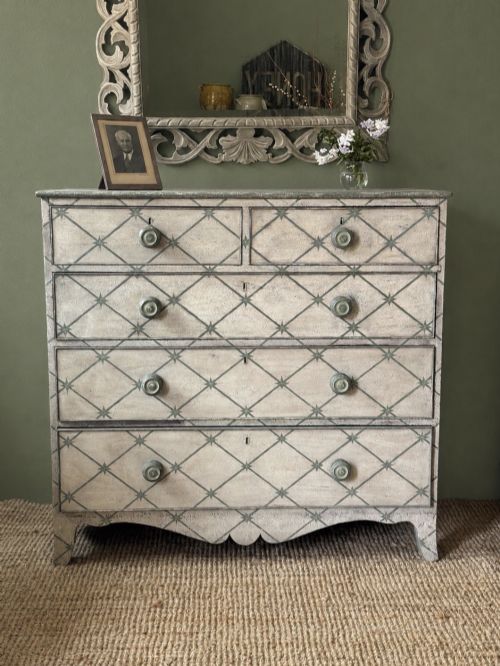
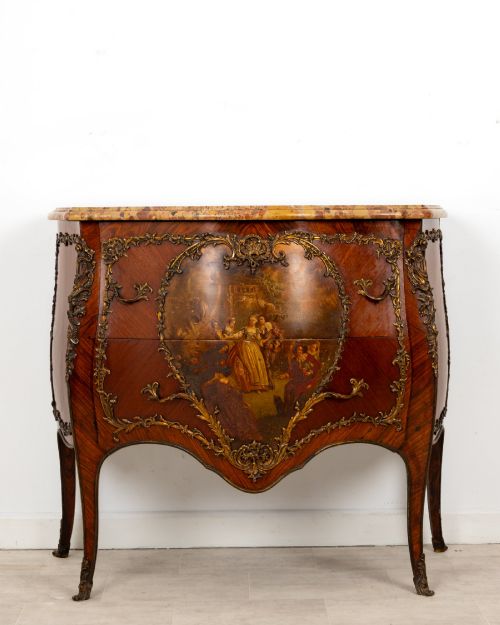
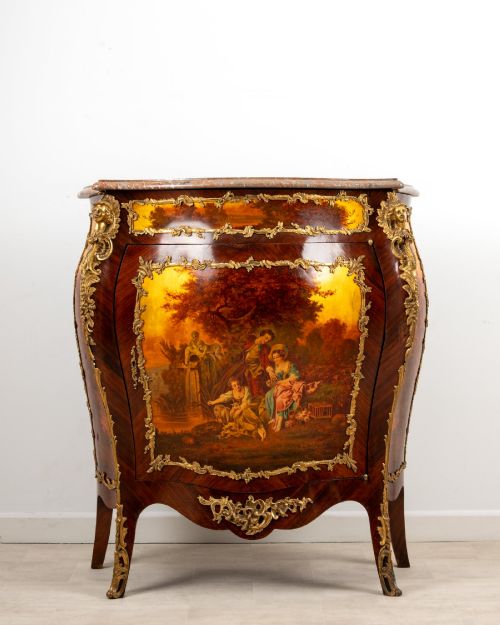
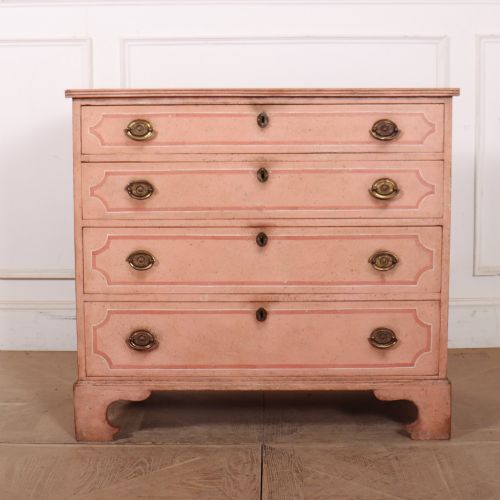
A hand painted commode chest functions primarily as a set of drawers or a cabinet, combining utility with artistic surface decoration. When exploring this selection, buyers encounter forms ranging from English country pine to elaborate French Louis XV revival models.
The pieces on this page span several centuries and regions, including 18th century examples, Victorian pieces, and 20th century items. Common stylistic influences involve Chinoiserie, Spanish neoclassical design, and French chateau aesthetics.
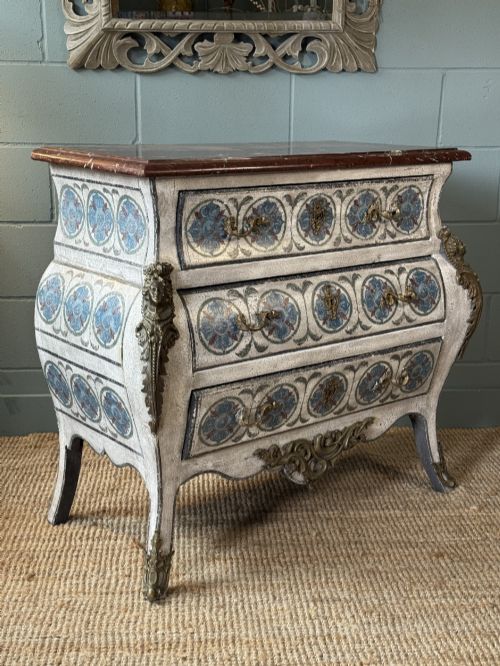
Origins vary across England, France, Sweden, Italy, and Hungary, yielding distinct regional interpretations of the painted chest form. Buyers find everything from bow-fronted Regency pieces to bombe shaped cabinets with marble tops.
Materials and Construction Methods
Carpenters utilised woods such as pine, ash, and kingwood as foundations for these chests, frequently pairing them with brass or gilt-bronze mounts. Marble frequently tops certain French and continental models, adding weight and a cool surface texture.
Painters applied decorative finishes directly onto wood, lacquer, or simulated birch, often employing techniques like Vernis Martin or scumbling. Japanned finishes and Venetian scenes demonstrate the varied application of paint and lacquer across different workshops.
Quality Variations in Painted Commodes
The refinement of the painted surface work separates standard utility furniture from high artistic achievement. Delicate Chinoiserie motifs, original pictorial scenes, and sophisticated colour layering distinguish the finest examples.
Structural integrity and the quality of secondary materials also dictate value. The presence of original mounts, well-fitted marble tops, and cabinetmaker work such as bombe shaping elevate a piece above simpler vernacular chests.
GEMLA FABRIKERS
The Hand Painted Commode Chest Glossary
- Commode
- A low chest of drawers or cabinet, typically dating from the eighteenth or nineteenth century. The term often describes decorative continental examples with prominent surface ornamentation.
- Bombe
- A bulging, outward-curving chest shape associated with continental furniture styles. This undulating profile requires skilled carpentry to execute correctly.
- Chinoiserie
- European decorative art imitating Chinese artistic styles, frequently seen on lacquered and painted cabinets. It uses motifs of figures, landscapes, and pagodas.
- Vernis Martin
- A type of simulated Japanese lacquer developed in eighteenth-century France, known for its glossy, polished finish. Artisans used it to decorate fine commodes and cabinets.
- Japanning
- A European form of decorative finishing that imitates Japanese lacquer work. It involves layers of varnish and paint, often decorated with raised motifs.
- Scumbling
- A painting technique involving the application of a thin, translucent layer of paint over a different base colour. This creates textured, mottled visual effects on wood.
Hand Painted Commode Chest: Frequently Asked Questions
What is a hand painted commode chest?
A hand painted commode chest is a set of drawers or a cabinet whose exterior surfaces feature decorative painting or artistic finishes. These pieces function as both storage furniture and decorative art.
Originating from various European traditions, they include English country chests, French revival cabinets, and Swedish painted case pieces. Their surfaces often display floral motifs, scumbled effects, or pictorial scenes.
How do I date a painted chest?
Dating a painted chest involves examining the underlying timber, construction methods, and hardware. Secondary woods like pine or ash often point to specific regional manufacturing eras.
Stylistic clues such as serpentine drawer fronts, brass mounts, and the nature of the paint layer also help determine age. Original paint surfaces provide direct evidence of the period in which the decoration was applied.
Where were these chests made?
These chests originate from across Europe, with strong representations from England, France, Sweden, Italy, Spain, and Hungary. Each region developed distinct cabinetmaking traditions.
French pieces frequently lean towards ornate revival styles with marble tops, while Swedish and English items often showcase muted painted finishes or country pine construction.
How do I care for antique painted furniture?
Caring for antique painted furniture requires protecting the delicate surface decoration from moisture, direct sunlight, and excessive heat fluctuations. Dusting with a soft, dry cloth prevents the accumulation of dirt without harming the finish.
Avoiding harsh chemical cleaners preserves the integrity of original or historic paint layers. Maintaining stable room humidity prevents the underlying wood from expanding and cracking.