


Hand Painted Botanical
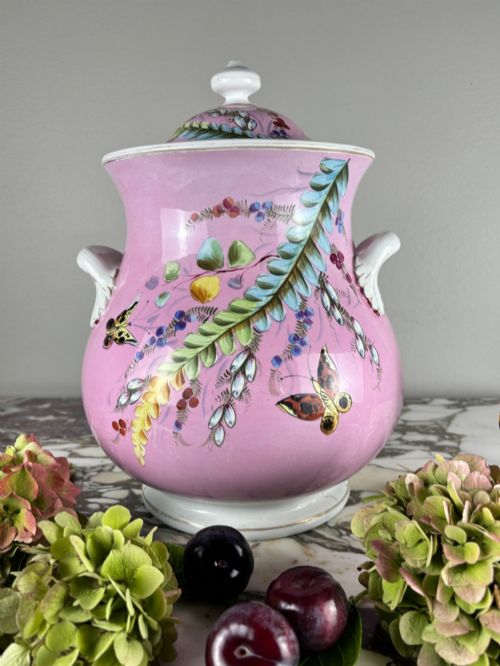
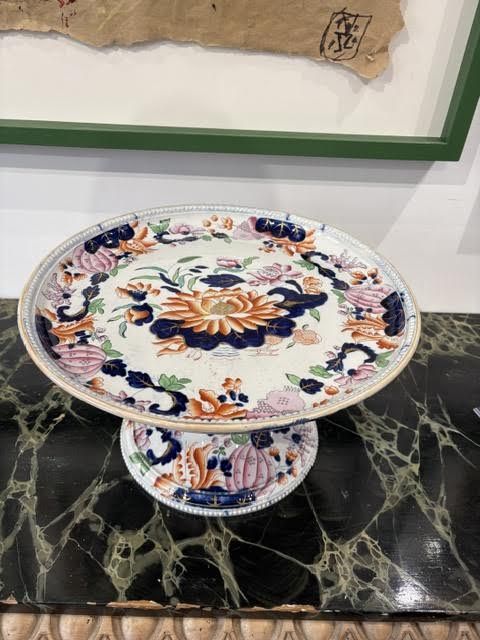
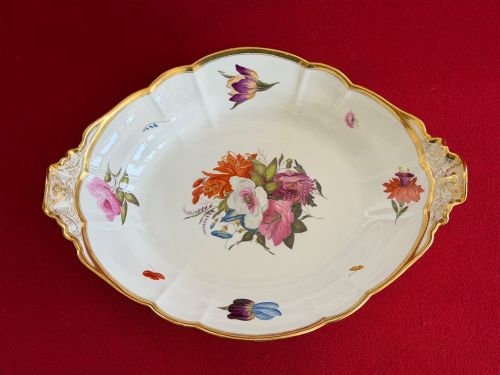
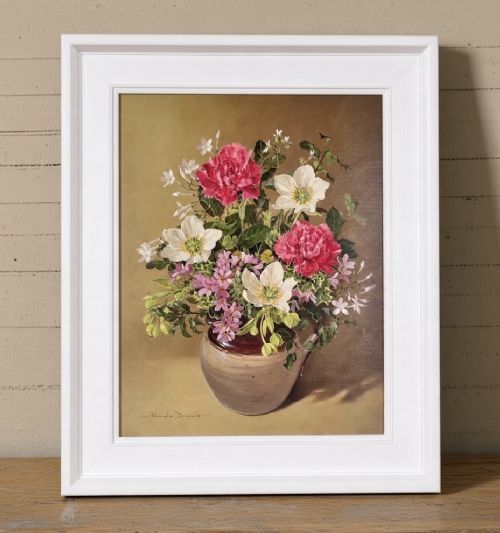
These hand painted botanical ceramics and decorative objects bring natural flora into domestic interiors through detailed enamel work on porcelain and earthenware.
Hand Painted Botanical
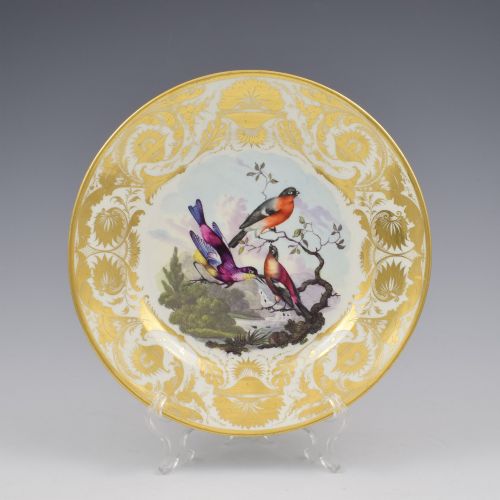
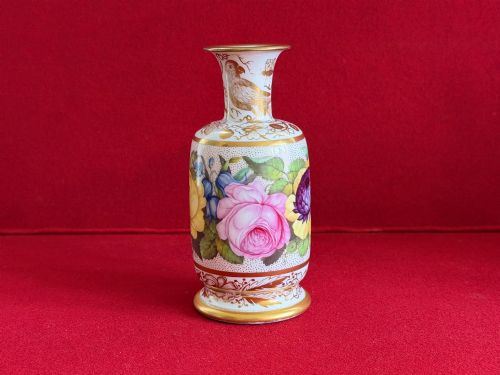
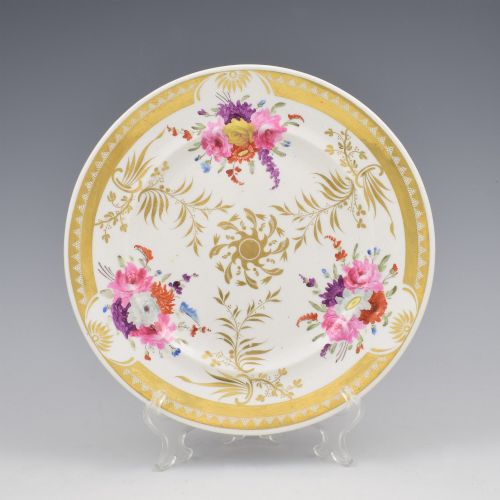
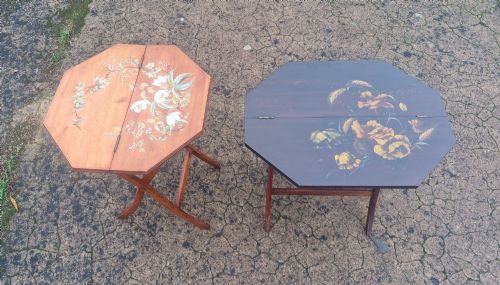
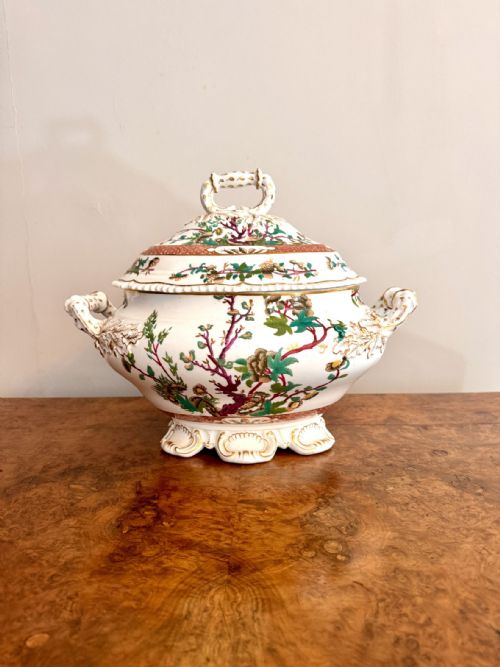
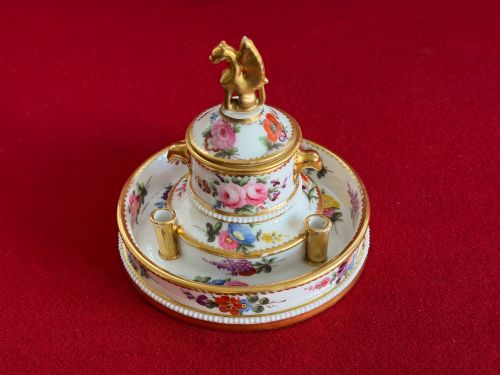
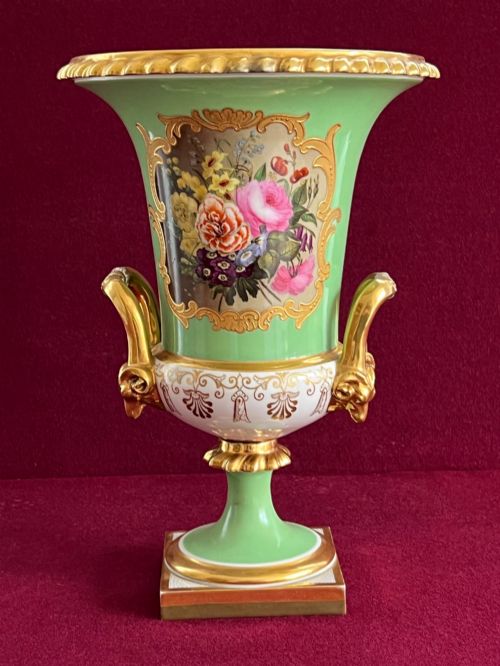
When searching for hand painted botanical items, collectors encounter tableware, cabinet pieces and decorative vessels primarily originating from the Georgian, Regency and Victorian periods. These objects display floral and ornithological illustrations rendered in enamel and paint upon porcelain, creamware, bone china and tole peinte surfaces.
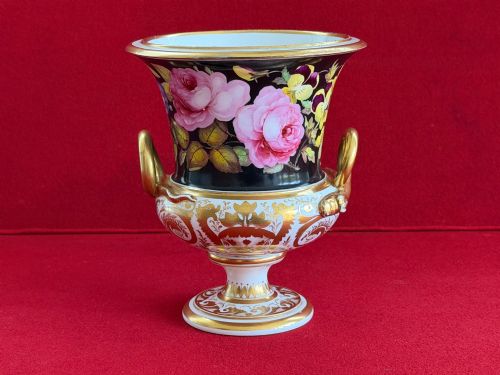
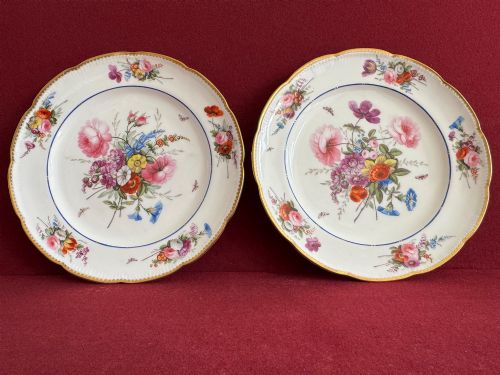
The pieces on this page span tea services, dessert plates, campana urns, cache-pots and cabinet dishes produced by notable factories such as Derby, Worcester, Coalport and Minton. Functional tableware sits alongside decorative urns and pedestals, demonstrating how botanical subjects crossed between dining tables and drawing room display.
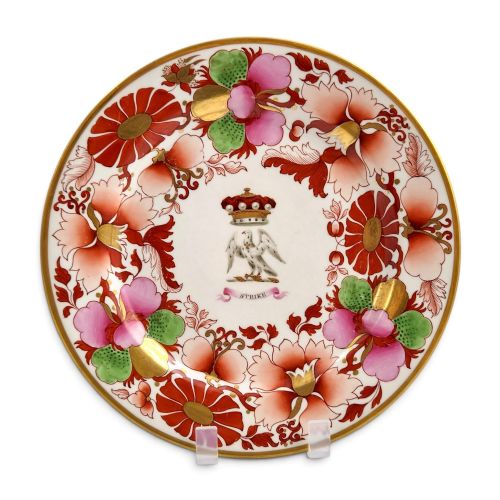
English and continental potteries dominate the selection, utilising white paste bodies as canvases for botanical specimens, garden flowers and armorial designs. The forms range from small teacups and saucers to large twin-handled vases and dessert services intended for formal entertaining.
How They Were Made
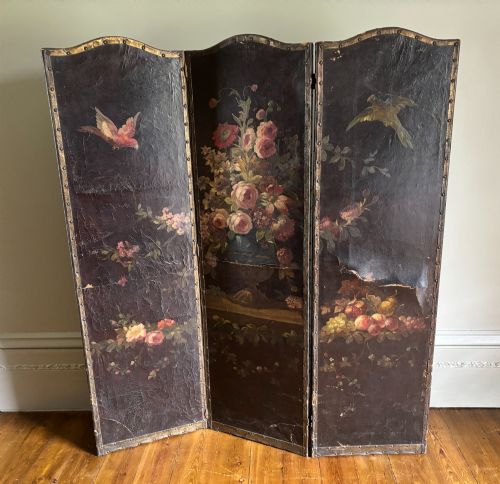
Makers applied enamel colours and gold leaf over glazed porcelain, bone china, creamware and earthenware bodies, often securing pigments through successive kiln firings. Metal objects like tole peinte chestnut urns received painted finishes directly on prepared tin surfaces.
Specialised artists painted floral subjects by hand using fine brushes, detailing individual petals, leaves and stems with botanical accuracy. Gilding and cobalt blue grounds were added to frame the painted scenes, utilising burnished gold leaf and rich underglaze pigments.
Hand Painted Botanical Retail Price Guide 2026
Typical asking prices for hand painted botanical among the pieces listed under this phrase on Sellingantiques today, from the lower quarter to the upper quarter. They describe what is for sale here now, not the wider market.
Object types recorded across the site include vases, decorative plates, occasional tables, decorative dishes, teacups and saucers, soup tureens, urns, pedestals and apothecary pounce pots.
What Varies in Quality
The distinction between standard factory output and top-tier production rests upon the skill of the named painter and the precision of the botanical rendering. Pieces decorated by documented artists command greater attention due to the individual artistry applied to each ceramic surface.
The crispness of the porcelain body, the depth of the enamel colours and the complexity of the surrounding gilding define the hierarchy of these objects. Superior items combine faultless potting with meticulous brushwork that captures the specific botanical characteristics of each flower.
Derby Porcelain·Flight Barr and Barr·Minton Porcelain·Coalport·Royal Doulton·Meissen Porcelain·H and R Daniel·Grainger Lee and Co·Chamberlains Worcester·Royal Worcester·Spode·Furstenberg
The Hand Painted Botanical Glossary
- Campana
- A bell-shaped urn or vase form popular during the Regency period. This classical silhouette provided a wide aperture ideal for displaying floral arrangements or painted botanical scenes.
- Creamware
- A refined light-coloured earthenware developed in eighteenth-century England. It offered potteries a smooth, pale background suitable for enamel painting.
- Tole peinte
- Painted or lacquered sheet metal, typically tin or iron. French workshops utilised this material to create decorative urns and trays finished with hand-painted botanical motifs.
- Armorial
- A design incorporating heraldic coats of arms. These were frequently commissioned by noble families to decorate porcelain dessert services alongside botanical studies.
- Porcelaneous
- A ceramic body that shares the vitrified, hard-wearing qualities of true porcelain without meeting its exact compositional definition. Staffordshire potteries frequently utilised this dense material for large vases and tureens.
Hand Painted Botanical: Frequently Asked Questions
How do I identify botanical porcelain?
Examine the surface for hand-painted floral motifs executed in enamel colours, often accompanied by Latin plant names or artist signatures. These pieces typically feature botanical specimens rendered with scientific accuracy rather than generic decorative flowers.
Check the base for factory marks, pattern numbers or impressed ciphers associated with period potteries like Worcester, Derby or Coalport. Quality examples usually display fine gilding and professional brushwork framing the central plant study.
Were these pieces used daily?
Many items, such as dessert services, teacups and soup tureens, were created for dining and formal entertaining during the Georgian and Victorian eras. Wealthy households utilised hand-painted porcelain to display status and refinement during social gatherings.
Cabinet plates and decorative urns, however, served primarily an ornamental function within the drawing room. Their survival in good condition often reflects careful handling and display rather than heavy domestic use.
How should I care for antique painted ceramics?
Wash hand-painted porcelain and earthenware by hand using tepid water and mild soap, avoiding abrasive sponges or modern dishwashers that can damage delicate enamel and gold leaf. Sudden temperature changes should be prevented to protect the historic glaze from thermal shock.
Display pieces away from direct sunlight to preserve the fugitive enamel pigments used in early botanical illustration. Stable humidity levels protect both the ceramic body and any historical repairs or gilt highlights.
What periods are common for botanical ceramics?
The majority of hand-painted botanical items date from the Georgian, Regency and Victorian eras, spanning the late eighteenth century through the late nineteenth century. Early examples often feature creamware or soft-paste bodies with naturalistic floral studies.
Later Victorian and Edwardian pieces frequently incorporate richer gilding, aesthetic movement influences or enhanced porcelain bodies. Production methods evolved during these periods, moving from individual factory painting towards specialised studio artists signing their botanical works.