
Hand Painted Asian Vases
These hand painted asian vases bring together centuries of ceramic tradition, intricate glaze work, and figurative scenes from China and Japan.
Hand Painted Asian Vases
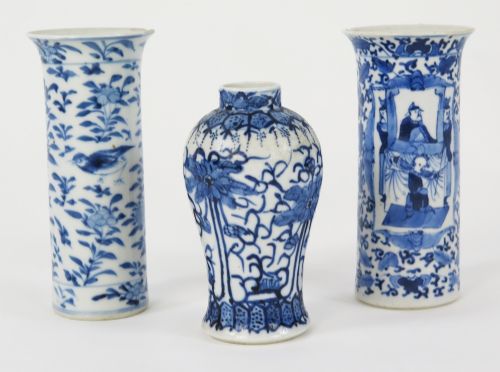
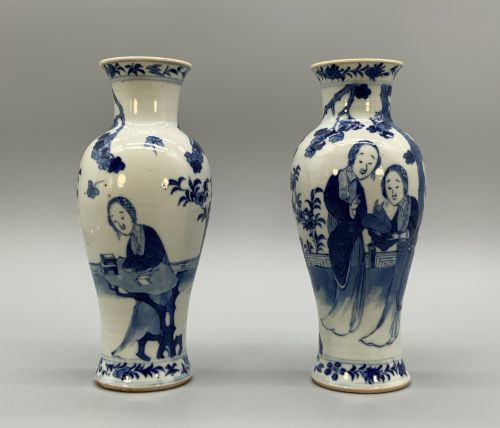
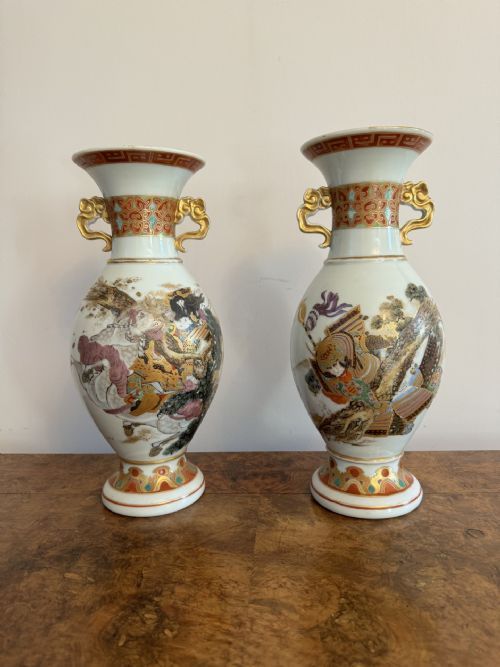
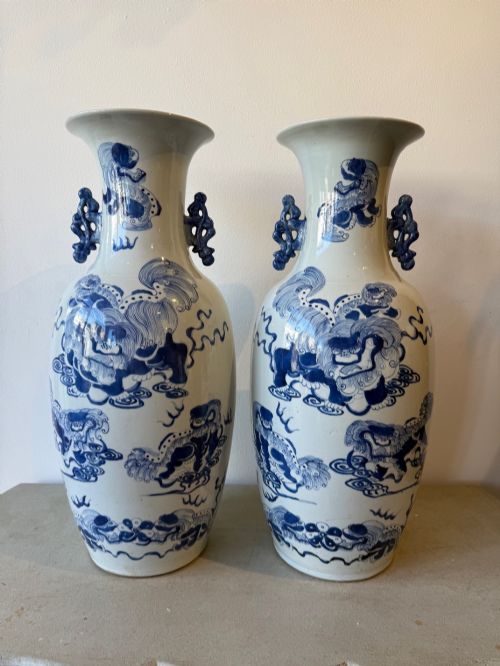
Hand painted asian vases encompass centuries of ceramic production from China and Japan, taking forms such as ginger jars, bottle vases, and monumental floor pieces. Buyers meeting these pieces on this page will most frequently encounter Japanese Satsuma and Imari wares alongside Chinese blue and white porcelain.
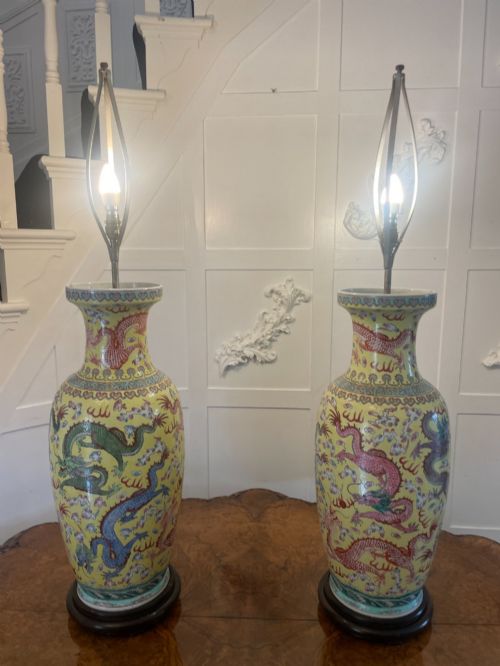
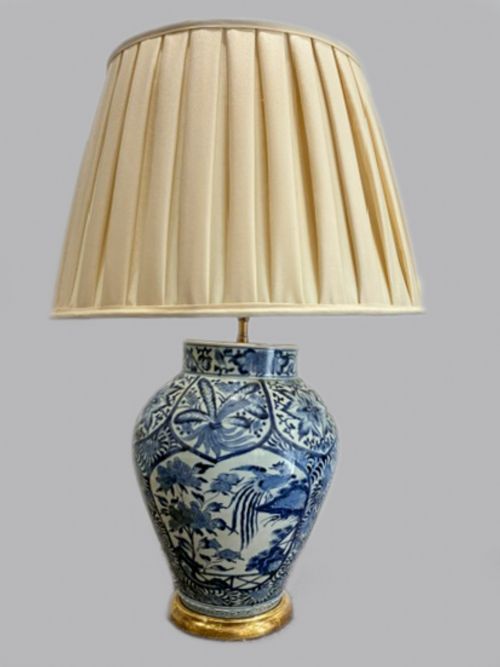
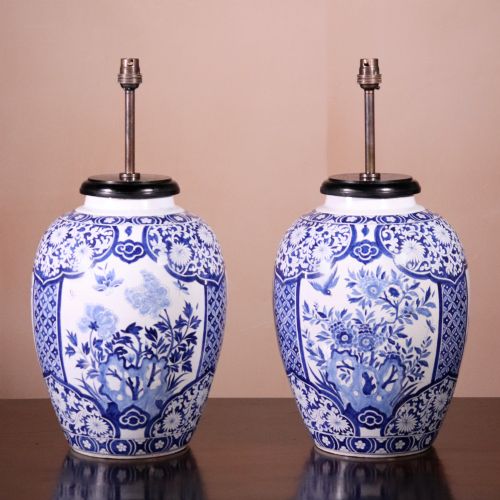
The objects span periods from the late seventeenth century through the Qing Dynasty and the Japanese Meiji period into the early twentieth century. Many vessels retain their original function as display pieces, while others arrive converted into table lamps or paired with hardwood stands.
Makers and workshops range from miniature signed Kyoto pieces to large scale export ceramics designed for international interiors. Collectors find both single cabinet items and matched pairs decorated with figures, floral reserves, and traditional landscapes.
How they were made
Potters shaped these vessels from porcelain, earthenware, and eggshell ceramic bodies before applying cobalt glaze, enamel colours, and gold leaf highlights. Many pieces combine underglaze blue painting with overglaze polychrome enamels fired in kilns to fix the intricate pigments.
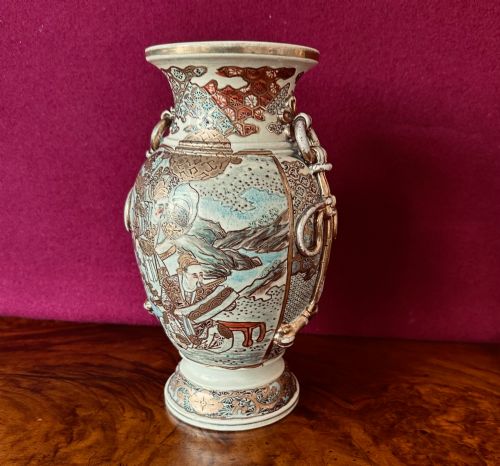
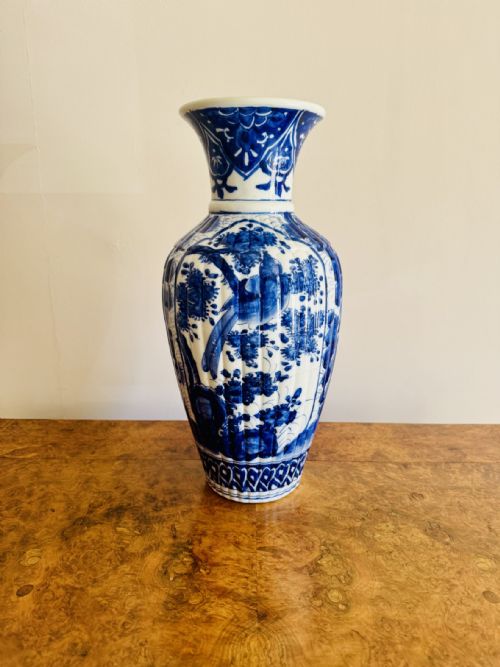
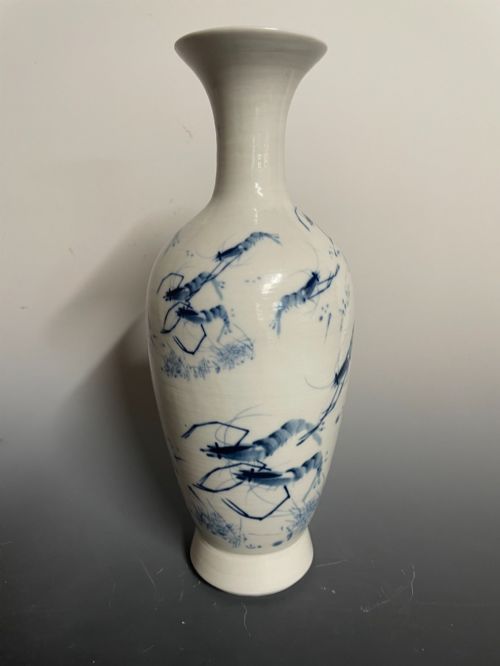
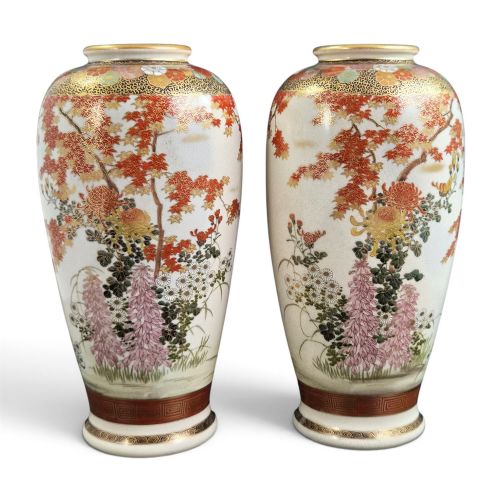
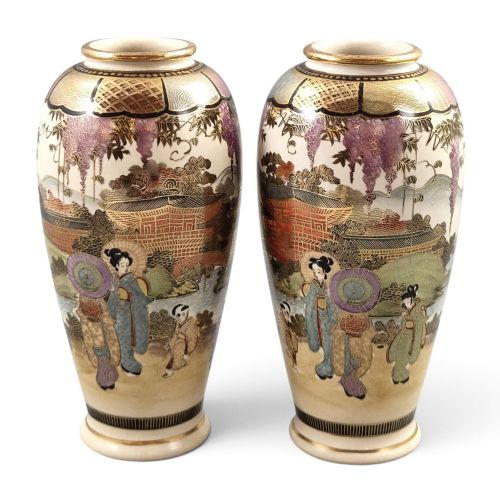
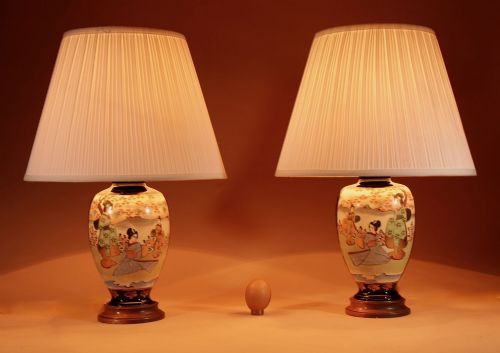
Japanese Satsuma wares utilise a distinctive crackle-glaze earthenware foundation painted with detailed figurative processions and floral motifs, often finished with raised gilt work. Chinese blue and white pieces rely on cobalt pigment beneath a clear glaze applied directly to porcelain clay.
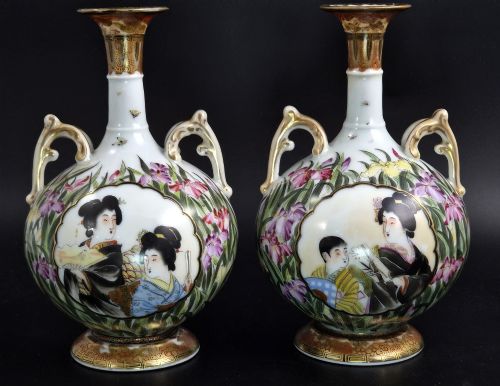
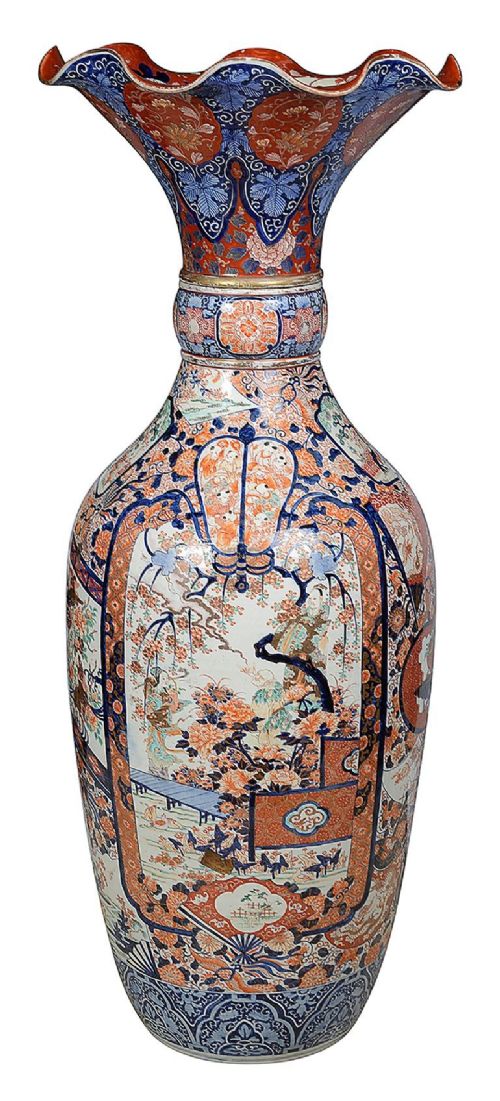
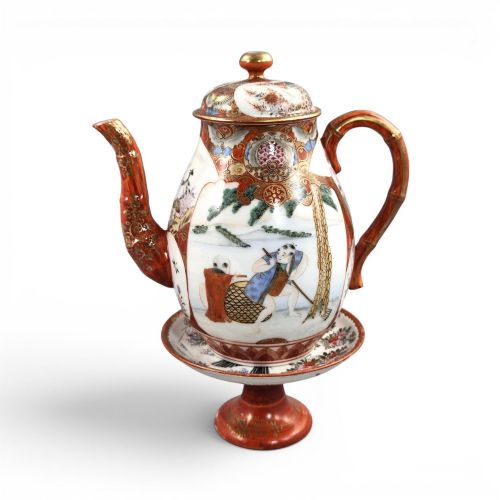
Specialised techniques include the finely controlled brushwork seen on Kutani porcelains and the rich iron-red and gilt palettes characteristic of Imari production.
Listings feature porcelain, earthenware, and enamel materials spanning the 17th Century to the 1930s.
What varies in quality
Material preparation and firing consistency dictate the purity of the porcelain body and the stability of the glaze, avoiding cloudy finishes or warped vessel walls. The presence of clear artist signatures or identifiable workshop marks, such as those from Kyoto makers, distinguishes documented studio output from anonymous factory production.
Maruni Kobe·Shozan·Hichozan Shinpo·Chosei·Hakusan
The Hand Painted Asian Vases Glossary
- Satsuma
- An earthenware ceramic style originating from Japan featuring a cream-coloured crackle glaze painted with polychrome enamels and gold leaf. These pieces frequently depict historical figures, court scenes, and dense floral gardens.
- Imari
- A traditional Japanese porcelain style characterised by a palette of underglaze blue, iron-red, and gilt highlights. Designs often incorporate brocade patterns, panels of flowers, and intricate geometric borders.
- Kutani
- Japanese porcelain known for its bold colour schemes, predominantly featuring rich greens, blues, purples, and yellows alongside gold. The tradition developed distinct regional aesthetic qualities during the Meiji period.
- Famille verte
- A Chinese porcelain palette dominated by green enamel hues supplemented by blue, yellow, and red overglaze pigments. Artisans used this style during the Qing dynasty to render detailed narrative and naturalistic scenes.
- Eggshell porcelain
- An exceptionally thin and lightweight ceramic body produced in East Asia. Because of its delicate walls, surviving examples require careful handling and display.
Hand Painted Asian Vases: Frequently Asked Questions
How do I care for antique ceramic vases?
Display these vessels away from direct sunlight to preserve the stability of overglaze enamels and gold leaf details. Clean them only with a dry, soft feather duster.
Avoid using water or chemical cleaners, particularly on earthenware and crackle-glaze Satsuma pieces, as moisture can penetrate the porous body.
Are lamp conversions period alterations?
Many vases from the seventeenth to the nineteenth centuries were converted into table lamps during the Victorian and Edwardian eras. These adaptations often involved drilling the base or mounting the vessel with brass hardware.
While purists prefer untouched pieces, lamp conversions represent a long history of domestic interior use and appreciation for Asian ceramics.
How can I date a Meiji period vase?
The Meiji period spans from 1868 to 1912, aligning with the reign of the Japanese emperor of that name. Vases from this era often bear studio signatures, registration marks, or specific workshop stamps.
Stylistic shifts during these decades moved from traditional restrained motifs towards busier, highly decorative export styles intended for Western markets.