

Hand Knotted Persia Carpet
A hand knotted persia carpet brings enduring textile artistry and rich regional character directly into a room.
Hand Knotted Persia Carpet
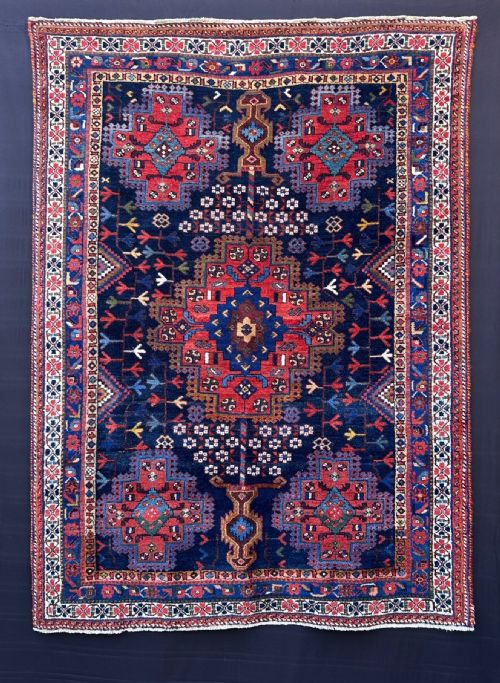
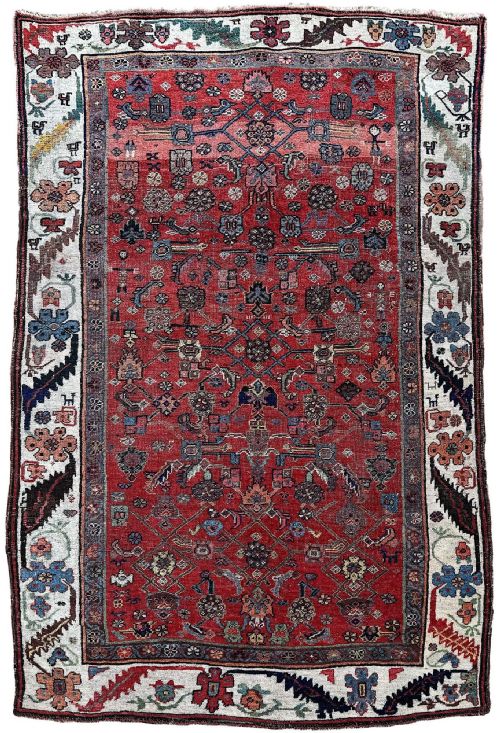
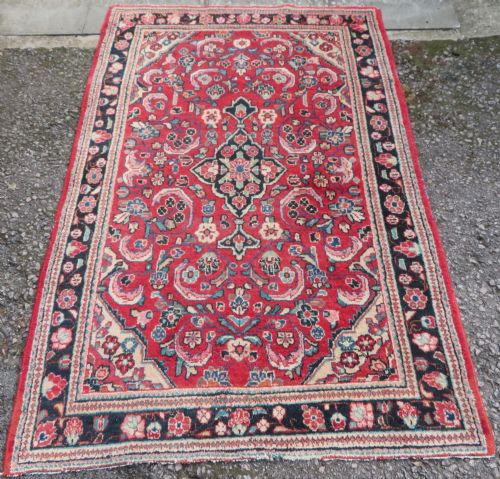
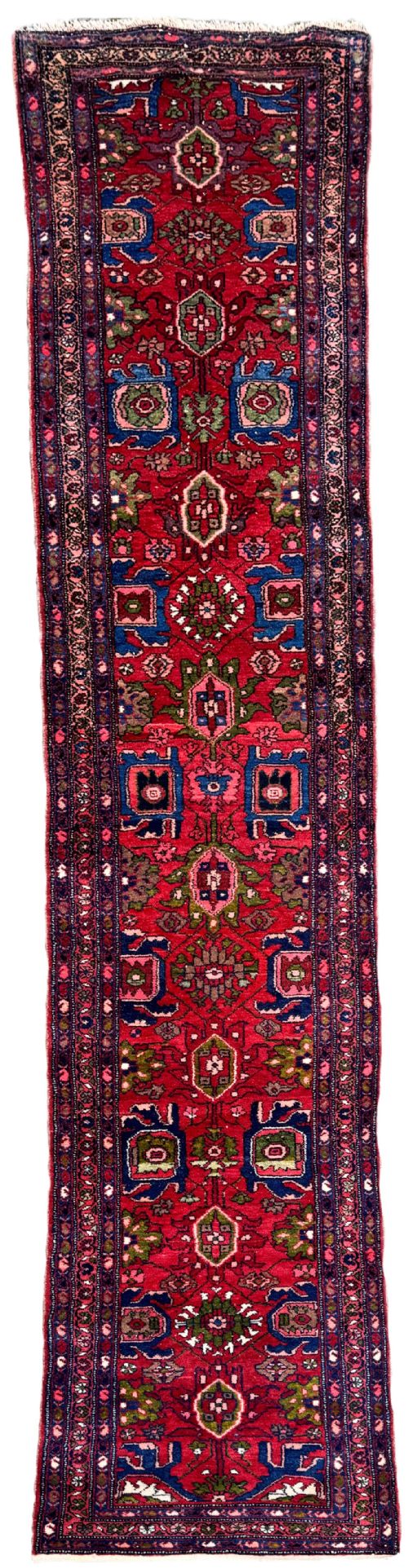
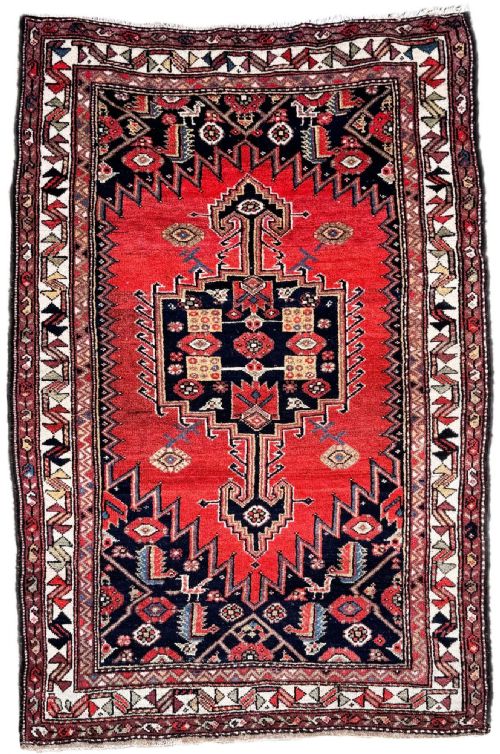
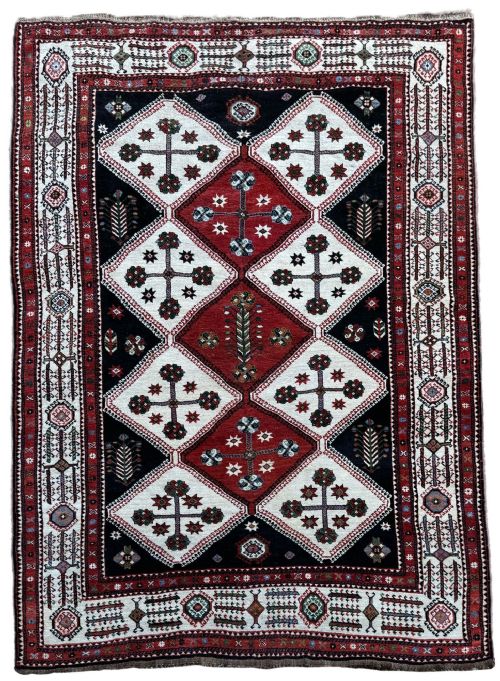
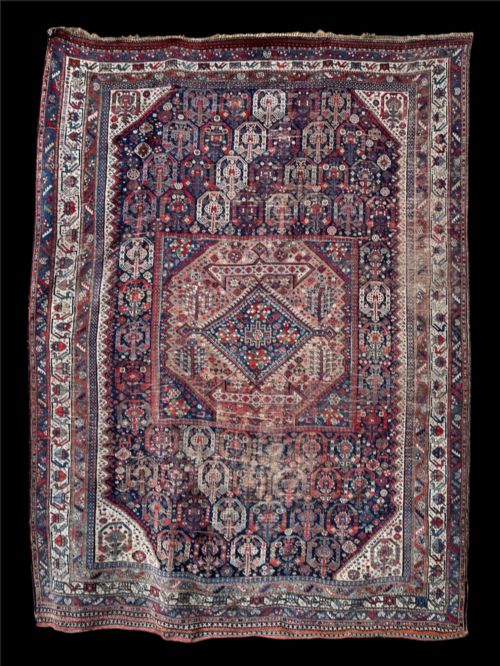
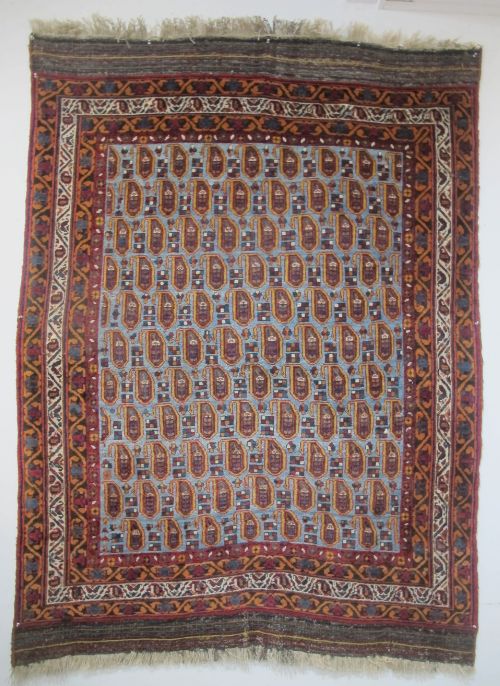
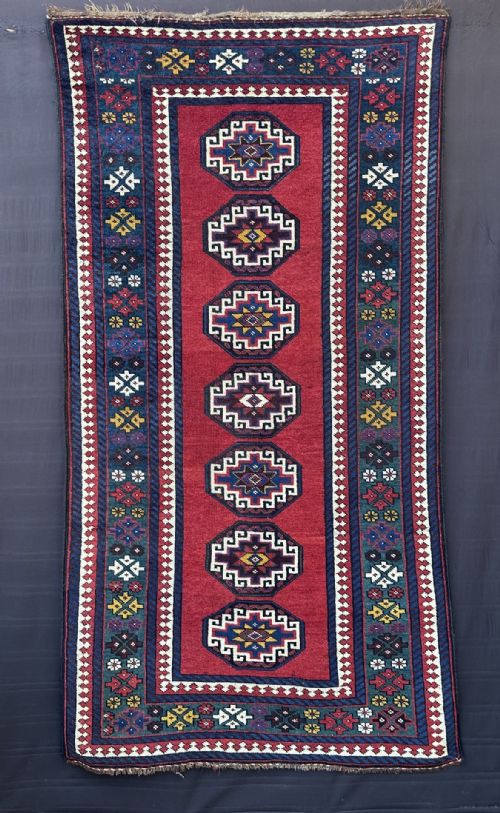
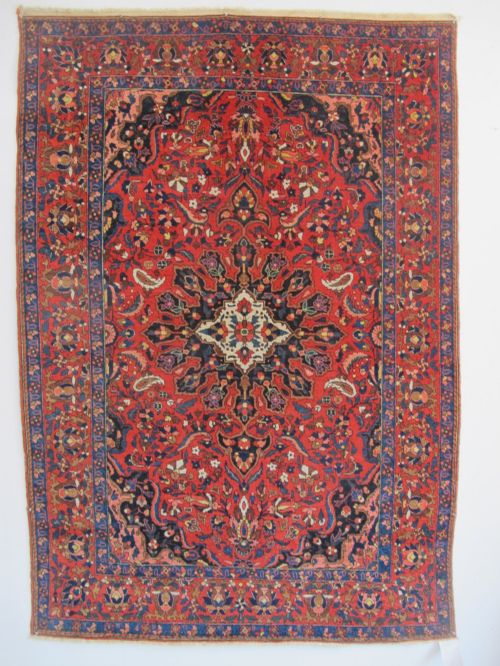
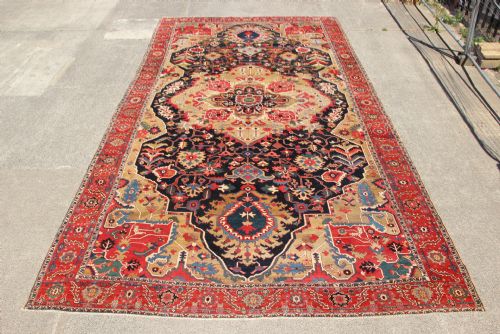
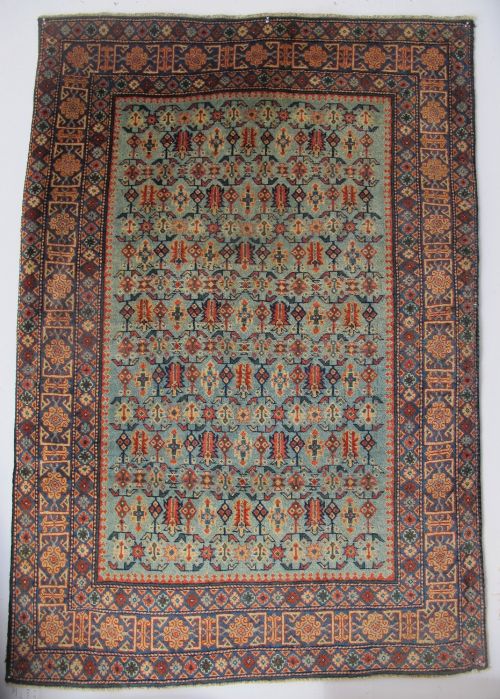
A hand knotted persia carpet represents centuries of traditional weaving artistry originating from various regions and nomadic confederacies across the country. Buyers seeking this phrase encounter diverse formats ranging from large country house carpets to long hallway runners and smaller tribal rugs.
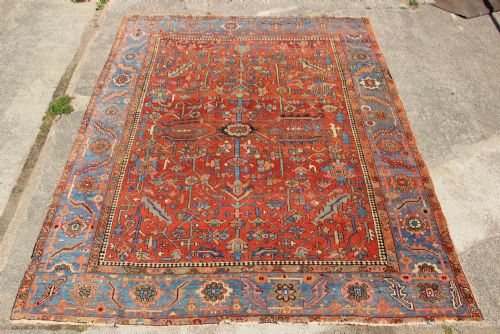
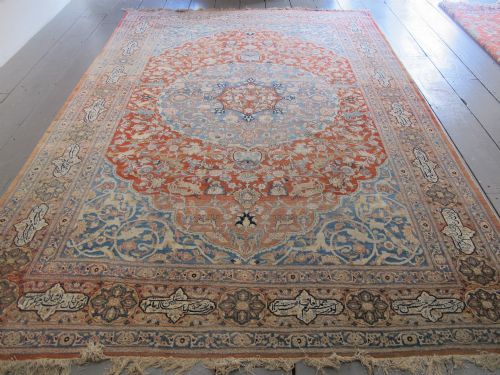
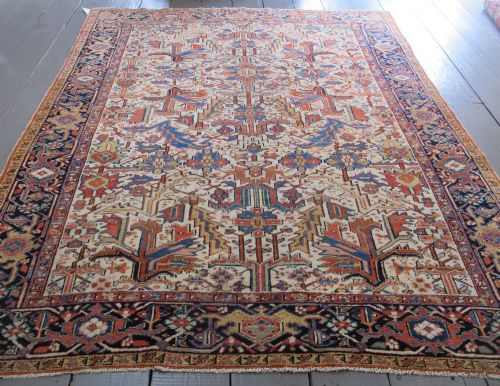
The selection includes specific regional styles such as Heriz, Tabriz, Bakhtiari, and Afshar, spanning production dates from the nineteenth century into the early twentieth century. These textiles served both practical flooring and decorative purposes within village, town, and tribal settings.
How they were made
Weavers constructed each hand knotted persia carpet using durable foundations of cotton or wool, onto which individual knots were tied by hand. Natural dyes provided the deep chromatic palette seen across the wool and silk pile elements.
The density and tightness of the knotting varied depending on whether the piece originated from a city workshop or a village loom. Artisans utilised local materials specific to provinces like Kerman, Fars, or Sultanabad to build these robust floor coverings.
Listings feature pieces spanning the nineteenth century and early decades of the twentieth century, utilising wool, cotton, silk, and natural dyes.
What varies in quality
The quality of a piece depends heavily on the precision of the knotting and the fineness of the materials selected for the pile and foundation. Master workshops in centres like Tabriz achieved high detail and refined structures, whereas village and tribal pieces often display bolder, more rustic geometric designs.
Condition and wear also separate examples, as age brings natural patination to the wool and natural dyes. The harmony of the colour palette and the integrity of the original borders further distinguish finer examples from standard village production.
Haji Jalili·Benlian·Ahmadi·Ziegler
The Hand Knotted Persia Carpet Glossary
- Pile
- The upright yarn loops forming the soft surface of the carpet. This is clipped evenly after knotting to reveal the design.
- Warp
- The strong vertical threads stretched tightly on the loom before knotting begins. The fringe of the carpet is usually a continuation of these threads.
- Weft
- The horizontal threads passed back and forth between the warp threads to lock the rows of knots in place. It adds structural firmness to the textile body.
- Natural Dyes
- Colourants derived from plants, insects, and minerals used historically before synthetic alternatives became widespread. They produce rich, complex tones that age gracefully.
- Prayer Rug
- A smaller format featuring a specific architectural niche design, historically used for individual devotion. The arch motif points toward Mecca during use.
Hand Knotted Persia Carpet: Frequently Asked Questions
How do I identify different regional styles?
Regional styles are distinguished by their specific colour palettes, medallion structures, and characteristic geometric or floral motifs. Pieces from Heriz often feature bold geometric central medallions, while Tabriz carpets tend toward intricate curvilinear floral compositions.
Nomadic and village groups such as the Afshar or Bakhtiari typically incorporate tribal symbols, repeating garden panels, or simpler repeating patterns unique to their specific provinces.
Are these carpets suitable for heavy foot traffic?
These historical textiles were built using sturdy wool pile anchored to dense cotton or wool foundations designed for daily domestic use. Many examples spent generations on floors and remain robust enough for modern living spaces.
Placing a quality underlay beneath the carpet helps cushion the foundation fibres and reduces friction against hard flooring surfaces.
How should I clean and maintain an antique carpet?
Regular gentle vacuuming without a rotating brush roll prevents dust and grit from settling deep into the wool pile. Professional cleaning by a specialist familiar with historical textiles is recommended periodically.
Avoiding prolonged exposure to direct sunlight helps protect the natural dyes from fading unevenly over time.
What is the difference between a runner and a main carpet?
Runners are narrow, elongated formats specifically produced to fit hallways, corridors, and staircases. Their proportions focus the eye along linear paths within architectural spaces.
Main carpets offer much larger rectangular dimensions suited for anchoring substantial furniture arrangements in principal living rooms or dining areas.