






Hand Knotted Kazak Rug
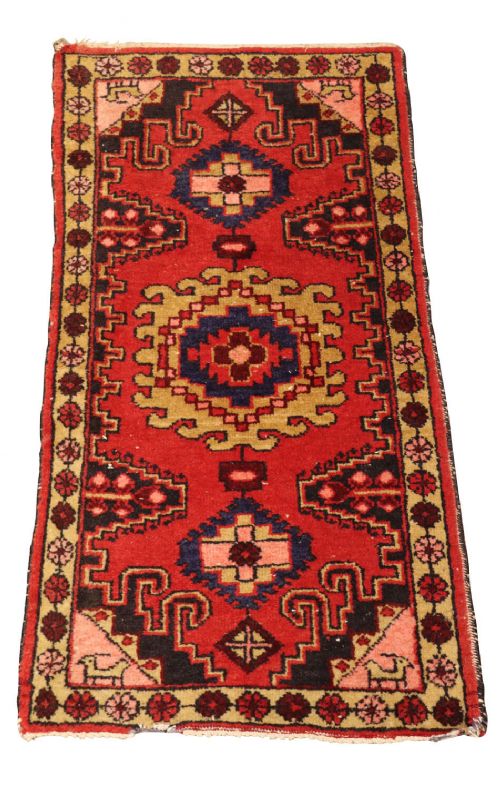
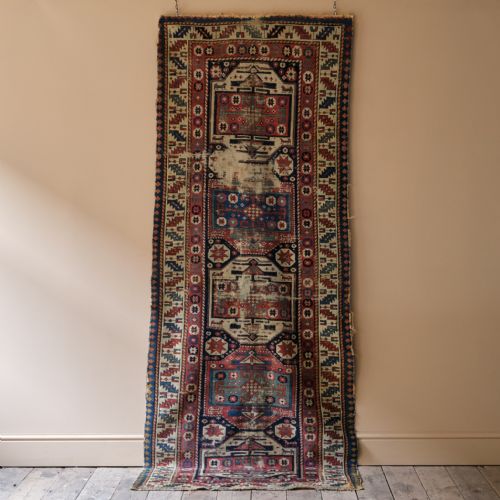
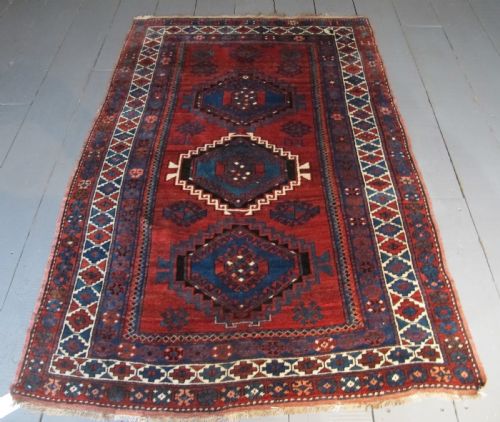
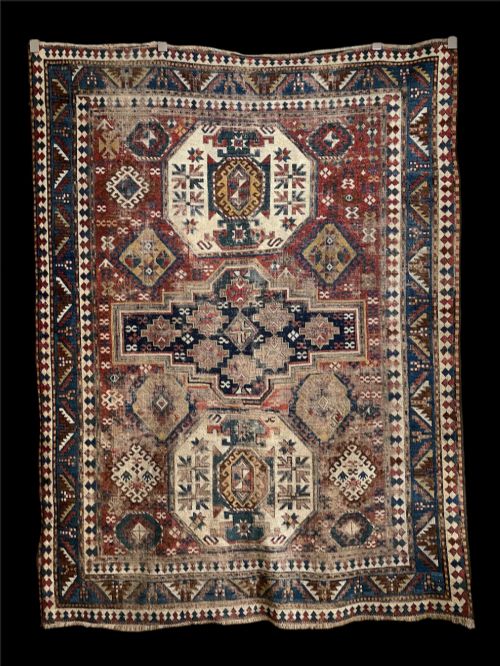
These hand knotted kazak rug examples bring bold geometric medallions and saturated natural dyes straight from the nineteenth-century Caucasus into modern rooms.
Hand Knotted Kazak Rug
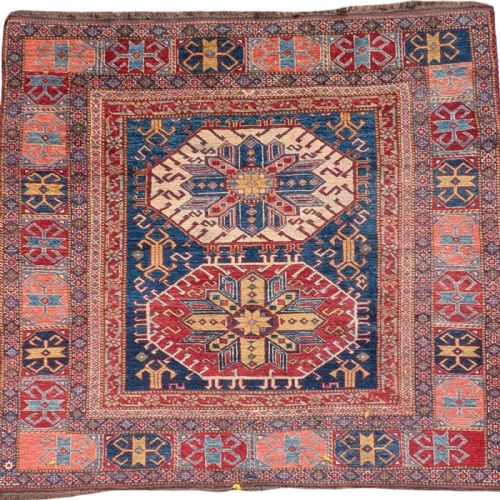
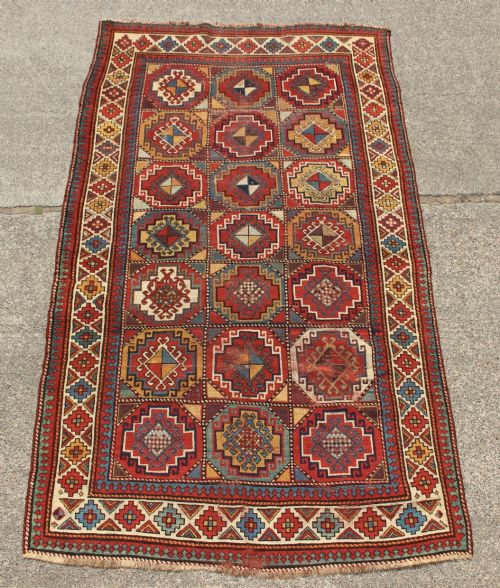
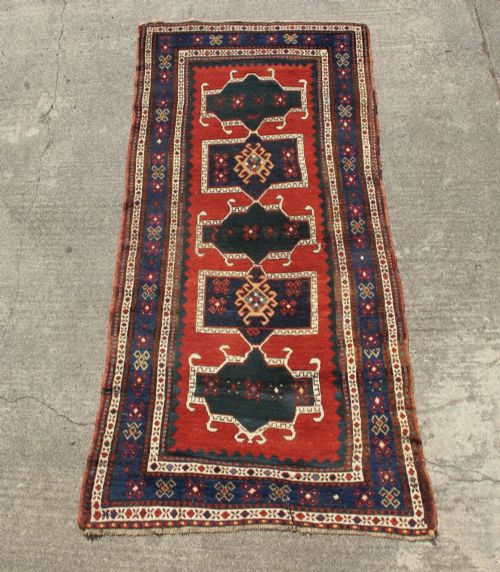
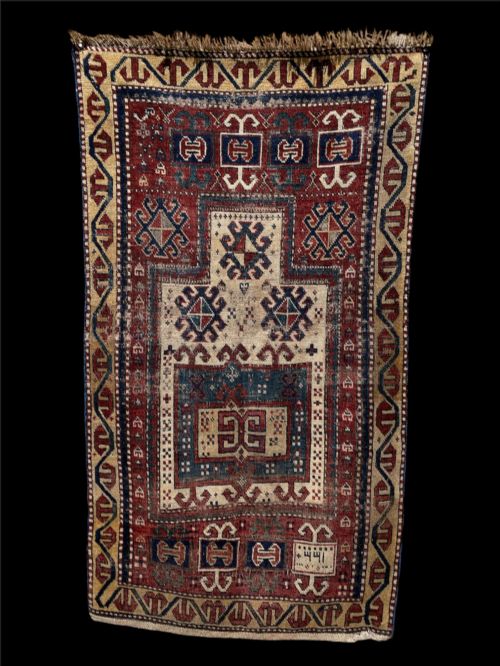
A hand knotted kazak rug originates from the Caucasus region, produced across the nineteenth and early twentieth centuries by tribal weavers using traditional geometric layouts. The most common varieties encountered here include Fachralo, Borchalu, Moghan, Karachov, and Gendje types, frequently displaying prayer niches, animal motifs, or hooked medallions.
Formats range from square prayer rugs and compact area sizes to elongated runners. These floor coverings function equally well as wall hangings or statement pieces in contemporary interiors due to their robust structure and striking visual presence.
How they were made
Weavers constructed each piece using hand-spun wool for the pile, combined with cotton foundations in many examples. The materials were tied by hand to create dense, durable surfaces capable of withstanding generations of daily use.
Colour palettes rely on natural dyes derived from plants and minerals, yielding rich tones that mellow gracefully over decades. Hand-spinning leaves slight irregularities in the yarn thickness, which contributes to the characteristic texture of the weave.
The listings span from the 1850s through the 1930s, showcasing wool, cotton, and natural dyes across Caucasian tribal traditions.
What varies in quality
Quality depends heavily on the crispness of the geometric drawing and the saturation of the natural dyes. Finely executed pieces show precise symmetry in their medallions and distinct, saturated secondary colours that hold their vibrancy across the field.
The integrity of the wool pile and the survival of the original outer borders also define the better specimens. Surviving examples with minimal restoration and intact selvedges represent the upper tier of tribal output.
The Hand Knotted Kazak Rug Glossary
- Medallion
- A central ornamental motif set within the field of the rug. These geometric shapes often take star, octagonal, or hooked forms.
- Prayer rug
- A format featuring a specific architectural arch or mihrab design at one end. Historically utilised for individual devotional use.
- Boteh
- A stylised almond or pear-shaped motif representing a floral shoot or cypress tree. This pattern appears frequently in regional runner designs.
- Selvedge
- The tightly bound finishing threads along the lengthwise edges of the rug. Original borders protect the structural foundation from fraying.
- Natural dye
- Colourants sourced from organic materials such as madder root and indigo. These agents produce deep, complex hues that develop a soft patina over time.
Hand Knotted Kazak Rug: Frequently Asked Questions
Where were these rugs made?
These pieces were produced in the Caucasus region, encompassing areas that bridge Europe and Asia. Tribal weavers working in specific valleys and towns created distinct local variations.
Names such as Fachralo, Karachov, and Gendje often denote the specific sub-region or village tradition where the weaving took place.
How do I care for a vintage rug?
Regular gentle vacuuming without a rotating brush roll helps remove grit from the wool pile. Professional cleaning suited for antique textiles preserves the natural dyes and fibres.
Keeping the rug out of direct, harsh sunlight prevents the vegetable colours from fading unevenly over the years.
Are these rugs suitable for high-traffic areas?
The dense hand-spun wool construction makes these floor coverings remarkably resilient against regular foot traffic. Many examples have survived for well over a century while retaining their structural integrity.
Using a quality rug underlay provides additional cushioning and prevents slipping on hard floors.
How do I identify different regional types?
Regional styles are distinguished by specific colour combinations and primary geometric motifs. Karachov types typically feature large central square medallions, while Gendje pieces often display repeated diagonal rows.
Border designs and the presence of animal or plant symbols also offer clear clues to a rug's specific origin.