




Hand Coloured Painting
These hand coloured painting examples span centuries of decorative and fine art, bringing vibrant pigment and domestic utility together.
Hand Coloured Painting
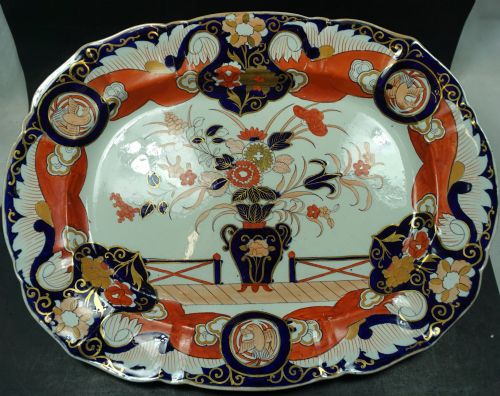
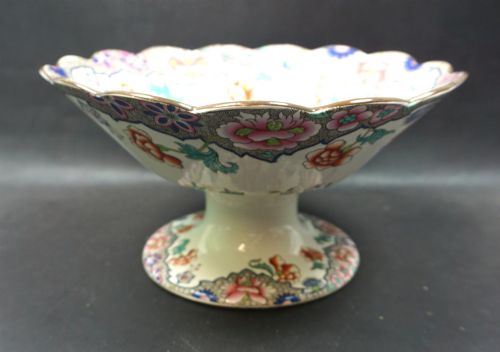
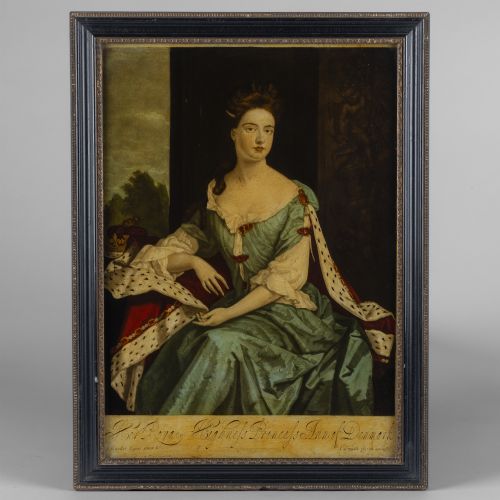
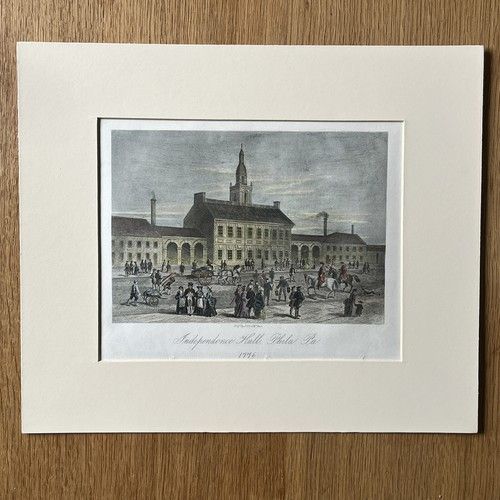
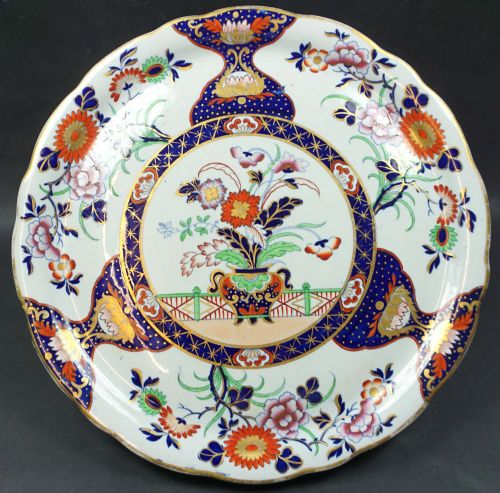
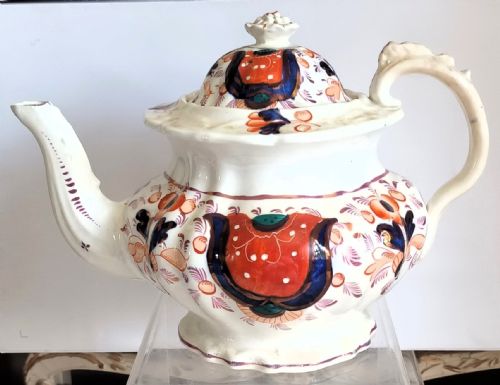
A hand coloured painting unites printed or drawn foundations with applied pigments, spanning forms from framed portrait miniatures and botanical engravings to decorated ceramic cheese dishes and tea sets.
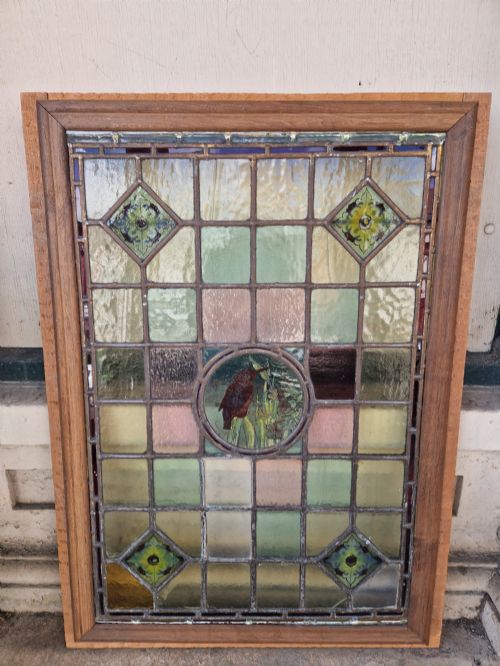
Buyers encountering this search phrase will frequently find leaded glass windows and panels featuring hand painted countryside, floral, or castle scenes alongside framed crystoleum pictures and watercolours.
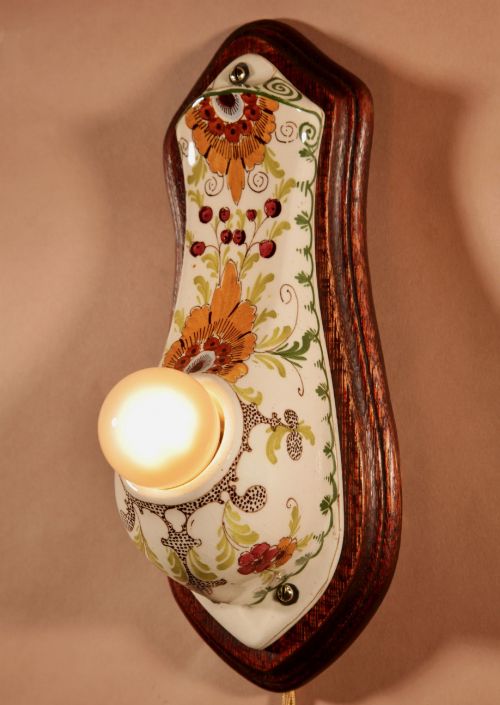
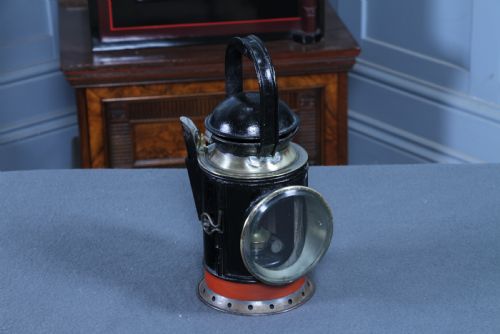
The selection ranges across Victorian, Regency, Georgian, and 18th century periods, incorporating Dutch Delft, German watercolours, and English japanned furnishings alongside railway lanterns and stained glass.
Materials and technique
Makers utilised paper, glass, ceramic, enamel, brass, and lead, combining structural elements like ash wood or heavy lead cames with delicate watercolours, glazes, and mixed media.
Windows and panels employ leaded glass housing hand painted scenes with amber bullseyes, while ceramics such as Delftware jugs and cheese dishes rely on fired glazes and applied pigments.
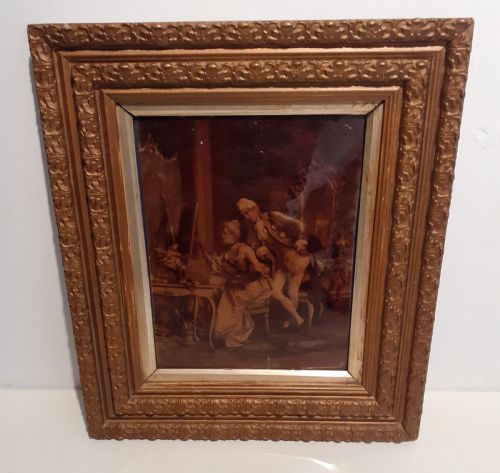
Crystoleums involve convex glass paintings meticulously hand coloured and layered behind curved glass frames to create depth, whereas botanical engravings apply pigment directly over printed lines.
Hand Coloured Painting Retail Price Guide 2026
Typical asking prices for hand coloured painting among the pieces listed under this phrase on Sellingantiques today, from the lower quarter to the upper quarter. They describe what is for sale here now, not the wider market.
Listings span from the 18th century through the Regency, Victorian, and Edwardian periods, utilising paper, glass, ceramic, and lead.
Assessing quality
Quality rests upon the precision of the brushwork and the harmony of the applied pigments against the base material, whether on delicate paper portrait miniatures or robust ceramic tea vessels.
In architectural pieces like leaded glass windows, excellence shows in the crispness of the hand painted landscape details and the integrity of the surrounding lead cames.
For framed pictures and crystoleums, the sophistication of the layering and the preservation of the underlying mezzotint or engraving determine the visual depth of the piece.
Hicks and Meigh·K and K Hof Atelier Pietzner·Pancrace Bessa·Meissen
The Hand Coloured Painting Glossary
- Crystoleum
- A Victorian method of applying a coloured photograph or print face-down to glass, thinning the paper, and painting the reverse by hand before sealing.
- Lead Came
- A slender rod of cast lead with an H-shaped profile used to join individual pieces of glass in stained and leaded windows.
- Engraving
- A printmaking technique where an image is incised into a metal plate, providing the linear foundation often enhanced by subsequent pigment application.
- Delftware
- Tin-glazed earthenware produced in England and the Netherlands, featuring opaque white surfaces painted with decorative pigments.
- Mezzotint
- A printmaking process of the intaglio family where tones are created by roughhening the plate, frequently utilised for portraits and framed wall art.
Hand Coloured Painting: Frequently Asked Questions
What is a crystoleum?
A crystoleum is a Victorian picture created by placing a print face down onto glass, removing the paper backing, and painting the reverse by hand with delicate pigments.
This technique produced a layered, three-dimensional effect that was subsequently housed in an ornate gilt frame for domestic display.
How were stained glass windows made?
Stained and leaded glass windows were constructed by joining individual pieces of coloured or clear glass with flexible lead cames.
Artists then applied enamel paints directly to the glass surface, firing the panels in a kiln to permanently bond the hand painted countryside, floral, or castle scenes.
Where were these pieces displayed?
These works appeared across various domestic and utilitarian settings, from framed portrait miniatures and botanical engravings hung in private parlours to ceramic cheese dishes used at the dining table.
Stained glass panels served as architectural dividers or window inserts, while railway lanterns fulfilled specific industrial transport duties.
How do I date an antique painting?
Dating relies on identifying the underlying material, such as 18th century English Delftware, Regency portrait miniatures, or Victorian leaded glass windows.
Examining framing styles, pigment types, and maker signatures helps narrow the period of origin between the Georgian era and the early twentieth century.