



Hand Carved Timber Chair
A hand carved timber chair is a seating piece shaped entirely by hand, offering distinctive regional character and tactile depth that collectors prize.
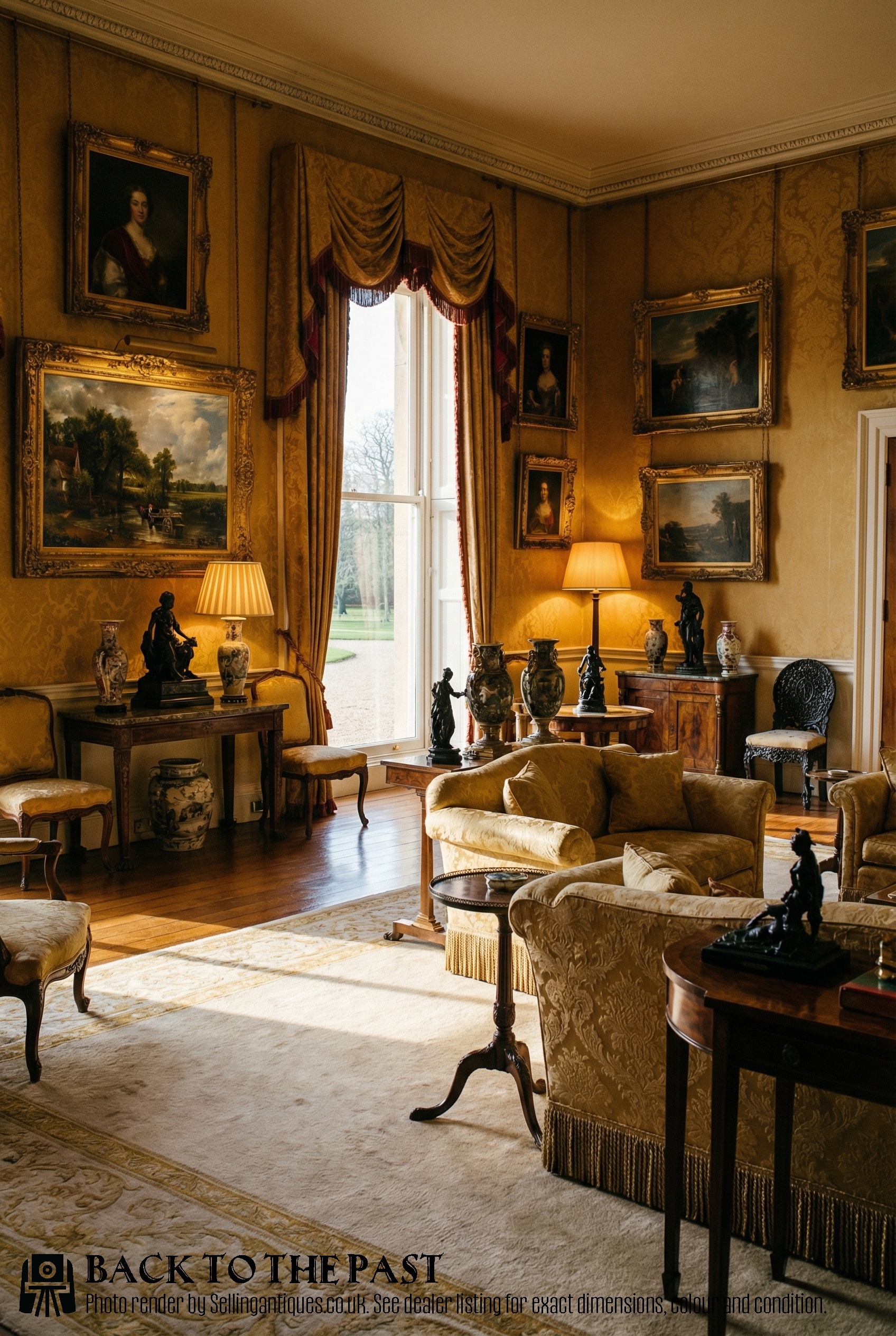
Hand Carved Timber Chair
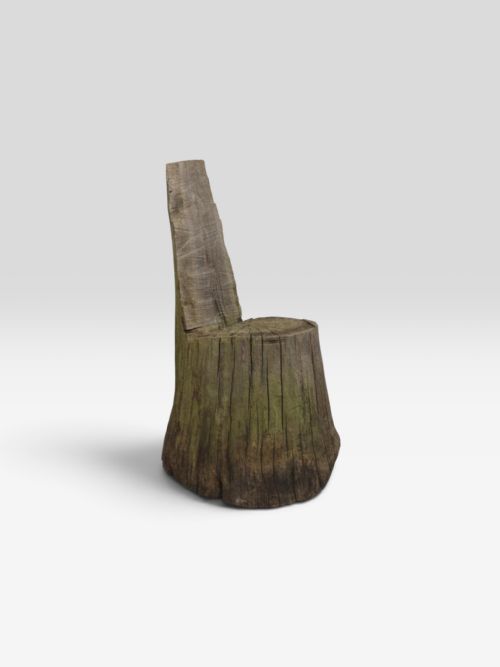
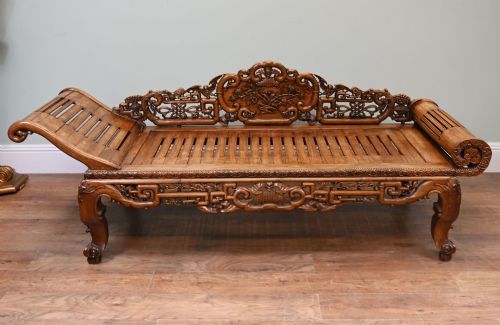
When you search for a hand carved timber chair, you encounter a diverse range of forms spanning centuries of woodworking tradition. The selection encompasses functional seating transformed through sculptural detail, from formal hall chairs to rustic vernacular seats.
You are most likely to meet pieces originating from the nineteenth century alongside earlier revival examples and twentieth-century regional works. The physical forms vary widely, including armchairs, side chairs, and specialised accent seating.
Geographic origins and stylistic influences stretch across British, European, Asian, and American traditions. Makers applied distinct regional motifs, resulting in seating that functions equally as sculpture and as practical furniture.
How they were made
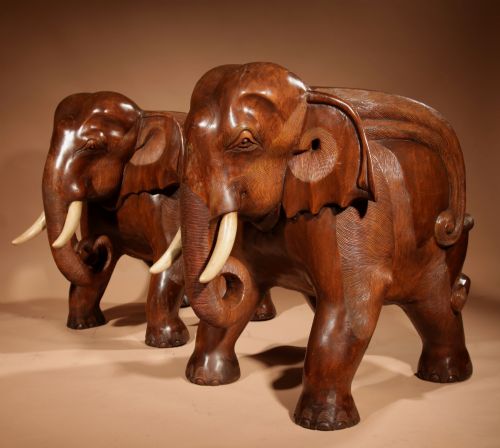
Makers utilised solid timbers such as oak, elm, padouk wood, and assorted hardwoods to construct these pieces. Hand chisels and gouges shaped the raw material directly into three-dimensional forms and decorative panels.
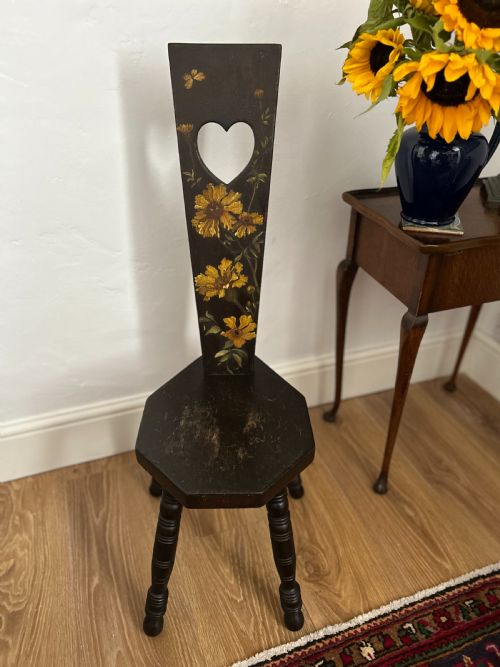
Surface treatments range from natural waxed timber to hand-painted finishes and integrated bone inlays. Construction techniques rely on traditional joinery suited to the specific density of the chosen wood.
Carved bears and elephants occasionally stand in for standard chair legs, holding up the sitter with permanent sculptural resolve.
What varies in quality
Depth of execution separates standard regional work from exceptional sculptural carving. The control of the chisel determines whether foliage, animals, or heraldic motifs possess true vitality or remain stiff.
The choice of material dictates the longevity and visual richness of the surface. Dense exotic hardwoods and well-figured native timbers retain crisper detail than softer woods subject to wear.
The Hand Carved Timber Chair Glossary
- Vernacular
- Everyday furniture made by regional artisans rather than urban workshops. These pieces reflect local materials and immediate functional needs.
- Padouk
- A dense tropical hardwood known for its deep reddish colour and stability. It allows for exceptionally crisp detail in carved ornament.
- Apprentice piece
- A small-scale or highly detailed item created to demonstrate technical mastery to a trade guild. They show exceptional ambition in miniature form.
- Hall chair
- A rigid timber seat placed in an entrance hall, usually featuring a carved back panel displaying family crests or decorative motifs.
Hand Carved Timber Chair: Frequently Asked Questions
How do I date a timber chair?
Dating relies on identifying tool marks, construction methods, and stylistic cues specific to periods like the eighteenth or nineteenth century. Tool marks left by hand chisels differ substantially from later machine-sawn edges.
Material choice and joinery also indicate age, as does the wear pattern on the timber surface accumulated over decades of use.
Where were these chairs used?
These chairs served various domestic and civic roles, from formal entrance halls to domestic hearths and reading spaces. Regional varieties often fulfilled specific local tasks, such as low spinning seats.
Grand sculptural pieces functioned as display items or conversation starters within reception rooms, reflecting the status and taste of the owner.
Are these chairs comfortable?
Comfort depends entirely on the specific form and intended function of the chair. Rigid hall chairs and upright rustic seats prioritise posture and decorative presence over cushioning.
Armchairs and upholstered variants offer greater physical ease, though sculptural wood forms often demand an appreciation of line and history alongside seating utility.
How do I care for carved wood?
Maintain carved timber by keeping pieces away from direct heat sources and sudden temperature fluctuations that cause wood to split. Regular dusting with a soft, dry cloth preserves the carved details.
Apply a microcrystalline wax sparingly when the timber appears dry, buffing gently to maintain a natural lustre without building up heavy residues in the recesses.