



Hand Carved Oak Seating
Hand carved oak seating brings solid timber and centuries of craftsmanship straight into a room, offering sturdy furniture built to endure.
Hand Carved Oak Seating
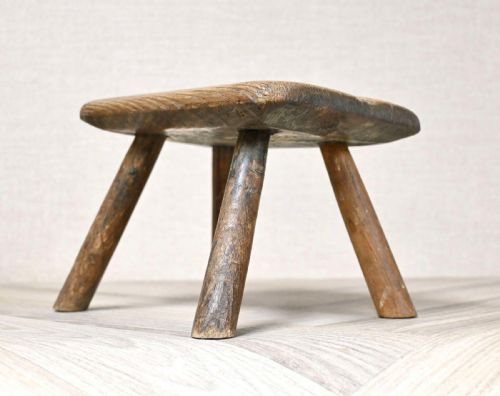
When you search for hand carved oak seating, you encounter a robust selection of wooden furniture spanning multiple eras and design movements. Stools, side chairs, armchairs, and settle benches dominate this category, reflecting traditional woodworking methods from the eighteenth century onwards.
The pieces available include rustic folk art creations, Victorian walnut settle benches, and Arts and Crafts stools from the early twentieth century. Solid timber and hardwood construction underpin these forms, ensuring each seat retains structural integrity alongside decorative carved details.
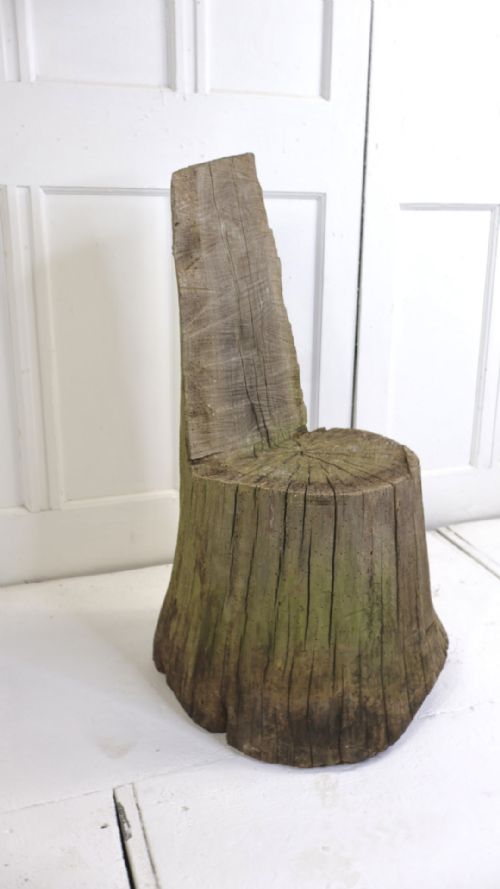
Vernacular pieces and primitive country designs sit alongside more ornate American eagle armchairs and Black Forest animal carvings. This mix provides buyers with functional seating that doubles as sculptural woodwork, suitable for both everyday use and decorative display.
Materials and construction
Makers utilised solid oak, hardwood, and general timber as the primary structural materials for these chairs, stools, and benches. Carpenters shaped the heavy wood using traditional hand tools, allowing the natural grain of the oak to show beneath carved surfaces.
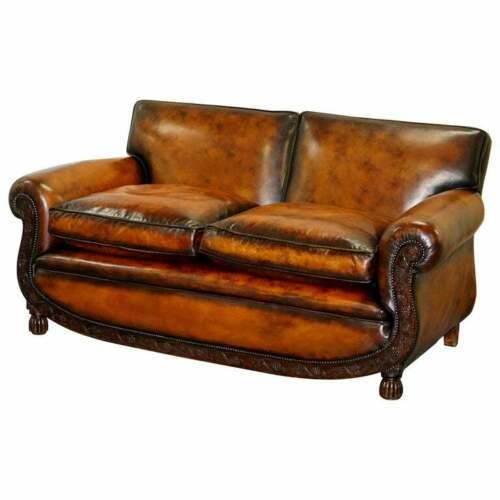
Specific pieces incorporate contrasting elements such as fabric upholstery, hand-dyed aged brown leather, and even bark details on tree seats. Carving was executed directly into the solid wood blocks, producing floral motifs, animal figures, and geometric patterns.
The inventory encompasses rustic folk art, primitive country forms, and English Craftsman styles alongside Victorian seating.
Assessing quality and craftsmanship
The depth and precision of the hand carving distinguish standard vernacular items from exceptional workshop pieces. Crisp relief work on oak surfaces indicates skilled hand tool manipulation rather than mechanical production.
Material selection and structural joinery define the longevity of each chair or bench. Solid oak frameworks combined with high-grade secondary materials like hand-dyed leather elevate the overall standard of the seating.
Hampton & Son's·David Oakleafman Langstaff
The Hand Carved Oak Seating Glossary
- Settle bench
- A high-backed wooden bench with solid arms and a closed base designed to keep out drafts in older homes. These often feature hinged seats revealing storage space beneath.
- Arts and Crafts
- A design movement spanning the late nineteenth and early twentieth centuries that emphasised handcrafting, vernacular traditions, and visible construction. Pieces from this era reject industrial uniformity in favour of honest material use.
- Primitive country
- A style of furniture produced by local tradespeople using basic tools and readily available regional timber. These objects prioritise utility and direct construction over refined academic styles.
- Black Forest carving
- Highly detailed woodworking originating from central Europe, typically featuring realistic animal forms and foliage. Bears and woodland creatures frequently form the structural supports for chairs and hall stands.
Hand Carved Oak Seating: Frequently Asked Questions
What is a settle bench?
A settle bench is a high-backed wooden seat designed originally to block cold drafts in historic domestic interiors. They typically incorporate solid wooden panels and enclosed lower sections.
These benches offer practical seating alongside historic character, making them suitable for hallways or large living spaces.
How do I care for antique oak seating?
Antique oak furniture requires stable indoor humidity levels and protection from direct sunlight to prevent timber splitting. Regular dusting with a dry cloth keeps the surface clean without damaging the wood.
Applying a traditional beeswax polish occasionally helps nourish the oak and preserves the natural finish of the carved details.
Are these chairs comfortable for daily use?
Comfort varies significantly depending on the specific form, ranging from solid wooden stools to upholstered leather sofas. Pieces featuring padded seats or leather squabs offer softer support for extended sitting.
Earlier vernacular chairs and hard wooden benches were built primarily for upright posture and durability rather than lounging.
How can I tell the period of a wooden chair?
Dating relies on examining the tool marks, construction joints, timber selection, and stylistic decorative motifs. Pieces from the eighteenth century often display hand-adzed surfaces and pegged joinery.
Later Victorian and Edwardian examples incorporate machine assistance alongside hand carving, reflecting the manufacturing techniques of their respective decades.