
Hand Carved Folk Art
Hand carved folk art brings together vernacular objects and animal sculptures shaped by regional makers across the eighteenth, nineteenth and twentieth centuries.
Hand Carved Folk Art
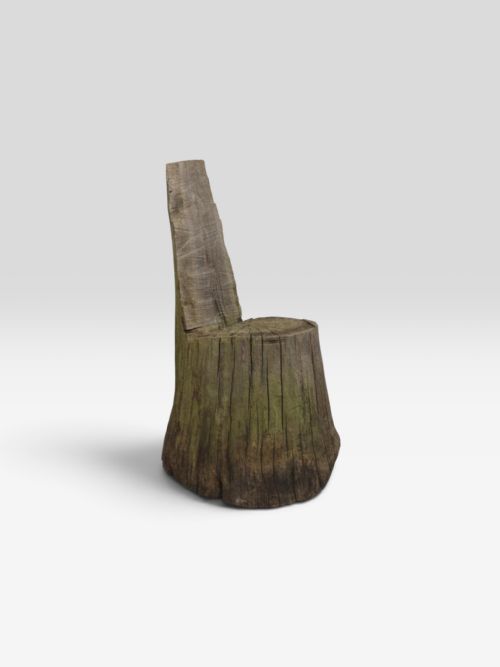
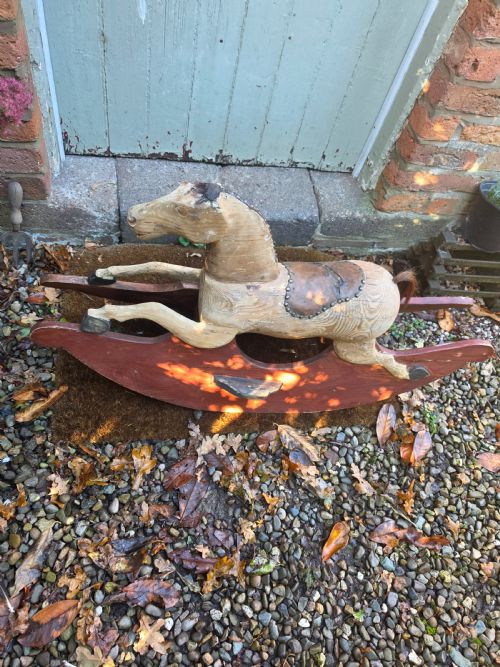
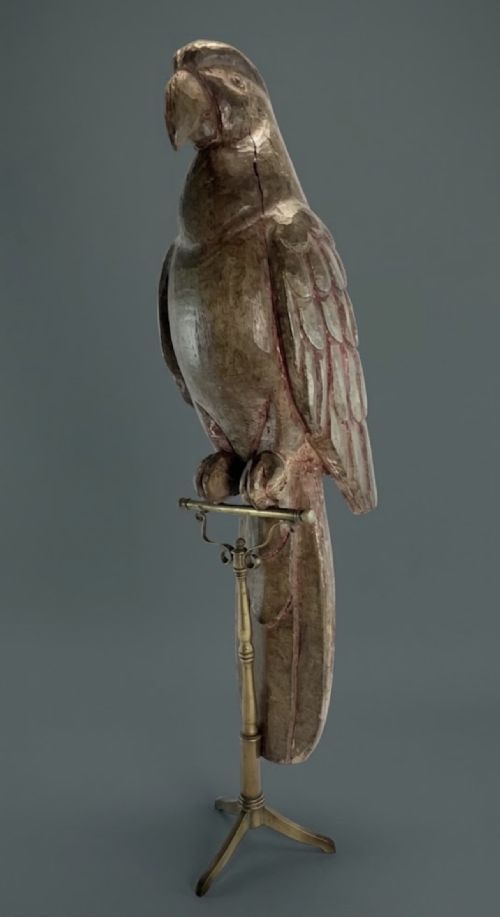
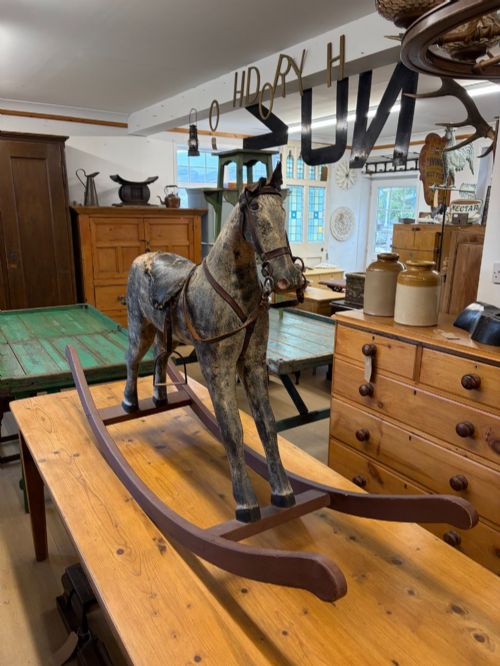
When searching for hand carved folk art, buyers encounter a diverse selection of vernacular objects and utilitarian items transformed by individual carvers. The inventory spans decorative sculptures, bird decoys, treen knitting sheaths, and painted wooden horses originating from British, Scandinavian, Japanese, and continental European workshops.
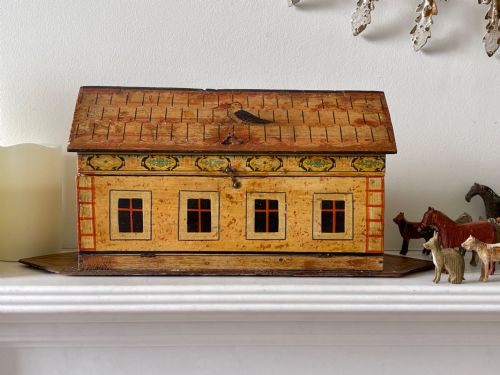
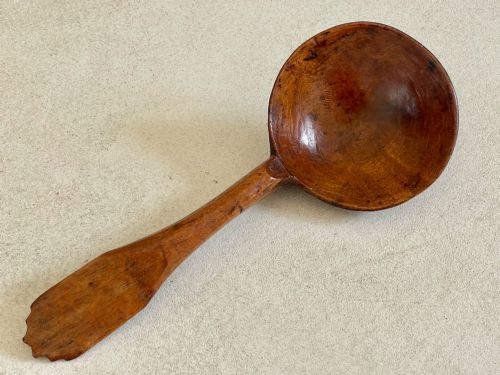
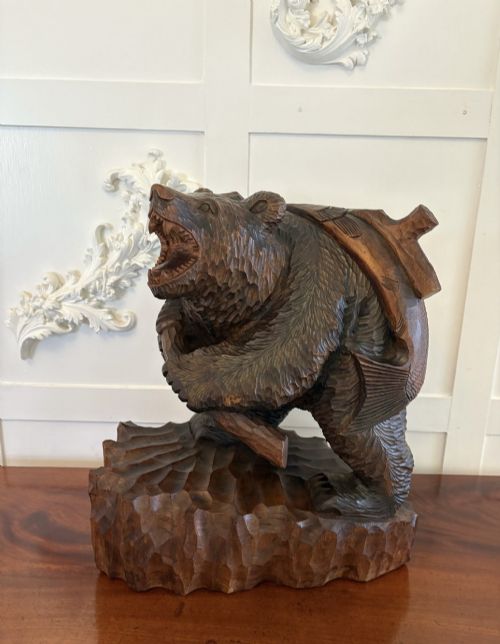
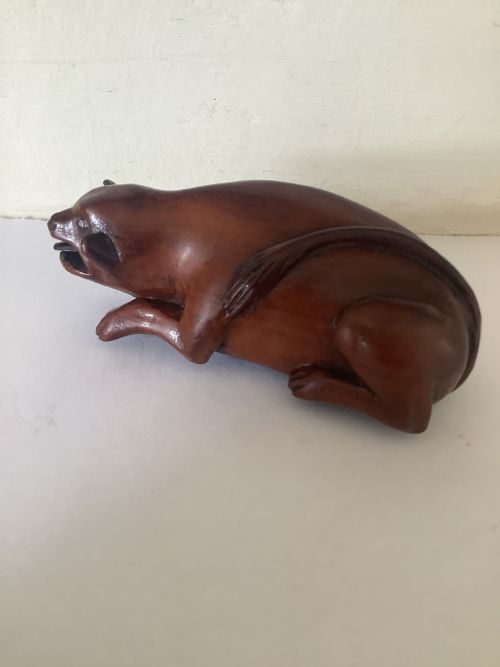
Domestic items such as Swedish bowls, dowry chests, snuff boxes, and match holders dominate the selection alongside animal figures like bears, dogs, and pigeons. These pieces reflect regional traditions from the eighteenth century through to the Edwardian period and the 1940s, capturing the everyday aesthetic of rural communities.
How they were made
Makers utilised available timbers such as pine, oak, fruitwood, linden, and hardwood, working them with hand knives, gouges, and chisels to produce tactile surface textures. Many items combine exposed carved wood with original surface paint, polychrome decoration, or punchwork details.
Construction methods rely on traditional joinery and straightforward carving techniques rather than industrial machinery. Iron components, stud eyes, and applied cork or twigs appear on specific utilitarian pieces and dioramas to complete the design.
Several bears carry fish, while a gnome serves as a match holder.
What varies in quality
The distinction between standard domestic items and superior examples rests upon the expressiveness of the carving and the preservation of original painted surfaces. Stronger pieces display confident, naive anatomical forms and distinctive regional character rather than rigid symmetry.
The survival of untouched patination and early polychrome finish elevates an object above items stripped or repainted in later years. Integrity of form, especially in functional treen and animal sculptures, marks the distinction within this category.
The Hand Carved Folk Art Glossary
- Treen
- Small handmade wooden domestic objects produced before the widespread adoption of plastics. These utilitarian items include knitting sheaths, spoons, and small containers.
- Decoy
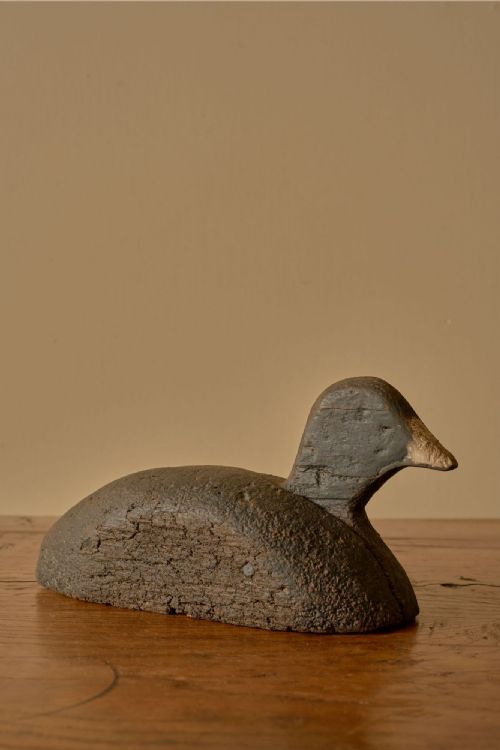
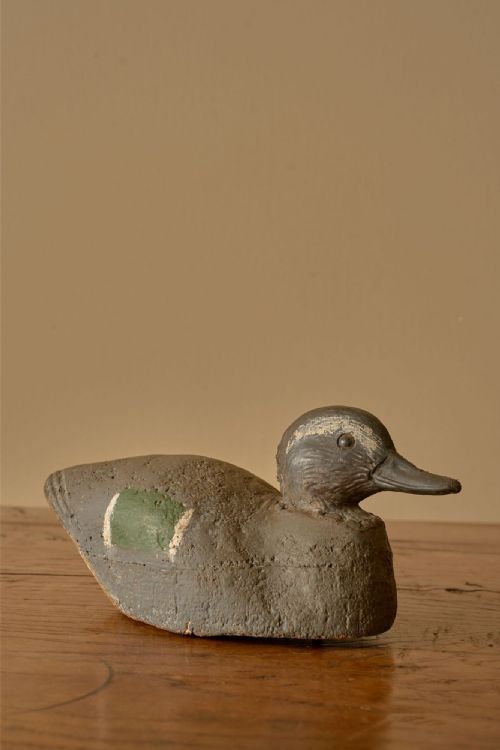
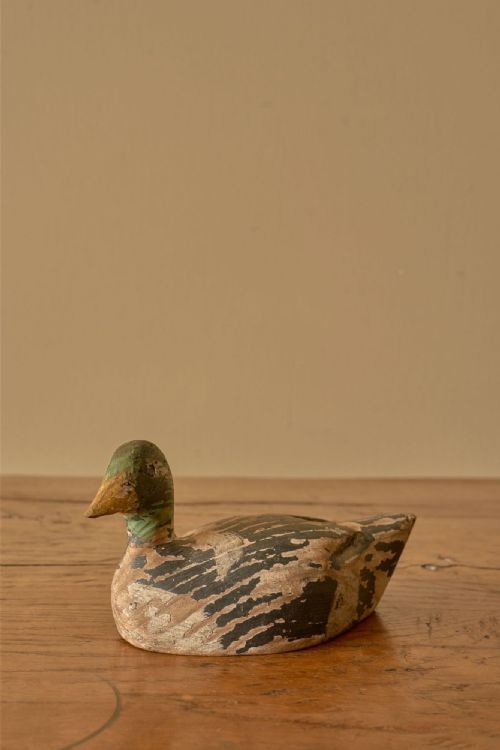
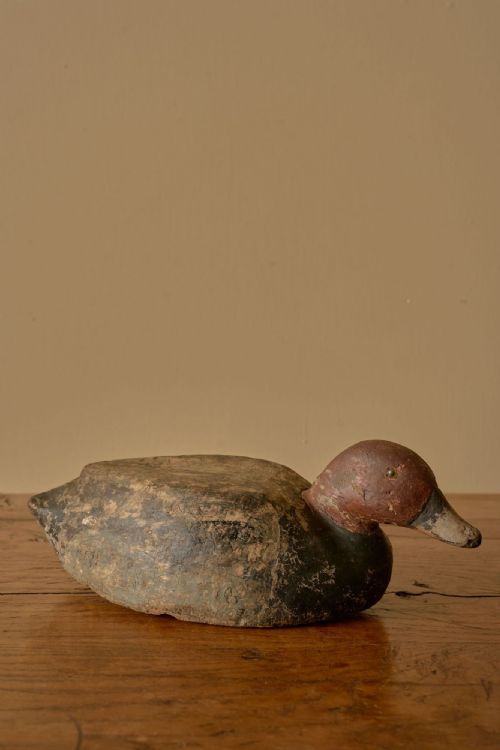
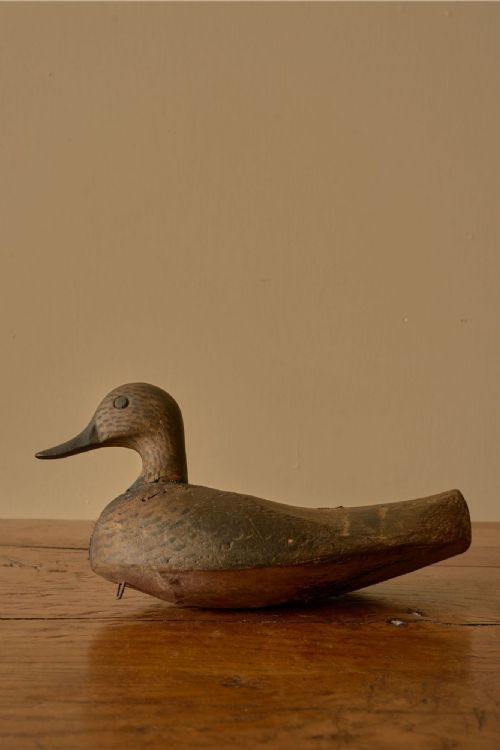
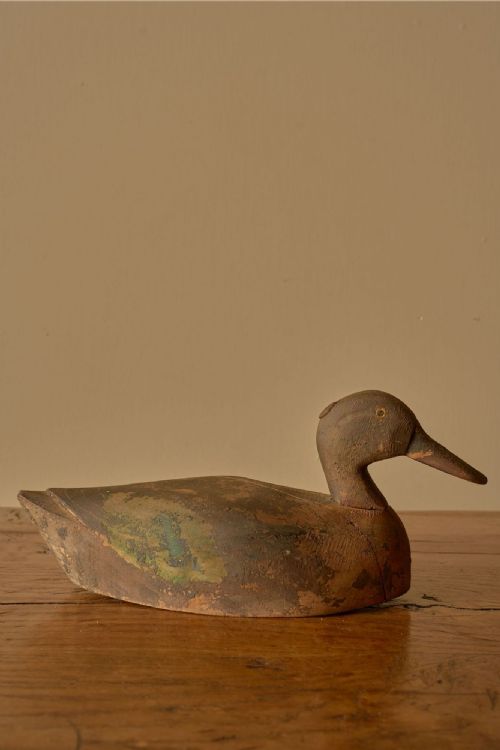
- A carved and painted wooden bird or animal used historically to attract wildlife during hunting. Makers shaped these to mimic the silhouette of pigeons, ducks, and shorebirds.
- Tramp art
- Decorative items formed from scraps of wood, cigar boxes, and cork using pocket knives and simple glue. Makers built up layered, chip-carved geometric patterns.
- Knitting sheath
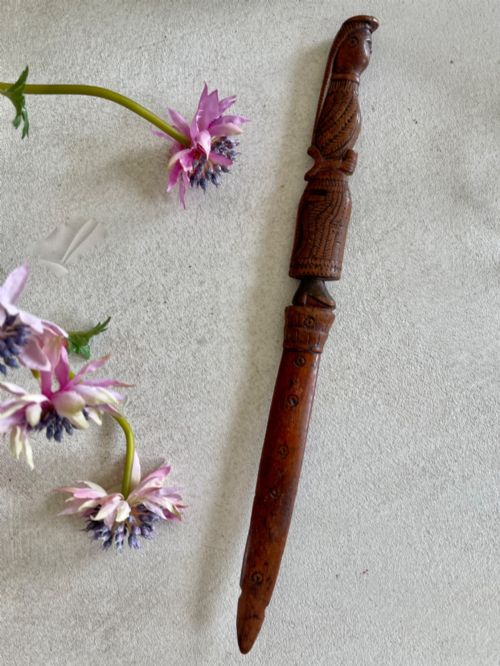
- A small carved wooden sleeve tucked into a belt or apron string to hold a single knitting needle steady. Cumbrian examples often feature intricate punchwork decoration.
Hand Carved Folk Art: Frequently Asked Questions
What is hand carved folk art?
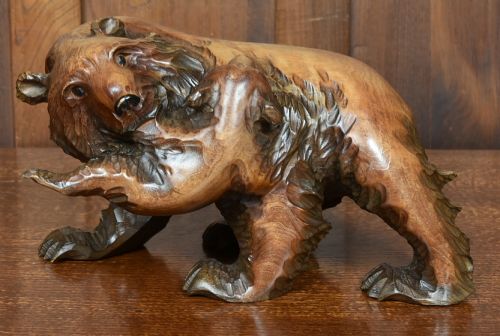
Hand carved folk art encompasses utilitarian objects, animal figures, and decorative sculptures shaped by regional makers using traditional woodworking techniques. These pieces range from nineteenth century Swedish bowls and decoy ducks to treen knitting sheaths and Japanese bear sculptures.
Items reflect the domestic and rural traditions of their places of origin, combining practical utility with distinctive vernacular style. The category prizes individuality and hand craftsmanship over mass production.
How were wooden decoys used?
Wooden decoys served a practical function in hunting by mimicking the appearance and posture of birds on water or in fields. Carvers shaped timber into realistic forms representing ducks, pigeons, and wading birds before applying hand-painted finishes to attract wildlife.
Over time, these working objects transitioned into decorative pieces collected for their naive sculptural qualities and original surface paint.
How do I identify tramp art?
Tramp art is characterised by chip-carved geometric patterns created from scrap materials such as cigar box wood and cork. Makers layered small notched pieces together using simple hand tools to build frames, boxes, and miniature furniture.
The style relies on repetitive layering and textural contrast rather than complex joinery or expensive materials.