

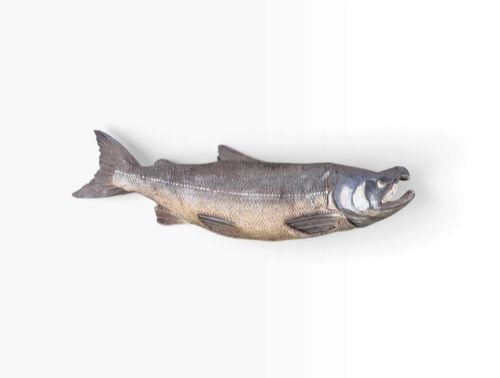
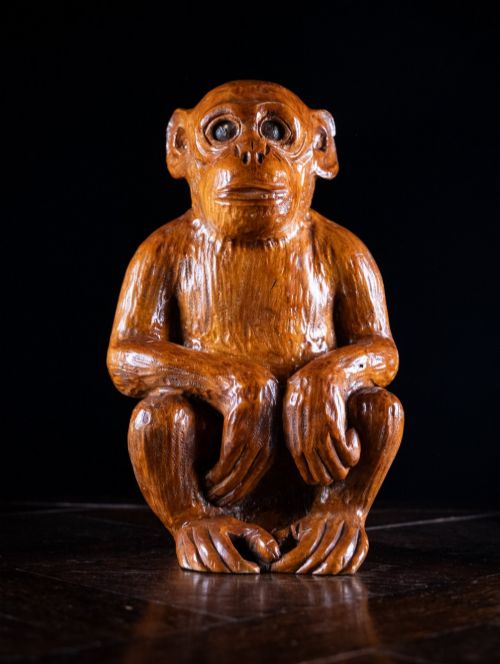
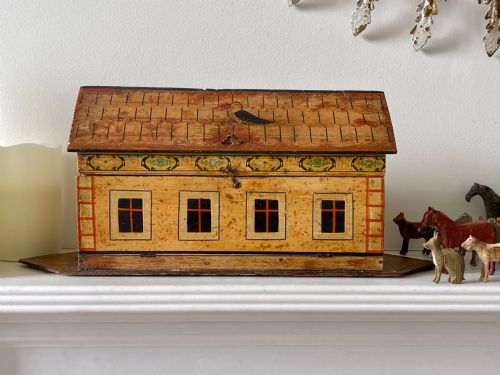
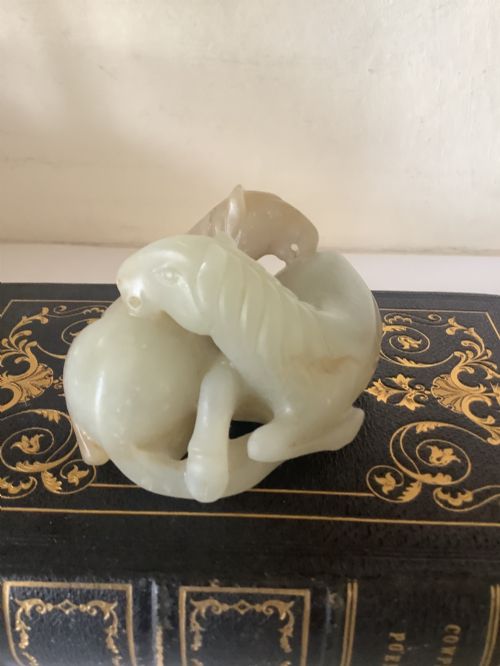

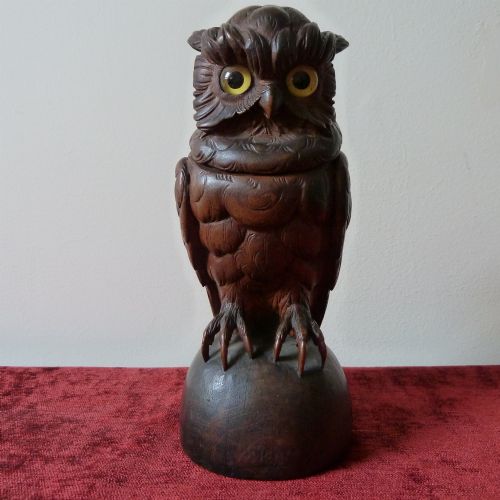
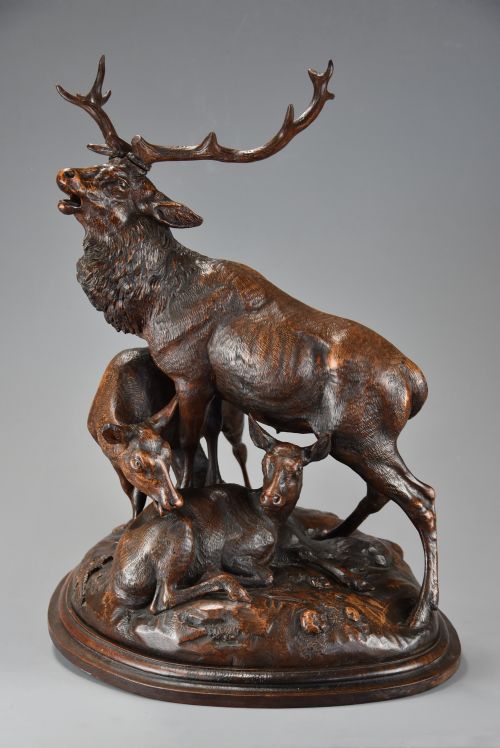
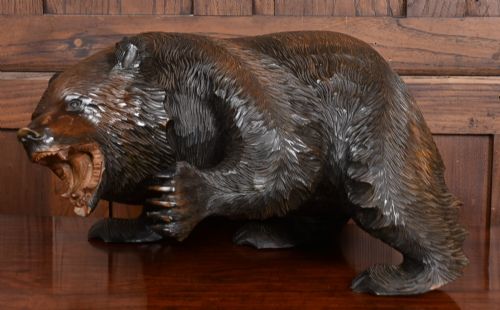
Hand Carved Animal Figure
A hand carved animal figure brings character to a room, showing the skill of carvers working across centuries.
Hand Carved Animal Figure
When you search for a hand carved animal figure, you encounter carved representations of creatures shaped by makers in various regions and traditions. The selection spans domestic animals, wildlife, and mythic beasts rendered in solid form.
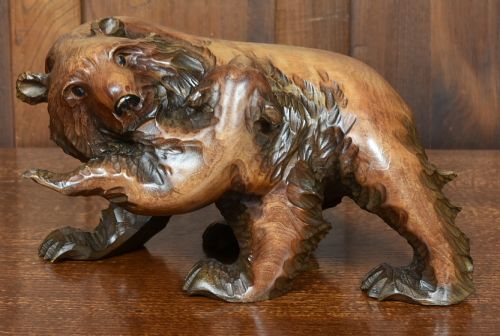
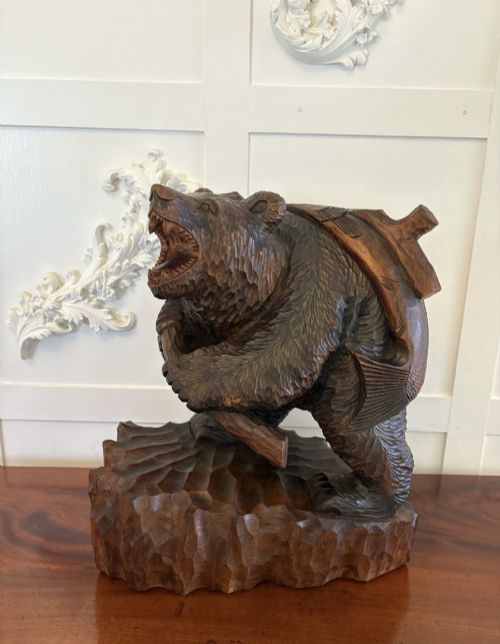
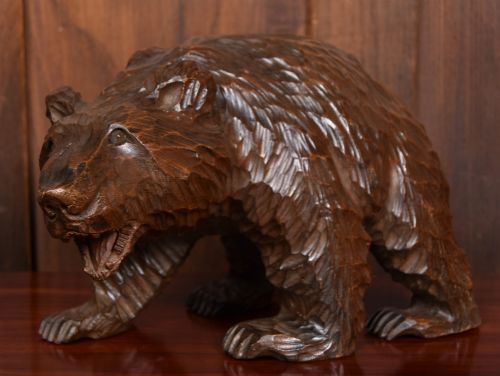
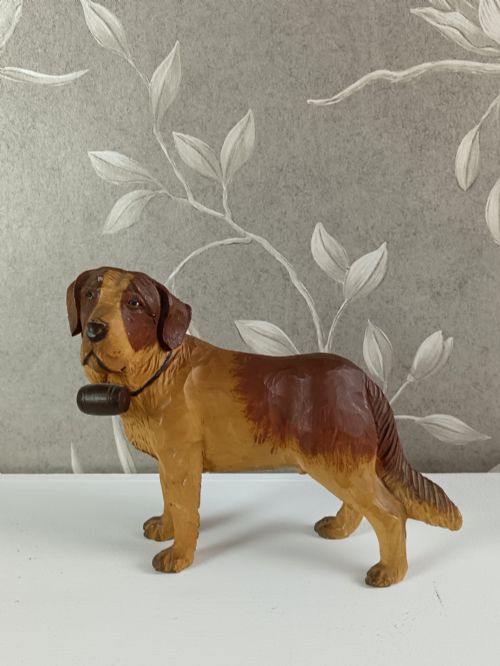
You are most likely to meet wooden bears, elephants, horses, and birds originating from European workshops, Asian studios, and folk art traditions. These objects serve as decorative sculptures, inkwells, bookends, and antique toys.
The dates stretch from the eighteenth century through to the early decades of the twentieth century. Common stylistic groupings include Black Forest carvings, folk art pieces, and traditional Chinese or Japanese animal studies.
How they were made
Makers shaped these animal figures using various woods, including linden wood, limewood, ebony, teak, and general hardwood. Carvers utilised hand tools to chip, shape, and detail the fur, feathers, and muscular forms of each subject.
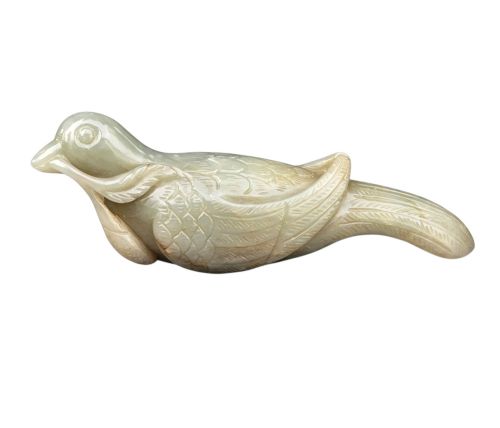
Some pieces receive a painted or lacquered finish over the carved wooden base, whilst others rely on the natural grain and tone of the material. Alternative mediums such as bone, soapstone, jade, Derbyshire alabaster, and porcelain also appear.
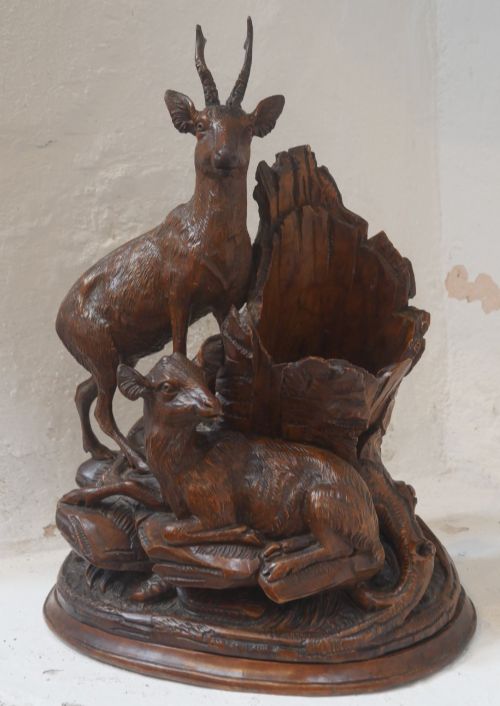
Details like stud eyes, inkwell inserts, or fitted wooden bases are added to complete functional objects such as bookends and desk accessories. The carving technique ranges from naive, primitive strokes to intricate, realistic animal anatomy.
Hand Carved Animal Figure Retail Price Guide 2026
Typical asking prices for hand carved animal figure among the pieces listed under this phrase on Sellingantiques today, from the lower quarter to the upper quarter. They describe what is for sale here now, not the wider market.
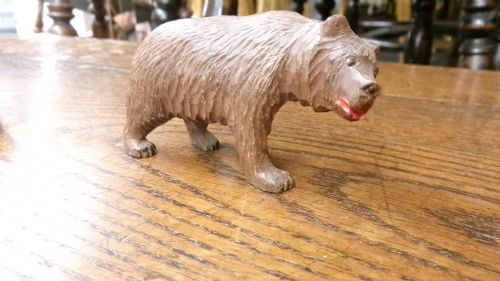
A set of fifteen miniature Black Forest bears proves that small creatures require just as much personality as life-size goats.
What varies in quality
The distinction between standard examples and superior pieces lies in the anatomical accuracy and the depth of the carving. Master carvers capture movement, tension, and realistic texture in the fur or skin rather than relying on stiff outlines.
The choice and preparation of the material dictate longevity and visual appeal, with dense hardwoods and carefully selected linden wood holding finer details without splintering. Original surfaces untouched by modern refinishing retain historical integrity.
Design complexity also separates works, as multi-figure groups or animated poses require greater skill than static single-animal studies.
Bright And Sons·Limonaire
The Hand Carved Animal Figure Glossary
- Black Forest
- A style of wood carving originating from the Brienz region of Switzerland and the Black Forest in Germany. These pieces typically depict bears, deer, and other alpine animals rendered in linden wood.
- Folk Art
- Objects created by self-taught or traditional artisans outside formal academic art training. Such items often display a naive or primitive aesthetic.
- Celadon
- A term for ceramics and jade stones featuring a pale green glaze or jade tone. This finish imitates the appearance of natural jade.
- Hardwood
- Timber derived from broad-leaved trees such as teak, ebony, and various Asian species. These dense woods provide durability for intricate animal sculptures.
- Alabaster
- A fine-grained, compact stone used for carving statues and decorative items. Derbyshire alabaster yields a smooth, pale finish suitable for animal studies.
Hand Carved Animal Figure: Frequently Asked Questions
What animals are most common?
Bears, elephants, horses, and various birds appear frequently across the different regional traditions.
European workshops favour bears and deer, while Asian carvers often depict elephants, water buffaloes, and horses.
How do I identify Black Forest carvings?
Look for linden wood or limewood materials combined with realistic depictions of alpine wildlife such as bears, goats, and owls.
Many of these items double as functional objects like bookends, inkwells, or desk accessories.
Were these figures used as toys?
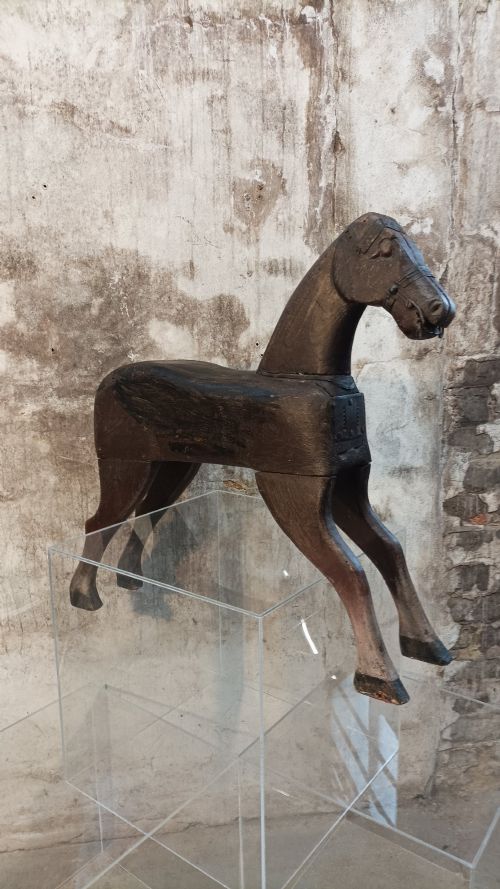
Certain examples, including Noah's ark sets and wooden horse sculptures, were built as children's playthings.
Others functioned purely as decorative sculptures, desk ornaments, or scholarly objects.
What materials besides wood are used?
Carvers also utilised jade, soapstone, Derbyshire alabaster, bone, and porcelain to shape animal forms.
Hard stone and mineral carvings often originated in Asian workshops during earlier dynastic periods.