
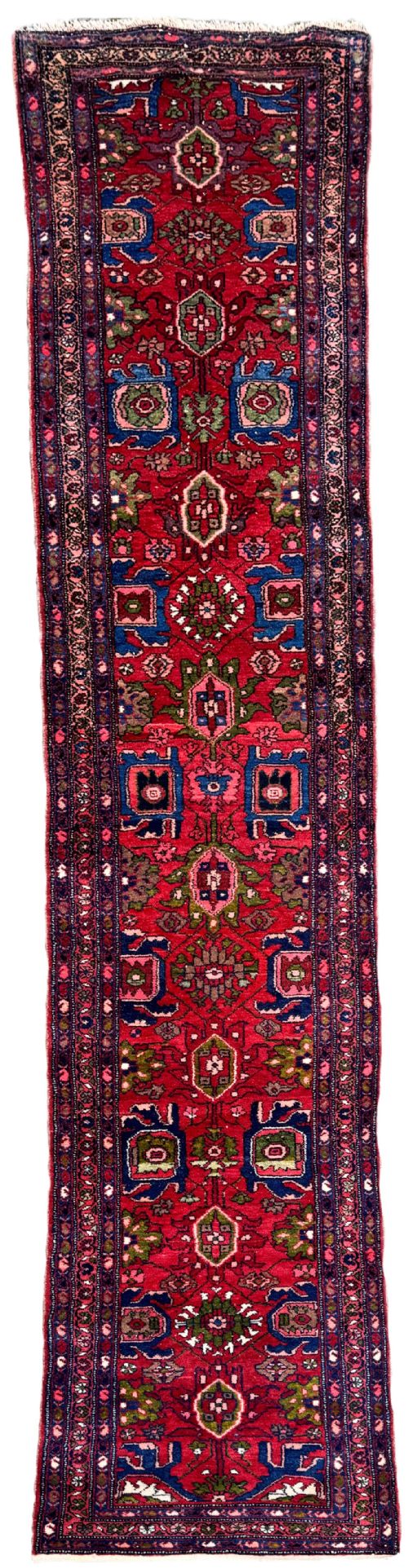
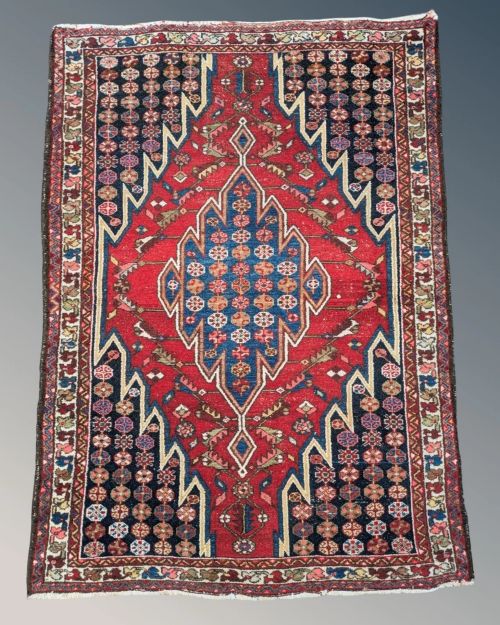
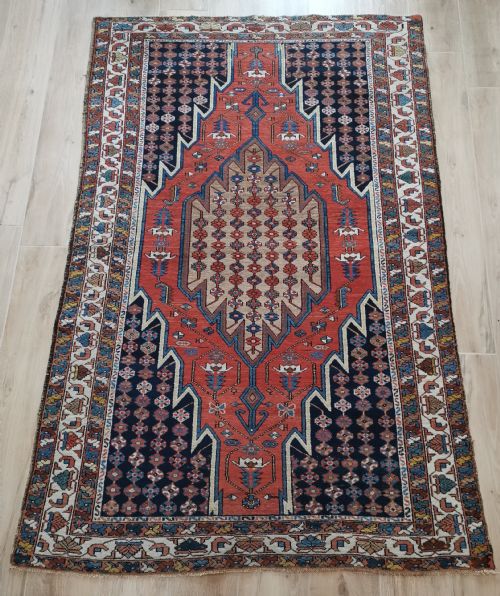
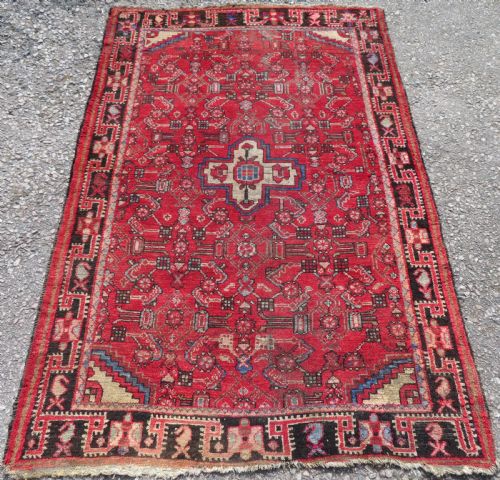
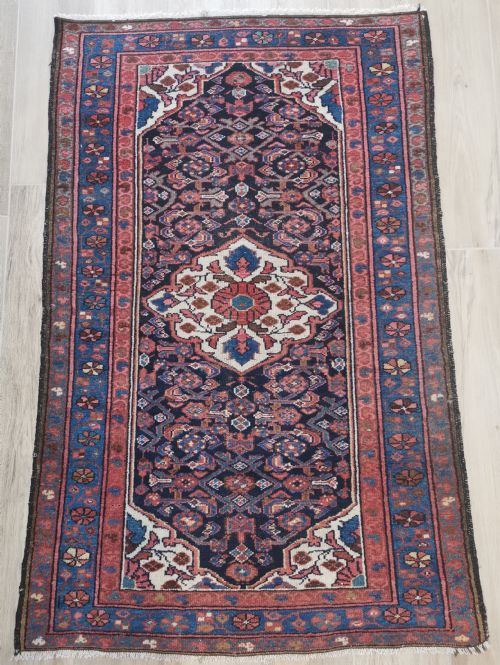
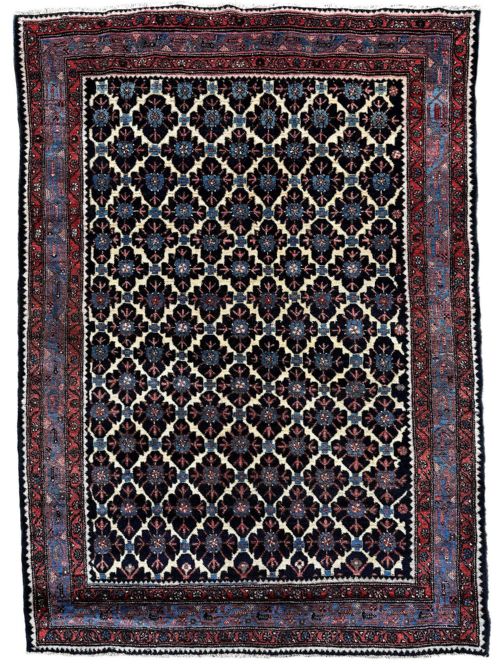


Hamadan Wool Runner Carpet
A hamadan wool runner carpet brings authentic village craftsmanship and durable wool into long corridors and narrow spaces.
Hamadan Wool Runner Carpet
A hamadan wool runner carpet is a traditional floor covering woven in the towns and villages of the Hamadan region in western Persia. Buyers searching this phrase will find long, narrow formats designed specifically for hallways, alongside room-sized rugs and carpets.
The pieces listed here span the late nineteenth century through to the 1930s, representing classic Persian tribal and village weaving traditions. Narrow runners and long corridor carpets dominate the selection, often attributed to specific regional centres such as Mazlaghan, Borodjert, and Sanjan.
Village weavers constructed these floor coverings for daily domestic use rather than formal court display, resulting in robust constructions and vernacular designs. The formats vary from compact gallery sizes to substantial runners exceeding four metres in length.
Materials and construction
These carpets rely entirely upon natural wool for the pile, providing a dense, hard-wearing surface capable of withstanding heavy foot traffic in busy hallways. The foundation structures incorporate cotton warps andwefts, which give the carpets stability and a flat lay along wooden floorboards.
Village looms utilised hand-spun yarns dyed with traditional plant and mineral colorants, yielding rich, saturated tones that age gracefully. Weavers tied symmetrical knots by hand, securing the dense wool pile tightly to the underlying cotton foundation.
Listings feature pieces dated from the 1880s through to the 1930s, constructed entirely from wool and cotton.
What separates the grades
Quality in these carpets rests upon the tightness of the knotting and the fineness of the wool fleece utilised by the village weaver. Tightly packed piles hold their structure longer under daily friction, preserving the clarity of the underlying geometric or floral lattice designs.
The precision of the geometric layout and the complexity of the border bands also distinguish finer examples from standard village production. Survival of original side cordings and end finishes indicates careful preservation, elevating the integrity of the piece.
The Hamadan Wool Runner Carpet Glossary
- Runner
- A long, narrow carpet format specifically proportioned for corridors, hallways, and staircases. These pieces measure significantly longer than they are wide.
- Kelleh
- A large-sized rectangular carpet format traditional to Persian village weaving, broader than a runner but longer than a standard room rug.
- Warp
- The vertical foundation threads stretched lengthwise on the loom, onto which the wool knots are tied and through which the weft is passed.
- Weft
- The horizontal threads interlaced between the warp threads after each row of knots to bind the structure firmly together.
- Pile
- The upright cut ends of the knotted wool yarn that form the usable surface of the carpet. A thick pile offers greater cushioning underfoot.
Hamadan Wool Runner Carpet: Frequently Asked Questions
Where should I place a runner?
These long carpets suit narrow spaces such as hallways, corridors, and entryways where foot traffic is frequent. Their elongated proportions draw the eye down a passage while protecting wooden floors.
They also function effectively alongside kitchen islands or beside beds where narrow rectangular coverage is required.
How do I clean an antique carpet?
Routine maintenance requires gentle vacuuming without a rotating brush roll to prevent pulling the vintage wool pile. Professional specialist cleaning is recommended for deep washing.
Avoid harsh chemical spot treatments, as these can alter the natural dyes used in older Persian village weaving.
How do I identify a village carpet?
Village rugs often display charming irregularities in symmetry, spontaneous geometric motifs, and sturdy wool construction. These traits reflect independent domestic production rather than regimented city workshop output.
Designs frequently incorporate tribal symbols, medallions, and floral lattices passed down through generations of weavers.
Will an older wool carpet shed?
Minor shedding can occur initially as loose fibres from the historic wool pile settle after placement. Regular gentle care will quickly stabilize the surface.
Stable antique wool remains remarkably resilient when properly maintained in domestic environments.