




Hallway Wall Mirror Oak
A hallway wall mirror oak brings warmth and utility to an entrance, offering sturdy timber frames and clear mirrored glass designed for daily use.
Hallway Wall Mirror Oak
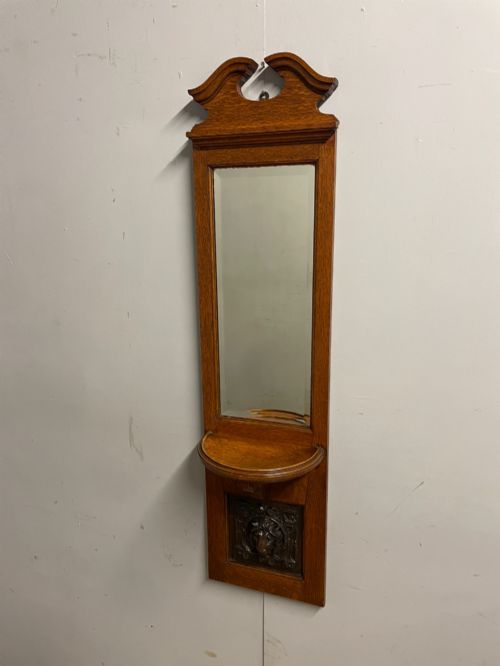
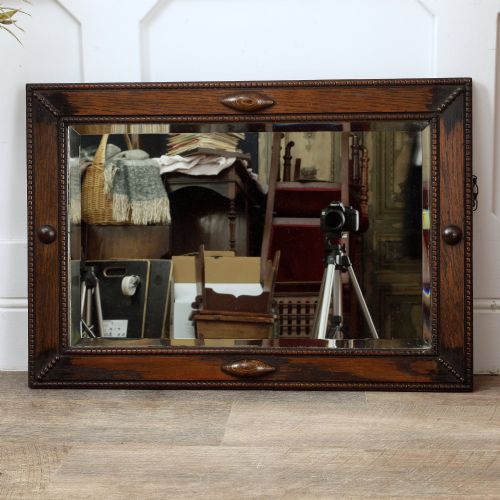
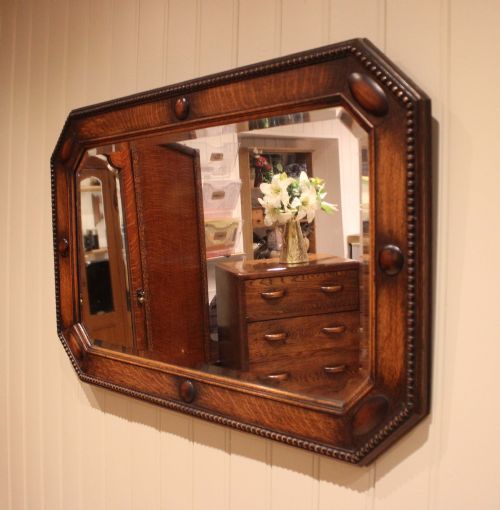
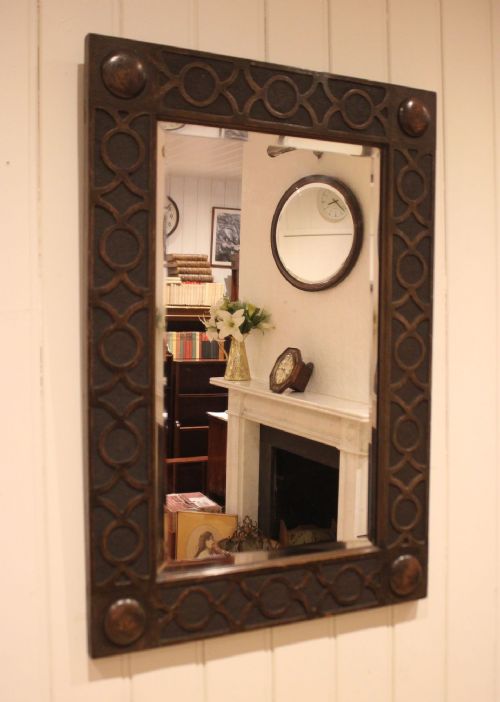
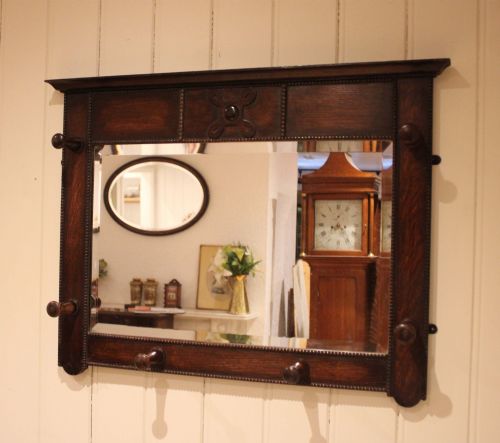
A hallway wall mirror oak serves as a practical focal point in a domestic entrance, combining timber frames with mirrored glass. These pieces range from simple rectangular and oval wall mirrors to functional hybrids fitted with coat hooks, shelves, or key cabinets.
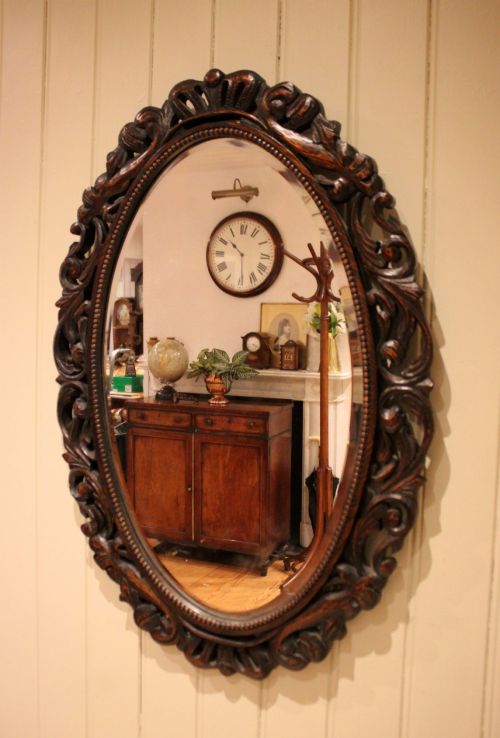
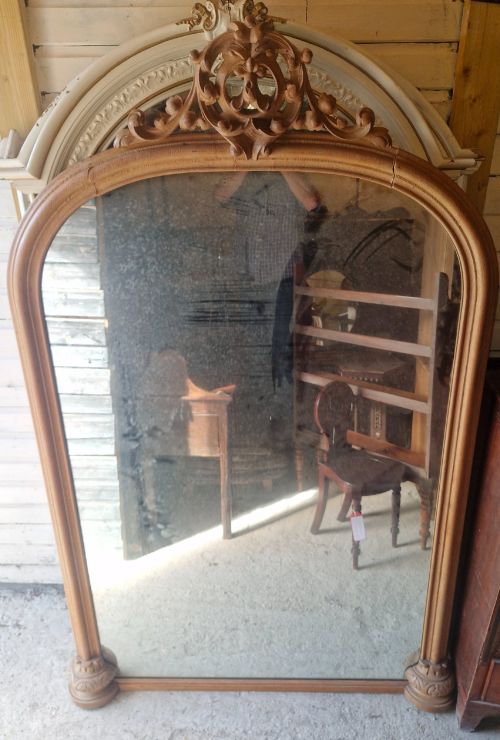
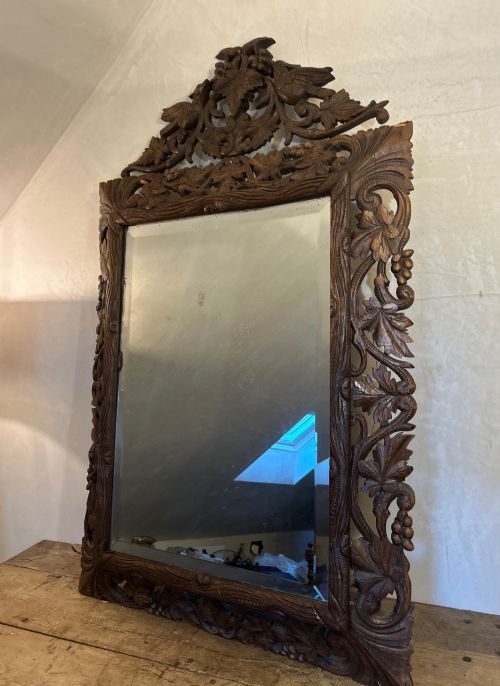
The selections available span periods from the Victorian era and the Edwardian period through to Art Deco designs of the 1930s. Buyers frequently encounter nineteenth-century carved examples alongside early twentieth-century variations in dark or golden oak.
How they were made
Craftsmen built these frames primarily using solid oak, sometimes combining walnut or incorporating brass fittings and wrought iron hooks. Mirrored glass, frequently bevelled, was secured into rebated timber frames behind backing boards.
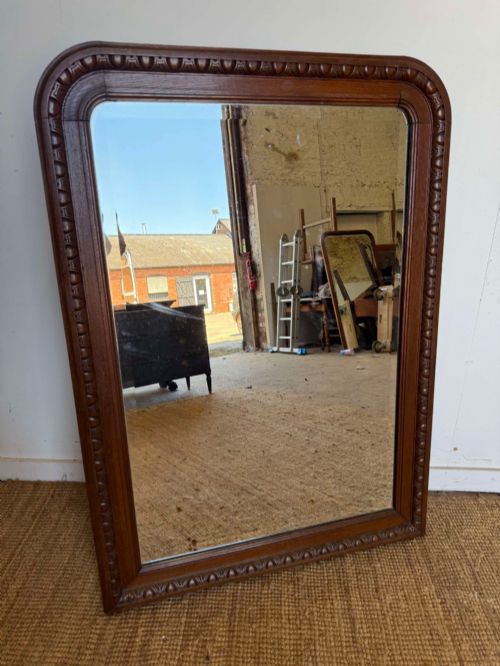
Decoration relied heavily on carved details such as egg and dart motifs, cushion framing, or geometric inlays. Surface finishes were left natural or polished to a darker hue depending on the prevailing style of the period.
Hallway Wall Mirror Oak Retail Price Guide 2026
Typical asking prices for hallway wall mirror oak among the pieces listed under this phrase on Sellingantiques today, from the lower quarter to the upper quarter. They describe what is for sale here now, not the wider market.
Some Edwardian oak mirrors doubled as discreet shaving stations and key cupboards, ensuring hats and whiskers were managed simultaneously.
What varies in quality
The standard of carving and timber selection dictates the distinction between standard utilitarian items and finer decorative pieces. Crisp, deep relief work in the oak frame indicates superior handcraftsmanship compared to simpler, machine-cut mouldings.
The preservation of the original mirrored glass and the structural integrity of integrated components like shelves and coat hooks also influence the character of each piece. Superior examples retain their original bevelled glass plates and robust hanging fixtures.
The Hallway Wall Mirror Oak Glossary
- Bevelled glass
- Glass with an angled, polished edge that catches the light. This technique adds depth and a decorative border to the mirror plate.
- Cushion frame
- A convex, rounded frame profile popular in various nineteenth-century designs. It gives the timber a substantial, padded appearance.
- Egg and dart
- A classical ornamental moulding detail alternating oval shapes with pointed arrows. It frequently borders Victorian and revival mirror frames.
- Pier wall mirror
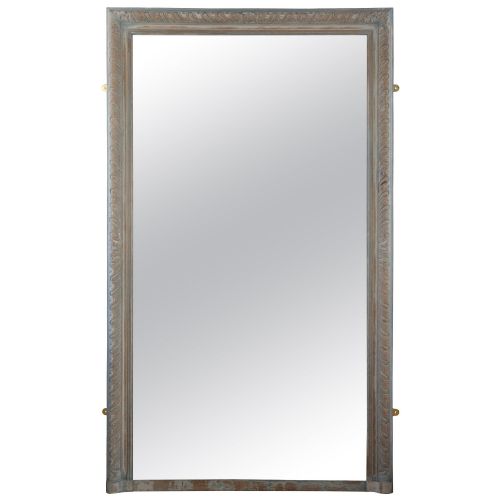
- A tall mirror designed specifically for the narrow wall space between windows. These pieces often coordinate with console tables or stands.
Hallway Wall Mirror Oak: Frequently Asked Questions
Where should I hang an oak wall mirror?
These mirrors suit entrance halls, cloakrooms, and boot rooms where their reflective glass and integrated hooks prove useful. Placing them near a light source helps brighten narrower corridors.
Ensure the wall construction safely supports the weight of the timber frame, particularly on larger nineteenth-century or carved examples.
How do I care for the oak frame?
Dust the timber regularly with a soft, dry cloth to prevent dirt accumulation in carved recesses. Avoid excessive moisture or harsh chemical cleaners.
Apply a traditional beeswax occasionally to nourish the oak and maintain a subtle sheen on the polished surface.
Are these mirrors heavy to hang?
Weight varies considerably depending on the size of the oak frame and whether the piece includes shelves, cabinets, or coat hooks. Heavier nineteenth-century models require secure fixings into solid wall anchors.
Check the hanging brackets on the reverse before installation to ensure they remain stable and capable of supporting the load.
How do I identify a Victorian oak mirror?
Victorian examples often feature deeper relief carvings, darker finishes, and traditional joinery methods visible on the reverse. Stylistic markers include egg and dart mouldings or rococo revival flourishes.
Later Edwardian and 1920s versions tend towards simpler geometric lines or lighter golden oak tones, reflecting changing domestic tastes.