

Hallway Wall Mirror Gold
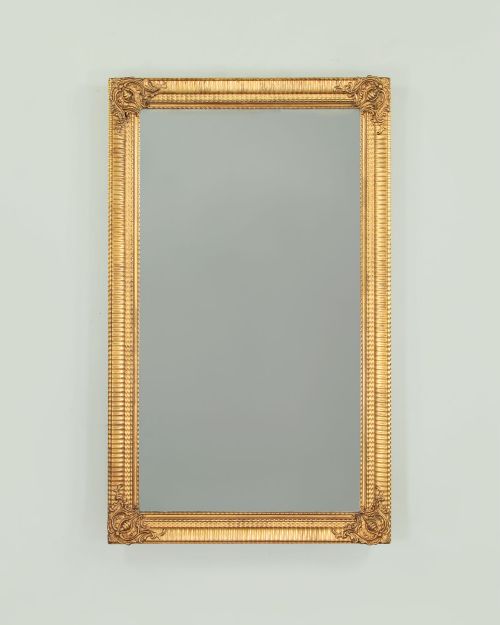
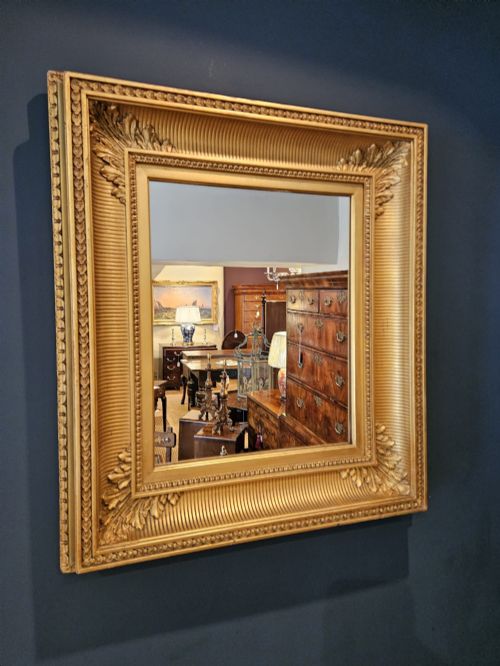
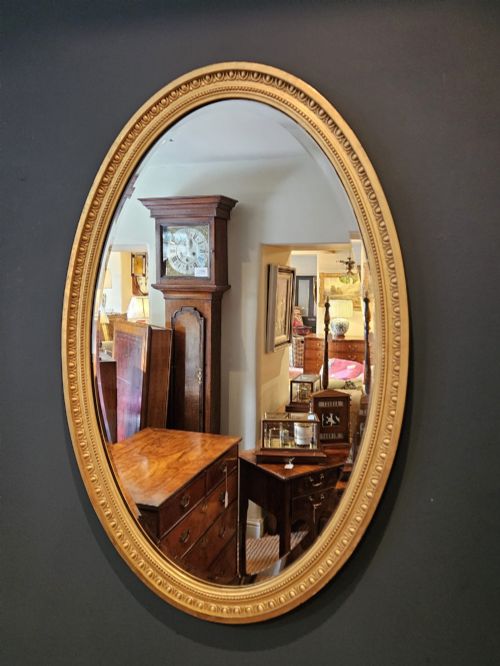
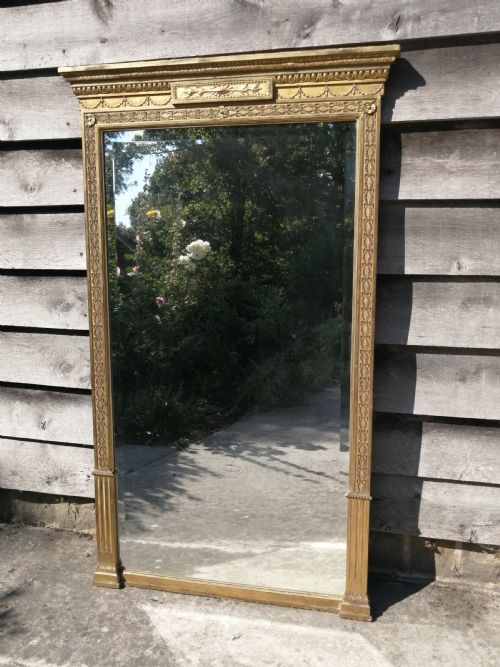
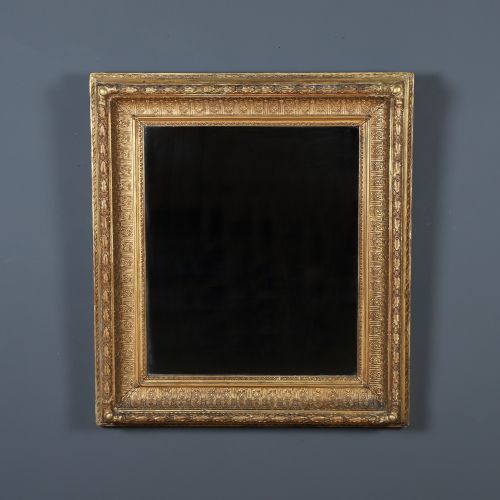
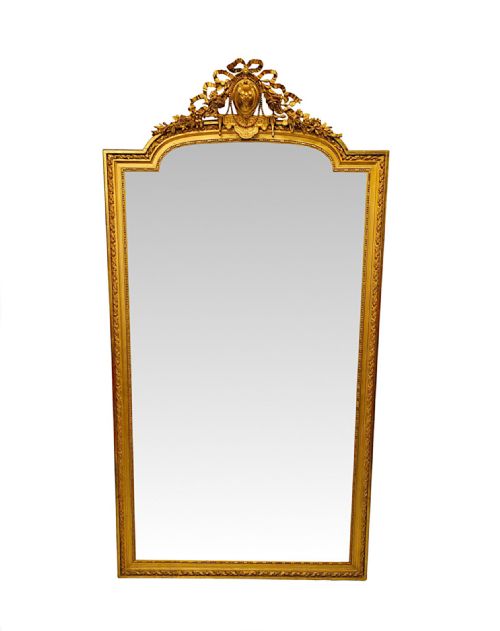
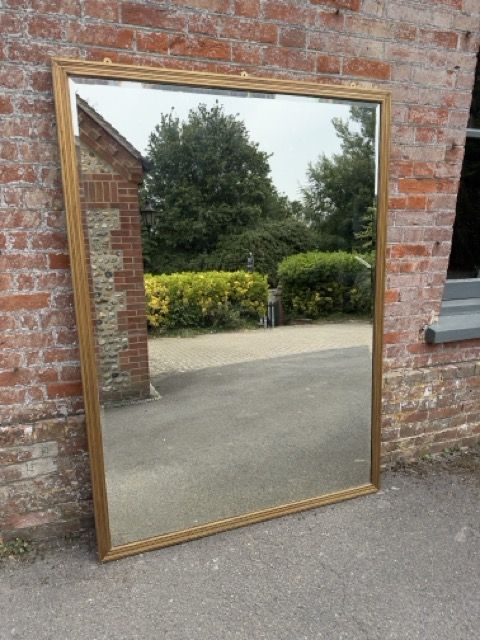
A hallway wall mirror gold brings immediate light and a sense of space to an entrance, formed in giltwood, gesso, and glass.
Hallway Wall Mirror Gold
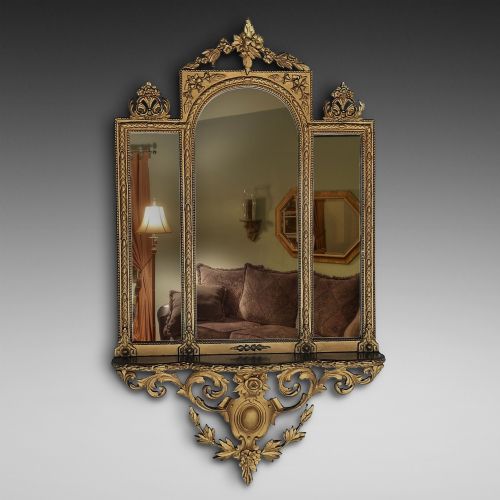
A hallway wall mirror gold sits at the intersection of practical entrance furniture and decorative arts, serving to brighten narrow spaces while offering a final check before leaving the house. The selection here leans heavily towards nineteenth-century Victorian pieces, alongside Regency and French designs.
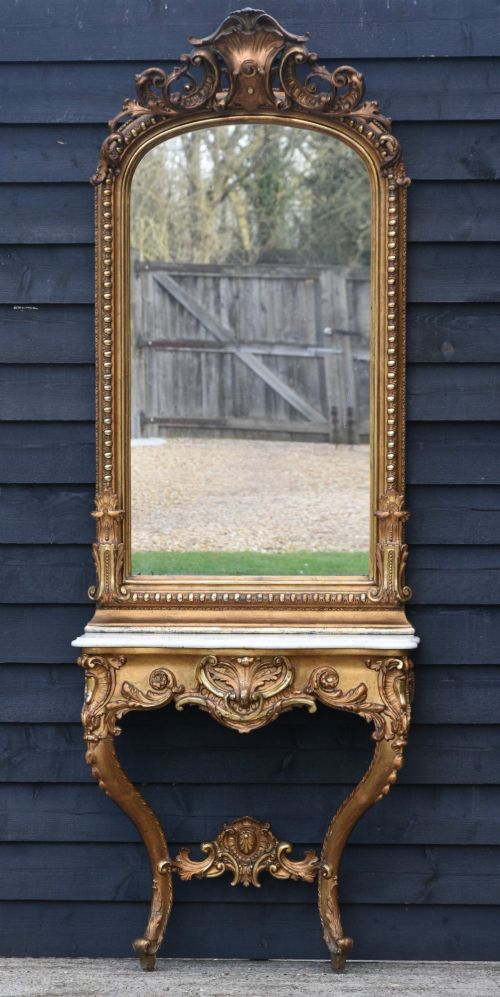
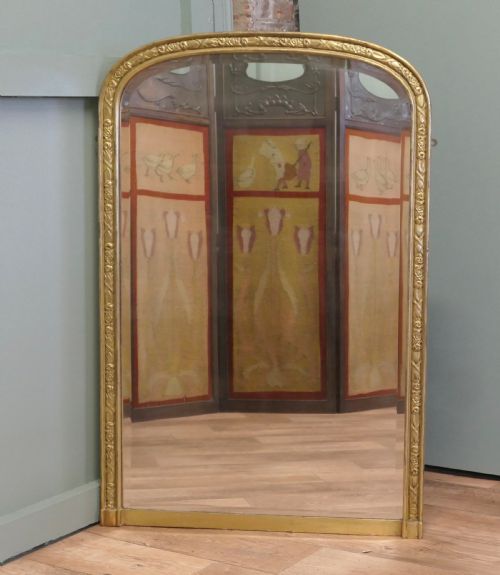
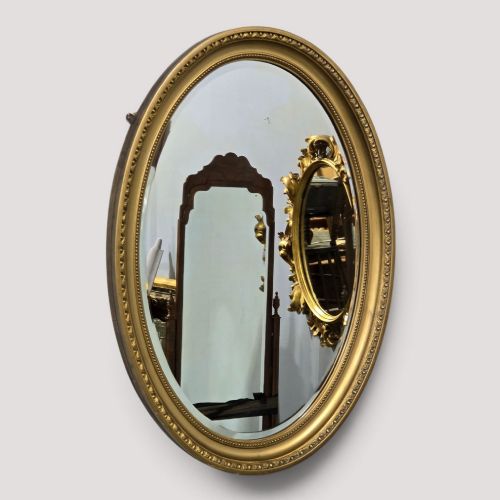
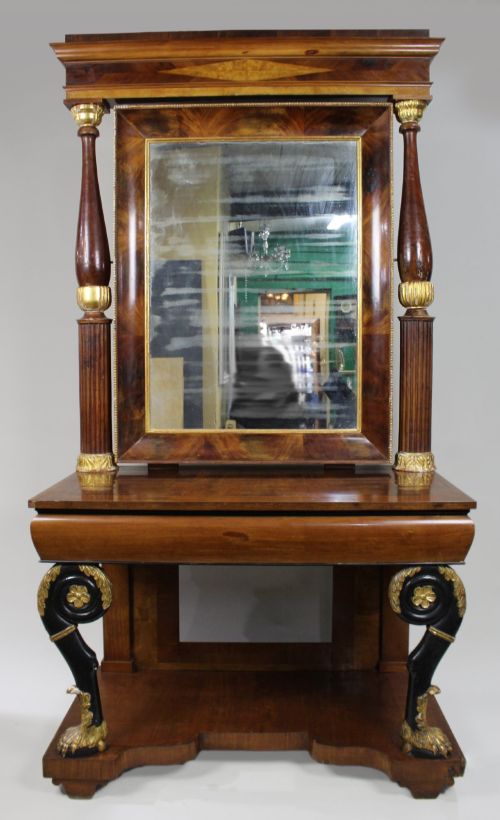
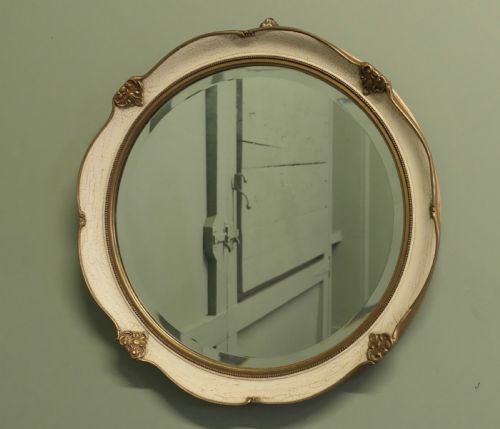
Buyers will encounter tall pier mirrors, overmantle designs, and console table combinations built to occupy prominent vertical spaces in entrance halls. Many examples utilise oval or rectangular formats framed in ornate gilded timber, often echoing earlier Rococo or Neoclassical motifs.
How they were made
Carved wood and composition ornament form the foundation of these frames, layered with gesso to create crisp relief details such as acanthus leaves and classical moulding. Artisans then applied gold leaf or liquid gilding over a prepared bole to achieve the characteristic metallic sheen.
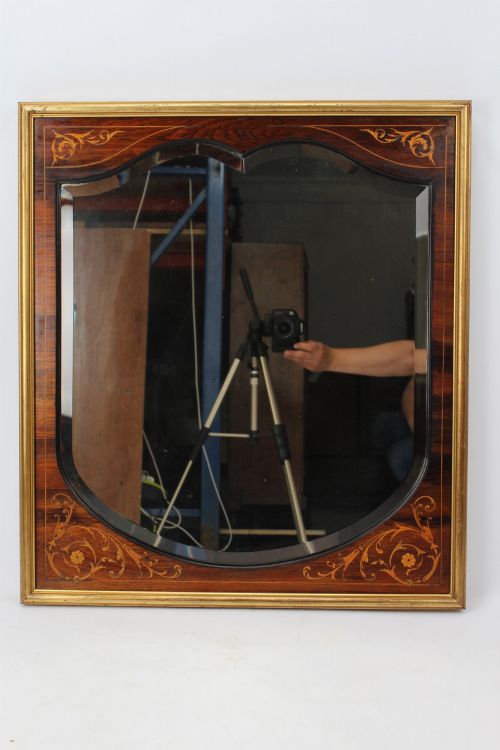
Mirror glass plates from the nineteenth and early twentieth centuries frequently exhibit original bevelling or slight imperfections that catch the light distinctly. Timber structures underneath often utilise pine, mahogany, or rosewood, joined with traditional cabinetmaking techniques.
The current selection spans the nineteenth and twentieth centuries, incorporating Victorian, Regency, and Art Deco design periods.
What varies in quality
Depth and crispness of the carved ornament distinguish finer frames from simpler moulded versions, particularly where hand-carved giltwood supersedes cast composition. The integrity of the original gilding and the retention of early mirror plates also elevate a piece.
Proportion and structural balance dictate the success of larger console and pier combinations, ensuring the frame supports its own weight and the glass sits securely within the rebate without distortion.
John Belchier
The Hallway Wall Mirror Gold Glossary
- Giltwood
- Timber, typically pine or softwood, carved and covered with gold leaf. It forms the primary rich surface of formal antique frames.
- Gesso
- A plaster mixture applied to wood frames to create a smooth surface for carving or moulding details before gilding. It allows for sharp decorative relief.
- Pier Mirror
- A tall narrow mirror designed specifically to hang on the wall space between two windows. They often stand above matching console tables.
- Overmantle Mirror
- A large horizontal mirror traditionally hung above a fireplace mantelpiece. Many find secondary use in grand hallways.
- Convex Mirror
- A circular mirror with a curved glass plate that provides a wide-angle reflection of the room. They gained popularity during the Regency period.
Hallway Wall Mirror Gold: Frequently Asked Questions
How do I hang a heavy gilt mirror safely?
Heavy nineteenth-century frames require direct attachment to wall studs using robust steel brackets or mirror plates rated for the weight. Professional installation ensures the wall structure bears the load securely.
Position the mirror at a height that reflects natural light from opposing windows rather than empty ceiling space, enhancing both illumination and room depth.
What is the difference between giltwood and composition frames?
Giltwood frames feature hand-carved wooden ornament directly gilded with thin sheets of gold leaf. They show deep tool marks and distinct grain under worn areas.
Composition frames utilise a moulded paste pressed over a wooden core to replicate complex ornamentation quickly. They tend to feel harder and can crack differently than carved wood.
Are original mirror plates expected to show foxing?
Original mirror plates from the Victorian and Regency periods frequently display small dark spots known as foxing, caused by the degradation of the backing silver over time. Collectors often prize this gentle ageing as proof of authenticity.
Replacing the glass with modern float mirror removes historical character, so many owners choose to preserve the original speckled surface.
Where should I place a hallway mirror?
Hanging a mirror opposite an entrance or a light source maximises the natural illumination entering a dim corridor. It creates an immediate illusion of width in narrower floor plans.
Ensure the centre sits roughly at eye level for the household, balancing practical use with proportional wall placement.