


Hallway Umbrella Bucket
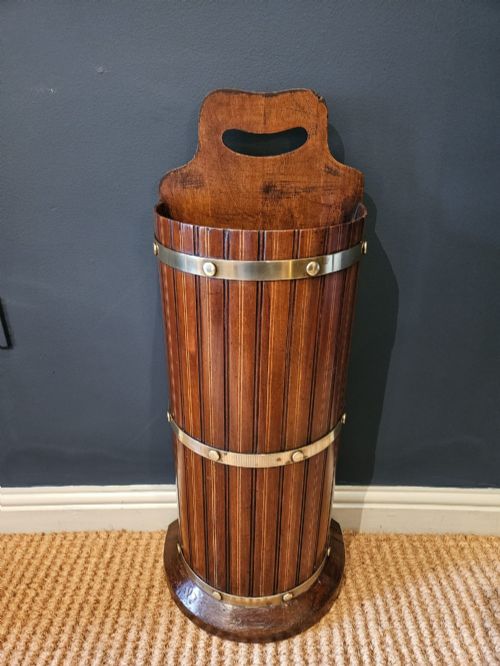
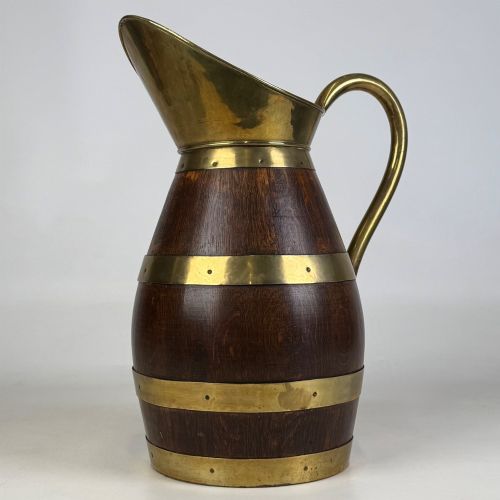
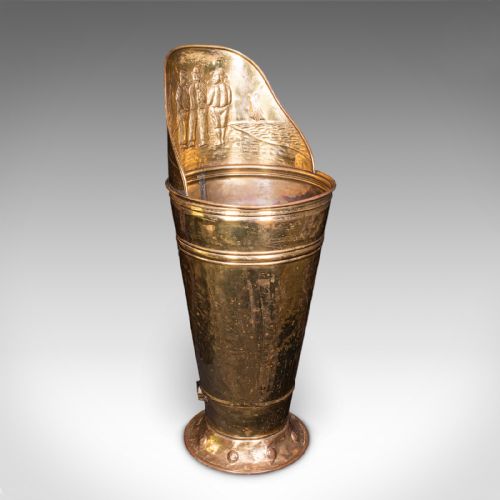
These hallway umbrella bucket pieces offer sturdy storage for wet days, built from oak, brass, and copper to anchor an entrance.
Hallway Umbrella Bucket
A hallway umbrella bucket provides a practical vessel for keeping walking sticks and umbrellas contained in an entrance hall. The examples listed here span periods from the mid-nineteenth century through the Edwardian era and into the nineteen-twenties, showing how domestic spaces adapted to wet weather over time.
You will most frequently encounter sturdy timber iterations utilising oak and mahogany, often bound with brass or copper bands. These forms frequently take inspiration from traditional cooperage and barrel-making techniques, alongside distinctive military adaptations repurposed from leather shell carriers.
The aesthetic reaches across Victorian and Edwardian traditions, encompassing Dutch traditional designs and Arts and Crafts copper work. Such pieces balance everyday utility with the rich textures of patinated metal and dense hardwoods suited to a traditional hallway.
How they were made
Makers constructed the timber versions using traditional coopered barrel techniques, joining narrow wooden staves together to form oval or circular buckets. These wooden staves are secured tightly by overlapping bands of brass or copper, providing structural strength to withstand heavy daily use.
Alternatively, independent metalwork utilises sheet copper and brass, shaped and joined to form rigid cylindrical buckets or stands. Leather examples rely on heavy-duty stitching and riveting, as seen in pieces adapted from military shell carriers.
Materials across this selection include oak, mahogany, brass, copper, iron, and leather.
What varies in quality
Quality rests upon the integrity of the original construction, particularly the tightness of the coopered staves and the weight of the metal bands. Heavy-gauge brass and thick oak timber command greater attention than lighter, purely decorative iterations.
The character of the patina across the wood and metal surfaces dictates visual depth. Unspoilt aged surfaces with honest wear separate exceptional vernacular items from lesser modern reproductions.
The Hallway Umbrella Bucket Glossary
- Coopered
- Constructed from wooden staves bound together with metal hoops in the manner of a traditional barrel. This method ensures the vessel remains stable when holding heavy damp sticks.
- Stave
- One of the narrow vertical strips of wood that form the sides of a barrel or bucket. These pieces are shaped with bevelled edges to fit closely together.
- Patina
- The surface sheen and colour developed through age, handling, and use. It indicates the genuine history of the material.
- Arts and Crafts
- A design movement prioritising handcraftsmanship and simple forms. Objects from this tradition often feature hand-beaten copper and visible construction details.
Hallway Umbrella Bucket: Frequently Asked Questions
What is a hallway umbrella bucket?
A hallway umbrella bucket is a deep container designed to hold walking sticks and umbrellas upright in an entrance hall.
These vessels protect floors from dripping water while keeping entranceways tidy and organised.
How were coopered umbrella buckets made?
Coopered umbrella buckets were made by joining vertical wooden staves together to form a cylindrical or oval container.
Metal bands of brass or copper were then driven onto the exterior to hold the staves firmly in place.
What materials are these stands made from?
The listings show a heavy reliance on durable hardwoods such as oak and mahogany combined with brass and copper.
Some examples also utilise thick leather, reflecting utilitarian origins from military equipment.
How do I care for antique metal and wood?
Maintain wood and metal by dusting gently and avoiding harsh chemical polishes that strip the aged surface.
Ensure umbrellas are reasonably dry before placing them inside to protect the interior base from standing water.