



Antique Brass Oak Container
These antique brass oak container pieces combine robust timber construction with durable metal mounts, offering practical utility and period character for the home.
Antique Brass Oak Container
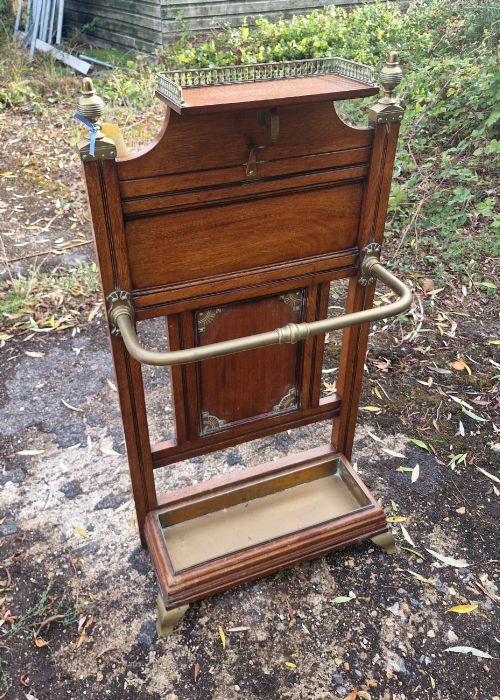
When searching for an antique brass oak container, buyers encounter a variety of utilitarian household objects ranging from umbrella stands to coal buckets. These items serve functional purposes while displaying the sturdy characteristics of period woodwork.
The pieces on this page are most commonly represented by coopered barrels, stick stands, and coal scuttles dating from the eighteenth century through to the early twentieth century. Victorian and Edwardian examples dominate the selection, utilising traditional forms designed for daily household use.
Makers shaped these containers from solid timber, frequently incorporating metal bands and liners to manage damp items or heavy fuel. The resulting objects bridge the gap between functional equipment and decorative hallway or fireside accessories.
Materials and construction methods
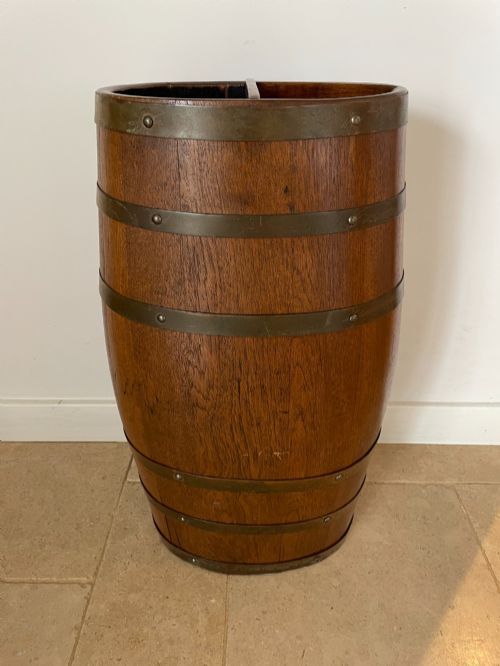
Construction relies heavily on traditional coopering techniques, where shaped staves of timber form circular or oval vessels held tightly together by metal hoops. Brass and copper feature prominently as banding materials, secured with pins to reinforce the wooden body against strain.
Makers selected oak for its durability and resistance to moisture, frequently pairing it with metal liners or original shovels in fireside pieces. Additional elements such as leather, rope, and carved ornamentation appear on specific examples to enhance grip or visual appeal.
Listings feature items spanning from the eighteenth century to the twentieth century, constructed primarily in oak with brass and copper elements.
Assessing quality in period vessels
Quality in these containers rests on the precision of the coopering work and the preservation of original components like liners and mounts. Tightly fitted staves and clean joints indicate superior craftsmanship from the workshop.
The presence of period details, such as armorial crests or distinctive brass banding, elevates certain examples above standard utilitarian items. Wear consistent with age adds character, provided the structural integrity of the timber remains sound.
The Antique Brass Oak Container Glossary
- Coopered
- Constructed using shaped wooden staves bound together with hoops, much like a traditional barrel. This method provides immense strength for holding contents like coal or umbrellas.
- Coal scuttle
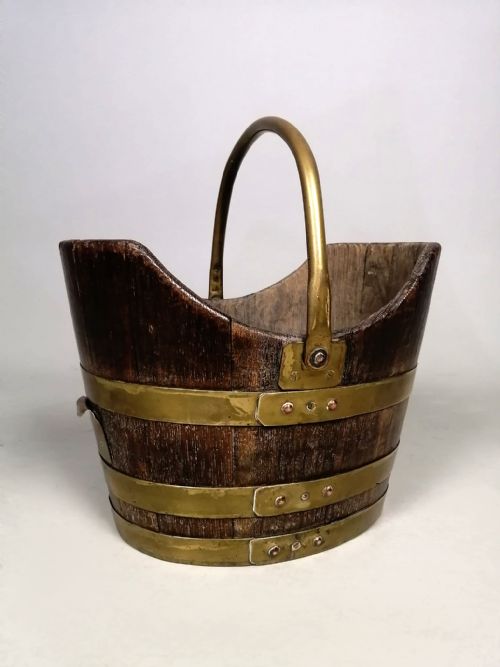
- A container designed to hold solid fuel for a fireplace, often featuring a hinged lid, a drop handle, and a removable metal liner. Many incorporate brass mounts to protect the timber from heavy use.
- Stick stand
- A piece of hallway furniture intended for walking sticks and umbrellas, frequently utilising a barrel form with metal drip trays inside. These tall vessels keep hallways tidy by containing dampness.
- Armorial crest
- A heraldic design engraved or applied to an object, often marking institutional ownership or familial lineage. Pieces bearing these crests indicate specific provenance.
- Stave
- One of the narrow vertical strips of wood that form the sides of a coopered barrel or bucket. The edges are bevelled to ensure a tight, watertight fit around the circumference.
Antique Brass Oak Container: Frequently Asked Questions
Were these containers used exclusively for coal?
While many period vessels served as coal scuttles or fire buckets by the hearth, others functioned as umbrella and stick stands in the hallway. The interior fittings usually indicate the intended purpose of the piece.
Containers with metal liners often held fuel or ash, whereas taller oval barrels with open tops accommodated walking canes and rain gear.
How do I date an oak barrel container?
Dating relies on examining the construction marks, the style of the brass banding, and the wear patterns on the timber. Georgian and Victorian pieces exhibit distinct hand-tooled characteristics that differentiate them from later Edwardian examples.
Checking for original hardware, such as liners or specific crests, provides further context for the period of manufacture.
Can I use an antique coal bucket daily?
These robust vessels remain entirely functional for everyday use in modern homes, whether storing firewood or holding walking sticks. The durable combination of oak and brass was originally built to withstand rigorous daily handling.
Ensure the interior liner is used if moisture or heavy debris is involved, protecting the historic timber base from unnecessary damage.