




Hallway Pendant Lamp
A hallway pendant lamp brings immediate character and practical illumination to an entrance space, drawing from Edwardian, Victorian, and Art Deco traditions.
Hallway Pendant Lamp
A hallway pendant lamp serves as the primary illumination for entrance spaces and corridors, drawing from an extensive range of periods from the nineteenth century through to the nineteen-thirties. Buyers searching for a hallway pendant lamp will encounter various hanging configurations, from compact ceiling fittings to substantial lanterns designed to anchor an interior scheme.
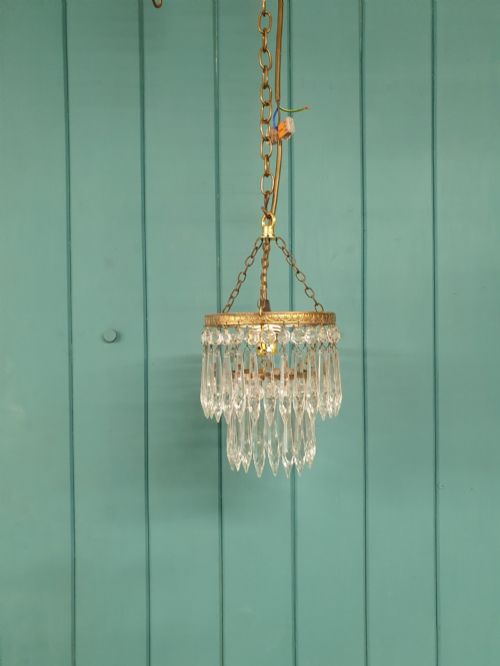
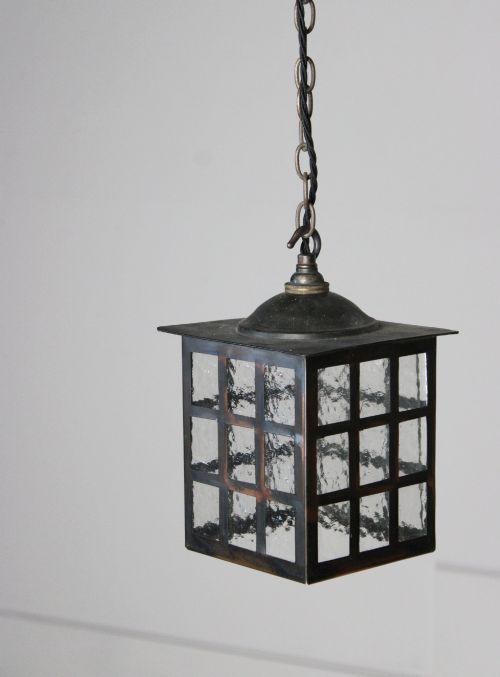
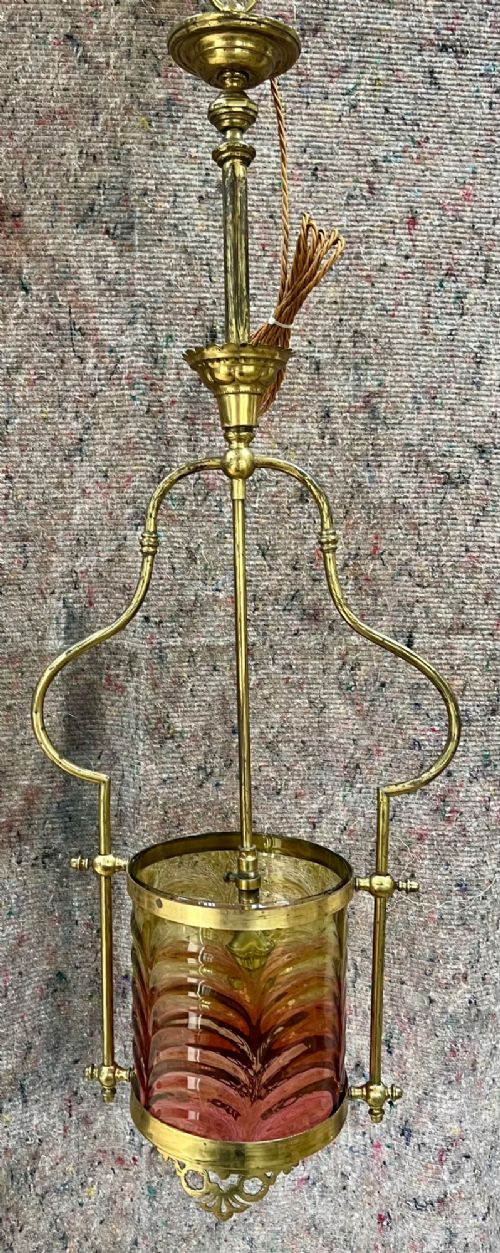
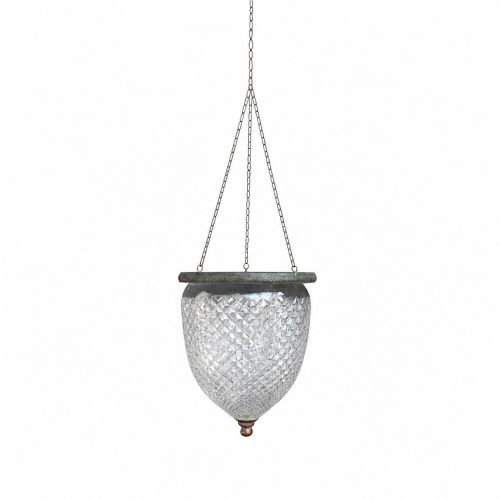
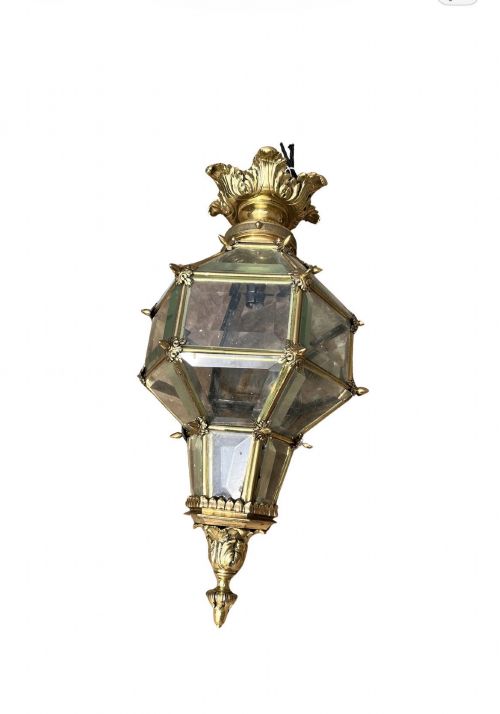
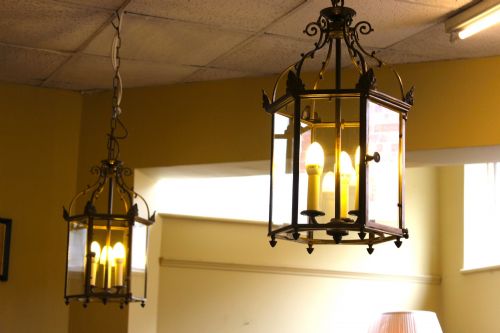
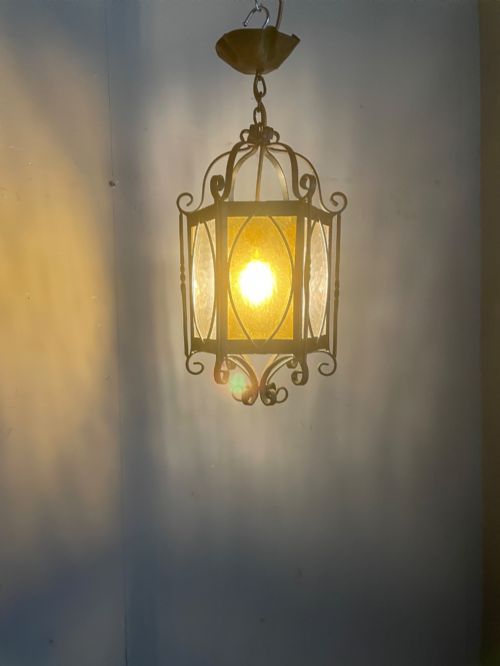
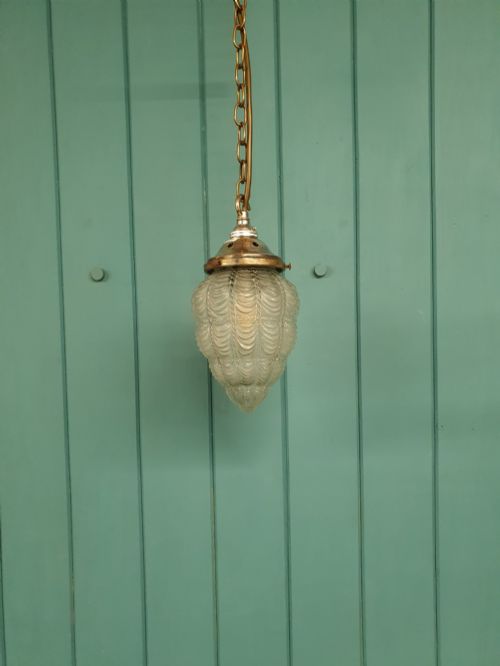
The selection here encompasses distinct stylistic expressions such as Edwardian, Art Nouveau, Art Deco, and Gothic Revival. These fixtures appear in forms ranging from hexagonal brass lanterns and pear-shaped opaline shades to cut glass crystal spike chandeliers.
Origins span British workshops alongside continental examples, including French Louis XVI style and Versailles aesthetic pieces. The domestic entrance demands a fitting that provides adequate downward illumination while asserting a distinct historical style upon entry.
Materials and construction methods
Metalwork forms the structural backbone of these fixtures, predominantly utilising brass, copper, bronze, wrought iron, steel, and chrome. Artisans shaped these metals into robust frames, geometric lanterns, and suspension chains designed to bear the weight of glass panels.
Glass components define the optical quality of each pendant, utilising cut glass, crystal, frosted glass, coloured glass, and opaline glass. These panels and drops were individually cut, moulded, or blown to refract light effectively across an entrance hallway.
Construction techniques combine traditional metal fabrication with precision glass-working. Frames are soldered, riveted, or cast, securing glazed panels and crystal lustres within rigid structural boundaries.
Materials represented across these hallway fixtures include brass, copper, bronze, wrought iron, steel, and chrome, paired with various cut and opaline glass forms.
Distinctions in manufacture and design
The caliber of a pendant rests heavily on the substance of its metal frame and the clarity of its glass elements. Heavier gauge brass and bronze components provide structural integrity that lighter stamped metals cannot match.
Detailing differentiates standard production from exceptional pieces, particularly in hand-cut crystal drops, bevelled glass panes, and refined casting work. The integration of decorative motifs reflecting Art Nouveau or Arts & Crafts movements dictates the artistic merit of the fixture.
F&C Osler
The Hallway Pendant Lamp Glossary
- Plafonnier
- A ceiling light that is mounted flush or very close to the ceiling rather than suspended on a long chain or cord. This style suits hallways with lower ceiling heights.
- Opaline
- A milky, translucent glass popular in early twentieth-century lighting. It diffuses light softly to reduce harsh glare in confined spaces.
- Lustre
- A cut glass pendant or drop suspended from a chandelier to reflect and refract light. These elements amplify illumination within dark entranceways.
- Convex lantern
- A hanging light featuring curved glass panes that bulge outward. This design casts light across a wider angle in narrow corridors.
Hallway Pendant Lamp: Frequently Asked Questions
How do I choose the right size hallway pendant lamp?
Consider both the ceiling height and the floor area of your entrance space before selecting a hanging fixture. Compact rooms benefit from flush plafonniers or short-drop lanterns, while taller stairwells accommodate larger multi-light chandeliers.
Proportion remains paramount so that the lamp illuminates adequately without obstructing movement through the corridor.
What ceiling height do I need for a hanging lantern?
Standard hallway clearances dictate that the bottom of a pendant lamp should hang at least seven feet above the finished floor level. This prevents obstruction for people walking underneath while maintaining proper visual focus.
Adjustable chains or suspension rods allow for height customisation during the fitting process.
How do I identify an Edwardian hall lantern?
Edwardian hallway pendant lamps typically feature bright brass framing, clear or frosted glass panels, and restrained decorative flourishes. They reflect a transition from Victorian heaviness toward lighter, more refined domestic interiors.
Common forms include hexagonal or rounded lanterns designed to maximise brightness in town and country houses.