

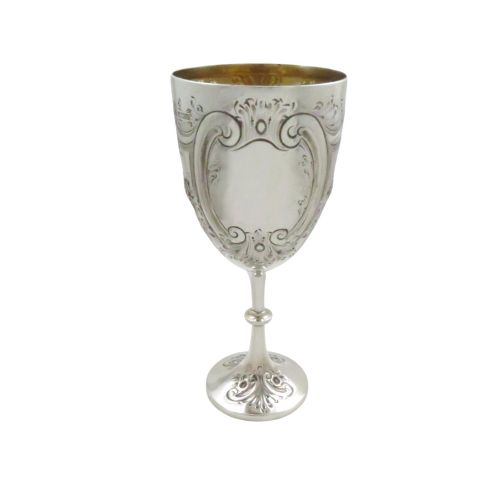
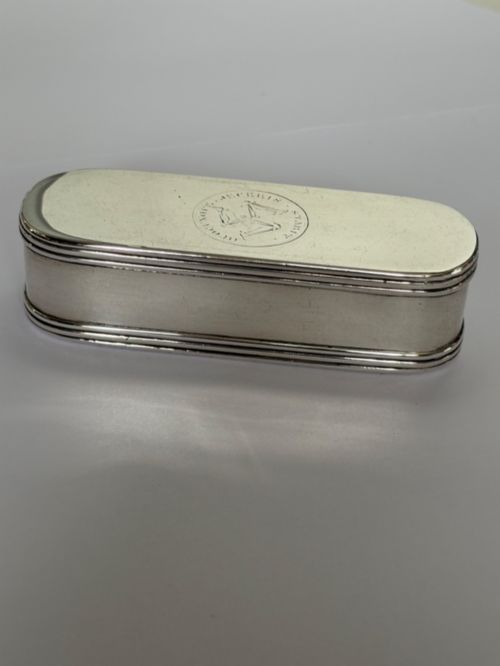
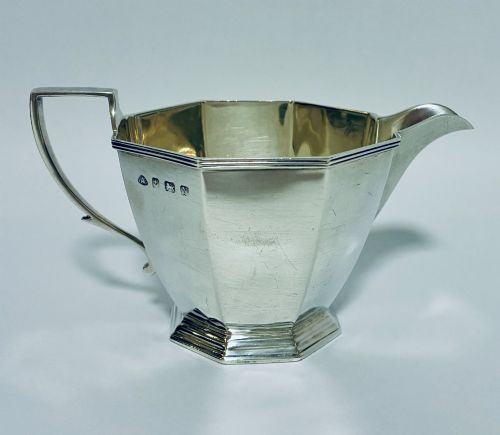
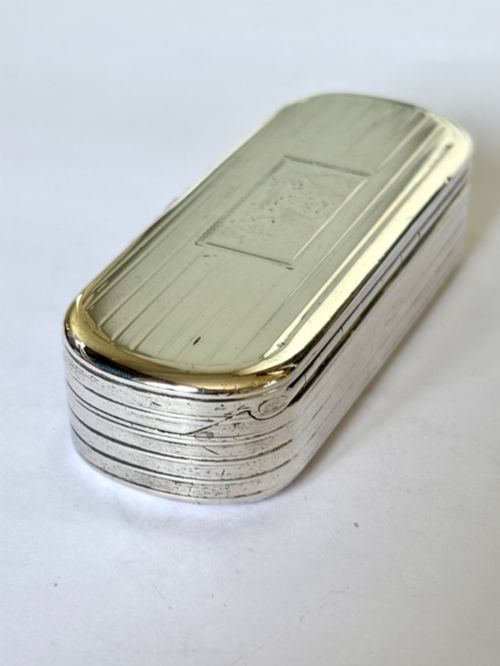





Hallmarked Sterling Silver Gilt
Hallmarked sterling silver gilt pieces combine solid silver foundations with a rich gold wash, offering both durability and brilliant surface warmth.
Hallmarked Sterling Silver Gilt
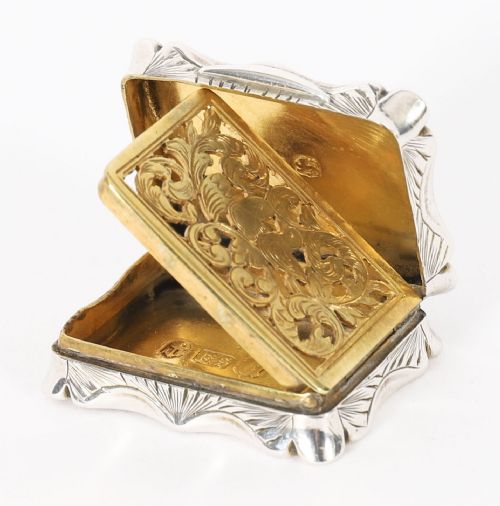
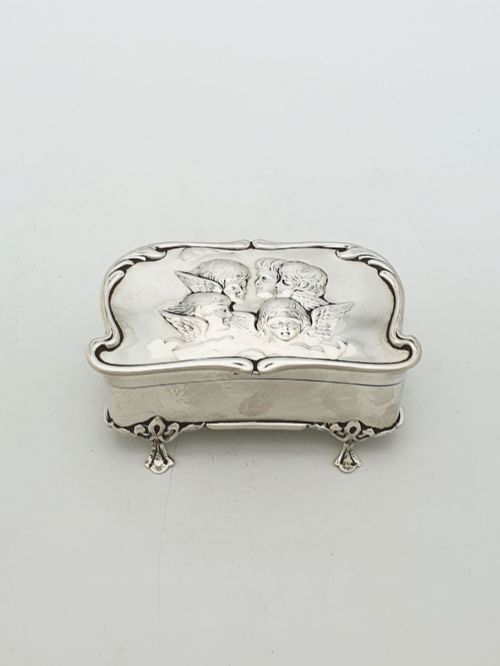
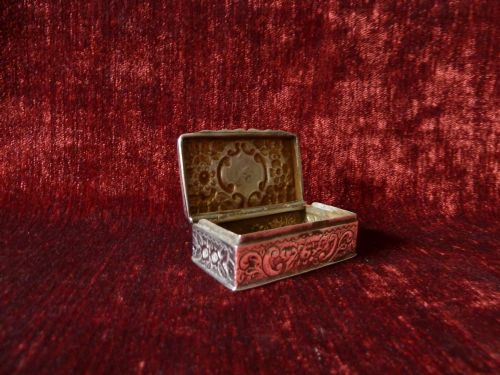
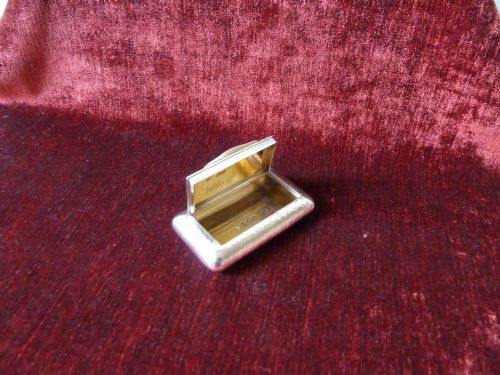
When you search for hallmarked sterling silver gilt, you encounter objects ranging from small pocket containers to full tea and coffee services, all carrying official assay office stamps. The version you are most likely to meet on this page is a nineteenth-century snuff box or trinket box, often featuring intricate gilding on the interior surfaces.
Makers and assay towns recorded across the pieces include London, Birmingham, and Chester, with specific pieces linked to silversmiths like Cornelius Bland, Robert Thornton, Edward Smith, Sampson Mordan, Charles Horner, Joseph Craddock, and Edward Edwards.
Materials and construction methods
The underlying structure of these items is solid sterling silver, which provides structural integrity and weight to pieces like hip flasks, sugar bowls, and compacts. Artisans applied a layer of gold over the silver base, a technique known as silver gilt or vermeil, which protected the silver from tarnishing in specific areas like the interior wells of snuff boxes and vinaigrettes.
Hallmarked Sterling Silver Gilt Retail Price Guide 2026
Typical asking prices for hallmarked sterling silver gilt among the pieces listed under this phrase on Sellingantiques today, from the lower quarter to the upper quarter. They describe what is for sale here now, not the wider market.
The listings span multiple centuries, incorporating Georgian, Victorian, Edwardian, and Art Deco periods alongside materials such as glass, velvet, and ormolu.
Distinctions in quality and execution
The standard of a piece depends on the crispness of the hallmarks and the depth of the metalwork, where cast borders and engine-turned patterns retain sharp relief rather than wearing down. Superior items demonstrate careful finishing in the application of the gold wash over the sterling silver base.
Makership influences standing, as items bearing the marks of known silversmiths or specialist assay offices command greater attention. The preservation of original components, such as matched spoons within salt cellars or intact velvet linings in trinket boxes, distinguishes finer survivals.
Cornelius Bland·Robert Thornton·Edward Smith·Sampson Mordan·Charles Horner·Joseph Craddock·Edward Edwards
The Hallmarked Sterling Silver Gilt Glossary
- Sterling silver
- A silver alloy containing 92.5 percent pure silver and 7.5 percent other metals, usually copper, ensuring structural strength for functional items.
- Silver gilt
- Sterling silver that has been coated with a thin layer of gold on its surface, combining silver durability with a gold appearance.
- Vermeil
- A high-quality form of gilding in which gold is applied over a sterling silver base, frequently utilised for the interiors of boxes and presentation items.
- Vinaigrette
- A small ornamental box featuring a perforated internal grille, designed to hold a sponge soaked in aromatic vinegar.
- Hallmark
- An official stamp applied by an assay office to indicate the metal standard, the place of origin, and the year of manufacture.
- Engine turned
- A geometric surface pattern mechanically engraved into metal using a lathe, common on nineteenth-century boxes and compacts.
Hallmarked Sterling Silver Gilt: Frequently Asked Questions
What is sterling silver gilt?
Sterling silver gilt is solid sterling silver that has been plated with a thin layer of gold. This process provides the rich visual warmth of gold while retaining the structural strength and value of silver underneath.
In many antique items, the gilding was applied specifically to the interior surfaces, such as inside snuff boxes or vinaigrettes, to protect the silver from being corroded by acidic contents.
How do I read the hallmarks?
Hallmarks typically consist of a series of small stamped symbols that indicate the standard of the metal, the town where the item was tested, and the year it was made. On these pieces, you will commonly find standard marks denoting sterling quality alongside maker initials and date letters.
Reference tables for specific assay offices like London, Birmingham, or Chester allow you to match the date letter to the exact year of manufacture.
How do I care for silver gilt?
Silver gilt items require careful handling because aggressive polishing can wear away the thin gold layer over the silver base. You should avoid standard silver dips and abrasive cleaning cloths, using only a soft cloth and mild soapy water when necessary.
Store the pieces in dry conditions away from direct sunlight and damp environments to protect both the metal and any delicate interior linings like velvet.