
Hallmarked Silver Set
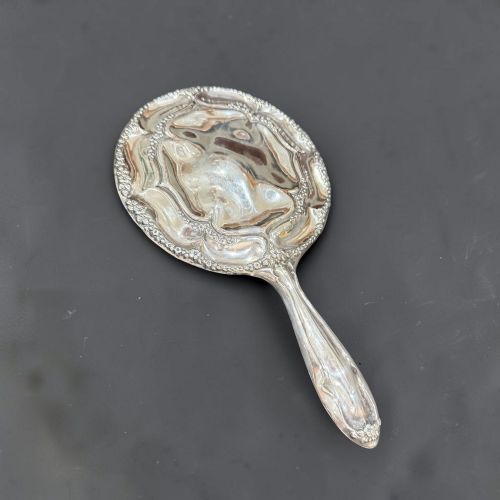
A hallmarked silver set gathers matched or coordinated pieces of tableware, cutlery, or vanity items bearing official assay office stamps.
Hallmarked Silver Set
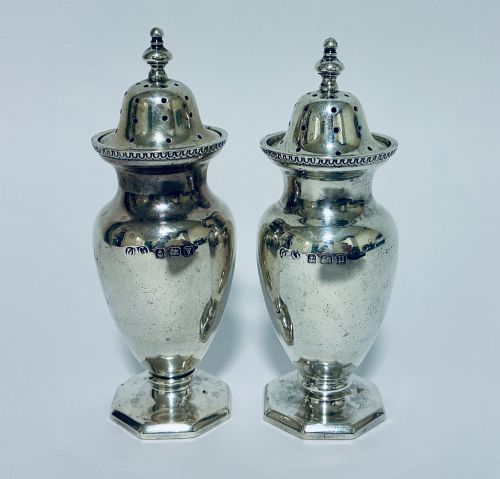
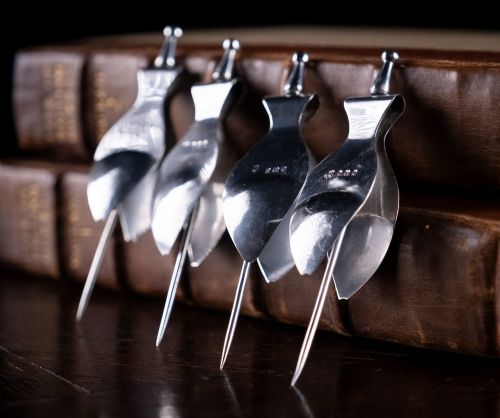
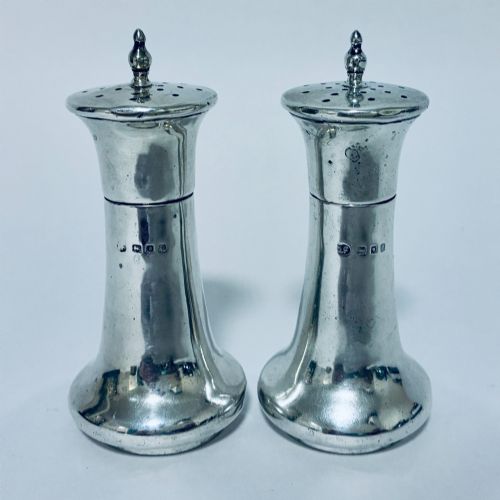
A hallmarked silver set comprises multiple matching or fitted items produced for dining, dressing, or ceremonial use. Buyers searching for a hallmarked silver set encounter functional groupings ranging from Victorian christening forks and spoons to Edwardian napkin rings and George V condiment cruets.
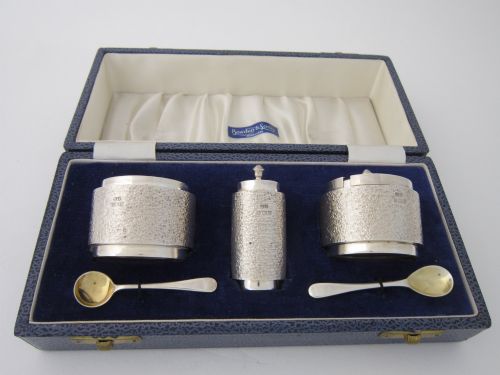
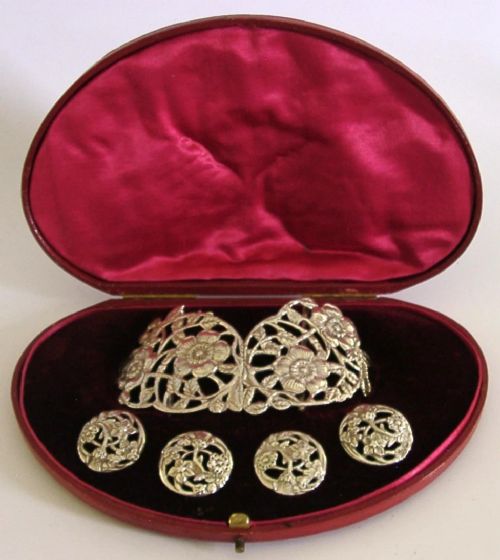
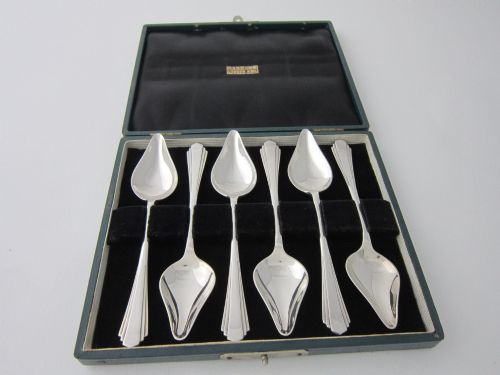
Many survivors retain their original fitted presentation boxes lined in silk, velvet, or leatherette. These fitted cases protect the contents and indicate items intended from the outset as gifts or formal presentation pieces.
The selections span from the late Georgian and Victorian eras through the Edwardian period and into mid-century modern design. Cruet sets, tea services, butter dishes, and spoon collections dominate the inventory.
How They Were Made
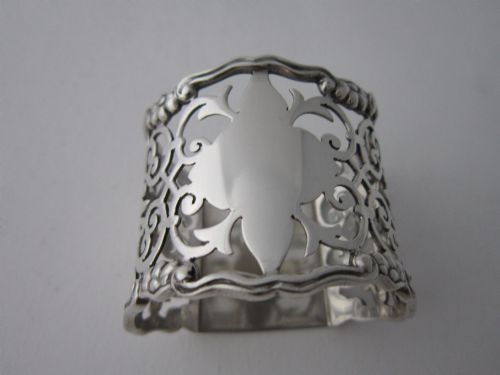
Silversmiths shaped sterling silver through hammering, casting, spinning, and piercing. Many holloware pieces, such as mustard pots and sugar baskets, incorporate hand-pierced lattice patterns or embossed floral motifs.
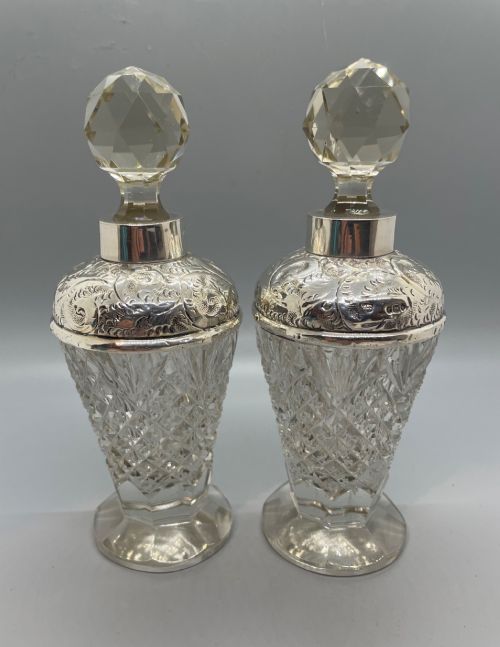
Makers paired the metal with functional inserts of cut glass, cobalt blue glass liners, or materials like coromandel wood in larger tantalus units. Fitted presentation boxes utilise wood or card carcases covered in leatherette and lined with silk or velvet to cradle each individual item safely.
Listings feature sterling silver sets spanning the late eighteenth century through the mid-twentieth century, encompassing Georgian, Victorian, Edwardian, and Art Deco designs.
What Varies in Quality
Standard varies through the crispness of the maker's chasing, piercing, and embossing. Heavy gauge sterling silver maintains structural rigidity and resists denting far better than thinner stamped alternatives.
Completeness dictates utility and collectability. Sets retaining every original element, matching hallmarks across all components, and the original fitted box command greater regard than assembled groups or incomplete gatherings.
Richard Comyns·Hamilton & Inches·William Burwash·Goldsmiths & Silversmiths·Charles Boyton·C.T. Burrows & Sons·Elizabeth Eaton·William Suckling Ltd·Lanson Ltd·Wm Adams Ltd·Viners Ltd·Francis Higgins II·Roberts & Belk·Joseph & Albert Savory·Mappin & Webb·William Devenport·Hilliard & Thomason·Chawner & Co·George Unite·John Schofield
The Hallmarked Silver Set Glossary
- Hallmark
- Official marks stamped into precious metals indicating the standard of purity, the assay office, and the date letter. These stamps provide the primary method for dating British silver.
- Cruet set
- A matched gathering of small containers for condiments such as salt, pepper, mustard, and vinegar. They frequently sit on a dedicated silver stand or tray.
- Holloware
- Tableware items possessing volume, such as teapots, milk jugs, sugar bowls, and condiment pots. Silversmiths construct these by raising, spinning, or casting.
- Assay office
- An official organisation charged with testing the purity of precious metal items and stamping them with lawful hallmarks. London, Birmingham, Sheffield, and Chester remain prominent examples.
- Bright-cut engraving
- A surface decoration technique utilising faceted angled cuts to reflect light from the metal. It appears frequently on Georgian and Victorian flatware and spoons.
Hallmarked Silver Set: Frequently Asked Questions
What is included in a christening set?
A traditional christening set typically contains a napkin ring, an egg cup, and a spoon, or a small fork and spoon combination. These pieces are frequently manufactured in solid sterling silver and presented in a fitted silk-lined box.
Such sets served as traditional gifts for newborns and young children, often marked with engraved initials or dates. Many survive today in pristine condition because families preserved them as keepsakes rather than utilising them daily.
How do I read silver hallmarks?
British silver hallmarks normally consist of a sponsor or maker mark, a standard mark indicating sterling purity such as a lion passant, an assay office mark, and a date letter. Together these symbols reveal precisely where and when an item was made.
Reference charts compiled by assay offices help decode the specific font shapes and shield outlines associated with each individual year cycle. This system provides an exact historical record for every stamped component.
Why do some cruet sets have glass liners?
Mustard pots and jam jars incorporate glass liners to protect the reactive sterling silver from corrosive food acids. Cobalt blue and clear cut glass liners are the most common variants encountered in antique sets.
These liners lift out easily for washing after use. Surviving intact with its original glass liner adds significant authenticity to a condiment set.
Can I use antique silver daily?
Sterling silver tableware and cutlery can be used for everyday dining provided it receives proper care and hand washing. Avoiding abrasive cleaners and harsh dishwashers preserves the polished finish and delicate engraved details.
Regular gentle use prevents the silver from building up heavy tarnish. Storing items in dry, anti-tarnish conditions when not on the table keeps the metal bright.