





Hallmarked Silver Service
These pieces of hallmarked silver service bring refined metalwork to the table, offering formal dining sets and individual vessels that collectors prize for their assay office stamps.
Hallmarked Silver Service
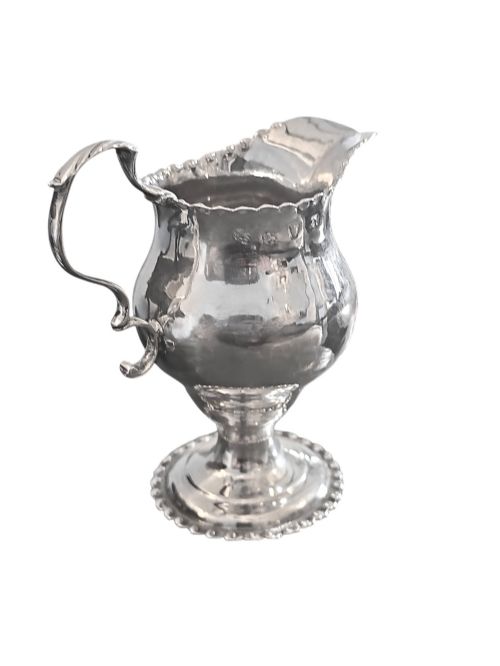
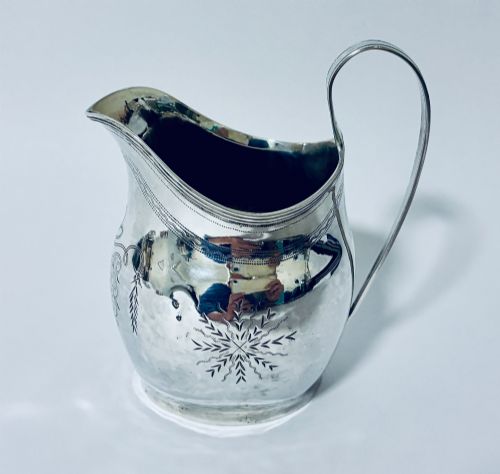
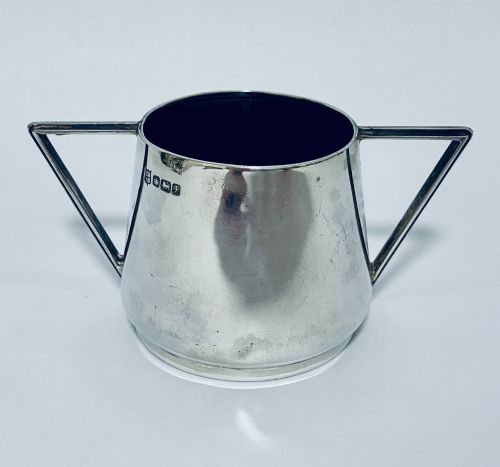
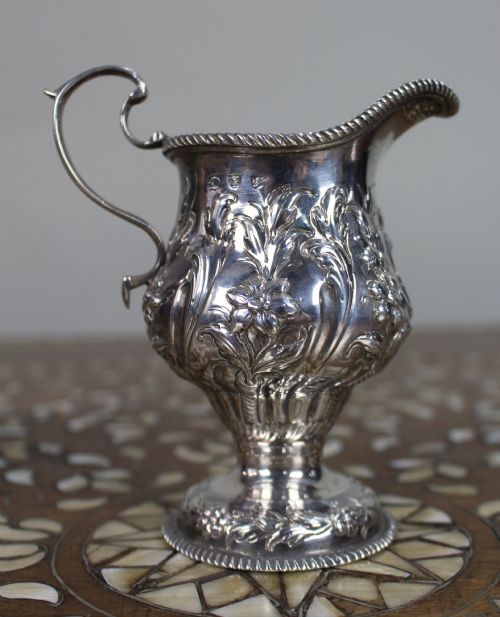
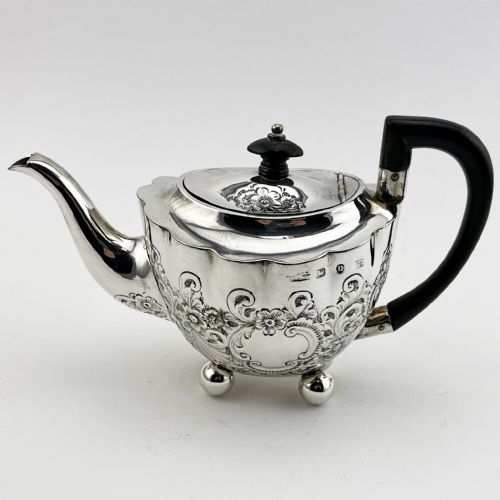
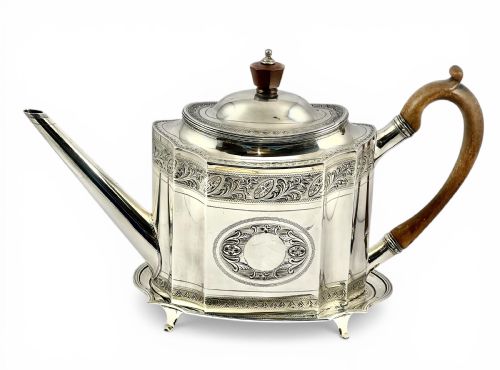
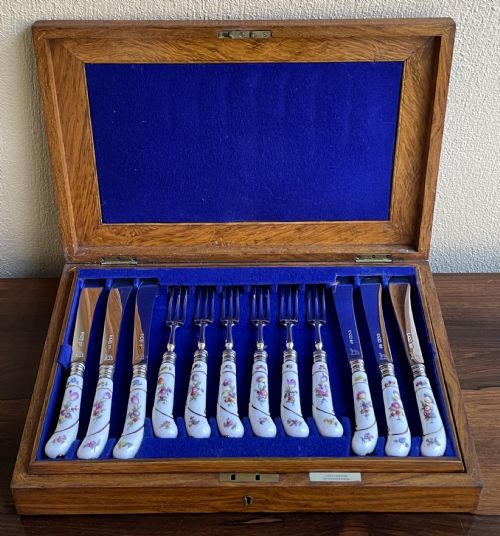
A hallmarked silver service covers everything from complete tea and coffee sets to matching dessert cutlery, egg cruets, and individual cream jugs or sugar bowls. The items range across Georgian, Victorian, Edwardian, and Art Deco periods, showcasing forms intended for formal domestic hospitality.
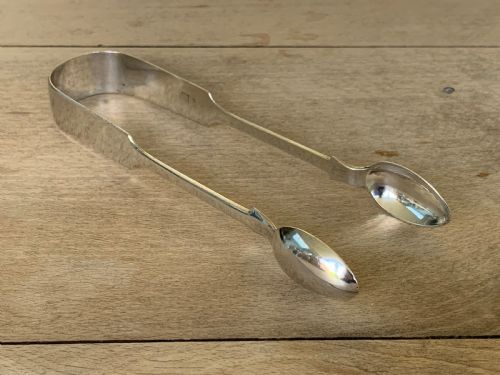
Teapots, ewers, and gravy boats sit alongside smaller implements like sugar tongs and nips, often grouped in multi-piece configurations. Buyers frequently encounter individual vessels alongside complete canteens and fitted boxed sets.
Materials and construction methods
Silversmiths utilised sterling silver alongside silver gilt, frequently incorporating wooden handles, ebonised wood insulators, or porcelain and crystal components to contrast the metal. Cases lined with velvet protect fitted multi-piece table services.
Construction relies on traditional smithing techniques, uniting shaped sheet metal with cast handles and feet, before applying official hallmarks to verify the silver standard and assay origin.
Hallmarked Silver Service Retail Price Guide 2026
Typical asking prices for hallmarked silver service among the pieces listed under this phrase on Sellingantiques today, from the lower quarter to the upper quarter. They describe what is for sale here now, not the wider market.
Listings incorporate sterling silver, ebonised wood, porcelain, and velvet across Georgian, Victorian, and Art Deco periods.
Distinctions in quality and execution
The standard of a hallmarked silver service rests on the crispness of chased and engraved ornamentation, the structural integrity of hinged lids, and the balance of insulated handles. Maker marks from established silversmiths elevate the standing of a piece.
Comprehensive sets retained in their original fitted boxes demonstrate superior provenance compared to assembled groupings, while uniform hallmarks across multi-piece tea services indicate cohesive manufacturing.
Robert Hennell I·Carrington·John Rawlings·Joseph Craddock·Benjamin Smith·Josiah Williams and Co·Wilmot Manufacturing Co·Harry Atkin
The Hallmarked Silver Service Glossary
- Hallmark
- Official stamps struck into precious metals to guarantee the purity of the silver, the assay office, and the date of production. These marks provide the primary evidence for dating an antique service.
- Ewer
- A large jug with a wide spout and a looped handle, traditionally used for holding water or cream. In silver services, these pieces often feature elevated footed bases.
- Cruet set
- A matched group of small containers designed to hold condiments, eggs, or seasonings for the dining table. They frequently sit within open metal frames.
- Silver gilt
- Sterling silver that has been coated with a thin layer of gold on its interior or exterior surfaces. This technique adds warmth and protects the underlying silver from tarnishing.
- Sugar nips
- Small spring-action implements used for grasping sugar lumps before the widespread adoption of granulated sugar. They often feature ornate pierced handles.
Hallmarked Silver Service: Frequently Asked Questions
What is a hallmarked silver service?
A hallmarked silver service comprises matched or coordinated tableware items, such as tea sets, cutlery, and cruets, stamped with official assay marks.
These collections reflect formal dining traditions across the Georgian, Victorian, and later periods.
How do I read silver hallmarks?
Silver hallmarks typically include a standard mark for the metal purity, a town mark for the assay office, and a date letter.
Together, these stamps allow collectors to trace the exact year and location of manufacture for each vessel.
Were tea and coffee services used daily?
Complete tea and coffee services were central to domestic hospitality, deployed during formal visits and afternoon gatherings.
Over time, many sets transitioned from active service pieces into decorative dining room displays.
How do I care for antique silver?
Antique silver requires gentle cleaning with non-abrasive cloths and dedicated polishes to preserve the surface and the stamped hallmarks.
Storing pieces in dry environments or velvet-lined boxes helps prevent natural tarnishing.