


Hallmarked Silver Glass Bottle
A hallmarked silver glass bottle brings together heavy glass and precious metal for dressing tables and dining rooms.
Hallmarked Silver Glass Bottle
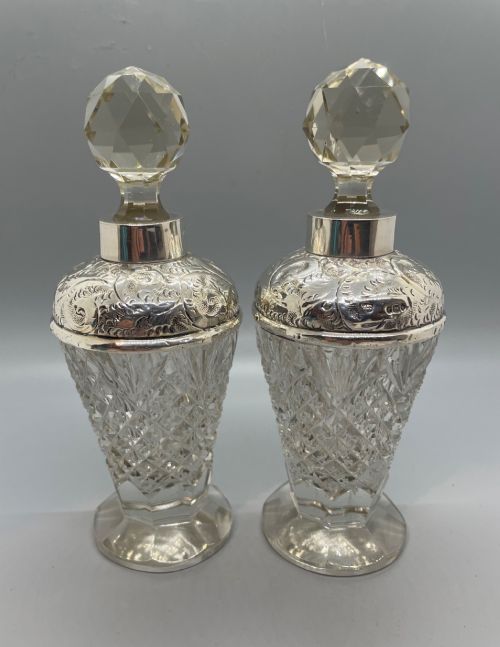
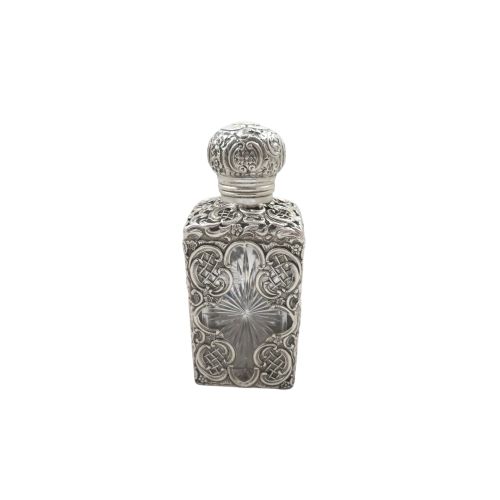
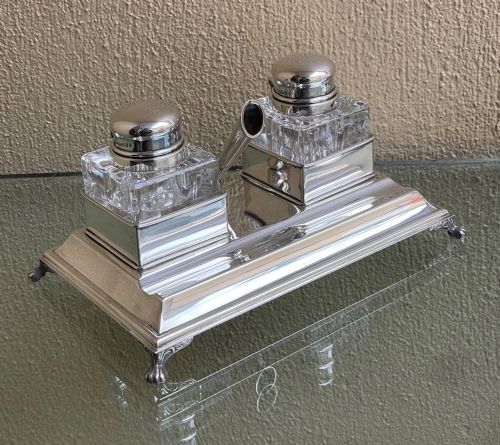
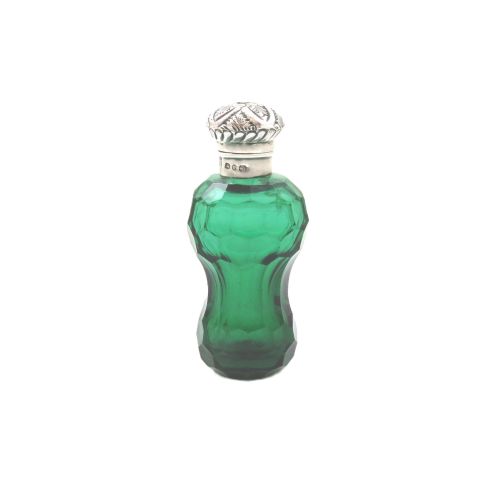
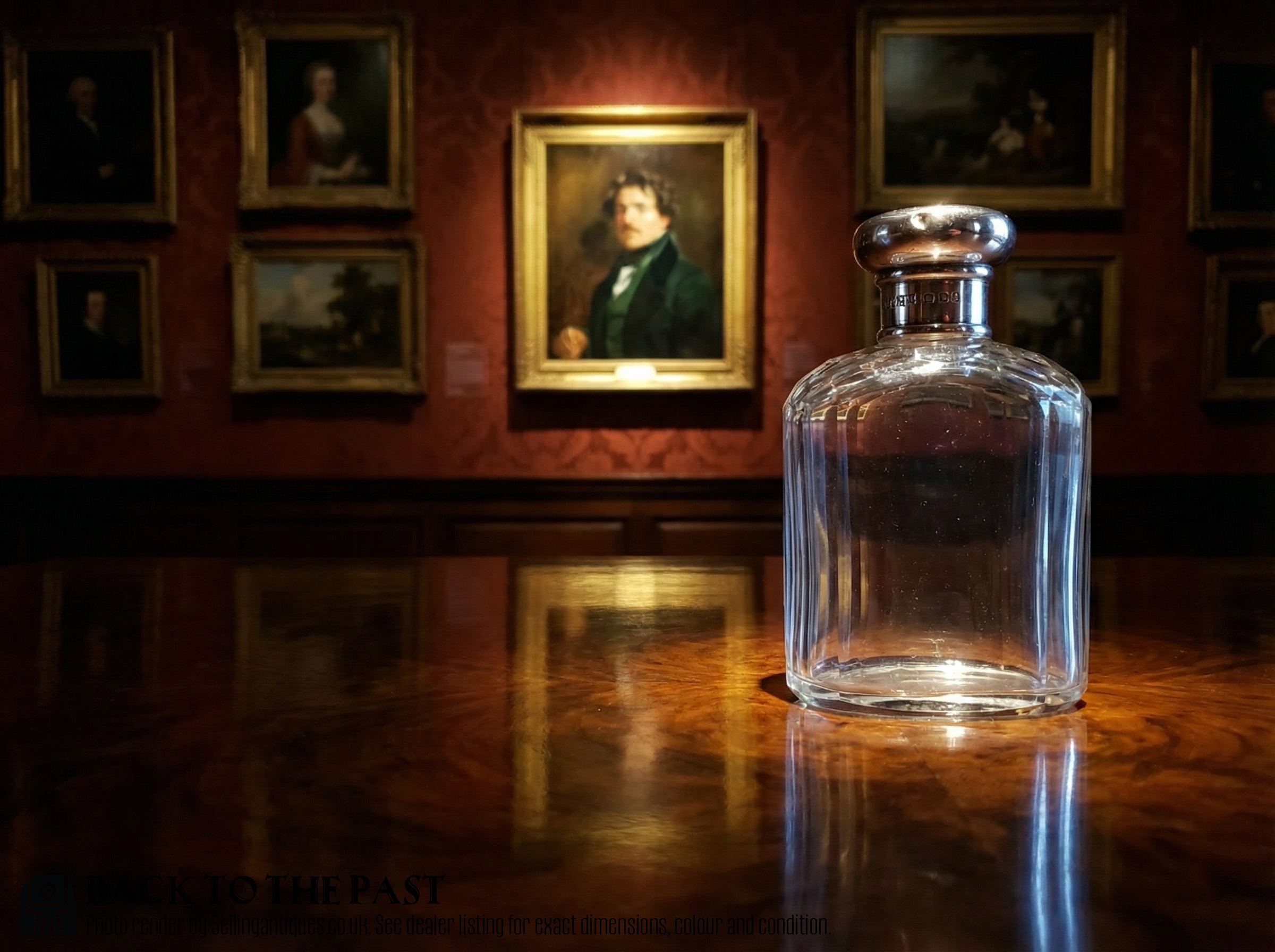
A hallmarked silver glass bottle combines glass bodies with marked silver mounts, collars, or stoppers. These pieces function as perfume containers, scent flasks, inkstands, and table decanters.
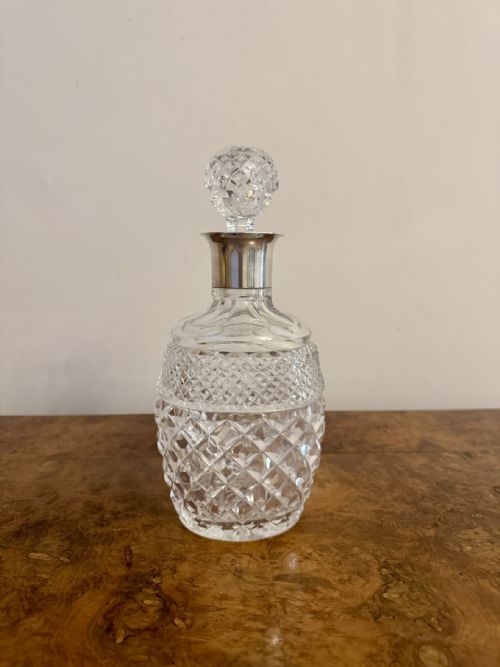
The version most commonly met on this page is the Victorian or Edwardian scent or perfume bottle, often featuring cut glass paired with sterling silver collars. Makers also produced larger table decanters and spirit flasks with matching silver hardware.
Originating from periods spanning the Georgian era to the mid-twentieth century, these items reflect the domestic habits of past generations. Collectors encounter everything from miniature dressing table items to substantial liquor decanters.
How they were made
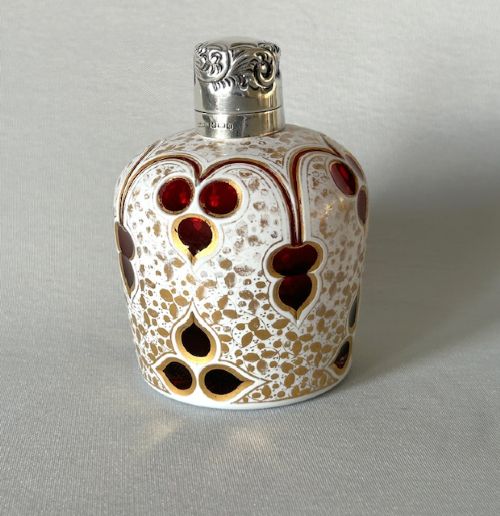
Craftsmen shaped the glass bodies using cutting, moulding, and crystal-blowing techniques, producing clear, green, or Bohemian coloured vessels. Heavy cut crystal and patterned glass provided a durable foundation for the metal mounts.
Silversmiths formed the sterling silver components by spinning, stamping, or casting, applying hallmarks to indicate the assay office, year, and metal standard. Enamel, tortoiseshell, and gold leaf occasionally decorated the silver hardware or glass surfaces.
Mounts and collars were secured to the glass necks using specialised adhesives or tight mechanical fittings, often incorporating hinged lids with cork or glass stoppers inside to maintain a tight seal.
Miniature champagne bottles fitted with silver tops allowed Victorian travellers to carry celebratory bubbles wherever they went.
What varies in quality
The depth and precision of the glass cutting separate standard vessels from finer examples, alongside the clarity and weight of the crystal or glass itself. Intricacy in the silver chasing and the presence of supplementary materials like enamel or tortoiseshell elevate a piece.
The integrity of the original hallmarks and the snugness of the hinged silver lids demonstrate manufacturing standard. Pieces bearing identifiable maker marks from notable workshops command greater interest among collectors.
Charles Thomas Fox·Henry Perkins·Hukin & Heath·Collett & Anderson
The Hallmarked Silver Glass Bottle Glossary
- Hallmark
- Official stamps struck into precious metals indicating the purity, assay office, and year of manufacture. These marks provide a secure method for dating English silver.
- Sterling silver
- An alloy consisting of ninety-two point five percent silver and seven point five percent other metals, typically copper. This standard dominated British silver production.
- Decanter
- A vessel used for holding and serving liquids such as wine or spirits. Examples here feature glass bodies fitted with silver collars and stoppers.
- Tantalus
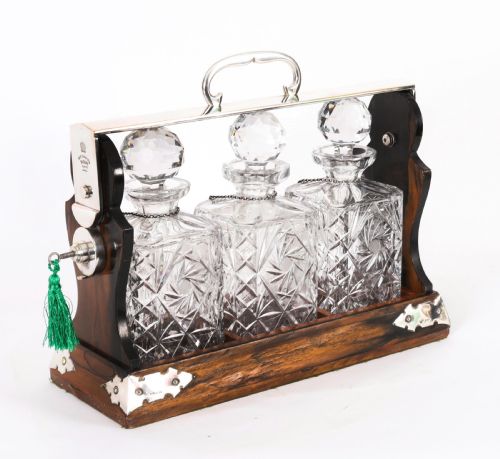
- A locking frame device designed to hold decanters securely while preventing unauthorized access to the contents. They often incorporate rich woods like coromandel alongside silver hardware.
- Cut glass
- Glass decorated by grinding facets or patterns into the surface using wheels. This technique enhances the refractive qualities of the material.
Hallmarked Silver Glass Bottle: Frequently Asked Questions
What do the different silver hallmarks indicate?
British hallmarks typically display a maker mark, a standard mark such as a lion passant for sterling, an assay office symbol, and a date letter. Together these stamps verify the metal purity and exact year of creation.
Matching marks on both the lid and the collar confirm that the silver components belong together originally.
How can I tell a Victorian bottle from an Edwardian one?
Victorian pieces often display heavier, ornate cast silver mounts with deep floral chasing or complex hobnail cut glass. Edwardian examples tend to feature lighter, more restrained geometric or neoclassical motifs.
Examining the date letter within the hallmark provides the definitive year of manufacture.
Were these bottles meant for travel?
Some smaller scent flasks and spirit flasks featured secure screw tops or double-ended designs specifically for carriage use. Dressing case bottles fitted tightly into leather travel boxes.
Larger decanters and inkstands remained stationary on sideboards and desks.
Why do some perfume bottles have two ends?
Double-ended scent bottles allowed owners to carry two different fragrances or smelling salts within a single compact item. One end usually featured a hinged lid while the other had a screw cap.
Divided glass interiors kept the two liquids completely separate.