





Vintage Silver Top Flask
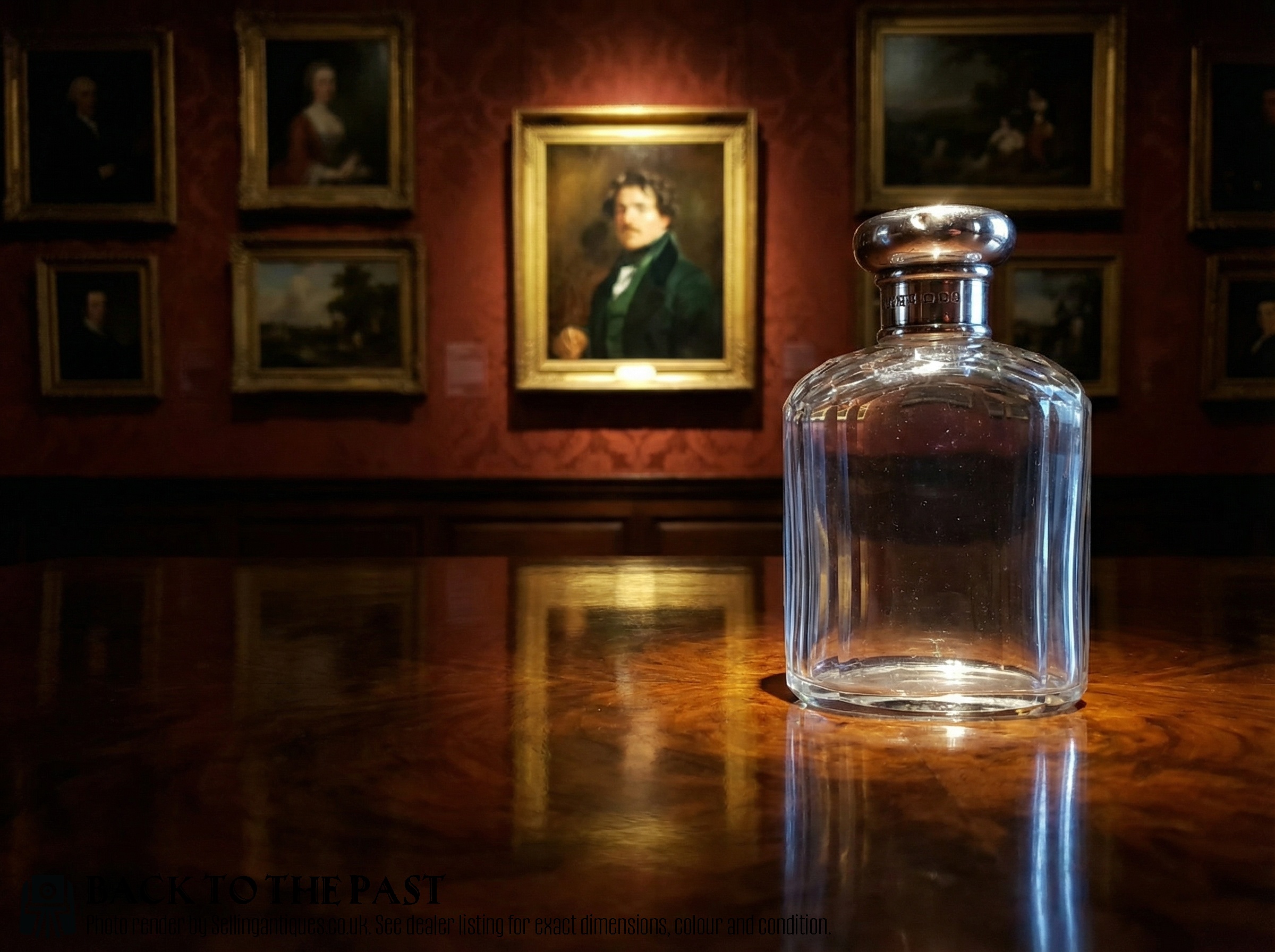
These vintage silver top flask pieces combine precious metal mounts with glass bodies for pocket or dressing table use.
Vintage Silver Top Flask
When you search for a vintage silver top flask, you encounter items designed for personal carriage or domestic display, spanning pocket hip flasks and dressing table scent bottles. The selection spans the nineteenth century through the Art Deco era, covering Victorian, Edwardian, and George V periods.
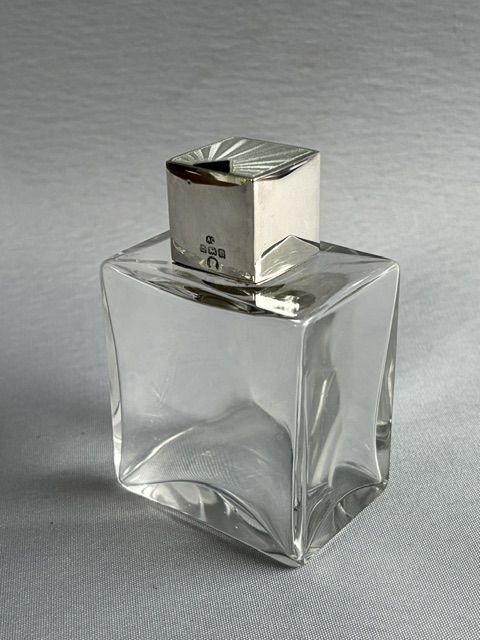
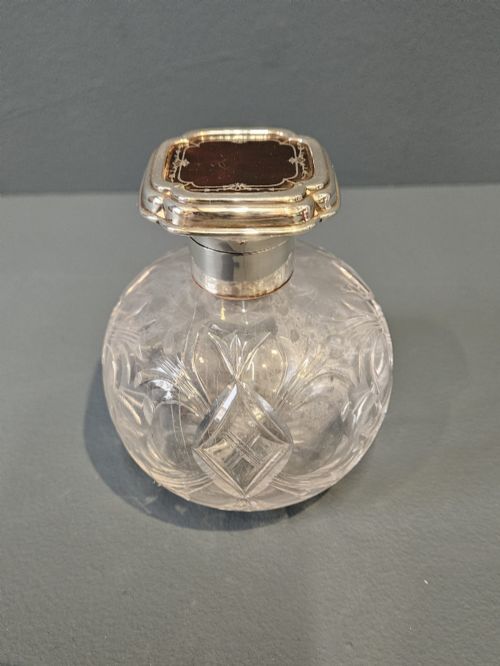
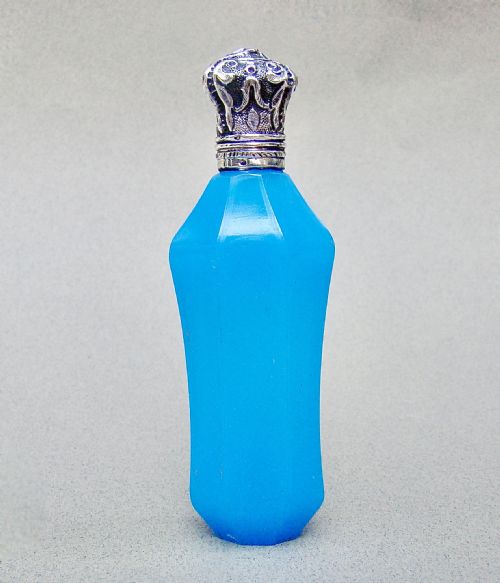
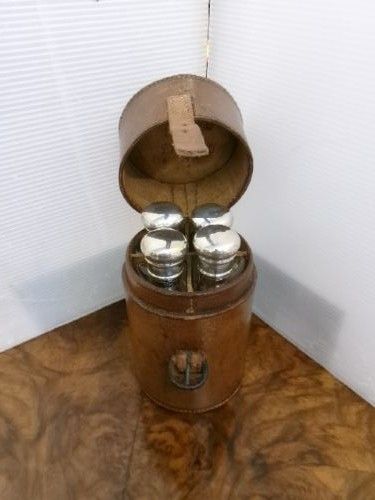
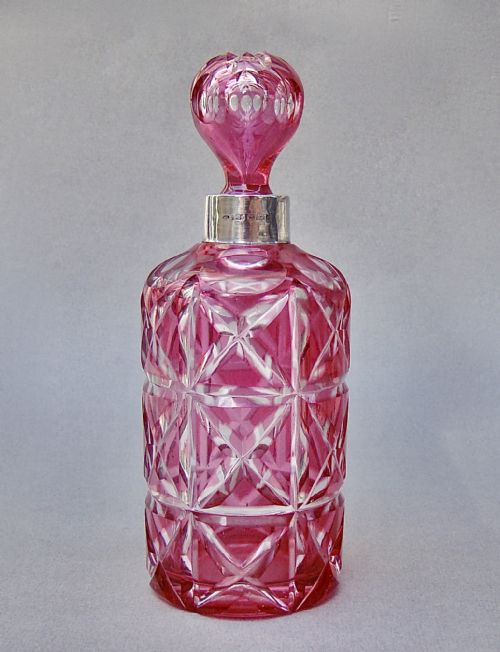
The most frequent examples on this page are scent and perfume bottles paired with drinking flasks, utilising glass bodies with sterling silver or silver plated lids. Forms range from cylindrical cut crystal vessels to coloured opaline glass and leather cases containing multiple containers.
How they were made
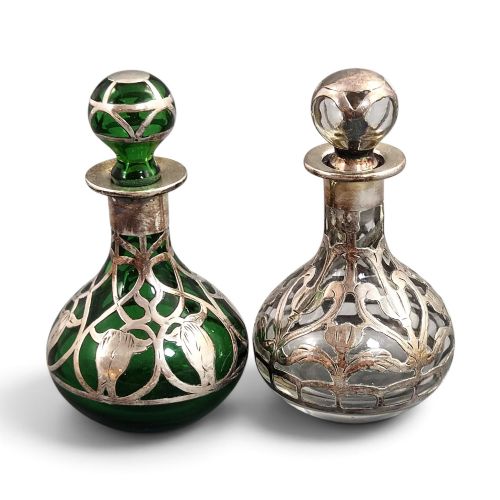
The body of each piece relies on blown or cut glass, crystal, opaline, or cranberry glass, occasionally encased in leather, tortoiseshell, or silver overlay. Artisans shaped these glass forms by hand before applying metal mounts.
Lids and collars consist of sterling silver or silver plate, frequently featuring hand-hammered finishes, guilloche enamel panels, or hinged flip tops. Makers stamped hallmarks onto the silver components to record the assay office, year, and silversmith.
Vintage Silver Top Flask Retail Price Guide 2026
Typical asking prices for vintage silver top flask among the pieces listed under this phrase on Sellingantiques today, from the lower quarter to the upper quarter. They describe what is for sale here now, not the wider market.
Listings feature items spanning the Victorian, Edwardian, George V, and Art Deco periods, created from sterling silver, cut crystal, and guilloche enamel.
What varies in quality
The distinction between standard items and superior examples rests on the complexity of the materials and the prestige of the maker. Pieces combining cut crystal with guilloche enamel or intricate silver overlay demand greater skill than plain glass containers.
Assay office hallmarks and identified maker marks elevate the standing of a piece, as do complete sets housed in their original leather travel cases. The integration of specialty glass, such as opaline or Mary Gregory designs, further marks out finer examples.
Gorham·Harold Bushell & Co·Asprey London·JB Chatterley & Sons·Barnsley & Co
The Vintage Silver Top Flask Glossary
- Sterling silver
- A silver alloy containing 92.5 percent pure silver by mass, standard for quality mounts and lids. British pieces typically bear a lion passant hallmark to confirm this standard.
- Guilloche enamel
- A decorative technique where intricate geometric patterns are engraved beneath translucent enamel. This finish appears frequently on Edwardian and Art Deco scent bottle lids.
- Opaline glass
- An opaque or translucent glass developed in the nineteenth century, often coloured in shades of turquoise or green. It provides a smooth, porcelain-like background for silver mounts.
- Cut crystal
- High-clarity glass cut with faceted patterns to refract light, utilised for heavy perfume bottles and decanters. The facets enhance the brilliance of the glass body.
- Tortoiseshell
- Material derived from the shell of marine turtles, employed as an overlay or panel alongside silver on dressing table bottles. It creates a warm, mottled brown contrast to the metal top.
Vintage Silver Top Flask: Frequently Asked Questions
What is a vintage silver top flask used for?
These items served two main purposes depending on their shape, functioning either as portable pocket containers for spirits like whisky or as dressing table vessels for perfume and cologne.
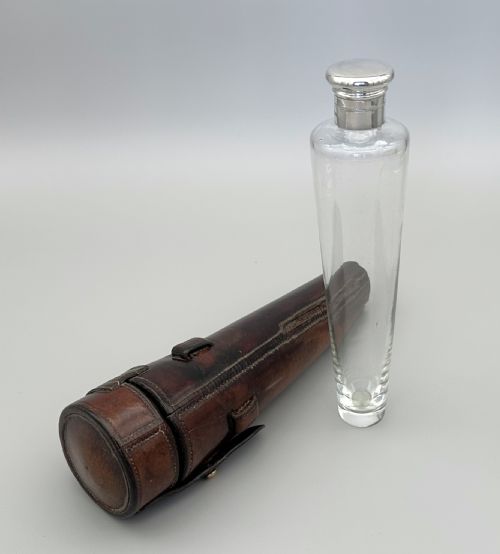
Drinking flasks fit easily into pockets or leather travel cases for hunting and outdoor pursuits, while scent bottles sat upon vanity surfaces with hinged or screw tops to preserve volatile fragrances.
How do I identify the date of a silver top flask?
Dating relies primarily on the hallmarks stamped onto the sterling silver mounts, which indicate the assay office and the exact year of manufacture.
Stylistic indicators such as Art Nouveau floral motifs, Edwardian proportions, or Art Deco enamel work also help assign pieces to specific decades between the Victorian era and the 1930s.
Are these flasks made of solid silver?
Many of the lids and mounts are fashioned from solid sterling silver, stamped with traditional British assay marks to verify their metal content.
Other examples utilise silver plate over a base metal, while the bodies themselves consist of glass, crystal, opaline, or occasionally crocodile-wrapped frames.
How should I care for glass and silver flasks?
Maintenance requires gentle cleaning of the silver mounts using a soft cloth to avoid scratching the delicate metal or surrounding enamel panels.
Glass bodies can be rinsed with warm water, taking care to protect any leather casings, tortoiseshell panels, or original fitted travel cases from excessive moisture.