

Hallmarked Silver Accessories
Hallmarked silver accessories gather the small personal and table objects forged from precious metal across Victorian, Edwardian and mid-century periods.
Hallmarked Silver Accessories
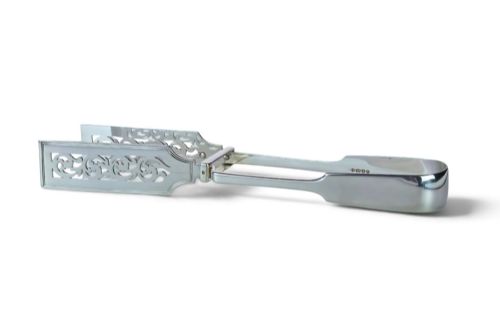
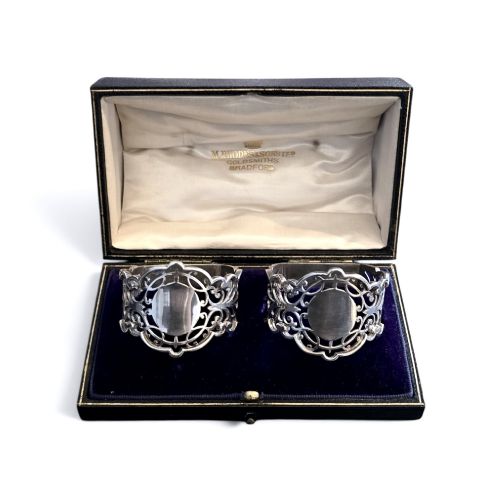
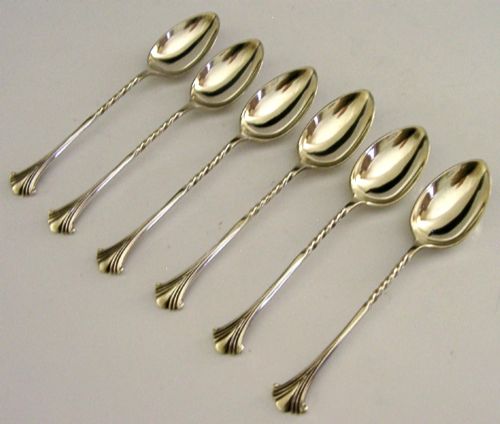
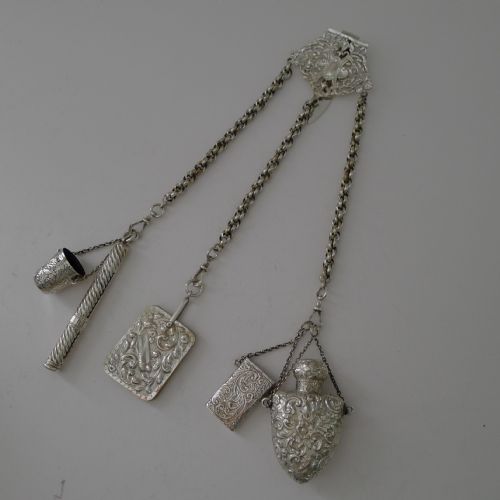
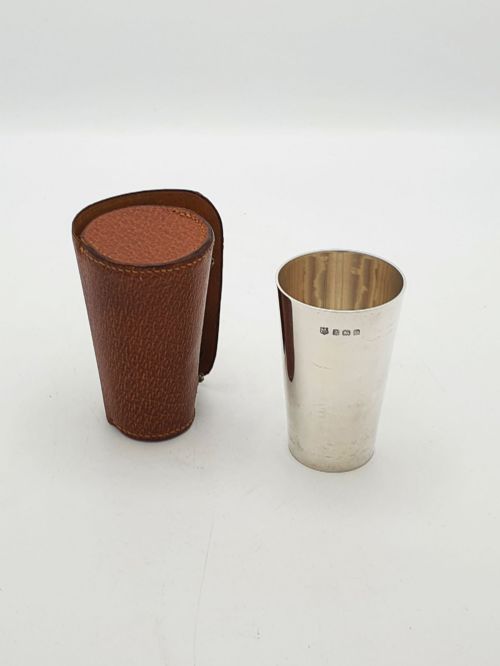
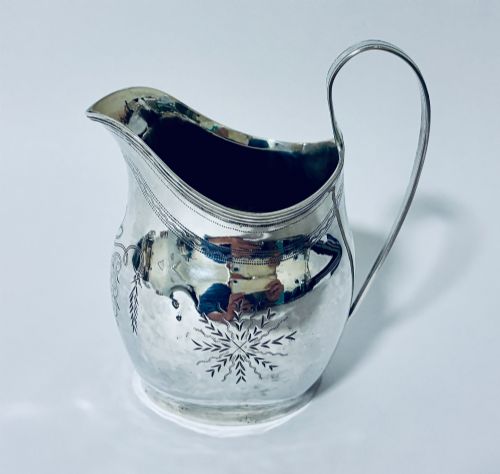
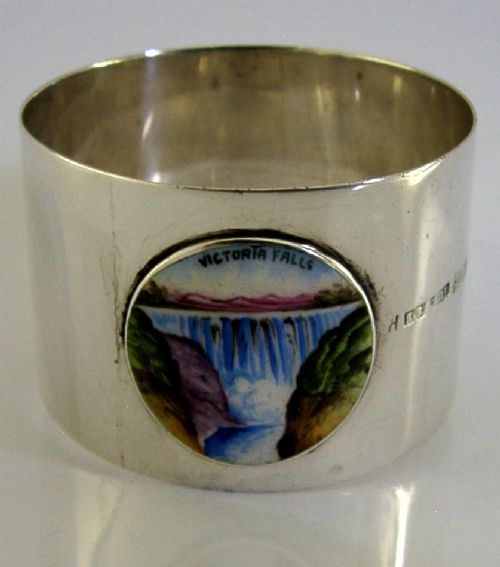
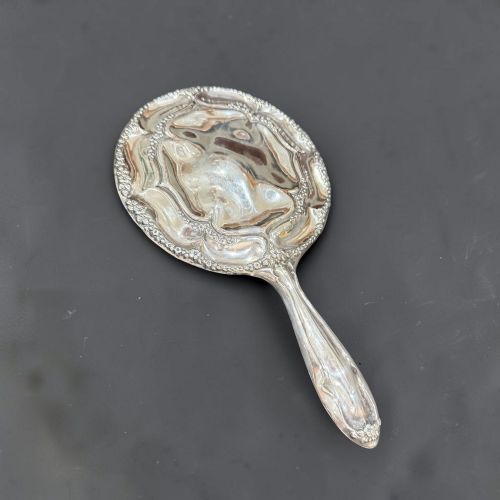
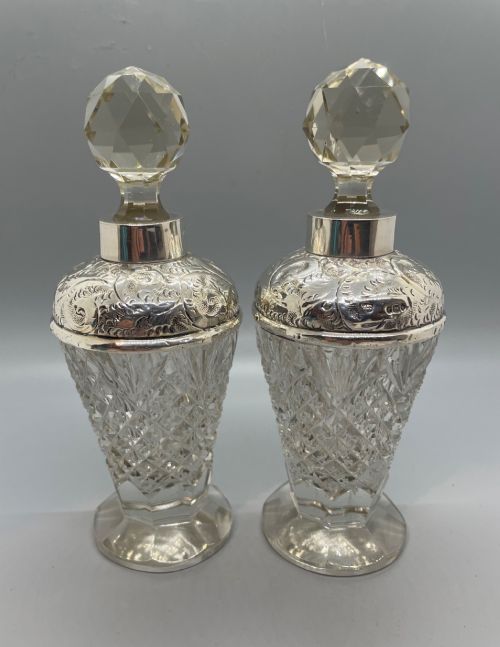
Hallmarked silver accessories comprise a diverse assortment of domestic and personal items, ranging from napkin rings and vesta cases to menu holders and barware. The pieces on this page span the Victorian, Edwardian, George V, and Interwar periods, reflecting the changing social rituals of their times. Buyers encounter objects designed for smoking, dining, and personal grooming, often stamped with assay office marks that confirm their provenance.
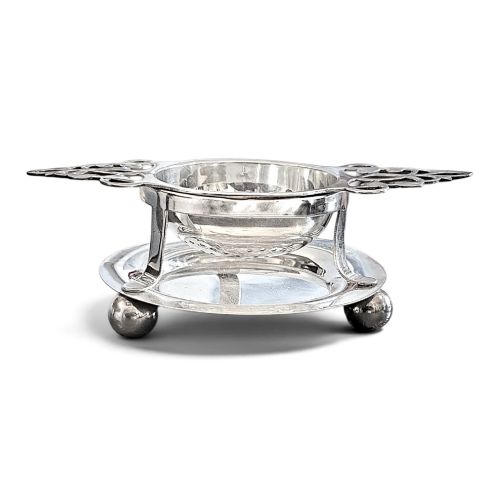
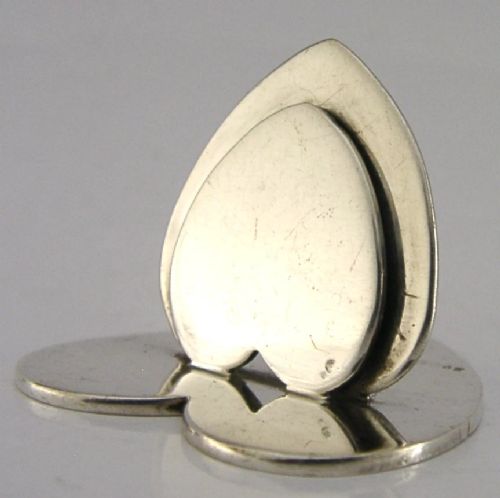
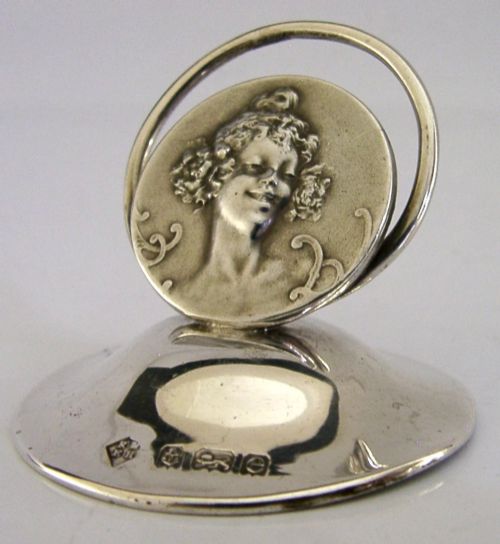
Table accessories such as knife rests, place card holders, and bottle coasters appear frequently alongside personal items like sovereign cases and stamp wallets. The selection includes figural designs shaped as owls, swans, and foxes, demonstrating the Victorian and Edwardian taste for naturalism. These items served functional roles in wealthy households before surviving as collectable metalwork.
Materials and technique
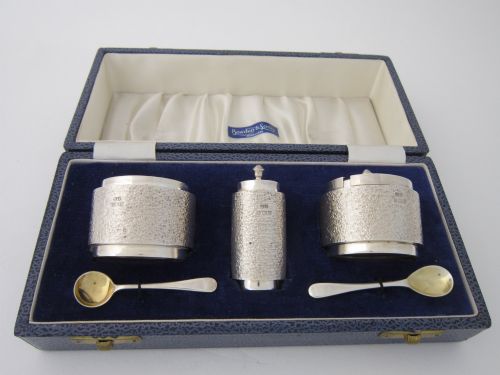
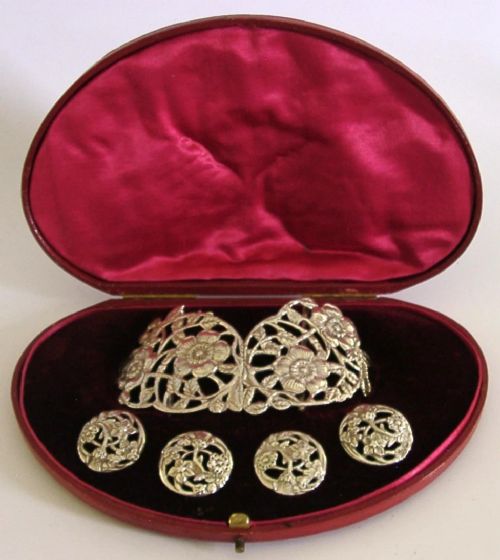
Silversmiths utilised sterling silver alongside supportive materials like wood, velvet, silk, and leatherette for lined boxes and cased sets. Stamping, casting, and hand-chasing allowed makers to create intricate details such as grape vines on wine coasters or feathers on bird menu holders. Assay office hallmarks stamped directly into the metal provide official verification of the silver standard and year of production.
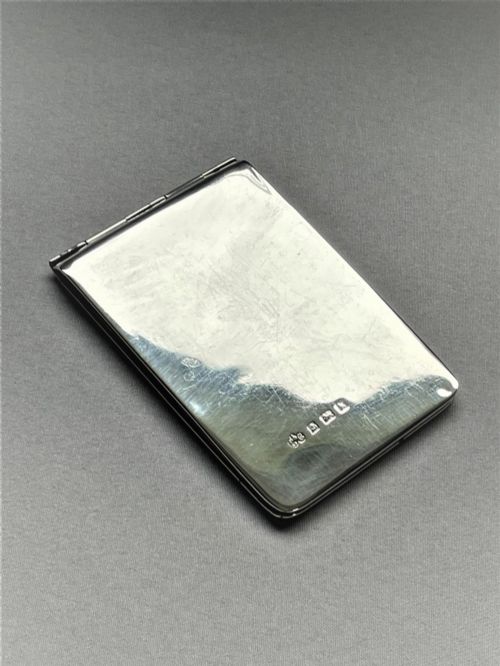
Combination pieces required precise engineering to house matches, sovereigns, and stamps within a single compact brass-hinged enclosure. Structural elements like weighted bases in candle holders and table lighters employed internal filling materials to ensure stability during use.
Silversmiths occasionally transformed tiny flying fish and miniature owls into functional desktop magnifiers and menu holders.
Evaluating quality
Quality rests upon the crispness of the original chasing and the integrity of the hinges on opening items like vesta cases and cigarette boxes. Pieces by recorded silversmiths exhibit superior finishing in figural casting and engraved decoration compared to unmarked commercial output. The legibility and completeness of the hallmarks further distinguish finer examples from heavily worn or over-polished items.
The weight of the silver relative to the object type indicates the standard of manufacture, particularly in napkin rings and tableware. Fitted cases lined with original silk or velvet also elevate the overall integrity of a surviving piece.
Aaron Lufkin Dennison·Levi and Salaman·EV Pledge and Son·Mappin and Webb·Richard Comyns·Zimmermann
The Hallmarked Silver Accessories Glossary
- Hallmark
- Official stamp applied by an assay office to guarantee the purity of precious metal. These marks typically include a maker's mark, standard mark, and date letter.
- Vesta case
- A small pocket container designed to hold matches, fitted with a striking strip on the base. Victorian and Edwardian examples often feature engraved foliate patterns or figural forms.
- Menu holder
- A small desk or table accessory featuring a vertical slot to display dinner menus. They were frequently cast in figural shapes such as animals and birds.
- Sovereign case
- A small circular pocket container engineered to hold gold sovereign coins securely. Many incorporate spring-loaded mechanisms for individual coin release.
- Assay office
- An official body responsible for testing the purity of precious metal items and applying statutory hallmarks. Towns like Birmingham, Chester, and London maintained active assay offices.
Hallmarked Silver Accessories: Frequently Asked Questions
How do I date my silver accessories?
Dating silver relies upon the assay office letter mark stamped alongside the maker's mark and standard lion symbol. Each year corresponds to a specific letter font and shield shape.
Style periods such as Art Deco or Edwardian offer an initial visual guide before checking the official hallmarks. Reference books match the stamped letter to the exact year of assay.
Were menu holders used daily?
Menu holders were utilised during formal dinners in wealthy Edwardian and Victorian households to inform guests of the courses. They sat upon the dining table beside each setting or at prominent intervals.
As dining habits changed, these decorative objects transitioned from functional table service to cabinet display pieces. Their figural animal designs made them highly collectable items.
How should I clean antique silver?
Cleaning antique silver requires a soft cloth and a specialised non-abrasive silver polish to remove tarnish without stripping surface detail. Avoid harsh chemical dips that can damage soldered joints and original patination.
Frequent gentle dusting preserves the finish better than aggressive scrubbing. Storing pieces in dry environments slows down future tarnishing.