


Hallmarked Gold Wedding Band
A hallmarked gold wedding band carries the weight of decades past, offering a sturdy link to Victorian, Edwardian, and mid-century traditions.
Hallmarked Gold Wedding Band
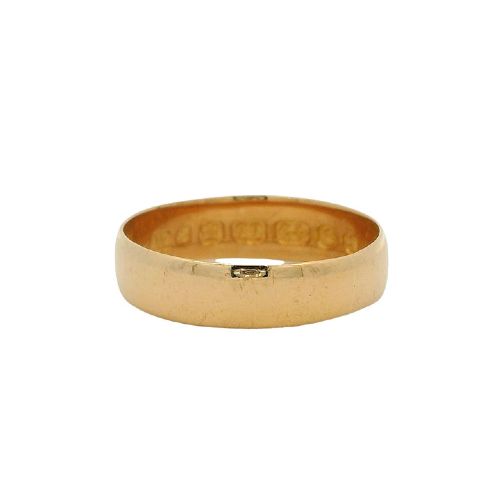
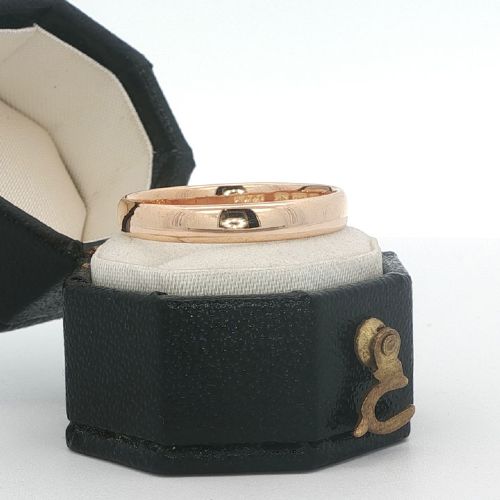
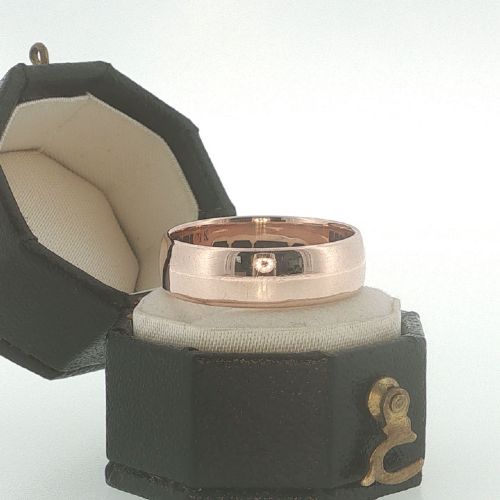
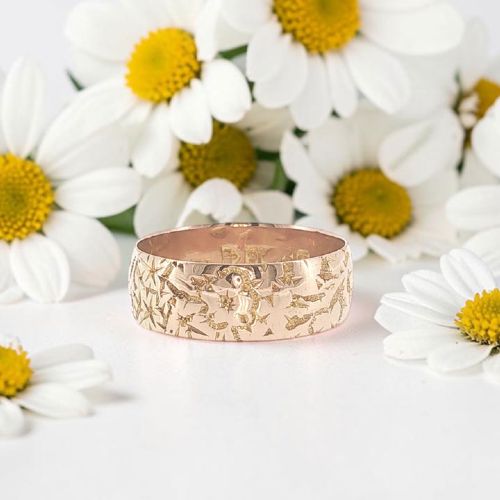
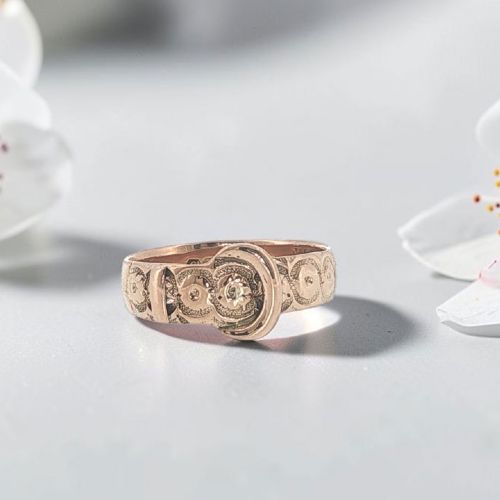
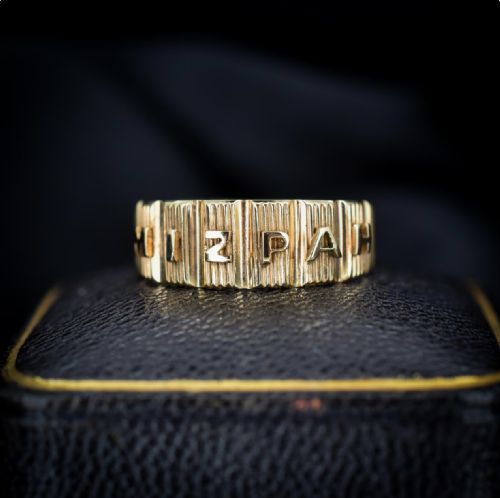
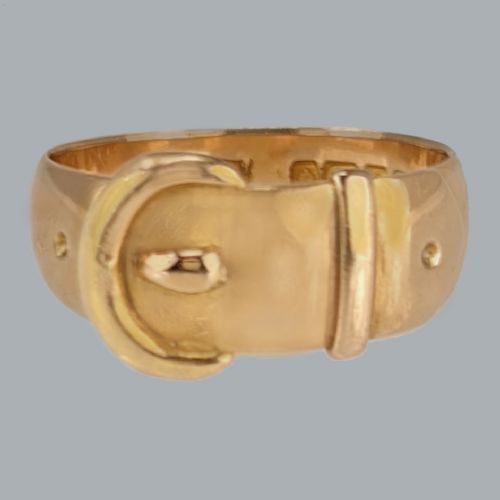
A hallmarked gold wedding band is a classic ring form designed for daily wear, shaped from precious metals across various historic eras. When you search for a hallmarked gold wedding band, you will encounter pieces spanning from the late Victorian period through the mid-century. Most examples present a simple profile, though variations include buckle designs and Mizpah motifs.
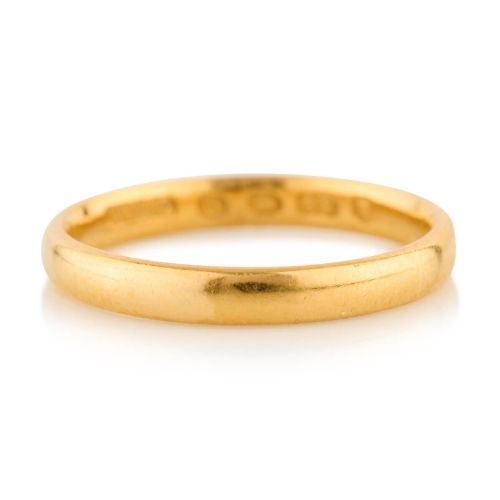
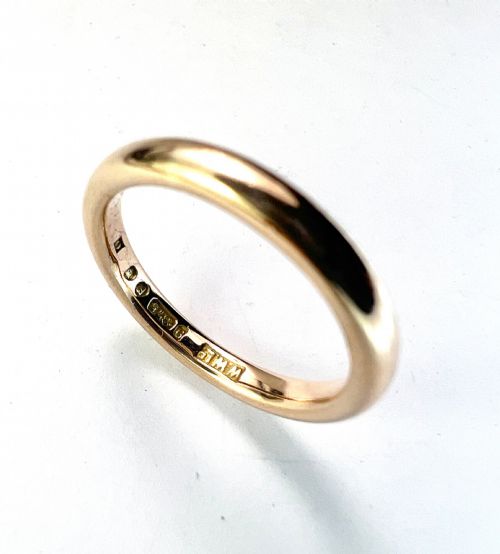
The selections on offer range from weighty twenty-two carat gold bands to nine carat rose gold and eighteen carat yellow gold rings. Dating spans from the late nineteenth century into the nineteen-fifties, featuring official assay office marks from towns such as Birmingham and Chester. These rings serve as both historical artefacts and enduring symbols of union.
How They Were Made
These rings were forged primarily from solid gold across different purities, ranging from nine carat up to twenty-two carat yellow and rose gold. Metal was shaped into bands of varying widths, typically between three and six millimetres, to suit the wearer's hand.
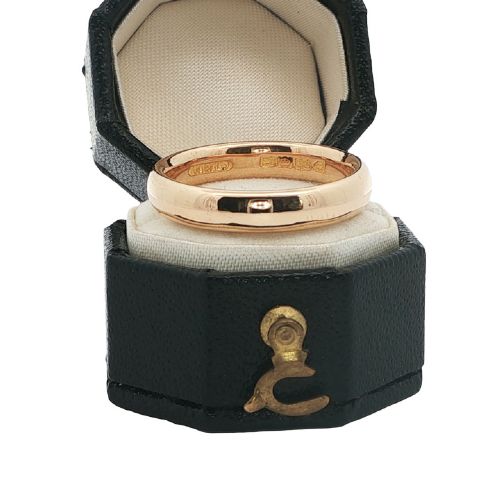
Makers utilised traditional smithing techniques to create plain hoops, alongside specialised tooling for engraved buckle motifs and Mizpah designs. Official assay offices subsequently stamped each piece with hallmarks to verify the metal purity and the year of creation.
Assay marks from Birmingham and Chester appear frequently among the nineteenth-century rings.
What Varies in Quality
Quality in these bands relates to the purity of the gold and the preservation of the original hallmarks. Higher carat metals, such as twenty-two carat gold, offer a richer colour and higher intrinsic value compared to nine carat alternatives.
The clarity and legibility of the Birmingham, Chester, or London assay stamps distinguish exceptional pieces. Additionally, the retention of original band width and surface detail through decades of wear marks the superiority of a well-preserved ring.
W. E. D. L·William Griffiths And Son
The Hallmarked Gold Wedding Band Glossary
- Hallmark
- An official stamp applied by an assay office to indicate the metal purity, origin, and year of creation. These marks provide the primary evidence for dating antique jewellery.
- Carat
- The measure of gold purity, with twenty-four parts representing pure gold. Common historic standards include nine, eighteen, and twenty-two carat.
- Buckle ring
- A ring shaped to resemble a buckled belt, symbolising eternity and loyalty in Victorian design. These often incorporate detailed chasing alongside standard band forms.
- Mizpah ring
- A piece of jewellery bearing the Hebrew word for an emotional bond between people separated by distance or death. They were popular exchange tokens in the late nineteenth century.
Hallmarked Gold Wedding Band: Frequently Asked Questions
How do I know the gold purity?
Examine the inner band for official punch marks that indicate the specific carat standard, such as twenty-two or nine carat gold.
These tiny symbols correspond to strict legal standards of the era, verified by regional assay offices.
Can these antique rings be resized?
Many jewellers can alter the diameter of a solid gold band, though care must be taken to preserve nearby hallmarks.
Thinner bands or those with continuous engraving require specialist attention to maintain their structural integrity.
What does an 1889 hallmark mean?
A date letter stamped into the metal reveals the exact year the ring was tested and certified at the assay office.
Reference tables for cities like Birmingham or London translate these small alphabetical stamps into precise Victorian years.
Why choose rose gold over yellow?
Rose gold gains its distinct warm hue from a higher proportion of copper alloyed with the yellow gold.
This coloration was particularly favoured during the Victorian and Edwardian periods for both plain and decorative stacking bands.