


Solid Gold Wedding Band
A solid gold wedding band is a classic circle of precious metal carrying history on the hand.
Solid Gold Wedding Band
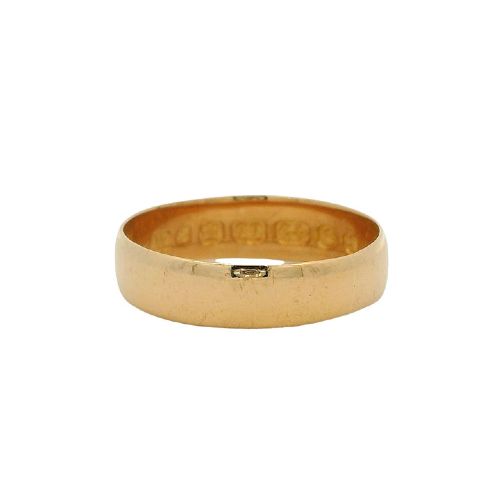
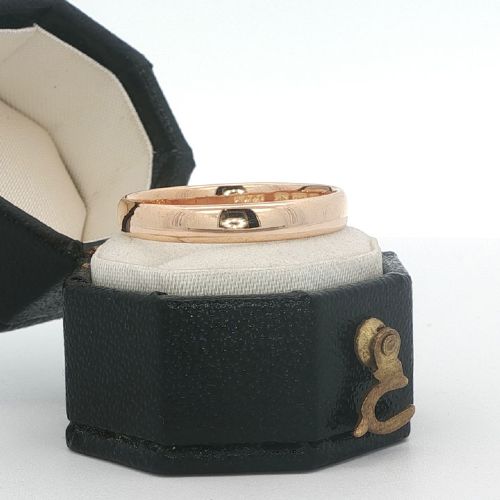
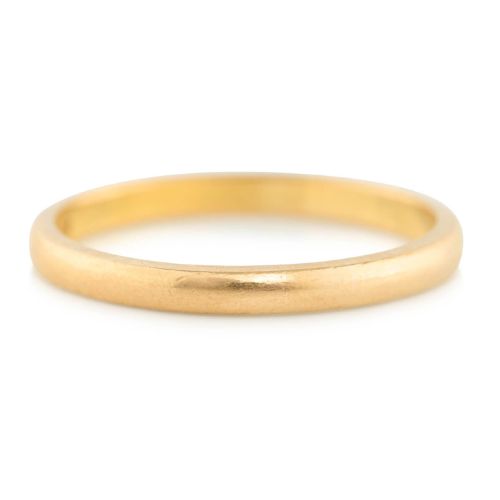
A solid gold wedding band represents a enduring token of commitment spanning from the Victorian era through the mid-twentieth century. These rings arrive in traditional circular forms designed for daily wear on the hand.
Buyers encountering this selection will most frequently find plain bands alongside specific variations like buckle motifs. Origins stretch across decades including Edwardian examples and mid-century modern pieces.
The objects span multiple gold purities, showing how different decades favoured distinct alloys for daily marital bands. Each ring reflects the manufacturing standards of its specific decade of hallmarking.
How they were made
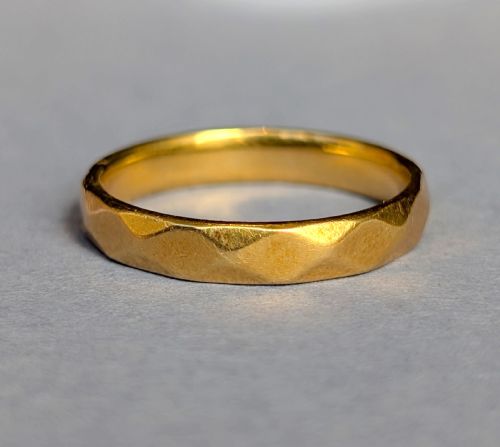
These bands utilise high-purity yellow gold alloys shaped into continuous hoops. Goldsmiths formed the metal into plain profiles or incorporated specific designs such as buckles.
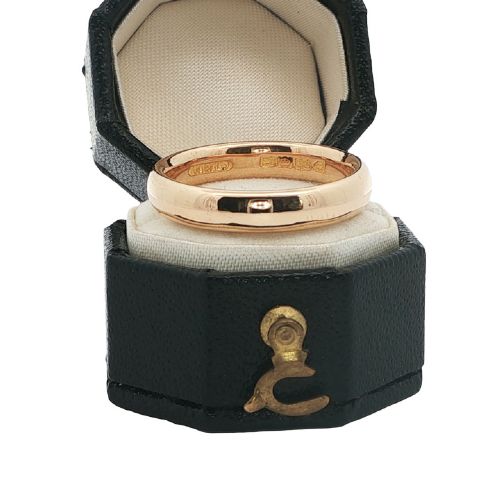
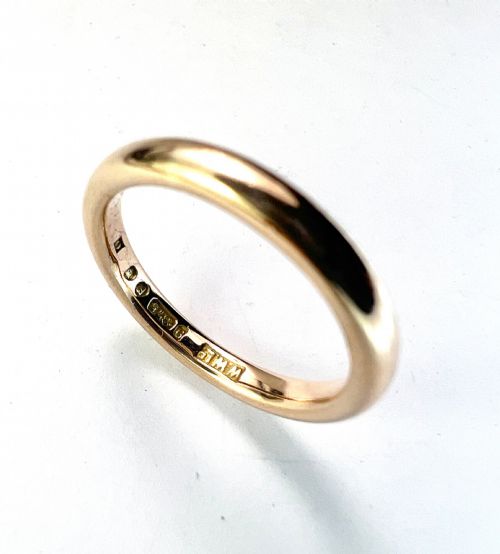
Assay office hallmarks stamped directly into the interior metal surface record the exact year of creation and the purity standard. These official marks provide the primary technical evidence for dating each piece.
Solid Gold Wedding Band Retail Price Guide 2026
Typical asking prices for solid gold wedding band among the pieces listed under this phrase on Sellingantiques today, from the lower quarter to the upper quarter. They describe what is for sale here now, not the wider market.
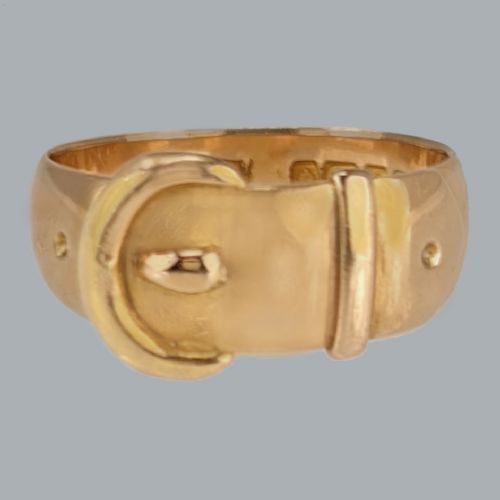
Several rings include miniature belt buckles sculpted into the gold, letting past wearers literally buckle down for life.
What varies in quality
Quality rests upon the purity of the gold alloy and the crispness of the original maker marks or assay stamps. Higher-purity metal yields a richer colour and denser weight in the hand.
The preservation of the original band width and profile shape distinguishes finer examples. Minimal wear to the exterior surface and clear hallmark stamping elevate a piece above heavily polished alternatives.
W. E. D. L·William Griffiths & Son
The Solid Gold Wedding Band Glossary
- Hallmark
- An official stamp struck into precious metal indicating purity, origin, and date. These marks offer precise chronological evidence for antique rings.
- Alloy
- A mixture of gold with other metals to increase durability for jewellery. Traditional wedding bands utilise various carat weights of these mixtures.
- Buckle ring
- A finger ring shaped to resemble a buckled belt, popular during the Victorian and Edwardian periods. This symbolic form often doubled as a token of attachment.
- Carat
- The proportional measure of gold purity in an alloy, expressed out of twenty-four parts. Higher carat numbers indicate a greater proportion of pure gold.
Solid Gold Wedding Band: Frequently Asked Questions
What is a solid gold wedding band?
A solid gold wedding band is a continuous metal ring worn on the finger to signify marriage. These pieces are cast or shaped entirely from precious gold rather than plated base metals.
Historical examples feature distinct alloy compositions and assay office stamps from specific decades. They provide a tangible link to past craftsmanship through everyday adornment.
How do I know the date of my ring?
Assay office hallmarks stamped inside the band provide the definitive date of manufacture. These small stamped symbols correspond to specific active years for British offices.
Additional clues include the overall style, such as Victorian buckle motifs or mid-century plain profiles. Comparing the stamped letter codes against official assay records confirms the exact year.
What does twenty-two carat gold mean?
Twenty-two carat gold indicates an alloy containing twenty-two parts pure gold out of twenty-four total parts. This high purity level results in a particularly rich and deep yellow colour.
Bands made from this high standard are softer than lower carat alloys. They show a characteristic warm hue that distinguishes them from eighteen or nine carat alternatives.
How should I care for an antique gold ring?
Antique gold rings benefit from gentle cleaning using warm water and a soft cloth to remove everyday oils. Avoid harsh chemical cleaners that might damage the ancient metal surface or soften subtle details.
Removing the band during heavy manual work prevents unnecessary thinning of the soft gold over time. Regular inspection of the metal thickness helps preserve the ring for future decades.