



Hallmarked Gold Necklace
A hallmarked gold necklace brings together precious metal and official assay office marks, offering a tangible piece of jewellery history to wear.
Hallmarked Gold Necklace
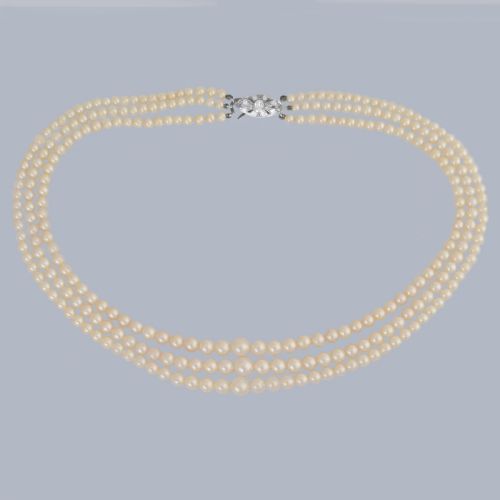
When you search for a hallmarked gold necklace, you encounter pieces that span from the Edwardian era through the 1920s and into the 1950s and 1960s. These items include fine chains, multi-strand cultured pearls fitted with precious clasps, watch chains adapted for the neck, and pendants.
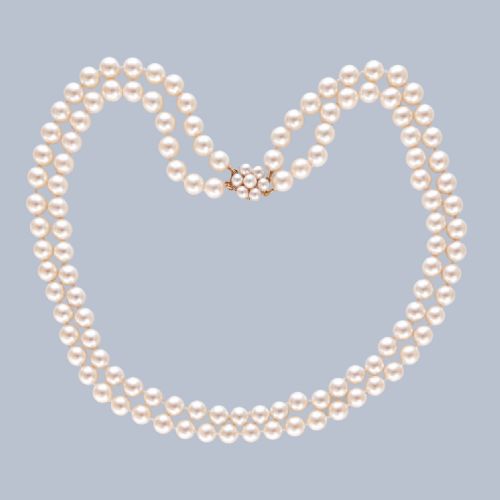
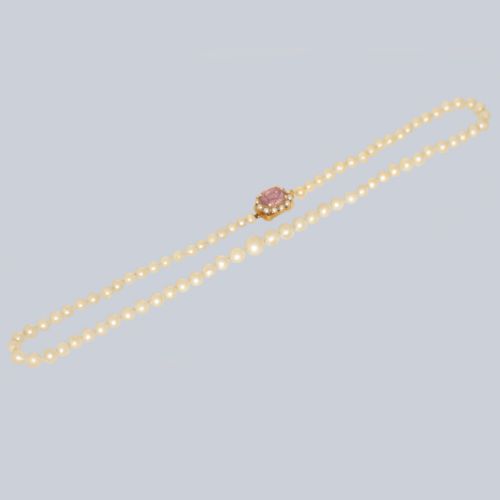
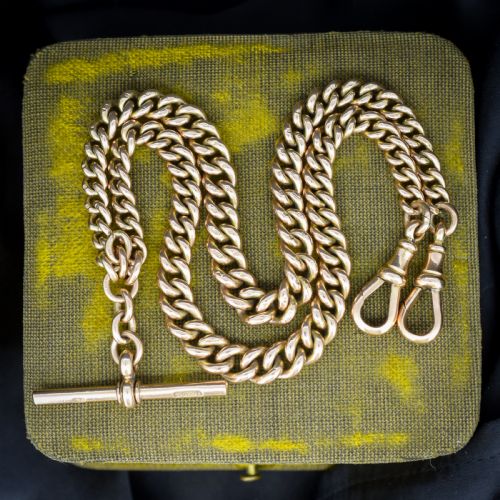
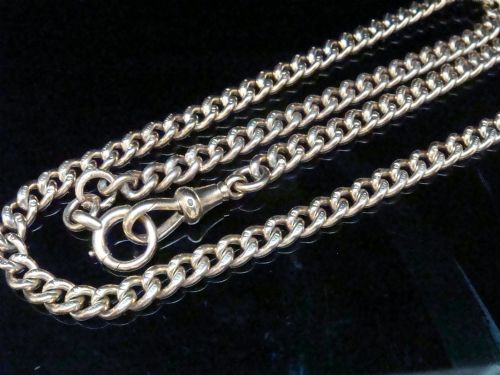
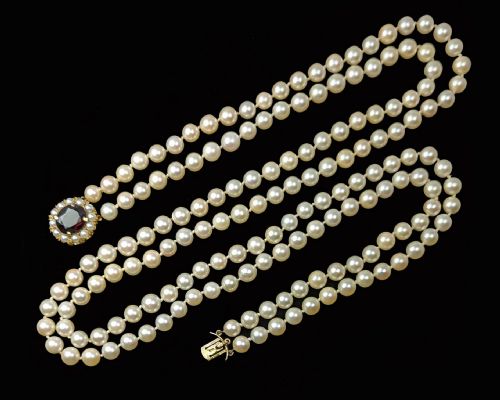
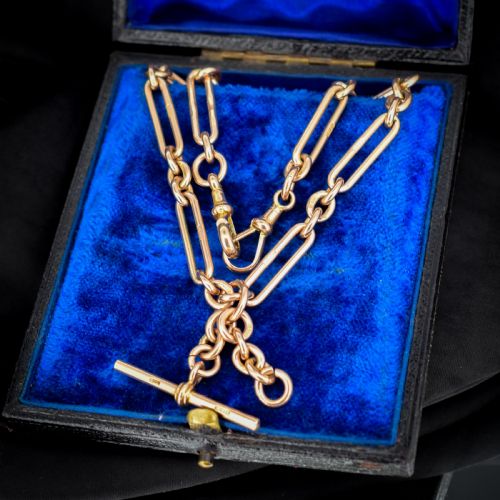
The version you are most likely to meet on this page is a mid-century cultured pearl necklace featuring a nine-carat gold clasp, often set with diamonds, garnets, or amethysts and hallmarked in London or Birmingham. Alternatively, you will find substantial gold links such as curb, trombone, or longuard chains stamped with Chester or Birmingham assay marks.
These items represent both functional utility in their original forms, such as watch chains, and pure adornment in pearl strands and diamond pendants. Each bears the official stamps that guarantee the purity of the metal.
How they were made
The construction relies heavily on nine-carat and eighteen-carat gold, shaped into hollow or solid links, clasps, and pendant settings. Goldsmiths utilised traditional techniques to hand-knot cultured pearls onto silk threads and to fabricate secure box or spring ring clasps.
Assay offices struck official hallmarks directly into the metal to certify its standard of purity. Gemstones including diamonds, amethysts, and garnets were hand-set into gold mounts using claw or bezel settings.
Hallmarked Gold Necklace Retail Price Guide 2026
Typical asking prices for hallmarked gold necklace among the pieces listed under this phrase on Sellingantiques today, from the lower quarter to the upper quarter. They describe what is for sale here now, not the wider market.
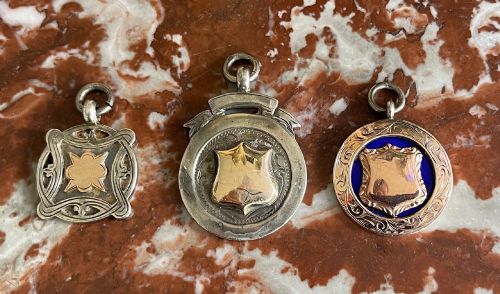
Current selections include necklaces paired with cultured pearls, diamonds, amethysts, and garnets, alongside silver watch fobs.
What varies in quality
Quality in these pieces rests on the weight and substance of the gold work, as well as the uniformity and lustre of any cultured pearls. Substantial links with every single link hallmarked represent a higher standard of manufacture than lighter, hollow alternatives.
The sophistication of the clasp mechanism and the presence of fine gemstones like diamonds set into the gold closure separate standard commercial items from superior examples. The integrity of the stringing in pearl necklaces also influences the overall standard of the piece.
Cropp & Farr
The Hallmarked Gold Necklace Glossary
- Hallmark
- An official stamp applied by an assay office to indicate the purity of a precious metal, the maker, and the year of testing. These marks provide a reliable method for dating British jewellery.
- Curb Link
- A type of chain formed by interlocking, slightly flattened links that lie flat against the skin. This style offers notable durability and flexibility.
- Longuard Chain
- A long Victorian or Edwardian gold chain originally designed to secure a pocket watch or lorgnette. Today they are frequently worn doubled around the neck as a necklace.
- Cultured Pearl
- An organic gem formed by the introduction of a nucleus into an oyster, cultivated for its lustrous nacre. These pearls are commonly paired with gold clasps in mid-century designs.
- Trombone Link
- A specific chain pattern composed of alternating small round links and elongated rectangular bars. This distinct geometric design appears frequently in antique watch chains.
Hallmarked Gold Necklace: Frequently Asked Questions
What is a hallmarked gold necklace?
A hallmarked gold necklace is a piece of neck jewellery made from gold that bears official stamps certifying its metal purity and origin. These items include delicate pearl strands with gold clasps and heavy antique gold link chains.
Assay office marks guarantee the standard of the gold, allowing collectors to identify the year of manufacture and the city where the piece was tested.
How do I date a gold chain necklace?
Dating relies heavily on the specific hallmark stamped into the metal links or the clasp. Assay offices used designated letters and shield shapes for each year, which correspond to historical records.
Style also offers strong clues, as Edwardian pieces differ distinctly from the geometric forms of the 1920s or the mid-century designs of the 1950s and 1960s.
How should I care for pearl and gold necklaces?
Pearl necklaces require gentle treatment because organic nacre is softer than precious metals and gemstones. Wipe the pearls with a soft cloth after wearing to remove oils and cosmetics, and store them flat to prevent stretching the silk thread.
Gold chains and metal pendants can be cleaned using warm soapy water and a soft brush, avoiding harsh chemical dips that might damage set stones.