


Hallmarked Gold Diamond Ring
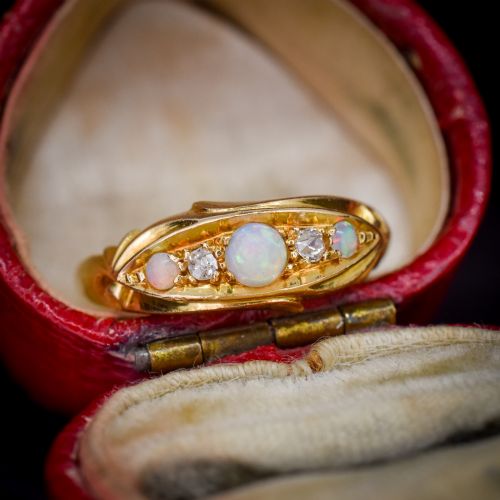
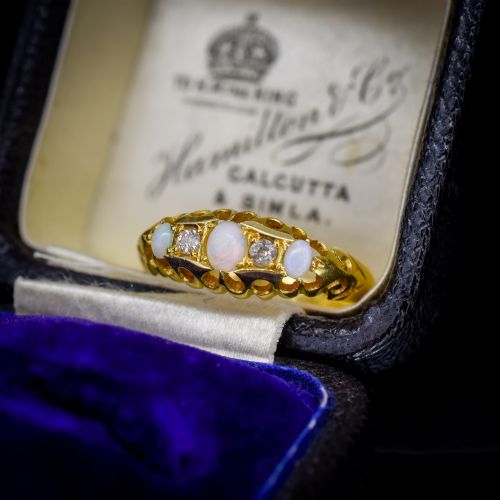
A hallmarked gold diamond ring brings together the solid weight of nineteenth and twentieth-century precious metal with the sharp flash of hand-cut stones.
Hallmarked Gold Diamond Ring
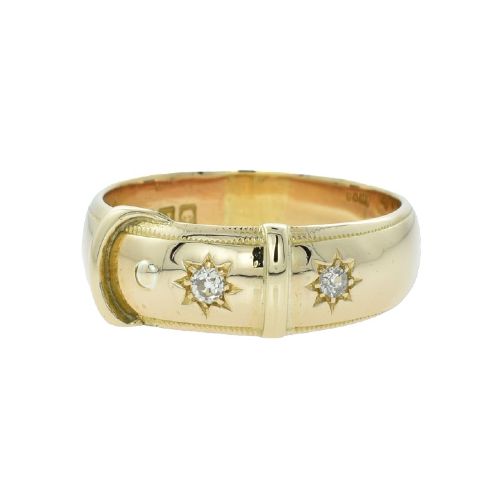
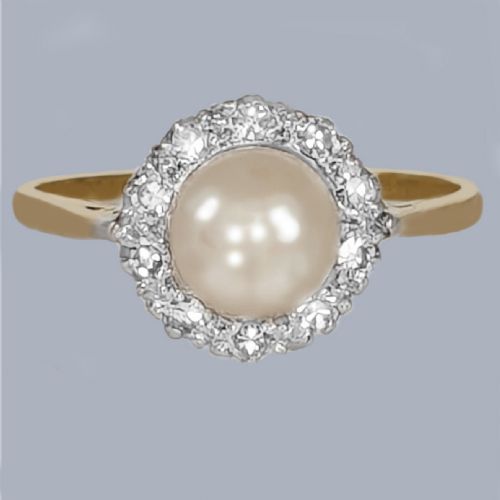
When searching for a hallmarked gold diamond ring, collectors encounter pieces spanning the late Victorian, Edwardian, and mid-century eras. The selection relies heavily on nineteenth-century survivals and early twentieth-century designs, featuring British assay office stamps that verify the metal standard.
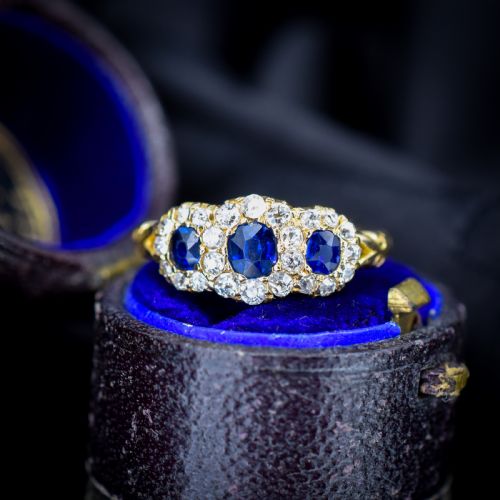
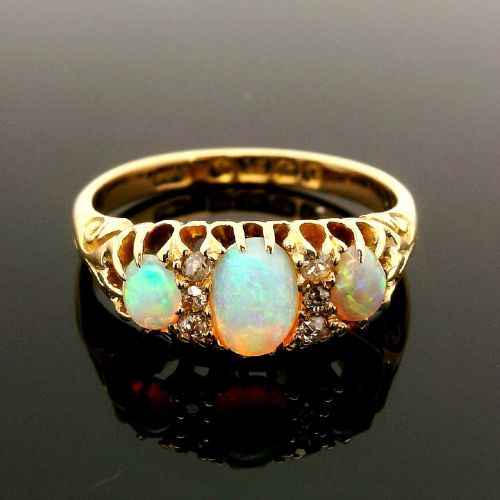
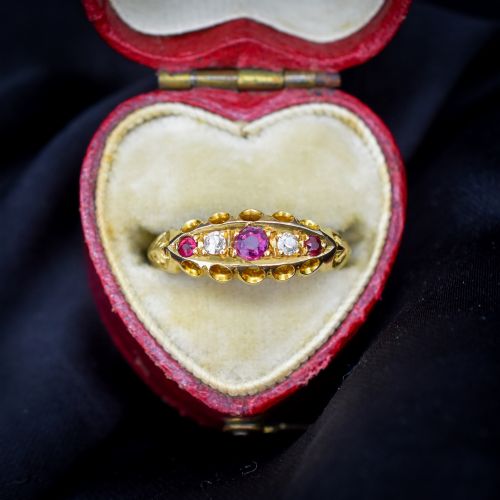
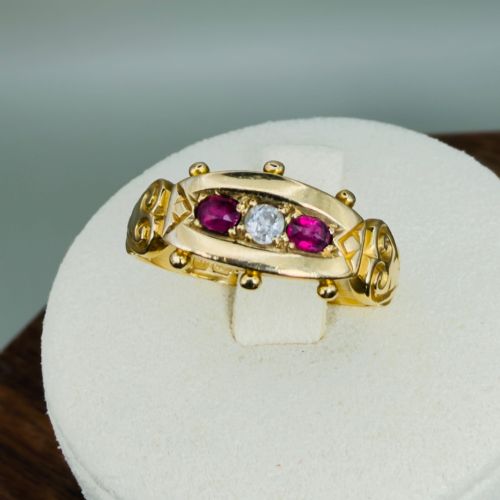
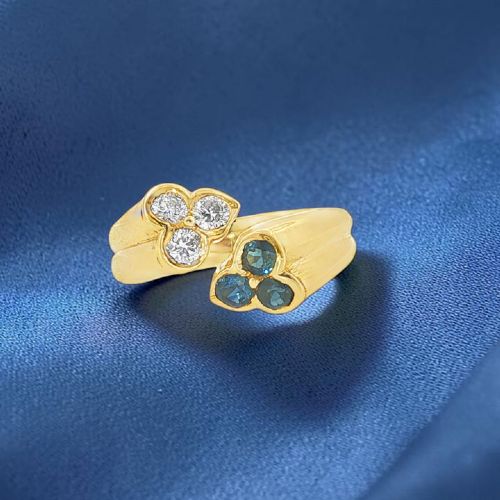
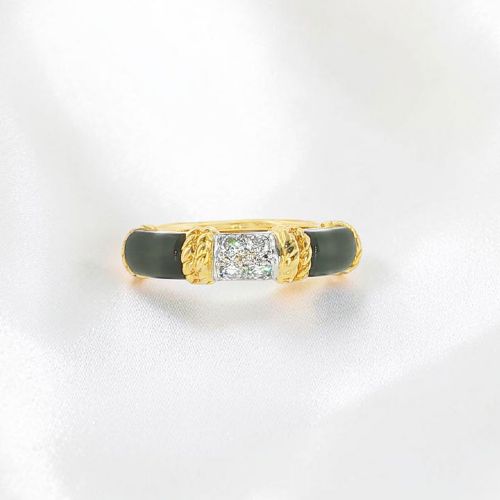
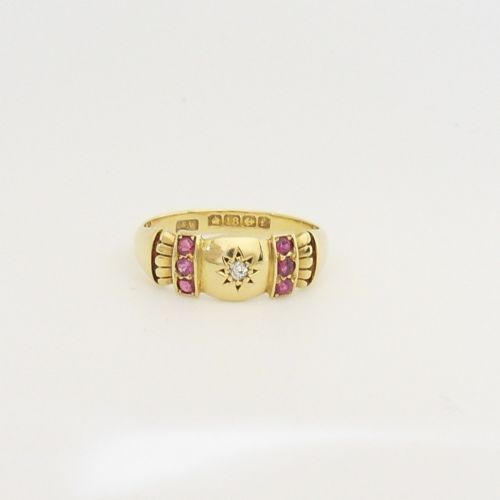
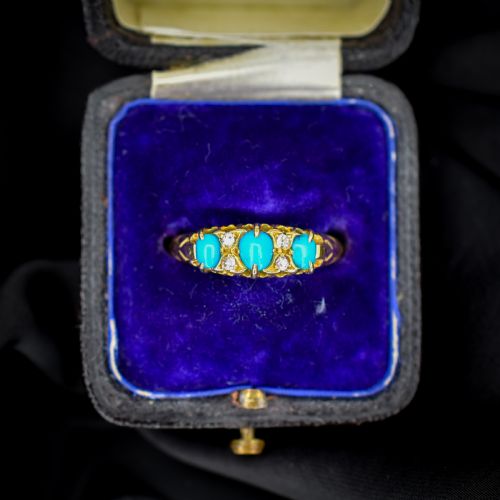
The most common forms on this page include traditional five-stone rings, boat or bateau settings, and whimsical serpent motifs coiled with small gems. Alongside pure diamond pieces, many incorporate rubies, sapphires, opals, or turquoise set into yellow gold.
These rings served as tokens of affection, engagement bands, or daily adornments for past wearers. Today they offer a tangible link to regional assay offices in Chester, Birmingham, and London.
How They Were Made
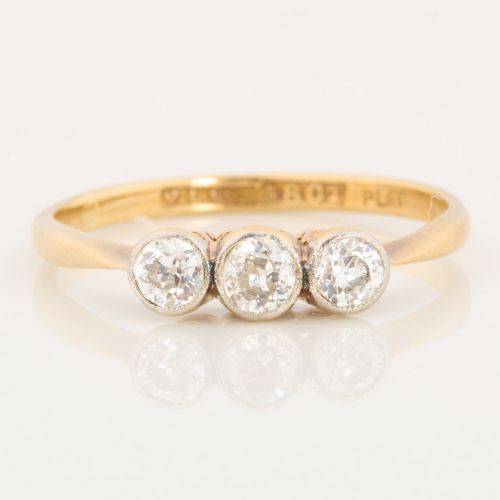
The metalwork relies primarily on eighteen-carat and nine-carat yellow gold, shaped into sturdy shanks and detailed bezels. Assay office hallmarks stamped inside the band record the specific town of testing, the metal purity, and the year of creation.
Gems such as diamonds, rubies, and sapphires are secured using claw, star, or gypsy settings beaten directly into the gold. Early stones typically feature old-cut or rose-cut facets that catch candle or gas light with softer, broader flashes than modern brilliant cuts.
Listings feature traditional British assay marks from London, Birmingham, and Chester stamped into eighteen-carat and nine-carat yellow gold.
What Varies in Quality
Quality rests upon the crispness of the original hallmarks and the minimal wear to the gold band. Crisp assay marks and thick, unthinned shanks indicate a piece that retained its structural integrity through generations of daily wear.
Stone selection and setting security separate standard workshop output from finer examples. Well-matched gems securely held by hand-formed claws without replacement stones represent the higher tier of these historic rings.
Kutchinsky
The Hallmarked Gold Diamond Ring Glossary
- Hallmark
- Official stamps struck into precious metal indicating the purity standard, the assay office of origin, and the year of testing. These marks provide the foundation for dating British antique jewellery.
- Boat Ring
- A horizontal boat-shaped setting that curves gently across the finger, frequently housing a row of graduated diamonds alongside coloured gems. This style dominated late Victorian and Edwardian workshop production.
- Old Cut
- A hand-faceted diamond shape predating modern brilliant cutting standards, characterised by a smaller table, higher crown, and open culet. These stones display deep, chunky light reflections.
- Gypsy Setting
- A mounting style where the gem is flush-set directly into the thick metal of the band, leaving a smooth outer profile. Victorian makers utilised this technique extensively for practical daily wear.
- Trilogy Ring
- A three-stone ring traditionally symbolising the past, present, and future, often pairing a central diamond with flanking rubies or sapphires. They appear frequently in Edwardian inventories.
Hallmarked Gold Diamond Ring: Frequently Asked Questions
How do I read the hallmarks?
British hallmarks include a maker's mark, a standard mark showing gold purity such as eighteen carat, an assay office symbol like the anchor for Birmingham or leopard's head for London, and a date letter.
Matching the letter stamp against official assay office tables reveals the exact year the ring was tested and finished.
Can I wear an antique ring daily?
Most eighteen-carat gold rings from the Victorian and Edwardian periods are robust enough for everyday wear if the band remains thick and sturdy.
Checking the claws periodically with a jeweller ensures the old-cut stones stay firmly anchored in their original settings.
What does a snake ring symbolise?
Coiled serpent rings set with diamond eyes were popular Victorian tokens representing eternal love, wisdom, and commitment.
Prince Albert famously presented Queen Victoria with a gold snake engagement ring, setting a trend that lasted for decades across British workshops.
How do I tell an Edwardian ring apart from a Victorian one?
Victorian pieces often feature heavier gold weights, star settings, and rich gypsy mountings designed for durability during the late nineteenth century.
Edwardian designs tend to look lighter and more lace-like, frequently incorporating platinum-topped gold alongside delicate milgrain edges and boat-shaped gemstone arrangements.