


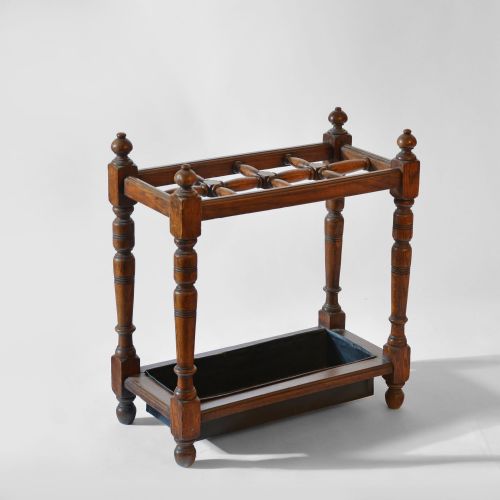
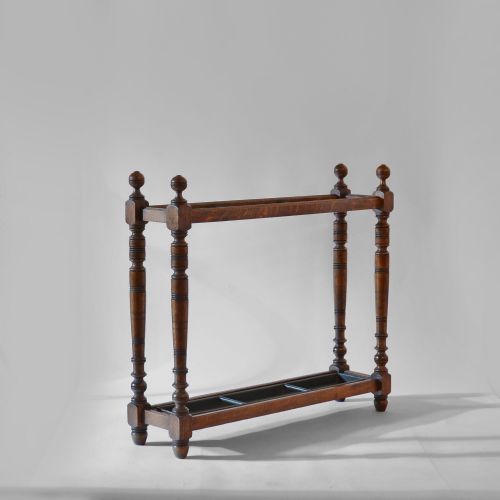
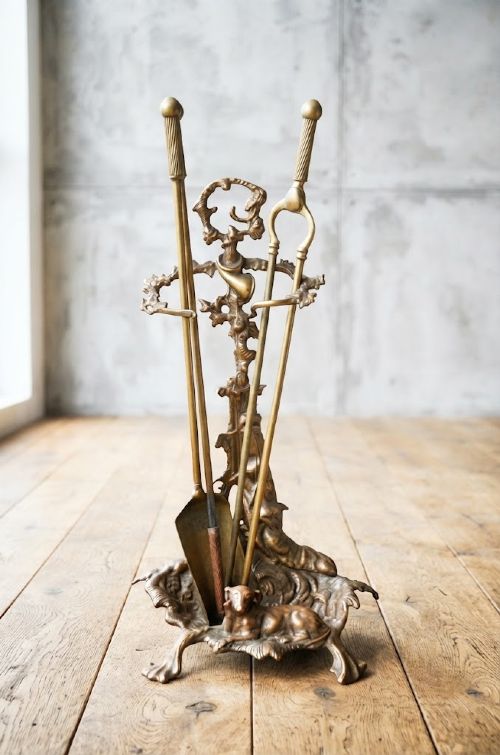
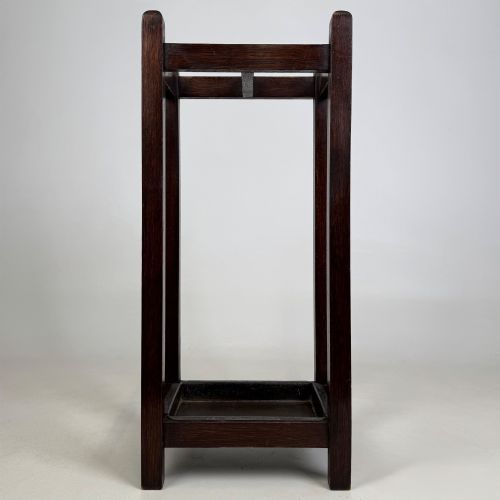
Hall Stand Umbrella Holder
A hall stand umbrella holder serves as the practical and decorative greeting for a home, keeping walking sticks, umbrellas, and coats organised.
Hall Stand Umbrella Holder
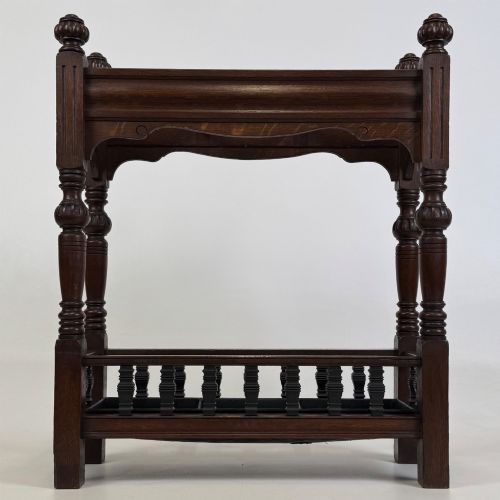
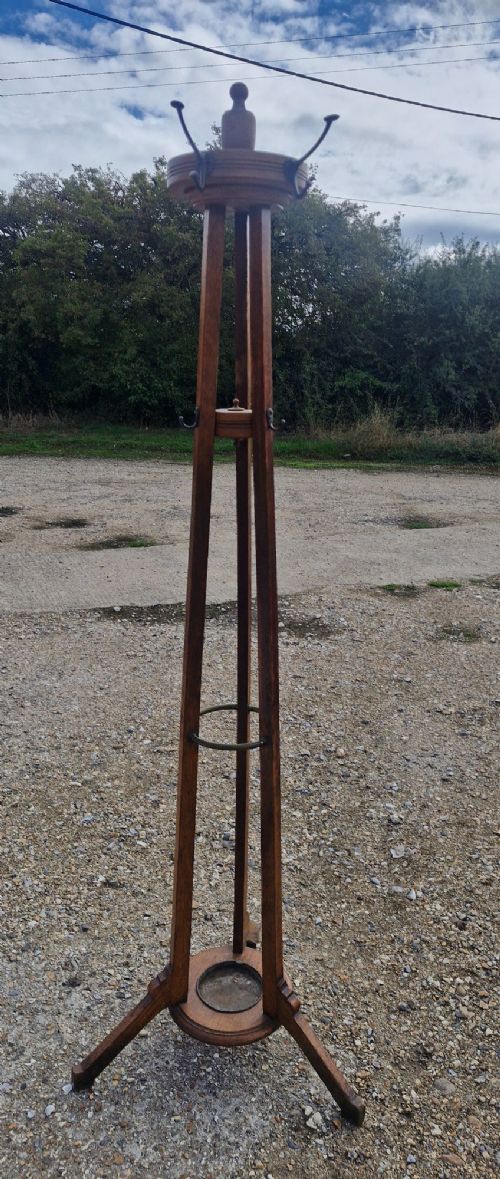
When you search for a hall stand umbrella holder, you are looking at hallway furniture designed to store wet umbrellas, walking sticks, and hats upon entering a home. These utilitarian items combine hanging hooks for coats with dedicated lower wells and metal trays to catch rainwater.
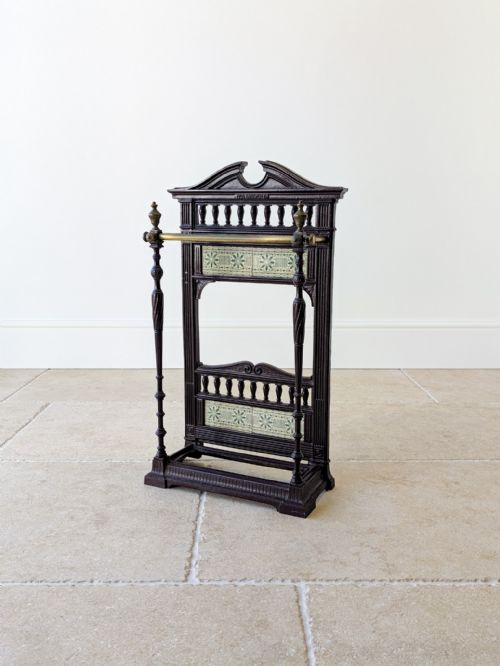
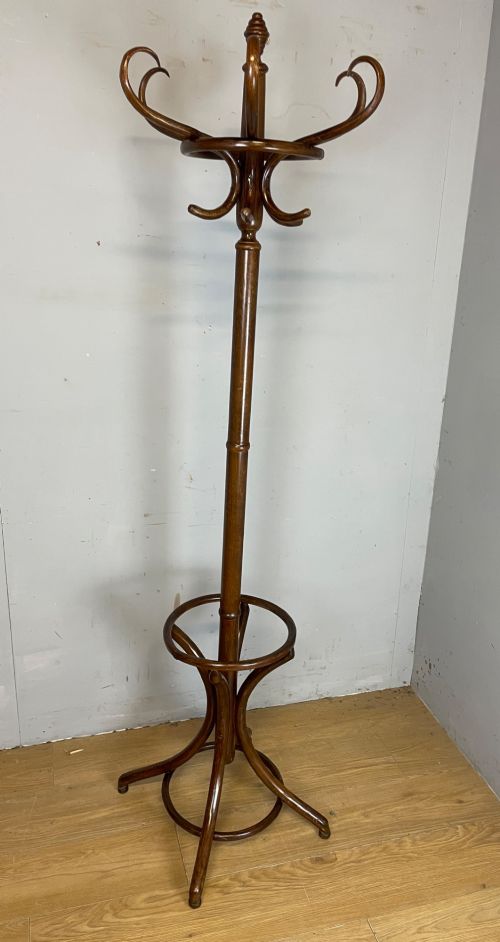
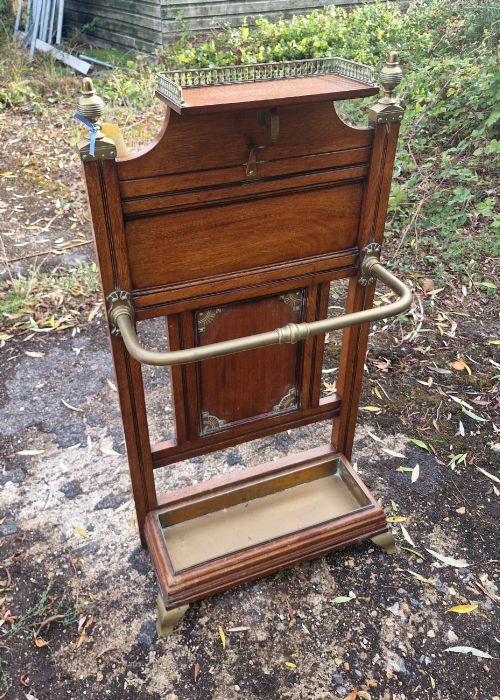
The most common versions met on this page span the Victorian and Edwardian eras through to the 1930s, constructed predominantly in oak, bentwood, and cast iron. They range from compact stick stands to substantial hall trees incorporating mirrors, panels, and umbrella holders into a single unit.
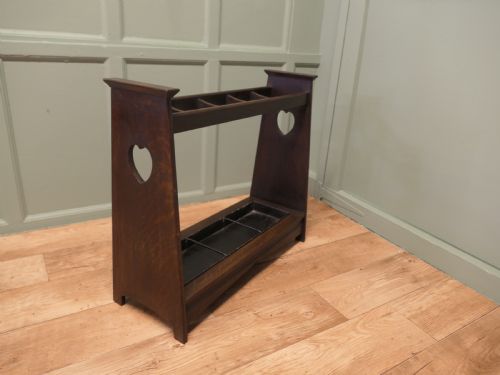
Makers and designers of these hallway pieces utilised diverse stylistic movements, producing items in Aesthetic Movement, Arts and Crafts, Art Nouveau, and Art Deco styles. Some pieces function purely as stick and umbrella holders, whilst others integrate coat stands and hall trees.
How they were made
Makers built these pieces using solid timbers like oak, mahogany, beech, and pine, frequently employing coopered construction with brass bands for wooden umbrella barrels. Bentwood techniques allowed for curved wooden hat and coat frames, particularly popular in later twentieth-century designs.
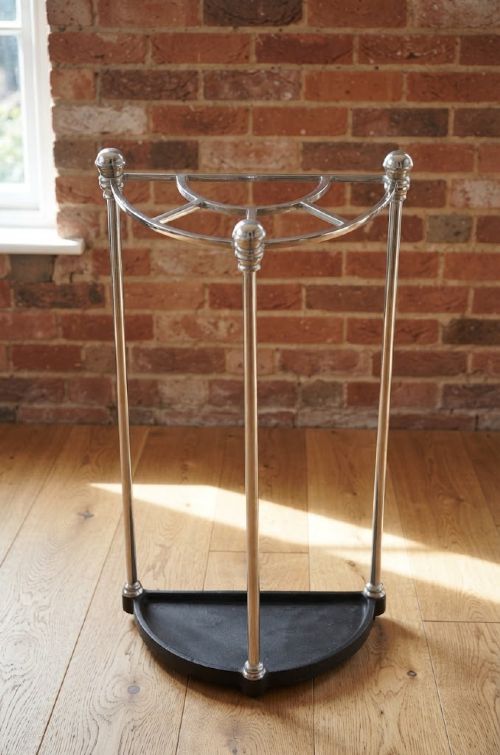
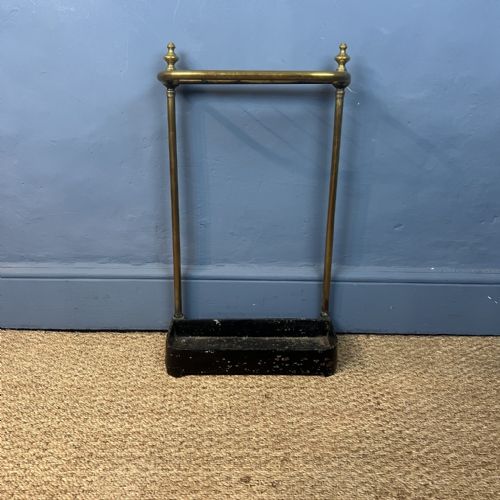
Metal components formed an essential part of the construction, with heavy cast iron, brass, and nickel-plated metal used for structural frames, decorative panels, and internal dividers. Removable zinc or metal drip trays sat at the base to catch water from wet umbrellas and protect the flooring below.
Materials documented in current stock include zinc drip trays, nickel-plated frames, and coopered oak barrels designed for walking sticks.
What varies in quality
Quality in a hall stand umbrella holder depends upon the integrity of the materials and the sophistication of the design, distinguishing standard utility items from pieces designed by prominent makers and artistic movements. Heavy cast iron frames with intricate relief work or marked by known foundries sit at a different level from simple pine or beech utilitarian stands.
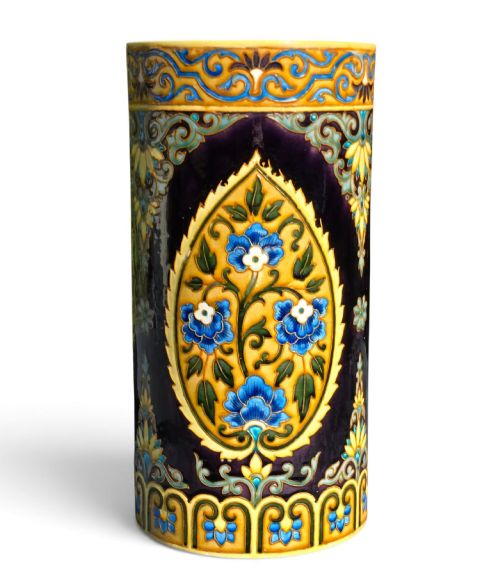
Coalbrookdale·Théodore Deck·Thomas Jeckyll
The Hall Stand Umbrella Holder Glossary
- Hall stand
- A piece of hallway furniture combining coat hooks, umbrella storage, and often a mirror or glove box. They anchor the entrance space of a period home.
- Drip tray
- A removable metal or zinc pan placed at the base of an umbrella holder to catch water. It prevents moisture from damaging the floor.
- Bentwood
- Wood heated and bent into curved shapes, commonly utilised for lightweight coat and hat stands. This technique gained widespread popularity in the late nineteenth and early twentieth centuries.
- Coopered
- Wood staves joined side by side and bound with metal hoops, traditionally used for barrels and cylindrical umbrella stands. This method provides robust containment for wet sticks.
- Aesthetic Movement
- A late nineteenth-century design style emphasising visual beauty over narrative subject matter. Pieces from this movement often feature stylized natural motifs and bamboo or brass detailing.
Hall Stand Umbrella Holder: Frequently Asked Questions
What is a hall stand umbrella holder?
A hall stand umbrella holder is a piece of entrance hall furniture designed to hold wet umbrellas, walking sticks, and outerwear. These items combine vertical umbrella wells with hooks for hats and coats.
They serve as a practical threshold piece, keeping hallway floors dry and outdoor accessories organised near the front door.
How do I care for wooden umbrella stands?
Wooden umbrella stands require careful management of moisture to protect the timber and internal metal components. Ensuring that the metal drip tray remains dry prevents rust transfer and wood rot at the base.
Applying occasional wax to oak or mahogany surfaces maintains the finish without sealing moisture into the grain.
How do I identify Edwardian hall stands?
Edwardian hall stands typically feature lighter golden oak timbers and cleaner lines compared to heavier Victorian predecessors. They frequently incorporate bevelled mirrors and simpler brass coat hooks.
Design influences from the Arts and Crafts movement often appear in these pieces through exposed joinery and straightforward functional forms.
Were these stands used in small hallways?
Many smaller stick stands and demi-lune umbrella holders were produced specifically for compact Victorian and Edwardian vestibules. Corner stands and narrow cast iron designs allowed for umbrella storage in restricted spaces.
Larger hall trees with integrated seating and mirrors were reserved for more spacious entrance halls.