
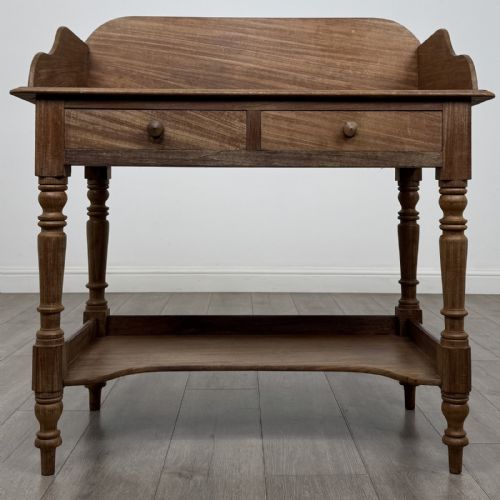
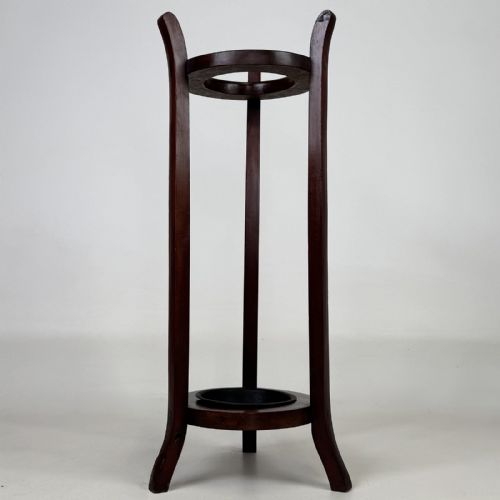
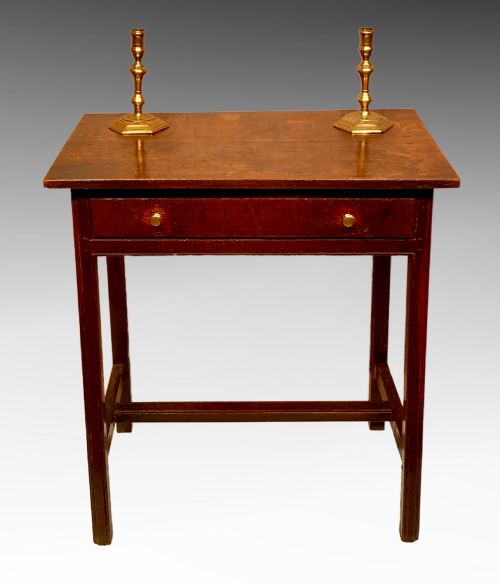
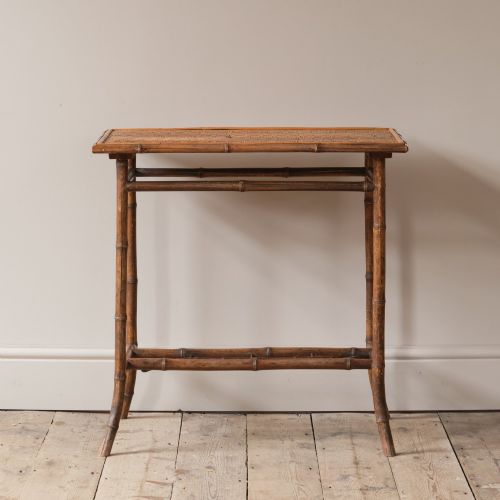

Hall Stand Furniture
Hall stand furniture welcomes visitors at the threshold, keeping coats and umbrellas neatly contained in timber or iron.
Hall Stand Furniture
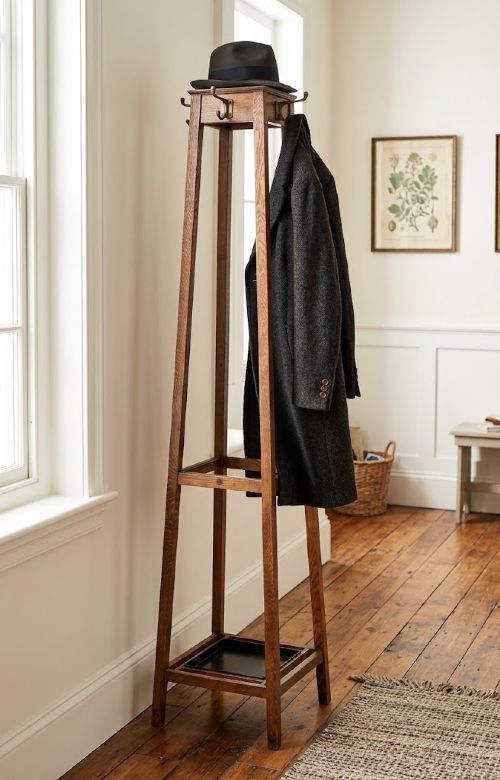
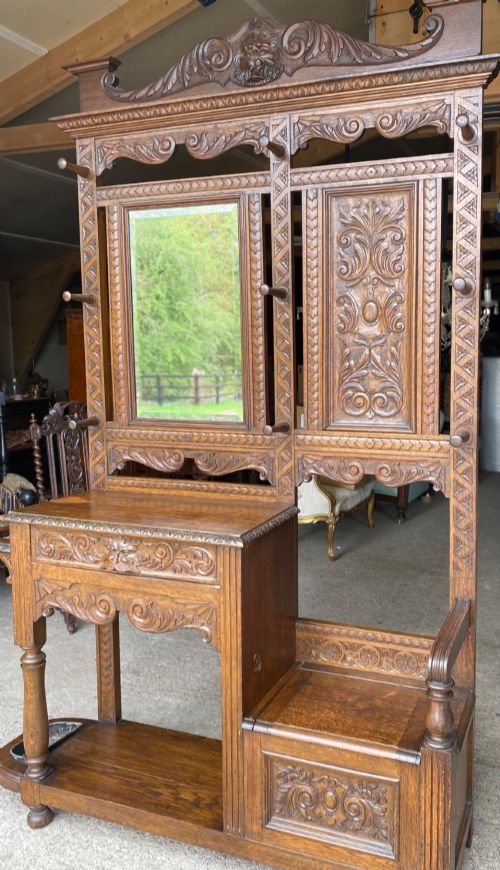
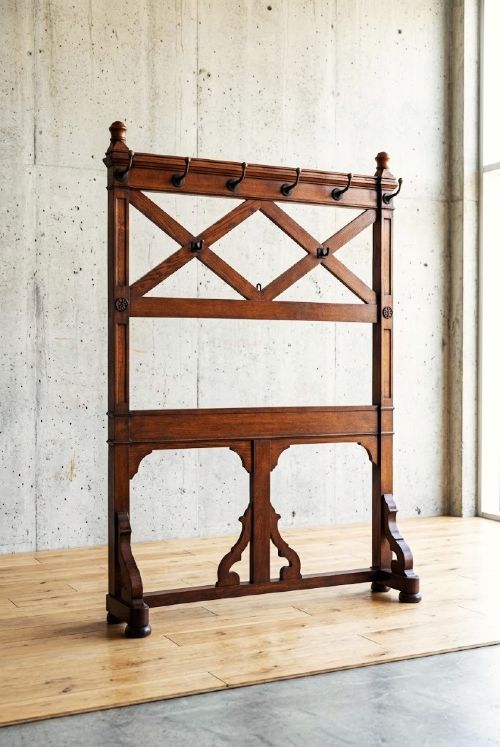
Hall stand furniture encompasses pieces designed for the entranceway, focusing on practical storage for outdoor garments and walking gear. The selections here range from substantial Victorian carved oak structures to lighter Edwardian iterations.
Most examples combine hooks for hats and coats with lower trays or racks for umbrellas and walking sticks. Occasional variants incorporate central mirrors or small seating compartments for changing footwear.
Origins stretch across the nineteenth and early twentieth centuries, drawing on Victorian, Edwardian, and Arts and Crafts design principles. Oak and mahogany dominate the timber options, complemented by metal and bamboo alternatives.
Materials and construction methods
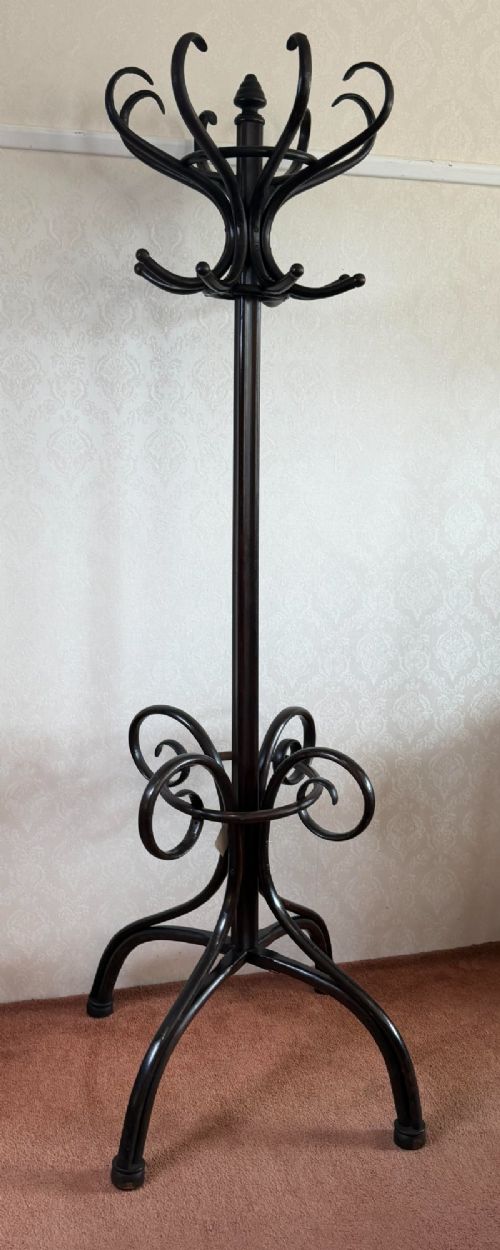
Makers utilised solid oak, walnut, and mahogany for structural frames, employing deep carving and turned elements like barley twist columns. Bentwood techniques also appear, shaping pliable timber into curving coat and hat hooks.
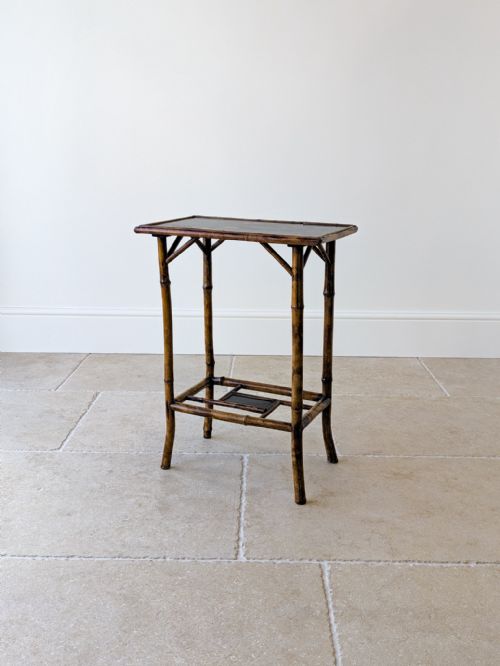
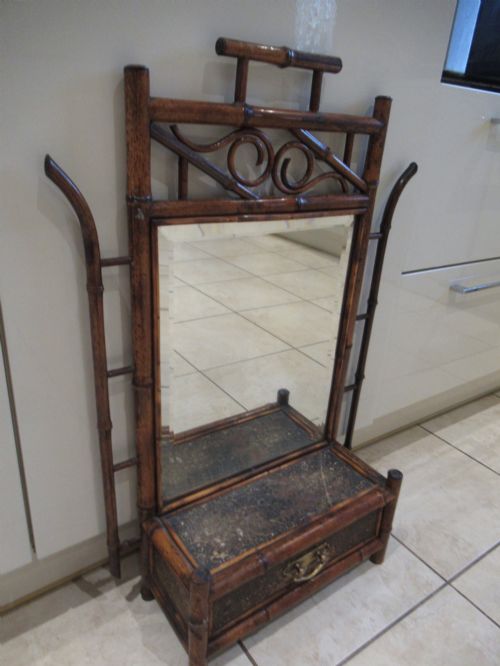
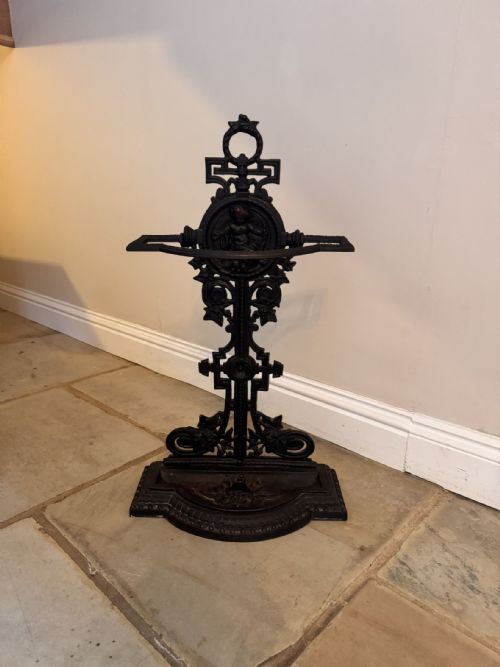
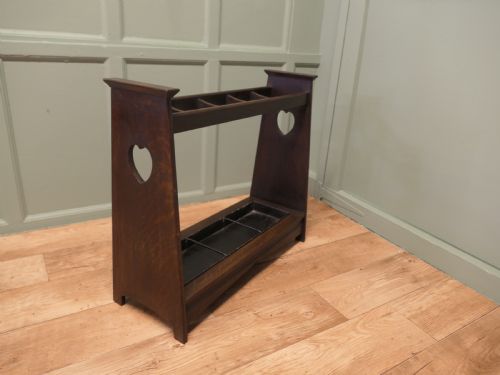
Metal components such as cast iron and brass form sturdy umbrella stands, frequently paired with removable drip trays to catch rainwater. Bamboo construction offers a lighter aesthetic, seen in both natural and faux finishes.
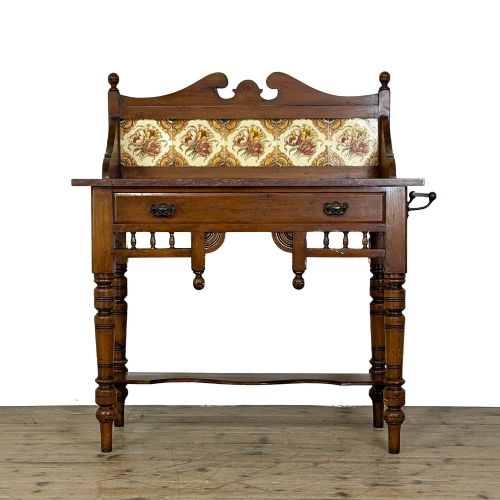
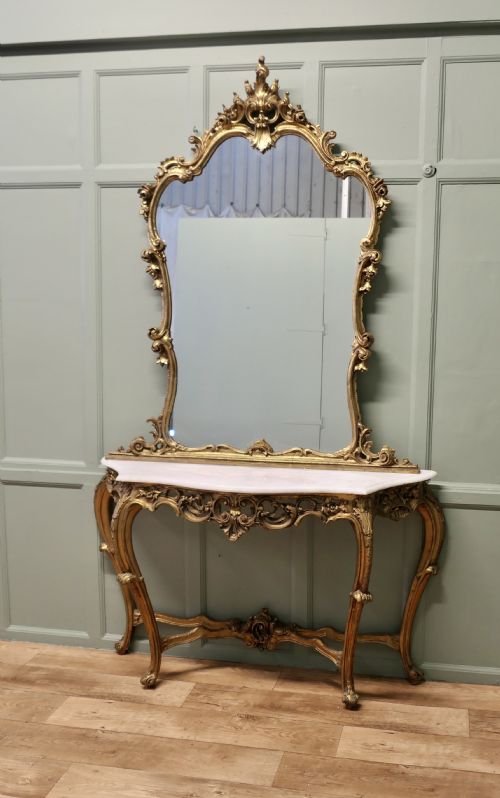
Additional detailing includes inset bevelled mirrors and marble tops on washstand-hybrid forms. Finishes range from ebonised treatments to polished golden oak.
Materials recorded across the inventory include oak, mahogany, bamboo, beech, cast iron, brass, and glass.
Distinctions in craftsmanship
Quality rests on the integrity of the timber selection and the depth of hand-carved ornamentation. Finer examples display robust joinery that supports the heavy load of winter garments without structural strain.
Hardware execution separates standard utility pieces from exceptional items. Original brass coat hooks, intact drip trays, and secure bevelled mirrors elevate the execution of a piece.
Stylistic coherence dictates upper tiers of design, particularly in pieces associated with specific movements like Arts and Crafts or the Aesthetic Period. Well-balanced proportions and considered secondary materials like cast iron define superior manufacture.
Shoolbred and Co·Hindley and Sons·Corneau Freres Charleville·Denby and Spinks
The Hall Stand Furniture Glossary
- Drip tray
- A shallow metal basin placed beneath umbrella holders to catch water from wet sticks. These are frequently cast iron or brass in traditional builds.
- Bentwood
- Timber shaped by heating and steam to form sweeping curves without joints. This technique creates lightweight yet resilient frames for coat stands.
- Hall seat
- A dual-purpose entrance furnishing that integrates a bench or small cupboard with back panels for hooks. Users sit here to remove footwear.
- Aesthetic Movement
- A late nineteenth-century design ethos prioritising visual beauty over narrative function. Pieces from this era often utilise bamboo or Japonisme motifs.
- Gothic Revival
- A nineteenth-century architectural style translated into furniture through pointed arches and heavy carved tracery. Oak is the primary medium for these imposing pieces.
Hall Stand Furniture: Frequently Asked Questions
What is hall stand furniture?
Hall stand furniture comprises dedicated entranceway pieces built to hold outerwear, hats, and walking umbrellas. They combine vertical storage with practical daily utility.
Most incorporate rows of metal hooks alongside lower umbrella rings and drip trays. Some variations also provide small mirrors or integrated seating.
How were these pieces used?
Households utilised these furnishings immediately inside the front door for discarding wet coats and walking sticks upon entry. They kept heavy outdoor apparel organised and accessible.
The integrated trays caught moisture from wet umbrellas to protect hallway flooring. Mirrors allowed a final check of attire before stepping outside.
How do I live with hall stand furniture?
Position the piece securely against a sturdy hallway wall to support the weight of heavy winter coats. Ensure adequate clearance around the base for umbrella removal.
Treat wooden surfaces with appropriate wax or polish to maintain the finish. Metal drip trays require periodic emptying and cleaning to prevent moisture damage.
How do I tell periods apart?
Victorian examples lean towards heavy carved oak, dark finishes, and Gothic or Rococo revival details. Edwardian versions often feature lighter timber, cleaner lines, and simpler turned columns.
Arts and Crafts pieces emphasise honest construction and visible joinery in solid oak. Bamboo and ebonised frames typically point towards late nineteenth-century Aesthetic styling.