


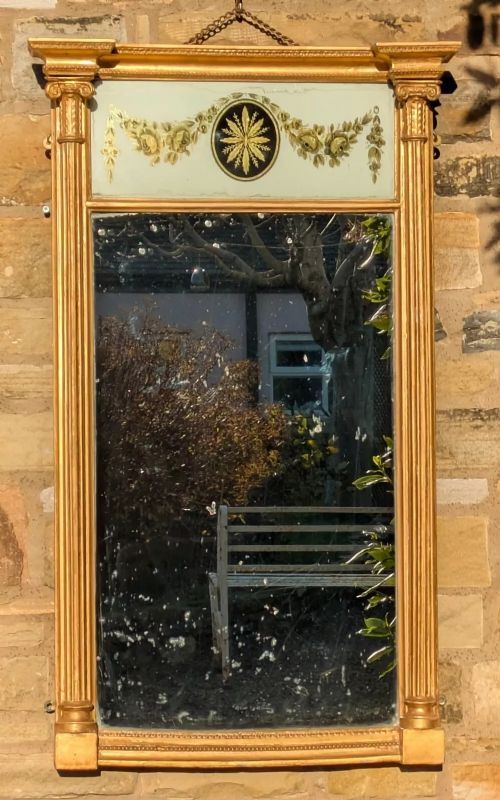


Hall of Mirrors Glass
Hall of mirrors glass brings dramatic scale and luminous depth to an interior, channelling the grand optical tricks of historic reception spaces.
Hall of Mirrors Glass
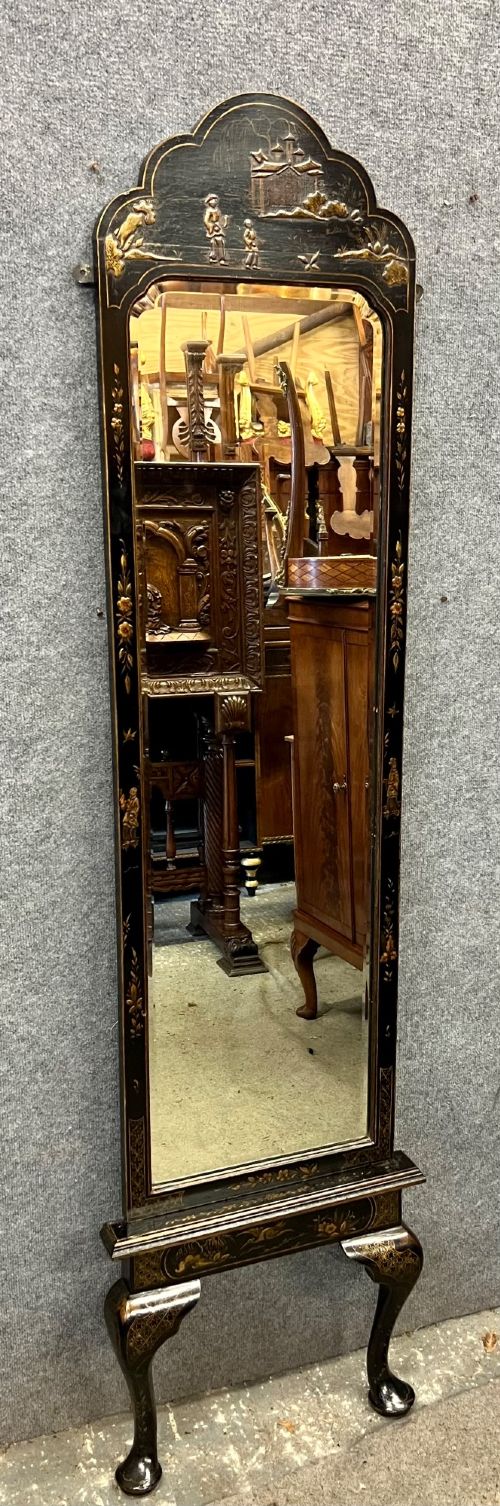
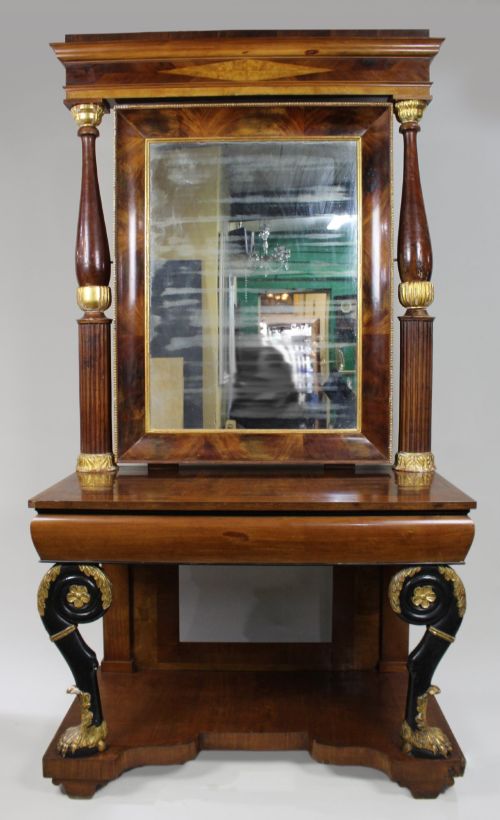
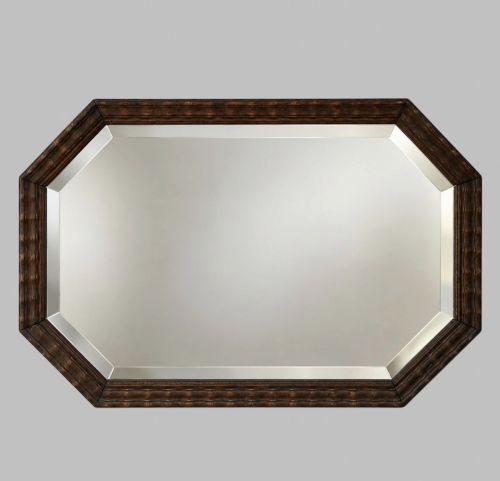
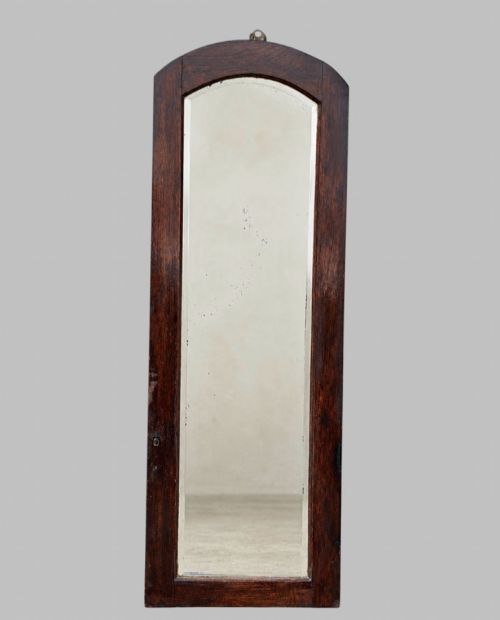
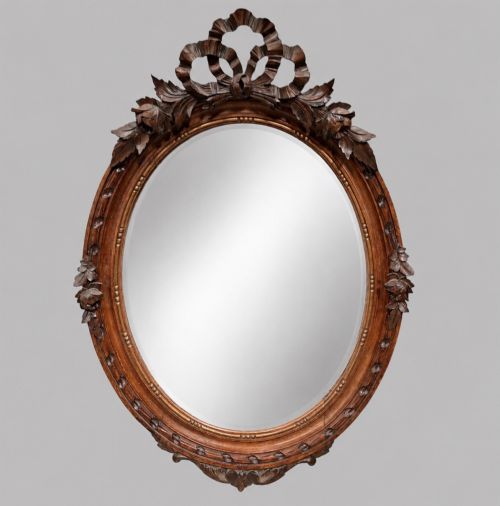
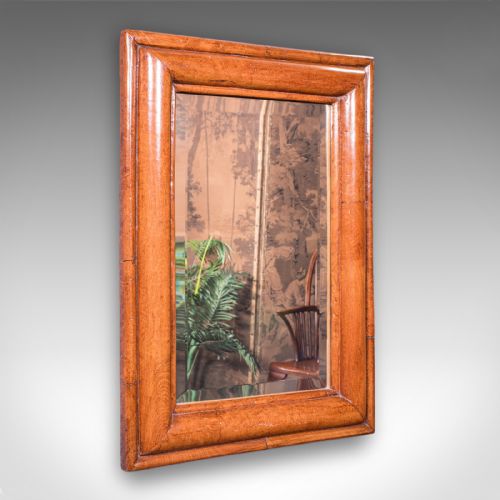
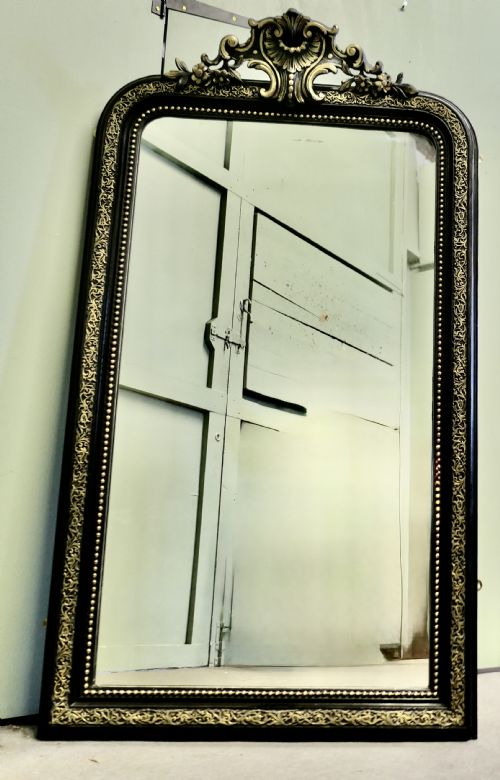
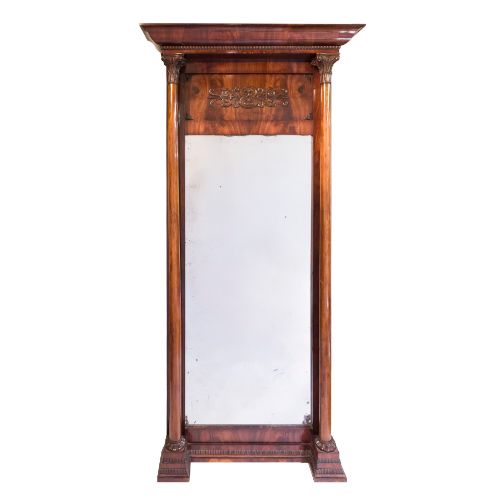
When you search for hall of mirrors glass, you encounter substantial wall mirrors, tall pier glasses, and matching console table sets designed to expand perceived interior space. These pieces span the Victorian, Edwardian, and Regency periods, alongside robust early 20th-century examples.
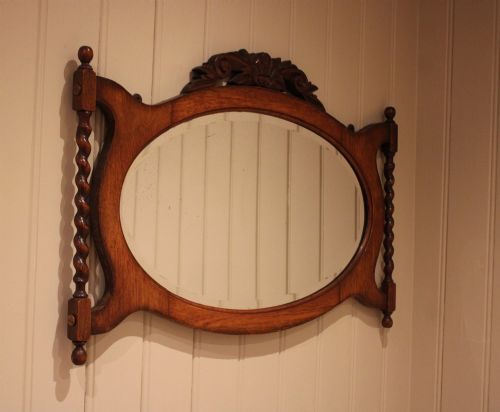
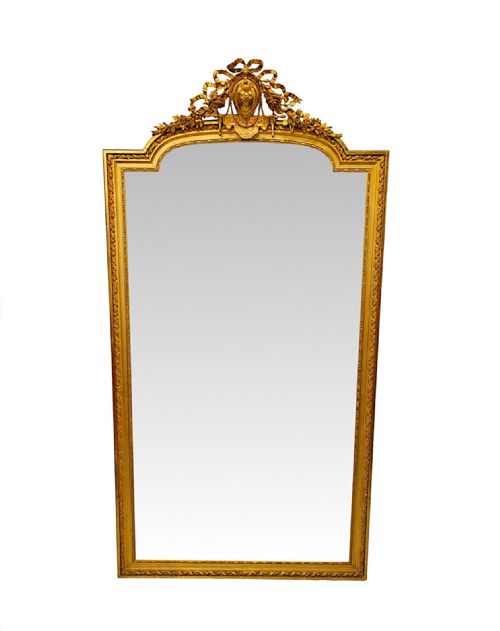
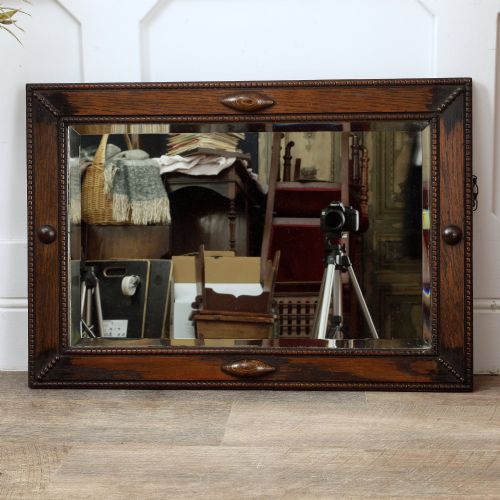
The most common formats on this page are 19th-century giltwood pier mirrors and sturdy oak or walnut hall mirrors. Makers from these eras adapted classical proportions for domestic reception halls, country houses, and grand salons.
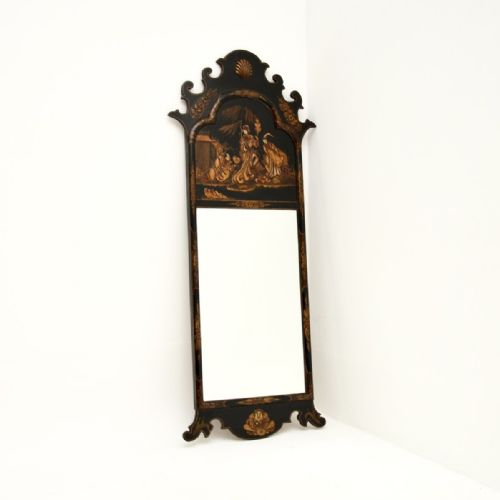
Specialised variations also appear, including tall Napoleon III frames, Chinoiserie wall pieces, and fairground or circus distortion glass. Each object serves to bounce light across a hallway or parlour, fulfilling the practical and decorative demands of period architecture.
Materials and construction
Frames rely heavily on carved wood, particularly oak, mahogany, walnut, and giltwood. Craftsmen applied gesso to wooden foundations before gilding surfaces with gold leaf to catch ambient daylight.
Glass plates are frequently bevelled along the edges, requiring skilled hand-grinding techniques common in the 19th and early 20th centuries. Some pieces incorporate specialised decorative elements like Verre Eglomise panels or parcel gilt details.
Hall of Mirrors Glass Retail Price Guide 2026
Typical asking prices for hall of mirrors glass among the pieces listed under this phrase on Sellingantiques today, from the lower quarter to the upper quarter. They describe what is for sale here now, not the wider market.
Object forms span standard wall mirrors, tall pier glasses, console table sets, and specialised fairground distortion plates.
Assessing the work
The sophistication of the woodcarving and the depth of the gilding set the standard for these objects. Crisp relief work on gesso and rich patination on walnut or mahogany indicate superior workshop execution.
The integrity of the glass itself matters greatly, whether retaining original silvering with honest foxing or showcasing precise bevelling that defines the optical weight of the piece.
Waring and Gillow
The Hall of Mirrors Glass Glossary
- Pier mirror
- A tall mirror designed specifically to hang on the narrow wall space between windows. These pieces often sat above matching console tables to maximise light reflection.
- Gesso
- A plaster-like mixture applied to wooden frames to create a smooth surface for gilding. It allowed carvers to achieve sharp, intricate relief details.
- Verre Eglomise
- A cold-painting and gilding technique applied to the reverse of glass panels. It produces a rich, reflective metallic border or picture.
- Parcel gilt
- A decorative finish where only specific portions of a wooden frame are gilded with gold leaf, leaving the underlying mahogany or walnut grain visible.
- Bevelled glass
- A mirror plate with edges angled and polished to a thinner profile. This technique refracts light at the perimeter to create a prism effect.
Hall of Mirrors Glass: Frequently Asked Questions
Where should I hang a pier mirror?
These tall glasses work best on narrow wall spaces between windows or above low console tables in a grand reception hallway.
Positioning them opposite a light source maximises the optical illusion of depth and brightens darker transitional spaces.
Are these mirrors suitable for daily use?
Many Edwardian and Victorian examples were built as hall or valet mirrors complete with shelving or pegs for everyday functionality.
They handle regular domestic use well, provided they are securely anchored to wall studs due to their substantial weight.
How do I identify a 19th-century frame?
Look for hand-carved wooden construction beneath layered gesso and gold leaf rather than modern cast resins. Older plates often feature subtle distortions, hand-bevelling, and natural ageing in the silver backing.
What is a fairground distortion mirror?
These specialist pieces use curved glass plates designed to deliberately warp reflections for amusement and visual spectacle.
Originating in the late 19th and early 20th centuries, they function as theatrical conversation pieces rather than standard looking glasses.