




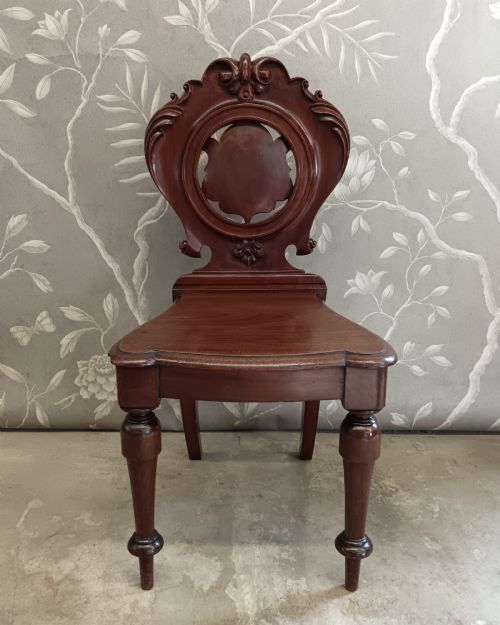
Hall Furniture with Seat
Solid timber hall furniture with seat forms provide practical entryway seating with integrated storage spanning several centuries of craftsmanship.
Hall Furniture with Seat
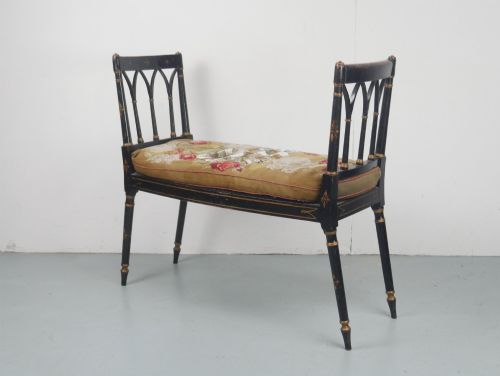
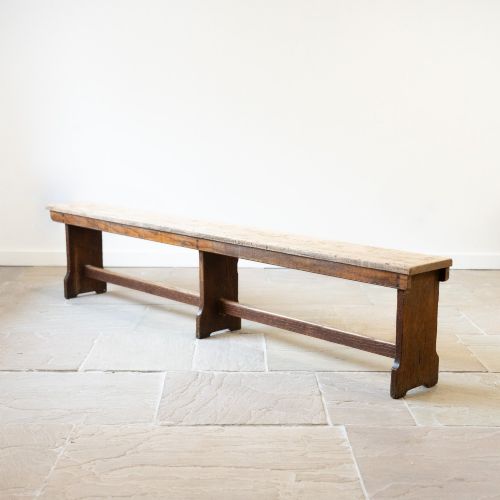
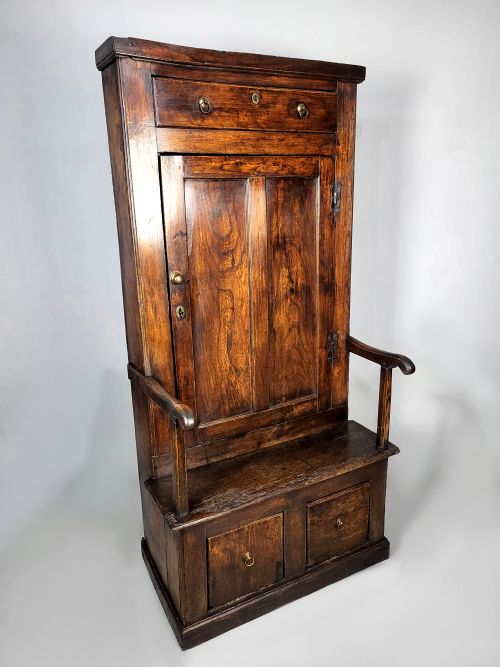
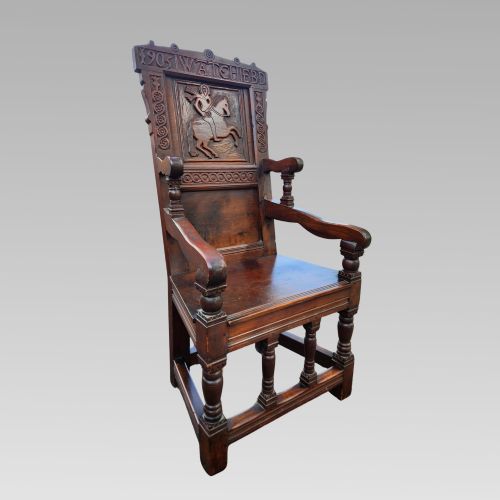
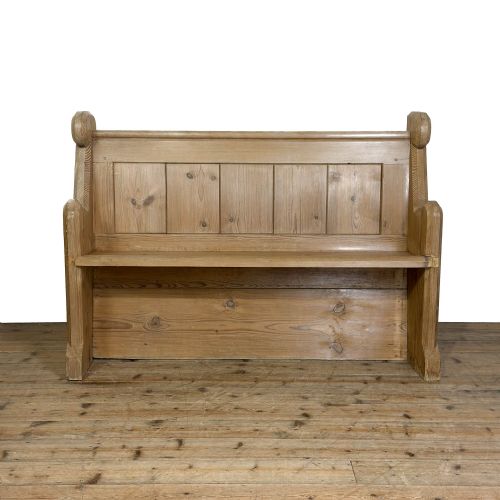
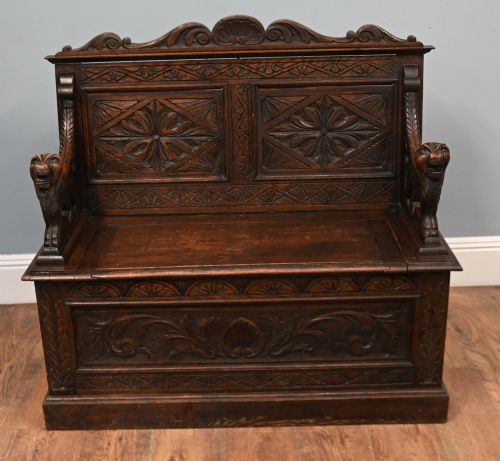
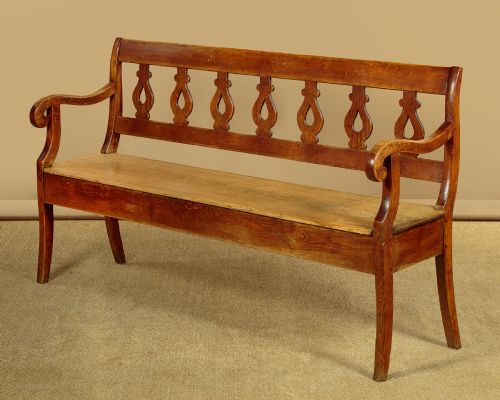
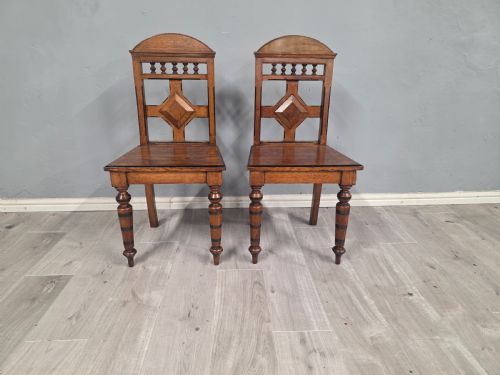
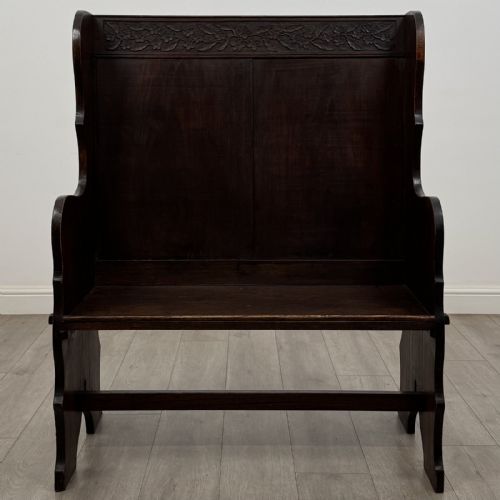
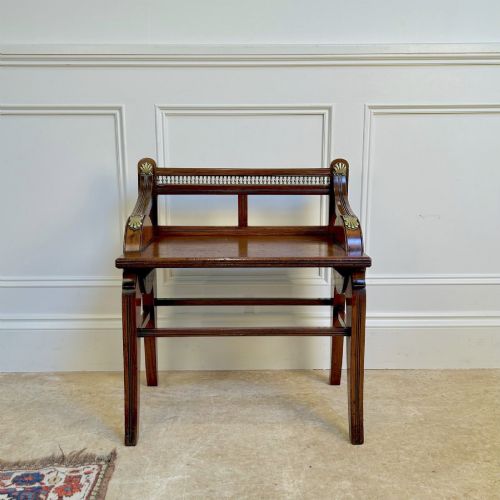
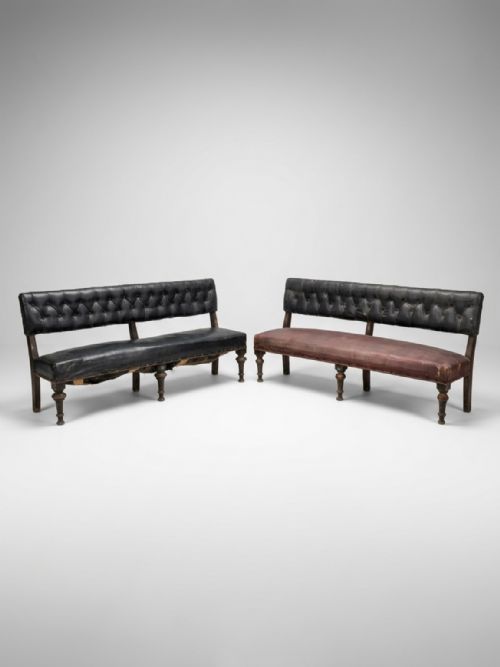
Hall furniture with seat examples encompass settles, benches, and hall stands designed primarily for entranceways and boot rooms. The selection ranges from robust 18th century elm bacon settles to heavily carved Victorian oak pieces and lighter Edwardian variations.
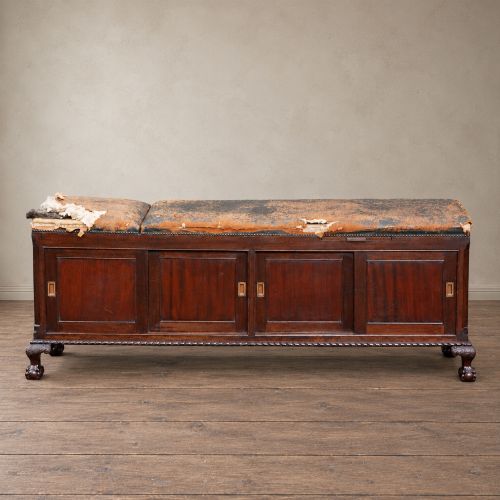
Most items combine a seating platform with functional elements such as lift-up lids for storage, high backs to block draughts, or integrated umbrella and stick stands. Regional pieces like Welsh and Hungarian box settles sit alongside Gothic revival designs and Arts and Crafts creations.
Forms vary from compact table-top benches to large multi-functional storage units and paired chairs. Oak remains the predominant timber, supplemented by pine, mahogany, ash, elm, and walnut across various provincial and urban workshops.
How they were made
Cabinet makers utilised solid native timbers, predominantly oak, pine, elm, and mahogany, constructing frames using traditional joinery methods such as mortise and tenon. Surfaces often received wax finishes to nourish the wood grain, while decorative detailing relied on hand carving, applied mouldings, and occasional inlay.
Functional hardware, including brass hinges, iron brackets, and glass inserts, supported hinged seats and storage compartments. Upholstered elements incorporated leather, velvet, and linen fixed to internal webbing or padding.
Hall Furniture with Seat Retail Price Guide 2026
Typical asking prices for hall furniture with seat among the pieces listed under this phrase on Sellingantiques today, from the lower quarter to the upper quarter. They describe what is for sale here now, not the wider market.
Black Forest bears keep watch from wooden benches, holding card trays or umbrella stands with ursine dedication.
What varies in quality
Timber selection and original patination dictate the upper tier of quality, distinguishing pieces with rich, untouched surfaces from those with extensive modern alterations. The crispness of hand-carved details, such as Green Man motifs or tracery, marks the distinction between standard provincial joinery and accomplished workshop production.
Structural integrity depends on the retention of original joining pegs, solid timber floorboards in box seats, and unaltered proportions. The sophistication of integrated mechanisms, from smoothly operating hinged lids to combination stick stands and shoe storage, separates simpler utility items from bespoke commissions.
James Shoolbred & Co·Liberty·W.A. Willcocks
The Hall Furniture with Seat Glossary
- Settle
- A wooden bench with a high back, solid arms, and often a enclosed box base beneath the seat. This form protected sitters from cold draughts in traditional hallways.
- Bacon settle
- A high-backed wooden piece featuring cupboards or rails above the seat historically used for curing and storing meat. These substantial items originate primarily from 18th century country homes.
- Box settle
- A bench design featuring a hinged seat opening to a storage compartment below. This dual-purpose form maximised utility in smaller domestic entryways.
- Monks bench
- A convertible piece of furniture functioning as a table with a pivoting back that folds down to create a seat with a high backrest. Victorian interpretations often incorporated carved oak panels.
- Hall stand
- A tall entryway furnishing combining a seat, coat hooks, mirror, and a drip tray for umbrellas or walking sticks. These units coordinated multiple hallway functions into a single vertical structure.
Hall Furniture with Seat: Frequently Asked Questions
What is a hall settle?
A hall settle is a wooden bench featuring a high back and solid arms designed for placement in entrance halls. Many historical examples incorporate a enclosed storage box beneath the seating surface.
These pieces served both as a place to sit while changing footwear and as a barrier against cold drafts near front doors.
How do I date an oak settle?
Dating relies on construction methods, timber characteristics, and stylistic ornament such as linenfold panels, carved strapwork, or Gothic tracery. Earlier 17th and 18th century examples display hand-cut joinery marks and pegged joints.
Later Victorian and Edwardian revivals often utilise machine-sawn timber and factory-produced hardware while copying historical motifs.
Where were bacon settles used?
Bacon settles originated in rural domestic kitchens and large farmhouse hallways during the 18th century. The high enclosed back kept occupants warm near the hearth.
верхние cupboards or internal rails provided a dry environment for curing and hanging provisions away from pests.
Are storage benches sturdy enough for daily use?
Solid hardwood construction using oak, elm, or mahogany ensures these benches withstand regular seating and daily weight loads. The heavy timber frames and pegged joints provide inherent structural stability.
Lift-up seat lids require careful handling to protect original hinges and timber edges from impact damage.