





Gustavian Storage Cabinet
A gustavian storage cabinet brings light, restrained Scandinavian proportion and painted elegance straight into a room.
Gustavian Storage Cabinet
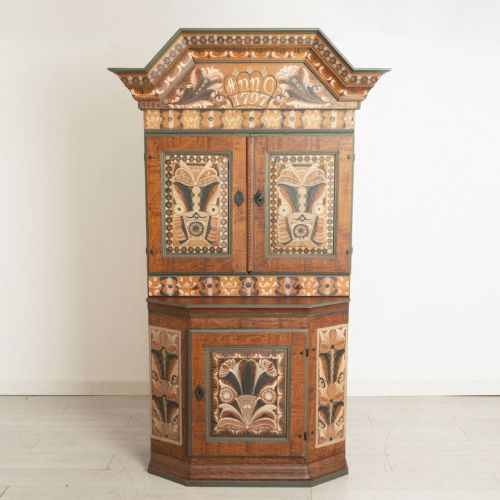
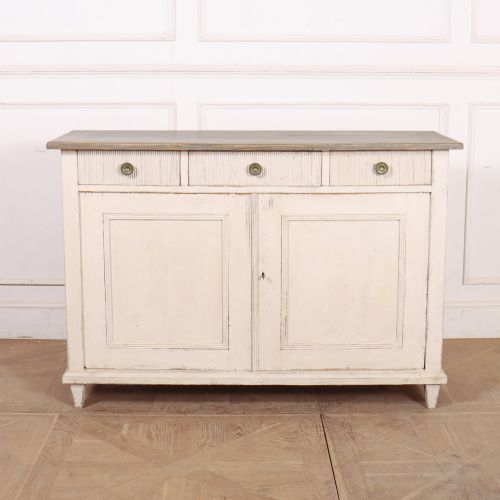
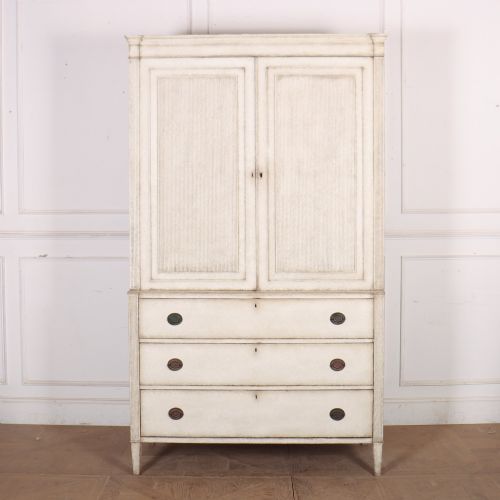
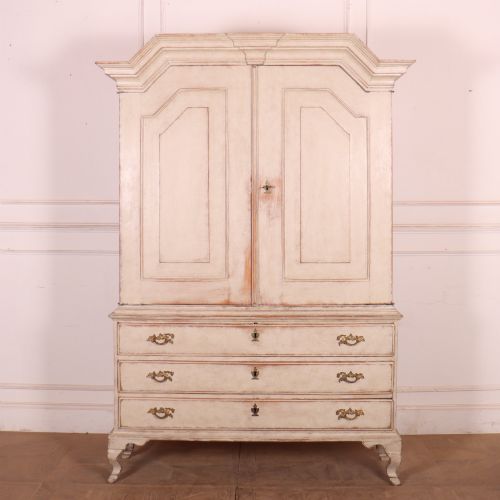
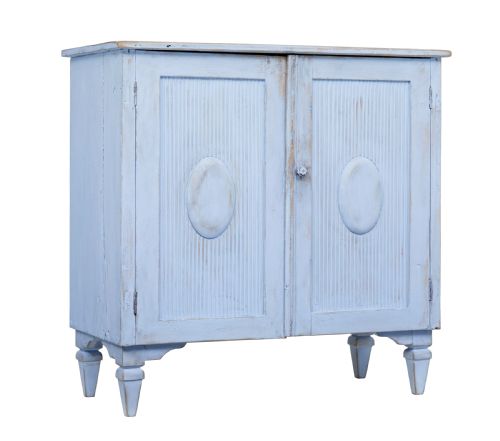
When you search for a gustavian storage cabinet, you encounter tall linen cupboards, two-door floor standing pieces, and smaller sideboards dating primarily from the eighteenth and nineteenth centuries. These pieces originate largely from Sweden, adhering to the neoclassical tastes adopted during the reign of King Gustav III.
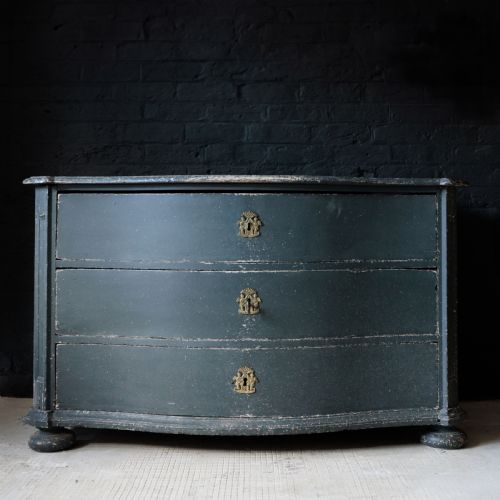
The most common examples you meet on this page are pine cupboards finished in layered paint, often featuring panelled doors and subtle architectural mouldings. Alongside these tall storage pieces, you will find occasional chests of drawers and commodes reflecting Scandinavian country and folk art traditions.
Materials and construction
Makers constructed these cabinets predominantly using local softwood timbers, primarily pine and ash, chosen for availability and ease of working. Carpenters joined panels with traditional techniques to accommodate the seasonal movement of softwood.
Surface decoration relies on multiple layers of paint, often applied to pine or softwood, with colours ranging from pale greys to traditional soft whites. Iron and brass hardware such as hinges and escutcheons complete the assembly of doors and drawers.
Gustavian Storage Cabinet Retail Price Guide 2026
Typical asking prices for gustavian storage cabinet among the pieces listed under this phrase on Sellingantiques today, from the lower quarter to the upper quarter. They describe what is for sale here now, not the wider market.
Listings span the eighteenth and nineteenth centuries, featuring pine and ash timbers finished in paint alongside brass and iron hardware.
Distinctions in quality
The division between standard and superior pieces rests in the integrity of the original painted surface and the crispness of carved wooden details. Cabinets retaining original scraped paint layers display a depth and texture that later decorative repainting cannot replicate.
Proportion and scale also separate simpler utilitarian furniture from pieces designed with refined neoclassical restraint. Better examples exhibit balanced cornices, harmonious door panels, and well-proportioned stands that reflect academic design translated into regional workshops.
The Gustavian Storage Cabinet Glossary
- Gustavian
- The Swedish neoclassical style spanning the late eighteenth century, defined by straight lines, restrained classical motifs, and pale painted finishes.
- Linen cupboard
- A tall cabinet specifically proportioned for storing household textiles, usually fitted with internal shelving.
- Commode
- A low chest of drawers or cabinet standing on legs, originating as a French form but widely adopted across Europe.
- Scraped paint
- A conservation term for a painted surface where later overcoats have been carefully removed to reveal the original historical layers beneath.
- Softwood
- Timber derived from conifers such as pine, widely utilised throughout Scandinavian furniture making for its accessibility and workability.
Gustavian Storage Cabinet: Frequently Asked Questions
How do I spot an original painted surface?
Original painted surfaces show natural wear patterns, minor crackle, and subtle tonal variations that accumulate over generations of use and cleaning.
Modern decorative repainting often appears too uniform in texture and lacks the authentic microscopic layering found on eighteenth and nineteenth-century pieces.
Where were these cabinets used originally?
These storage pieces served primarily in domestic interiors, holding household linens, clothing, and dry provisions in bedrooms and living rooms.
Tall cupboards functioned as key architectural storage units in homes that lacked built-in closets during the eighteenth and nineteenth centuries.
Are these cabinets difficult to maintain?
Maintaining painted pine furniture requires simple dusting with a dry cloth and avoiding harsh chemical cleaners that can damage historic finishes.
Keeping the timber away from direct heat sources and excessive humidity prevents the softwood panels from splitting or warping.
What defines Swedish country style?
Swedish country style blends neoclassical proportions with practical folk traditions, resulting in functional furniture painted in light-reflecting pastel shades.
This aesthetic developed as provincial makers interpreted royal Swedish court tastes using local pine and accessible workshop techniques.