

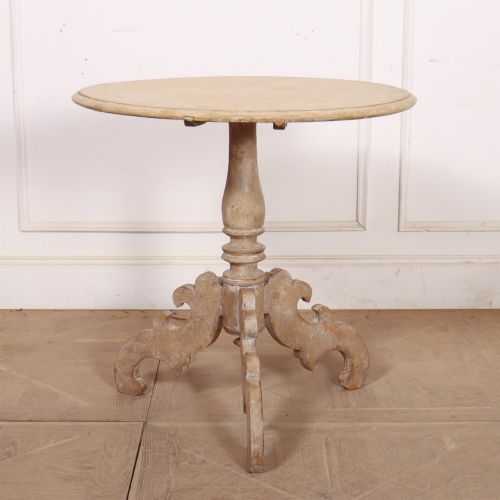
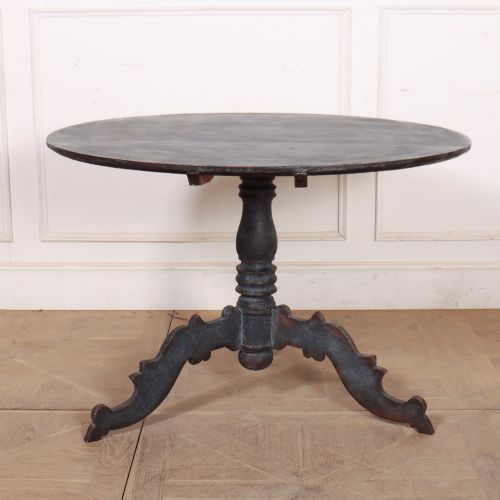
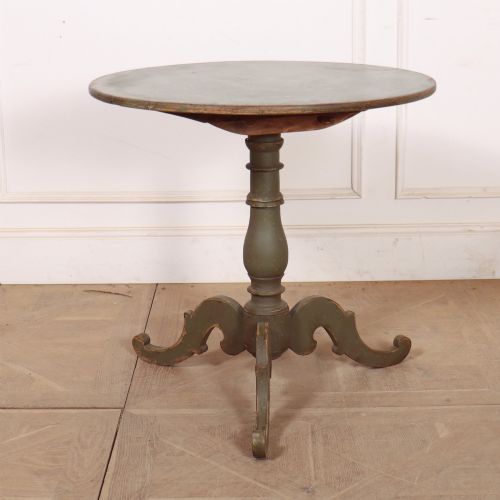
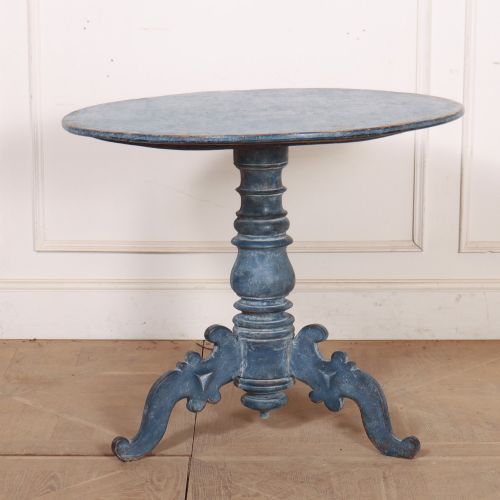


Gustavian Accent Table
A gustavian accent table brings northern light and restrained classical proportion into a room, offering simple utility through painted timber and pared-back form.
Gustavian Accent Table
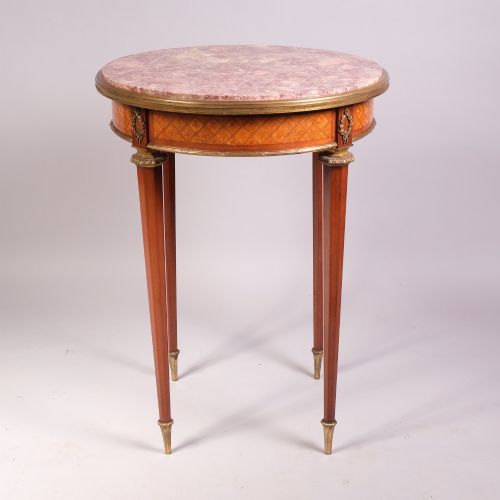
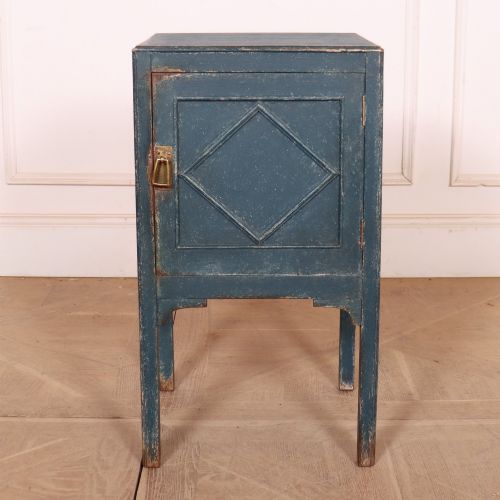
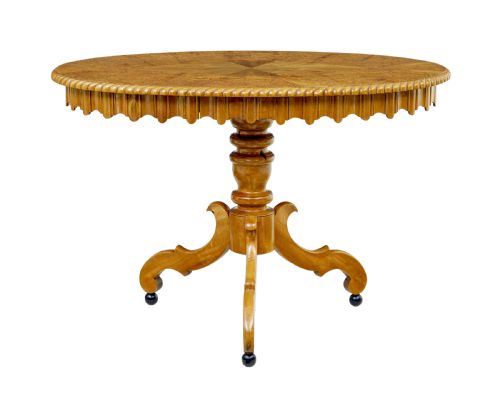
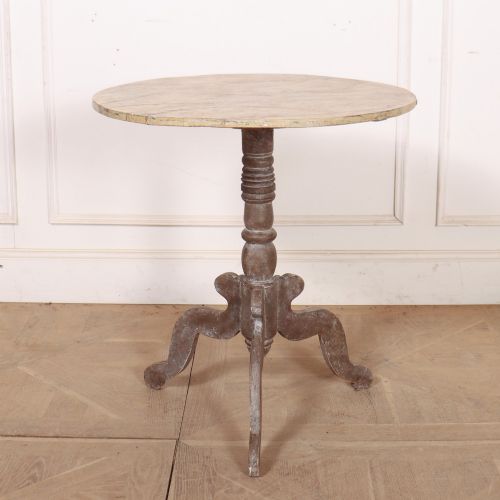
When you search for a gustavian accent table, you find pieces designed for practical service in nineteenth-century Scandinavian interiors. These items range from compact lamp tables and round occasional pieces to oval burr birch side tables.
The version you are most likely to meet on this page is the Swedish painted lamp table or side table from the nineteenth century. These items often display Scandinavian country or Swedish country characteristics alongside classical restraint.
Makers shaped these tables from pine, birch, and softwood, applying layered paint finishes to create the pale surfaces typical of the style. Occasional forms include dining and centre tables as well as occasional stools.
How they were made
Joiners built these tables using native timbers such as pine, softwood, and birch, selected for local availability and structural reliability. Burr birch veneers occasionally appear on top surfaces to introduce subtle grain patterns beneath clear finishes.
Painters applied multiple coats of oil or water-based pigment to the wooden frames, typically achieving muted white, grey, or soft earth tones. Metal fittings such as brass details occasionally accent the primary wooden structures.
Gustavian Accent Table Retail Price Guide 2026
Typical asking prices for gustavian accent table among the pieces listed under this phrase on Sellingantiques today, from the lower quarter to the upper quarter. They describe what is for sale here now, not the wider market.
The listings span the eighteenth century, the nineteenth century, and the early twentieth century, utilising pine, birch, and painted wood.
What varies in quality
The refinement of the timber preparation and the selection of cabinet woods establish the baseline quality of a piece. Solid birch frames and figured burr birch surfaces demonstrate greater material consideration than standard softwood construction.
The depth and character of the painted surface separate standard utility items from finer examples. Original or early layered paint finishes that have aged naturally carry more visual interest than heavy modern repainting.
The Gustavian Accent Table Glossary
- Burr birch
- A wood type featuring swirling knot formations that create intricate patterns across the surface of the timber. Cabinet makers prized this material for decorative table tops.
- Softwood
- Timber derived from conifers, commonly used for the structural carcases and painted bodies of Scandinavian furniture. It provides a lightweight yet durable base.
- Occasional table
- A small, movable table designed for specific, intermittent use within a room rather than permanent placement. Lamp tables and supper tables fall into this category.
- Gustavian
- A Swedish neoclassical design style originating in the late eighteenth century characterised by restrained ornamentation and pale painted finishes. It draws inspiration from French Louis XVI aesthetics.
Gustavian Accent Table: Frequently Asked Questions
What is a gustavian accent table used for?
These tables served practical functions in nineteenth-century homes as lamp stands, supper tables, or general side surfaces. Today, they suit similar roles beside seating or in hallways.
Their compact dimensions allow them to fit easily into smaller spaces while adding period character to a room.
How do I identify a nineteenth century table?
Nineteenth-century pieces typically display traditional joinery methods and specific timber selections like birch and pine. Examining the construction underneath often reveals hand-finished elements.
The presence of original painted surfaces and period wear helps confirm the age of the piece.
Where were these tables made?
The listings on this page originate primarily from Sweden, reflecting Scandinavian country and Gustavian traditions. Regional workshops built these items for domestic use.
Local craftspeople adapted continental neoclassical designs using native Nordic timbers.
How do I care for painted wood?
Painted wooden furniture requires gentle dusting with a dry or slightly damp cloth to protect the surface finish. Avoid harsh chemical cleaners that might strip historical paint layers.
Keeping the table away from direct heat sources prevents the timber from warping and the paint from cracking.