




Grey Stone Ornament
A grey stone ornament brings enduring presence to a garden, offering classical statues, staddle stones and weathered urns shaped from durable mineral aggregates.
Grey Stone Ornament
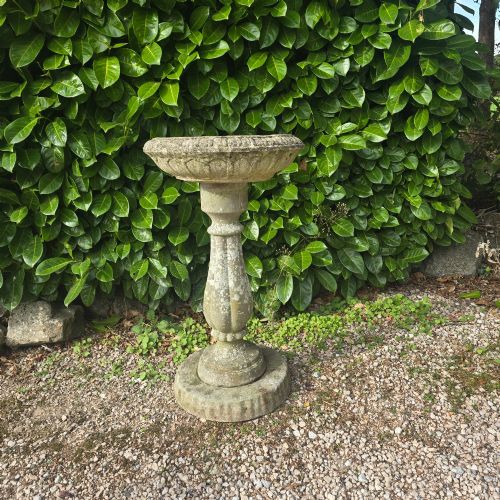
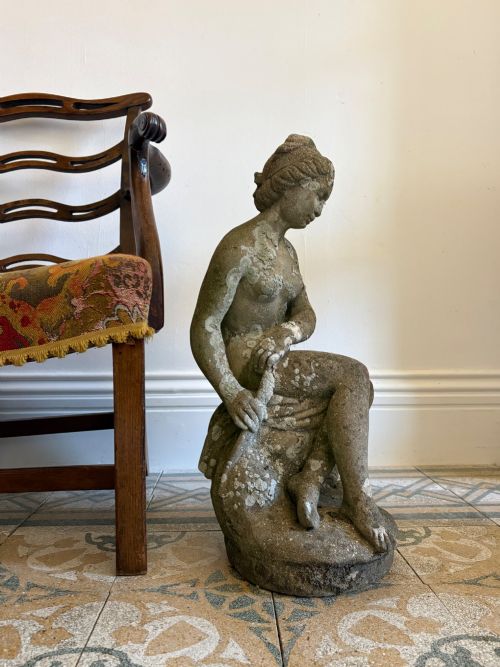
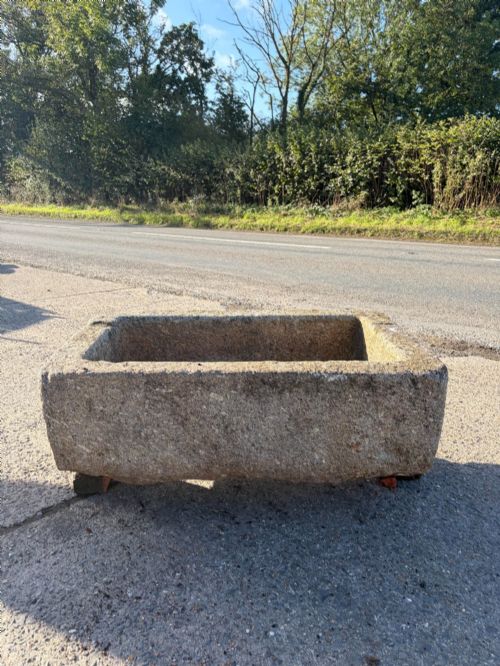
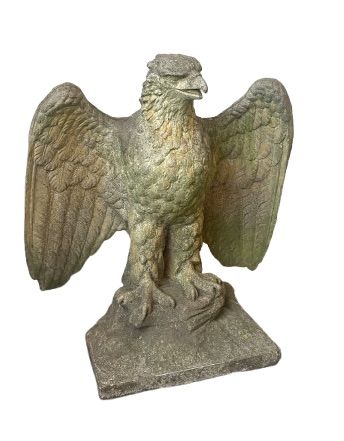
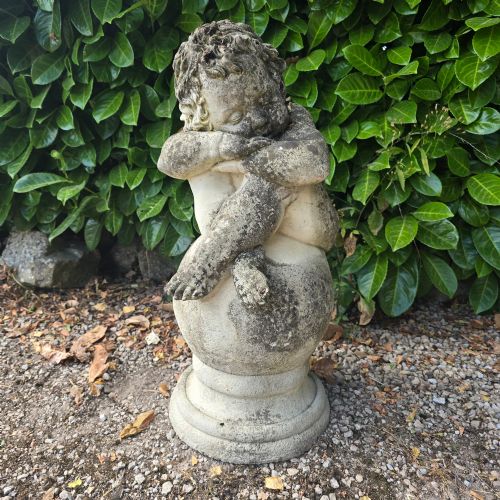
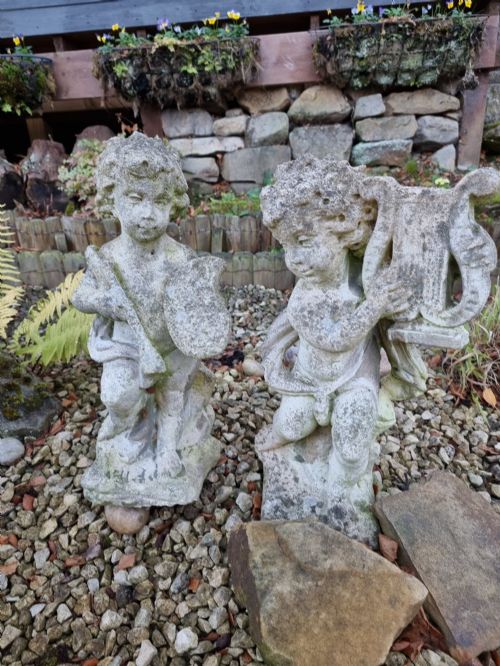
A grey stone ornament encompasses garden statuary, architectural salvage, bird baths and staddle stones shaped from various mineral compositions. Buyers search for these pieces to anchor outdoor spaces with classical figures, animal guardians or functional garden furniture. The selection ranges from pre-sixteenth century medieval carved busts and eighteenth-century limestone items to mid-twentieth-century cast stone figures.
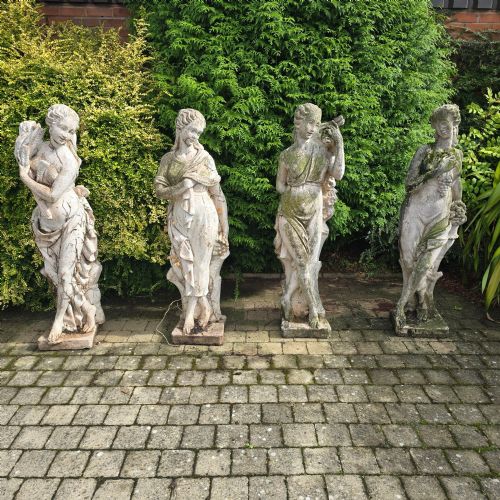
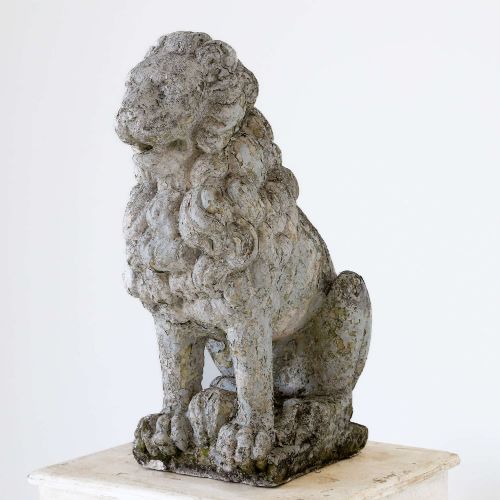
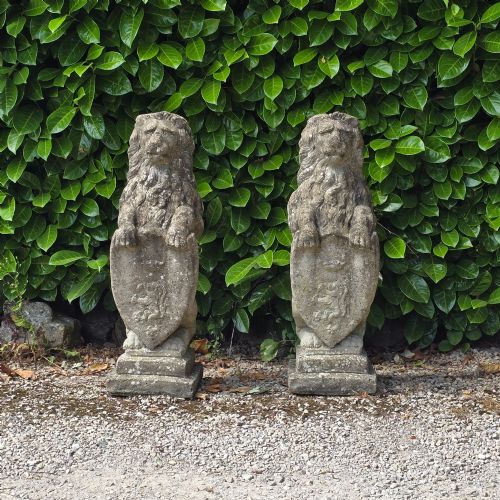
The most frequent versions encountered on this page date from the nineteenth and twentieth centuries, particularly the nineteen-thirties and nineteen-fifties. These later examples often adopt neoclassical, classical revival or rustic vernacular styles, depicting figures such as the Four Seasons, cherubs, lions and campana urns. Such pieces provide immediate maturity and architectural weight to lawns, terraces and courtyards.
Materials and Methodologies
Makers utilised natural quarried materials including limestone, sandstone, Cornish granite and soapstone, shaping them manually with chisels and carving tools. Earlier items, such as medieval busts and eighteenth-century staddle stones, display the direct tool marks of stonemasons working with regional British stone. These carved surfaces weather naturally over centuries, developing growths of moss and deep surface patination.
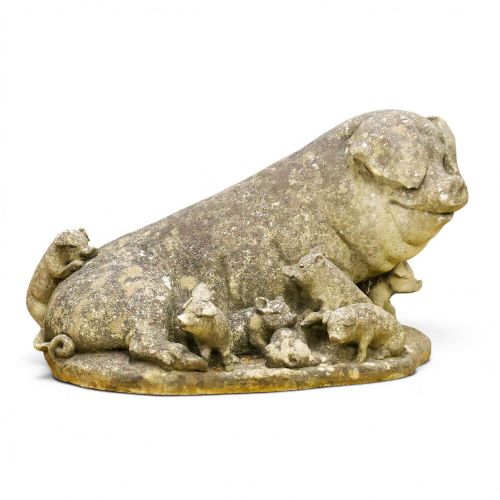
Twentieth-century production shifted towards cast stone, reconstituted stone, composite stone and concrete, moulded into intricate forms like lions, pigs and campana urns. Workshops poured aggregate mixtures into moulds, sometimes retaining original old paint surfaces or relying on atmospheric exposure to achieve a weathered appearance. This casting technique allowed the replication of complex neoclassical details across large garden statues and pedestals.
Grey Stone Ornament Retail Price Guide 2026
Typical asking prices for grey stone ornament among the pieces listed under this phrase on Sellingantiques today, from the lower quarter to the upper quarter. They describe what is for sale here now, not the wider market.
Recorded periods range from pre-sixteenth century medieval carvings up to nineteen-fifties garden statuary.
Assessing Craftsmanship and Age
Age and weathering significantly influence desirability, as decades of environmental exposure soften raw grey tones with natural lichen and moss. Pieces that have aged organically acquire a harmonious surface texture that newly cast concrete imitations cannot replicate. The harmony between the sculptural form and its stone pedestal further elevates the standing of an individual piece.
Andrew Handyside
The Grey Stone Ornament Glossary
- Staddle stone
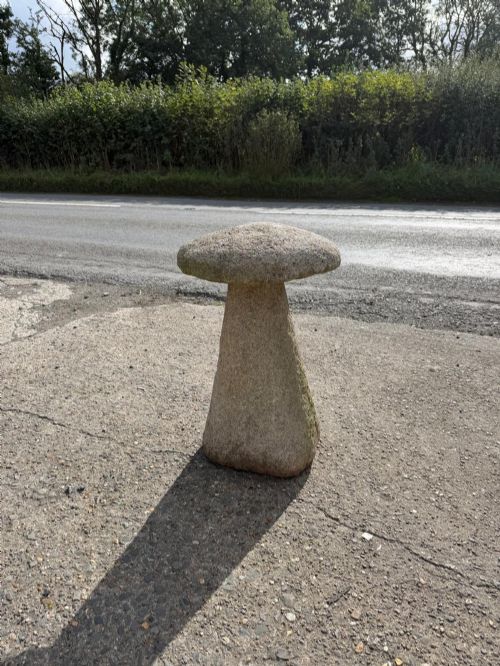
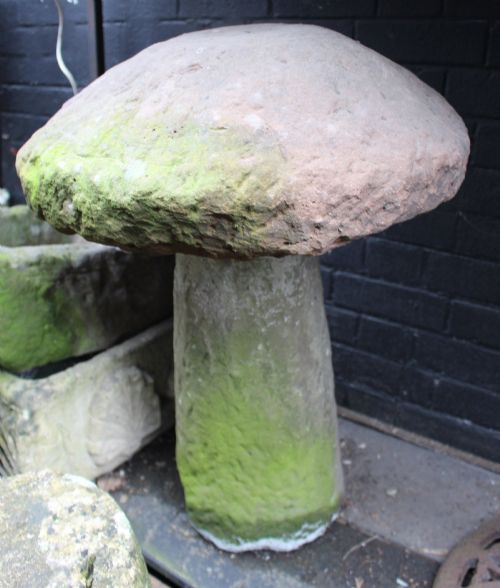
- A mushroom-shaped stone support formerly used to elevate granaries and hayricks off the ground to prevent damp and vermin. Eighteenth-century examples feature distinct granite or sandstone caps and bases.
- Campana urn
- A bell-shaped garden vessel originating in classical antiquity, mounted on a small stem and foot. Nineteenth and twentieth-century versions appear frequently in cast stone or terracotta.
- Reconstituted stone
- A manufactured material created from crushed natural stone aggregate bound with cement and cast in moulds. It provides the appearance of quarried stone for garden ornaments and statues.
- Architectural salvage
- Building elements and decorative fragments rescued from demolished structures. This category includes medieval carved stone busts and antique post finials.
- Neoclassical revival
- An artistic movement drawing inspiration from the classical art and architecture of ancient Greece and Rome. Many twentieth-century garden statues and campana urns follow this aesthetic.
Grey Stone Ornament: Frequently Asked Questions
What is a staddle stone used for?
Originally, staddle stones served as sturdy foundational pillars that raised agricultural storage buildings above ground level. This elevation protected stored grain from damp earth and prevented rodents from climbing up into the harvest.
Today, these distinctive mushroom-shaped stones function purely as decorative garden ornaments. Placed on lawns or along pathways, their weathered granite and sandstone structures introduce historic character to outdoor landscapes.
How should I clean a stone ornament?
Most weathered stone ornaments require very little intervention, as decades of accumulated moss and atmospheric ageing contribute to their aesthetic appeal. Gentle brushing with a soft bristle tool removes loose debris without damaging the underlying material.
Avoid harsh pressure washing or chemical treatments that strip away historic patination or erode softer cast stone surfaces. Allowing natural weathering to continue preserves the integrity and visual depth of the piece.
Are cast stone and natural stone different?
Natural stone involves blocks quarried directly from geological deposits, such as limestone, sandstone or Cornish granite, which are then hand-carved by masons. Each piece possesses unique mineral variations and tool marks unique to its maker.
Cast stone, reconstituted stone or composition stone is manufactured by mixing crushed mineral aggregates with cement and pouring the compound into moulds. This technique allowed twentieth-century workshops to efficiently produce detailed garden statues, urns and animal figures.
Where do campana urns originate?
Campana urns derive their bell-like form from ancient Roman and Greek vessels traditionally utilised for mixing wine and water or for funerary purposes. Their classic proportions feature a flared rim, deep bowl and slender stem set upon a square foot.
Victorian and early twentieth-century makers revived this silhouette in cast iron and stone for grand garden settings. Positioned on pedestals, they served as striking focal points for formal terraces and lawns.