





Grey Snow Landscape Art
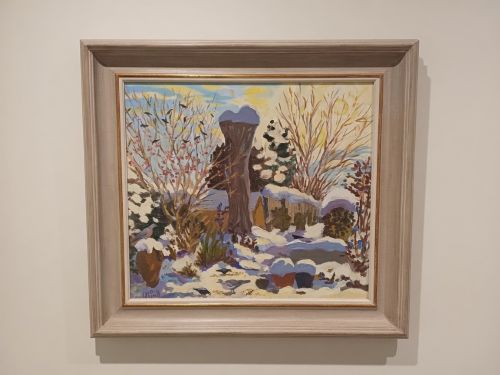
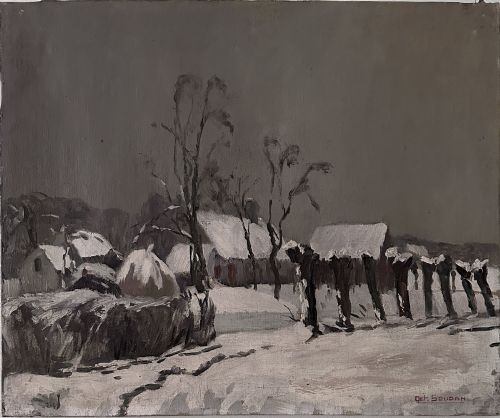
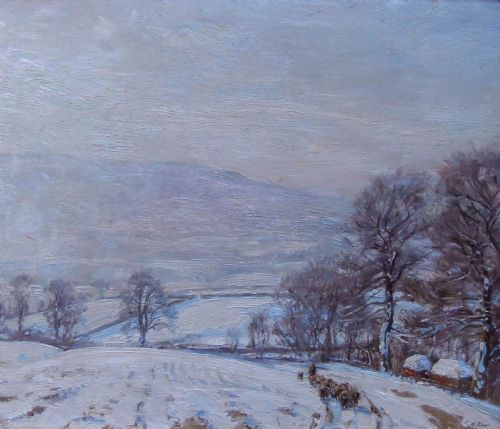
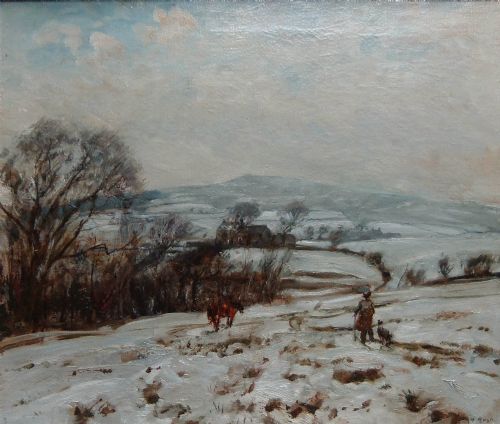
Grey snow landscape art captures winter cold through muted tones and quiet brushwork, offering timeless rural scenes for any room.
Grey Snow Landscape Art
Grey snow landscape art depicts cold seasonal weather across various periods from the Victorian era into contemporary times. These works focus on rural views, village scenes, and livestock in snowy settings.
Most pieces encountered here date from the early twentieth century, alongside Victorian examples and later creations. Common subjects include Yorkshire dales, Highland cattle, and Dutch winter scenes.
The aesthetic relies on atmospheric conditions where grey skies meet white snow. Painters capture the stillness of frost through distinct regional viewpoints.
Materials and Methods
Artists utilise oil paint on canvas and watercolour pigment on paper to render these wintry scenes. Many of the works retain their original wood or wood frame settings.
Brushwork varies from the fluid washes seen in watercolours to the heavier texture of oil on canvas. Pigments are blended to capture the dim light of winter days.
Materials documented in these listings include oil paint, watercolour pigment, canvas, paper, and wood.
Assessing Quality
Quality rests in the handling of light and the atmospheric weight of the sky. Superior pieces convey the specific chill of a winter morning through tonal control rather than mere detail.
The strength of the composition and the confidence of the brushwork separate accomplished paintings from simpler decorative efforts. Original framing also contributes to the integrity of the piece.
Lucy Pratt·A. McDonald·Fred Lawson·John Smith Atherton·Herbert Royle·Charles Jones·George Graham·Ernest Higgins Rigg·William Cave Day
The Grey Snow Landscape Art Glossary
- Oil paint
- A slow-drying paint made from pigment suspended in a drying oil, typically linseed oil. This medium allows for thick impasto application or smooth blending.
- Watercolour pigment
- Colour ground with a water-soluble binder, applied to paper with water. It produces luminous, transparent washes.
- Canvas
- A heavy woven fabric used as a surface for oil painting. It is typically stretched over a wooden frame before work begins.
- Impressionism
- A style of painting characterised by relatively small, thin, yet visible brush strokes. It emphasises accurate depiction of light in its changing qualities.
Grey Snow Landscape Art: Frequently Asked Questions
What periods do these paintings come from?
The available selection spans from the Victorian period through the early twentieth century and into later modern eras. Works reflect shifting regional styles in Britain and beyond.
Most dated pieces cluster around the early decades of the twentieth century. Earlier nineteenth-century examples also appear among the selections.
Are these works painted on canvas or paper?
Both mediums are represented across the selection. Oil paintings typically utilise canvas or wood supports.
Watercolour paintings are executed on paper. Each medium dictates a different approach to capturing winter light.
Where do the landscape scenes take place?
Many depict specific northern English locations such as Wharfedale, Swaledale, and Wensleydale. Other views include Scottish highlands and Canadian settings.
Dutch winter scenes also feature in the collection. These diverse locations offer distinct regional interpretations of snow.
How should I frame an unframed painting?
Selecting a wood frame appropriate to the period of the painting preserves its historical context. Simple moulding often suits early twentieth-century works best.
Consulting a professional framer ensures the canvas or paper remains properly supported. Acid-free materials protect works on paper over time.