



Signed Impressionist Landscape Oil
A signed impressionist landscape oil brings light and texture into a room through the confident hand of a named artist.
Signed Impressionist Landscape Oil
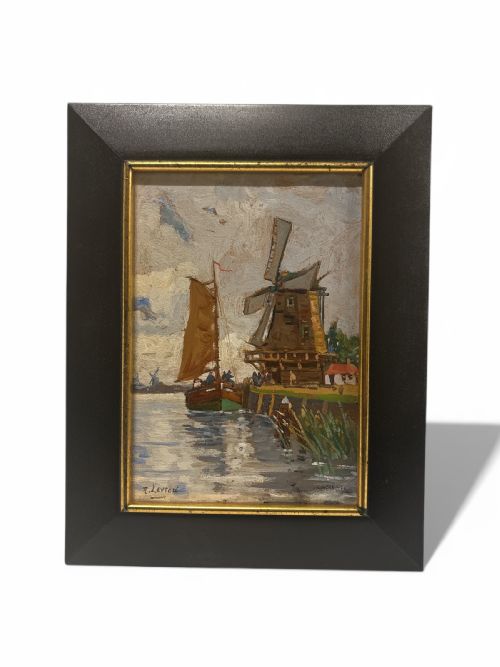
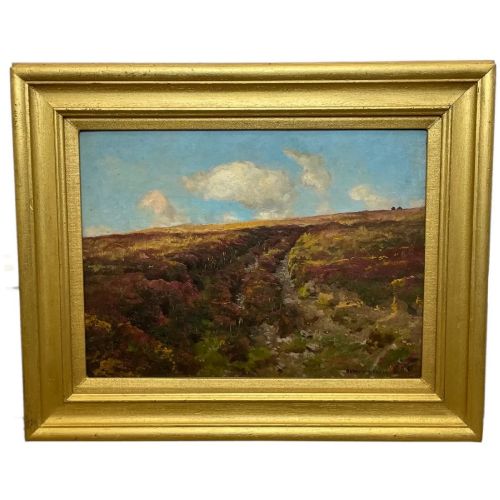
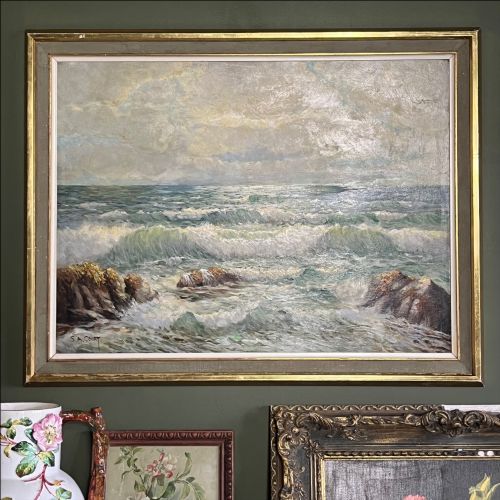
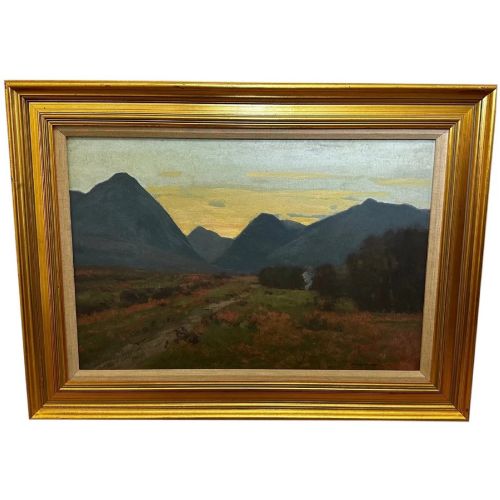
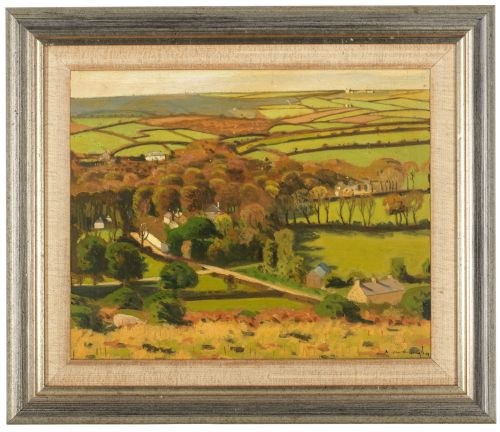
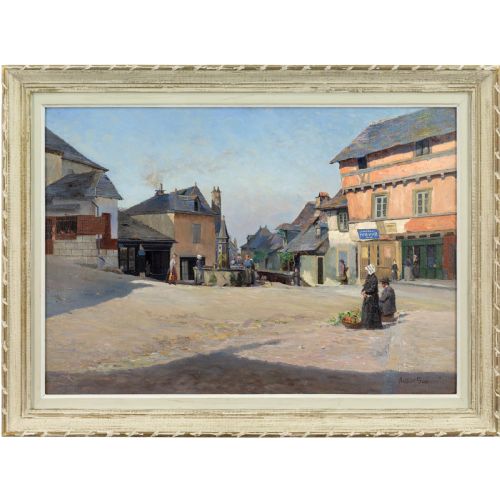
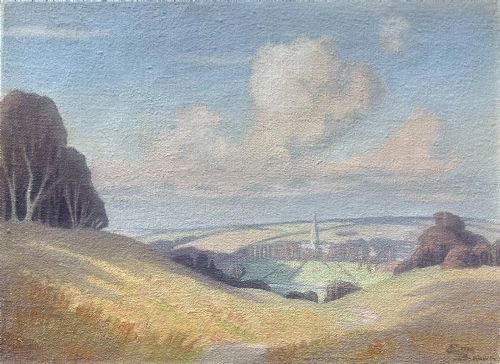
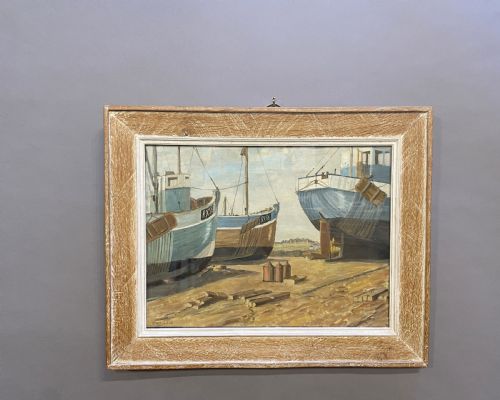
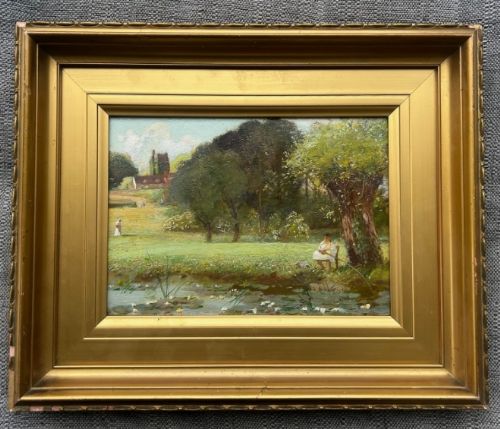
When you search for a signed impressionist landscape oil, you encounter works produced across the late nineteenth century and well into the twentieth. The selections span British, French, and wider continental scenes, capturing rivers, rural villages, and coastal views. These paintings record fleeting natural effects through loose brushwork rather than rigid academic precision.
Most examples you meet on this page date from the Edwardian decades up through the mid-century period. They arrive on various supports, predominantly stretched canvas or small wooden boards suited for outdoor work. The signature of the painter anchors each composition, offering a direct link to the individual who stood before the subject.
Materials and construction
Artists built these landscapes using oil paint applied to canvas, wood panels, or rigid board supports. The medium allows for thick impasto builds where the pigment stands proud of the surface, catching the light directly. Painters frequently worked en plein air, taking their portable materials outdoors to capture immediate atmospheric changes.
Wooden panels and small boards provided sturdy surfaces for outdoor sketching, while larger canvases accommodated more expansive pastoral and maritime views. Gilt frames often enclose the finished works, complementing the warm tones of the oil pigments and protecting the edges of the substrate.
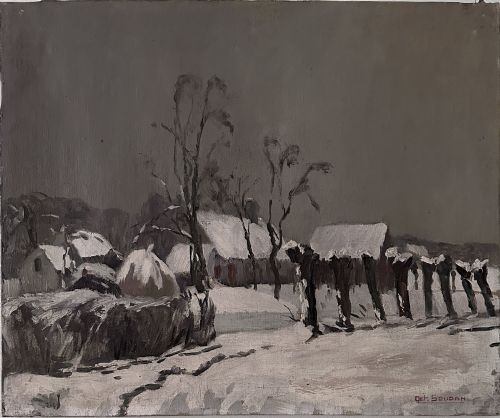
Several artists braved chilly winter fields to record freezing rivers and snow-dusted farms, proving that good plein air requires thick woollens.
Distinguishing quality in the work
The strength of a signed impressionist landscape oil rests in the surety of the brushwork and the management of light. Stronger pieces reveal a deliberate economy of marks where every stroke defines form, atmosphere, and distance without hesitation. Lesser examples can fall into formulaic repetition, losing the sense of direct observation that defines the movement.
Compositional balance and chromatic harmony separate accomplished paintings from routine decorative efforts. A superior artist uses tone and colour relationships to create convincing depth, whereas weaker works rely on heavy outlines or muddy transitions that flatten the space.
George Houston RSA RSW·Robert Morson Hughes·Arthur Gué·Sir David Murray·Herbert Royle·Reginald Grange Brundrit RA·Caroline Burnett·Owen Bowen·William Hoggatt·Amédée Degreef·Claude Benard
The Signed Impressionist Landscape Oil Glossary
- Impasto
- Paint applied thickly to a canvas or board, leaving prominent brush or palette knife marks that catch the light. This technique adds physical texture and a sense of immediacy to the surface.
- En plein air
- French for in the open air, describing paintings executed outdoors directly in front of the subject. This approach prioritises the capture of transient natural light.
- Post-Impressionism
- An artistic development following impressionism that retains luminous colour while exploring heavier outlines and structural forms. Artists working in this manner emphasised personal emotional response.
- Canvas
- A heavy woven fabric stretched over a wooden frame to serve as a flexible painting surface. It remains the most common support for oil works from the period.
- Board
- A rigid wooden or composite sheet used as a compact painting support. These panels were particularly favoured for outdoor sketching trips.
Signed Impressionist Landscape Oil: Frequently Asked Questions
Where should I hang a landscape oil?
Select an interior wall with stable temperature and humidity, away from direct sunlight and strong heat sources.
Good ambient lighting helps reveal the varied textures of the brushwork without washing out the subtle tones.
What does an indistinct signature mean?
An indistinct signature occurs when the artist's handwritten mark is worn, partially obscured by framing, or applied too thinly to read easily.
Researching the painting's subject, period style, and stretcher materials can sometimes help identify the hand behind the work.
How do I tell canvas from board?
Canvas yields slightly to gentle pressure and shows a woven textile texture through the paint layers.
Board provides a completely rigid, unyielding surface when examined from the reverse side.