



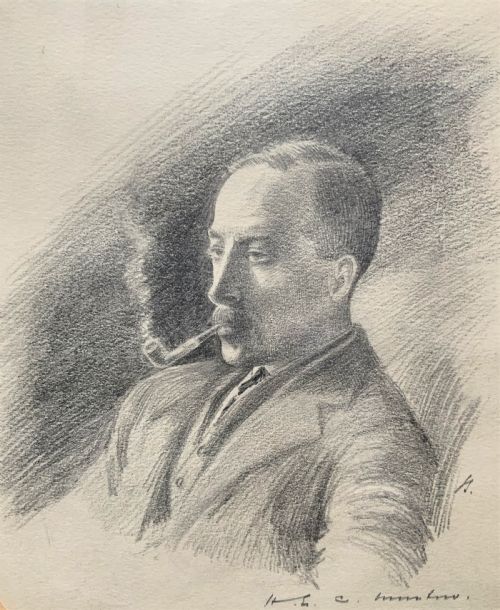


Grey Pencil Portrait Sketch
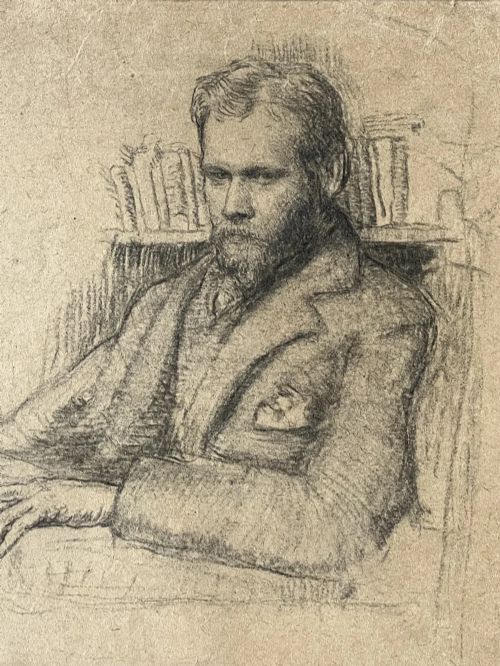
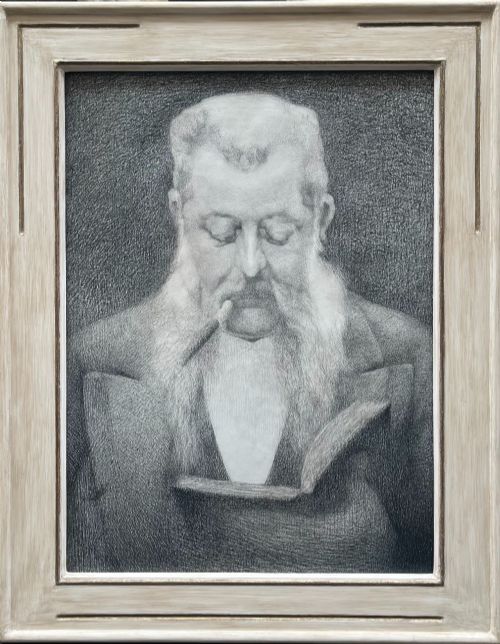
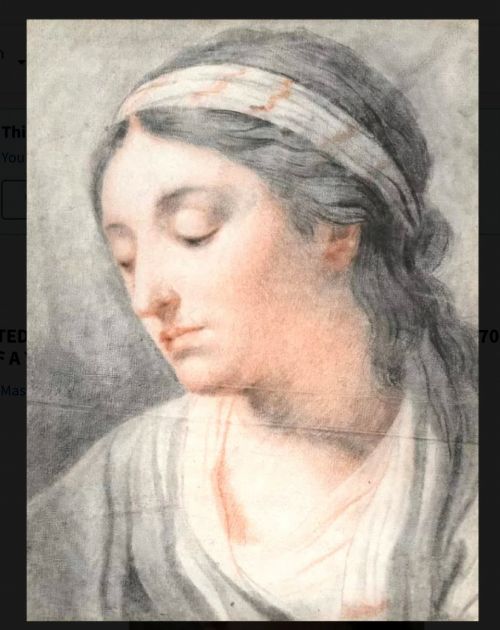
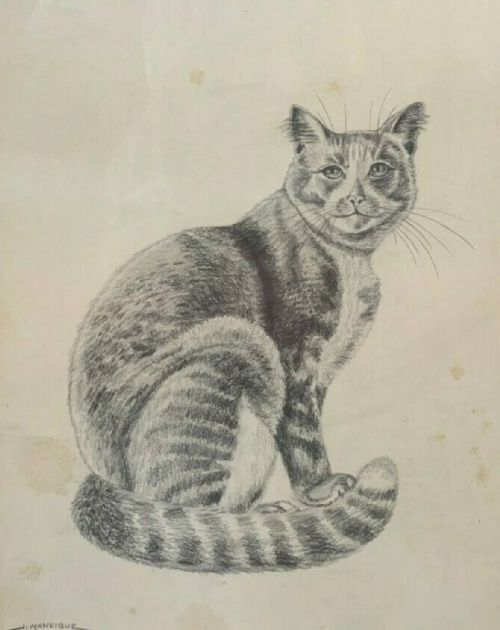
These grey pencil portrait sketch works capture fleeting human likenesses on paper, offering an intimate glimpse into past lives through subtle graphite and charcoal lines.
Grey Pencil Portrait Sketch
A grey pencil portrait sketch represents an original drawing on paper, capturing human subjects through direct draughtsmanship rather than painted colour. These works range from tightly rendered academic studies to loose preliminary sketches executed over two centuries.
The pieces appearing on this page span from the eighteenth century through the mid-twentieth century, encompassing French academic work, Edwardian character studies, and Art Deco portraits. Buyers encounter individual framed likenesses alongside occasional multi-part sets.
Subjects include identifiable historical figures, artists' models, and anonymous sitters caught in moments of contemplation or direct gaze. Mediums frequently combine primary graphite with touches of watercolour, chalk, or charcoal to enhance form.
Materials and execution
Artists utilise traditional supports of handmade or woven paper, framed behind glass with wooden surrounds to protect the delicate surface. Graphite and pencil form the primary linear structure, supplemented by chalk for highlights and charcoal for deeper shadows.
Watercolour washes sometimes complement the graphite work, adding subtle tonal depth to clothing or background elements. Technique varies from precise cross-hatching found in French neoclassical studies to the expressive, rapid marks characteristic of modernist portraiture.
Represented movements include Art Deco, Symbolist, French Neoclassical, and Modern British Art across various framed formats.
Assessing quality in portrait drawings
Quality rests upon the draughtsman's command of anatomy, proportion, and psychological intensity within the sitter's expression. Superior examples demonstrate confident, economic line work that conveys bone structure and character without unnecessary correction.
The preservation of the paper support and the clarity of the underlying graphite dictate the enduring visual impact of the piece. Works retaining their original tonal range without excessive fading or foxing command greater appreciation among collectors.
Augustus John·Leo Klin·Francis Dodd·Cecil CP Lawson·J Manrique
The Grey Pencil Portrait Sketch Glossary
- Graphite
- A form of carbon used as a drawing medium in pencils, producing grey marks that range from silvery highlights to deep matte tones. It allows for precise detail and subtle shading.
- Chalk
- An opaque drawing material applied in stick form, frequently used alongside pencil to introduce highlights or warmth to monochromatic portrait studies. It adheres directly to paper fibres.
- Charcoal
- A dry drawing material made from burnt organic matter, producing rich dark lines and velvety shadows. Artists employ it for bold expression and rapid tonal blocking.
- Symbolist School
- An artistic movement focusing on internal psychological states and metaphorical imagery rather than strict naturalism. Works from this tradition often imbue portraits with a moody, introspective atmosphere.
- French Academic
- A style of art governed by the rigorous standards of official academies, emphasising precise draughtsmanship, classical anatomy, and meticulous finish. These drawings typically display deep mastery of form.
Grey Pencil Portrait Sketch: Frequently Asked Questions
How should I frame and display these drawings?
Pencil and paper works require conservation framing with UV-filtering glass and acid-free mounts to prevent light damage and paper degradation.
Keep them away from direct sunlight and damp environments to preserve the delicate graphite and chalk pigments over time.
How do I distinguish nineteenth-century works from later pieces?
Nineteenth-century drawings often lean towards academic precision or romantic introspection, utilising heavier woven papers and traditional graphite techniques.
Twentieth-century examples, such as those from the Art Deco or Modern British periods, frequently show looser, more expressive handling of line.
Are these works original or reproductions?
Every piece featured here is an original unique drawing created by hand, not a mechanical print or reproduction.
Close inspection under magnification reveals individual pencil strokes, paper texture, and artist corrections unique to each sheet.