
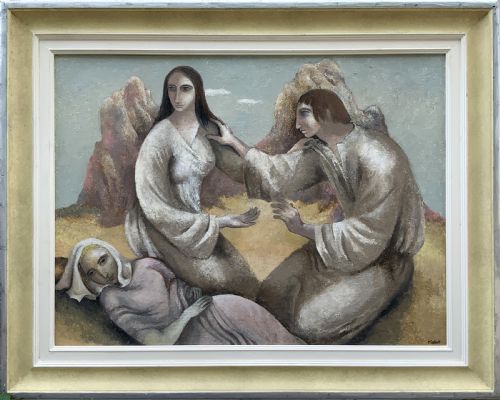
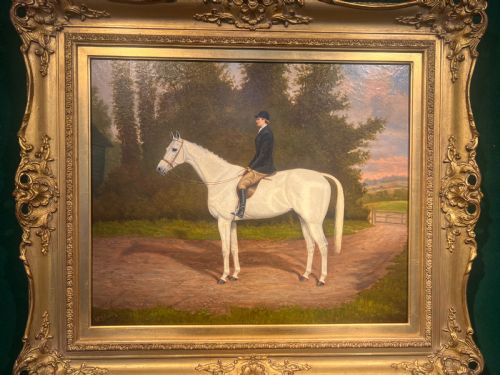
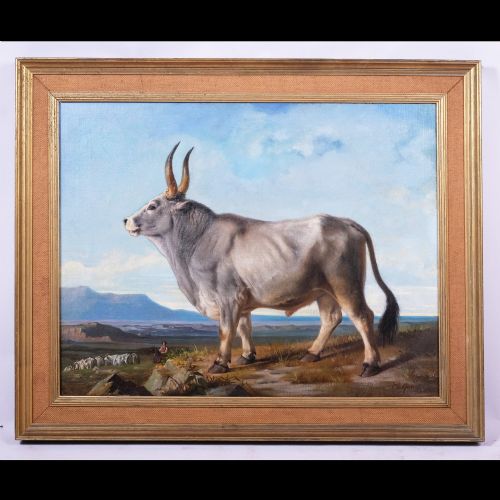
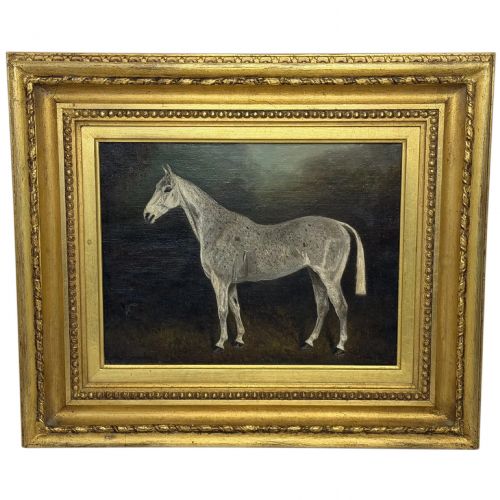
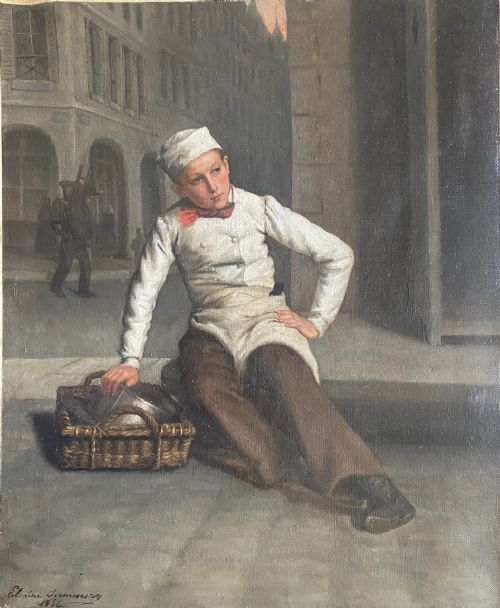
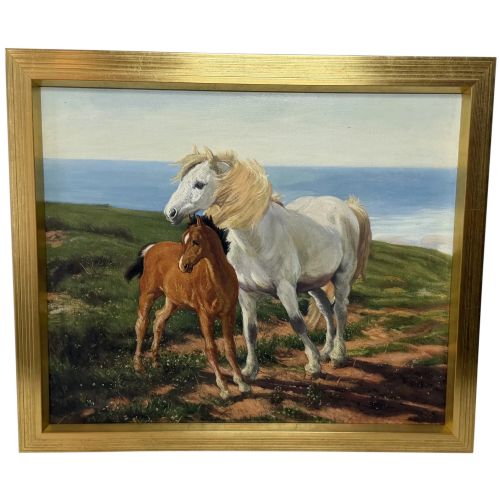
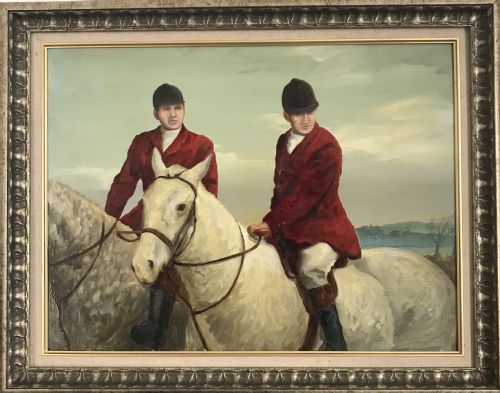
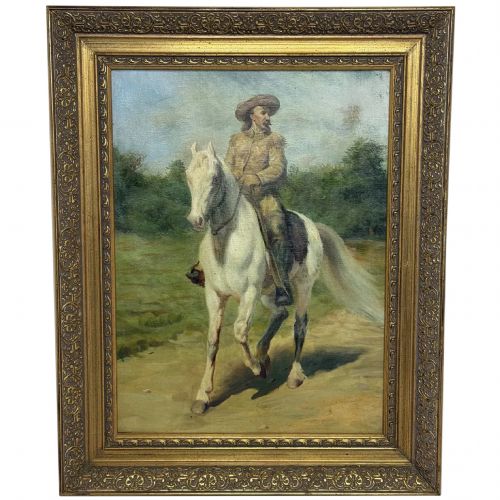
Grey Oil Portrait Painting
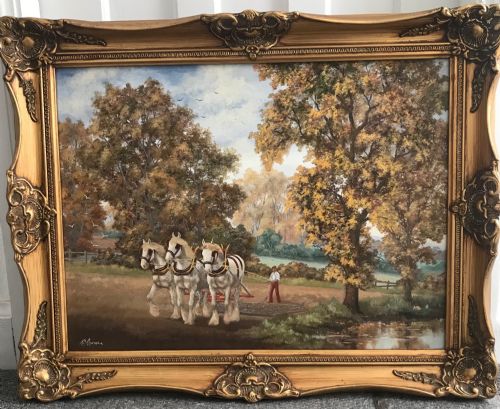
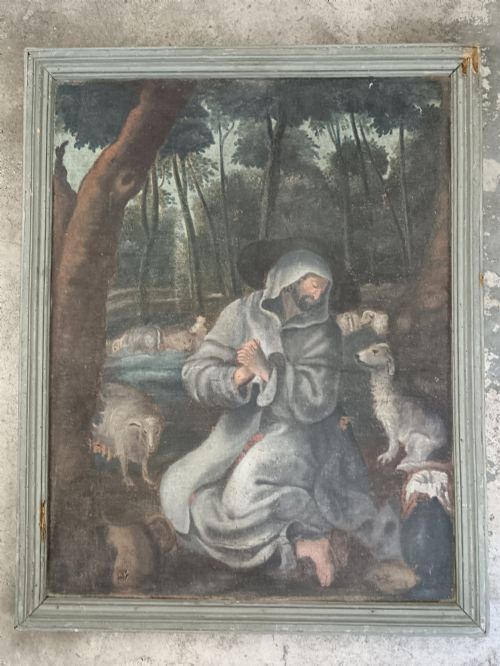
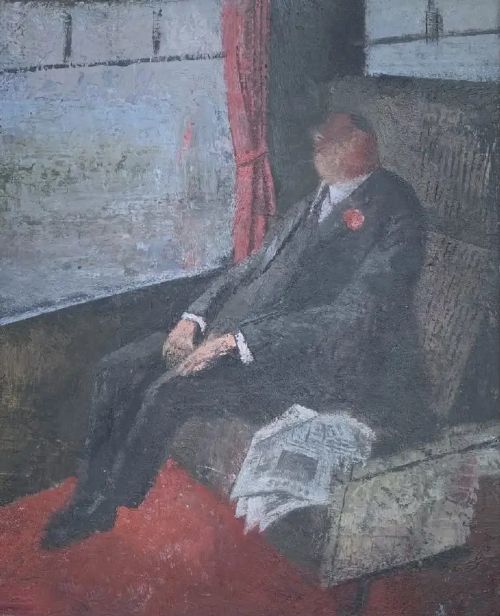
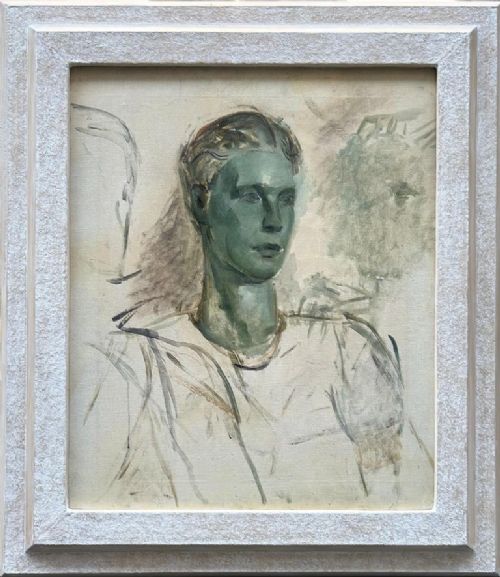
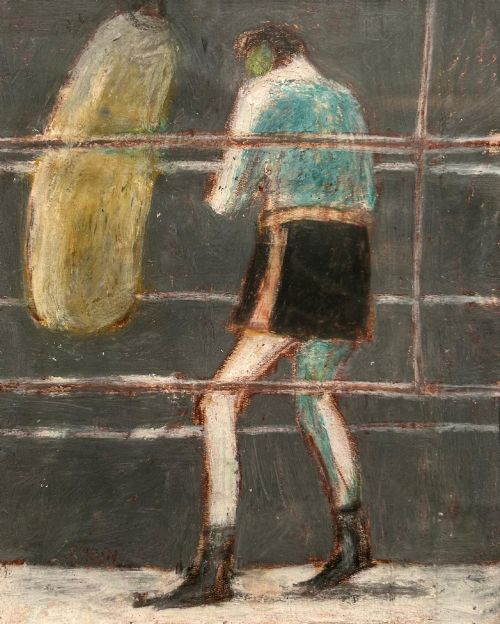
When you search for a grey oil portrait painting, you uncover works spanning centuries, capturing human subjects, animals, and subtle monochromatic tones.
Grey Oil Portrait Painting
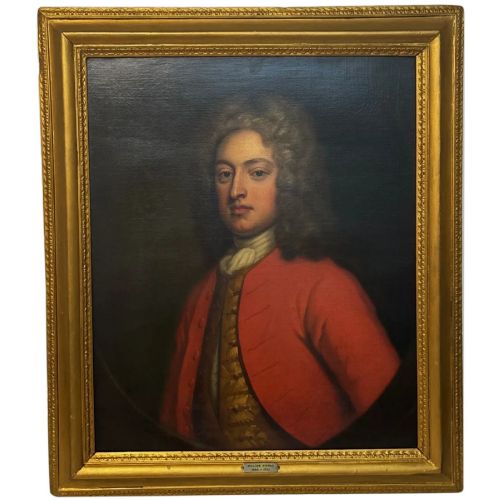
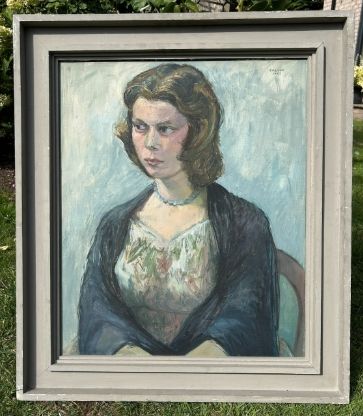
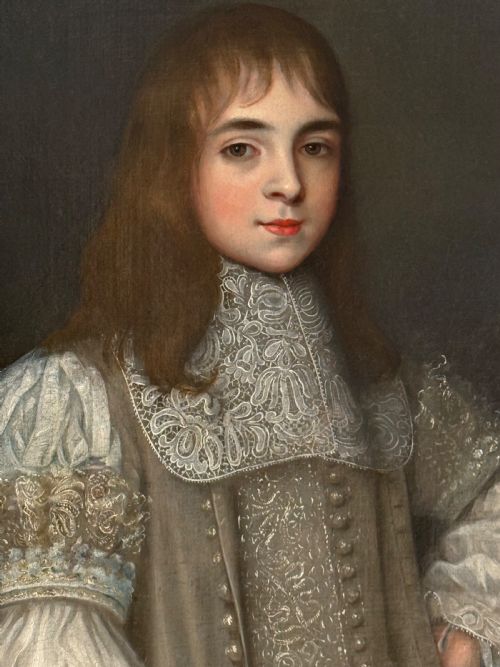
A grey oil portrait painting encompasses artworks executed in oil paint upon canvas or wood panel, frequently dominated by muted, monochromatic, or grisaille palettes. These pieces range from early eighteenth-century depictions of gentlemen and historical figures to mid-twentieth-century modernist studies.
The subjects extend beyond human sitters to include notable horses, hunting dogs, and domestic animals rendered with distinct personality. Buyers encounter works from various schools, including British, French, and Italian traditions, dating from the seventeenth century onward.
Many of these works utilise traditional supports such as canvas or panel, framed in period giltwood or simpler moulding. The diverse chronological spread offers insight into evolving portraiture techniques across different European and American movements.
Materials and construction
The primary medium involves oil paint applied to canvas or wood panel, sometimes utilising impasto or delicate glazing to build depth. Artists often employed a restricted palette of greys, whites, and earth tones to achieve subtle tonal graduation.
Supports frequently consist of woven canvas stretched over wooden frames or rigid wooden panels, occasionally showing evidence of historical relining or repairs. Many surviving examples retain their original giltwood frames, which complement the monochromatic composition of the artwork.
Several portraits capture cats, dogs, and horses maintaining remarkably dignified expressions.
Evaluating the works
Quality rests in the dexterity of brushwork, anatomical accuracy, and the ability of the artist to convey character within a restrained palette. Superior examples demonstrate confident handling of light and shadow, particularly when working with limited tonal ranges such as grisaille.
JOHN MICHAEL WRIGHT·Samuel Rabin·Thomas Hicks·Hans Hysing
The Grey Oil Portrait Painting Glossary
- Grisaille
- A painting executed entirely in shades of grey or neutral monochromatic tones, often used for preparatory works or to imitate sculpture. This technique emphasises form and light over vibrant colour.
- Pentimento
- A visible trace of an earlier painting beneath the layer of paint, showing where the artist changed their composition. This occurrence indicates a genuine historical canvas undergoing organic revision during creation.
- Impasto
- The process of laying paint on canvas in very thick applications that stand out from the surface. This technique adds tactile texture and physical presence to the depicted subject.
- Giltwood
- Wood that has been treated with a thin layer of gold leaf or gilt finish, commonly used for traditional picture frames. These frames help date the artwork by their prevailing decorative style.
- Canvas
- A heavy woven fabric used as a surface for oil painting, typically stretched tightly over a wooden frame. It provides flexibility and durability for centuries of preservation.
Grey Oil Portrait Painting: Frequently Asked Questions
What is a grisaille portrait?
A grisaille portrait is an artwork painted almost exclusively in shades of grey, utilising tonal graduation to create depth and form without relying on a full spectrum of colour. This technique often imparts a sculptural quality to the subject.
Artists historically utilised this method for standalone decorative pieces or as a foundational underpainting before applying transparent glazes. Surviving examples showcase exceptional mastery of light and shadow.
How do I care for an oil painting on canvas?
Maintaining an oil painting requires keeping the piece away from direct sunlight, extreme temperature fluctuations, and high humidity, which can warp the wooden stretcher or crack the paint layer. Gentle dusting with a soft, dry brush is generally sufficient for surface maintenance.
Professional conservation should be sought for cleaning or repairing tears in the canvas. Avoid using liquid cleaners or household solvents on the delicate painted surface.
Why are some portraits painted in grey tones?
Grey tones were frequently chosen for stylistic effect, to mimic classical marble sculpture, or as a deliberate exercise in tonal harmony by the artist. These restrained palettes focus attention entirely on expression, lighting, and form.
Such works often complement neutral interior spaces, offering a refined historical presence without competing with surrounding furnishings.