



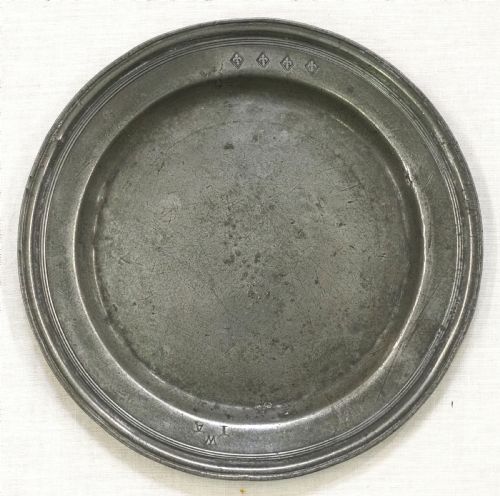
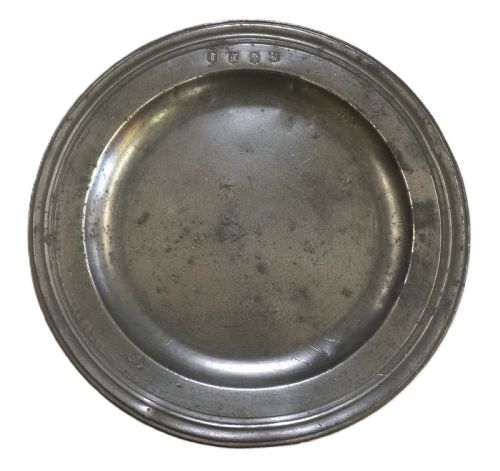


Grey Metal Dish
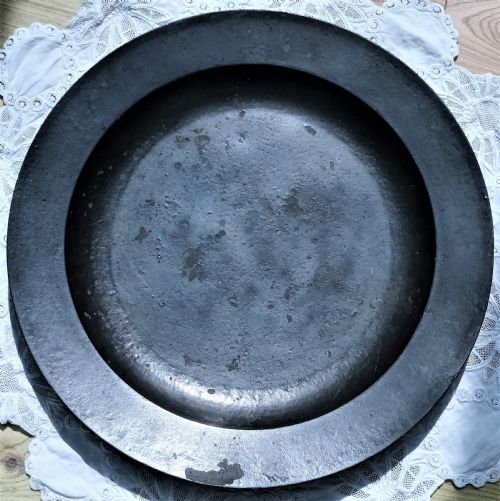
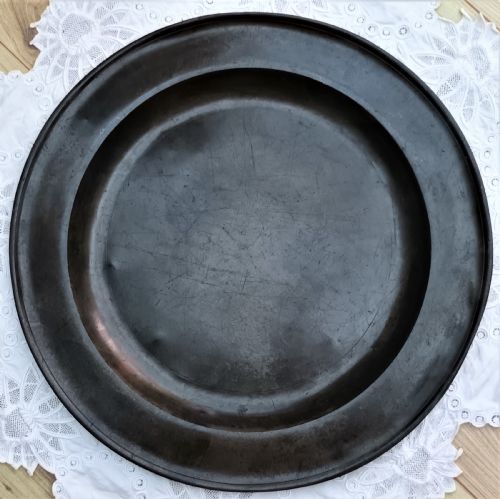
When you handle a grey metal dish from the seventeenth or eighteenth century, you hold heavy pewter shaped into chargers and plates that served grand dining rooms.
Grey Metal Dish
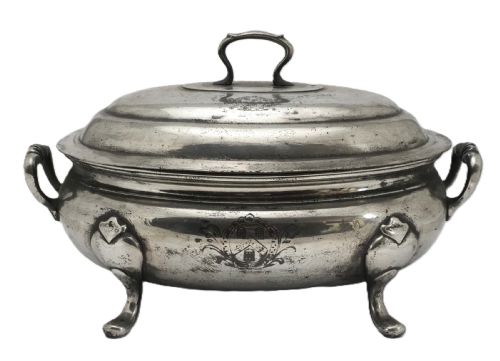
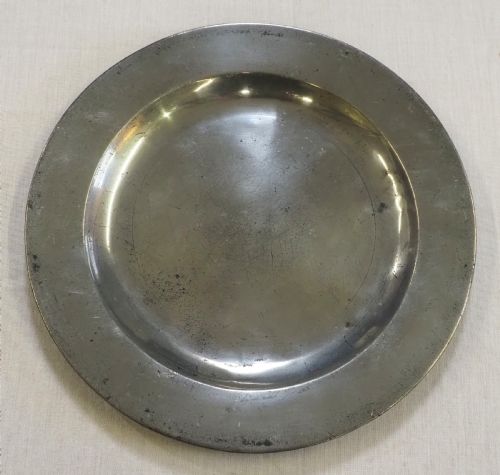
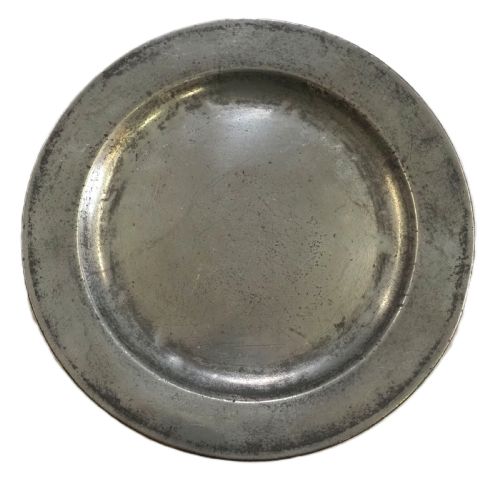
A grey metal dish encompasses heavy domestic and ceremonial vessels found in pewter across English and European traditions. Buyers searching for a grey metal dish seek historical tableware ranging from seventeenth-century broad rim chargers to eighteenth-century plates and basins.
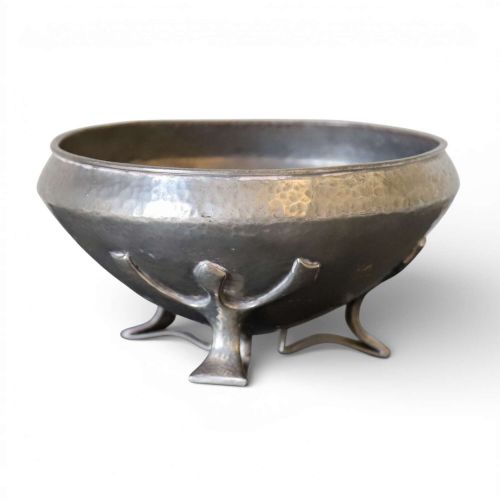
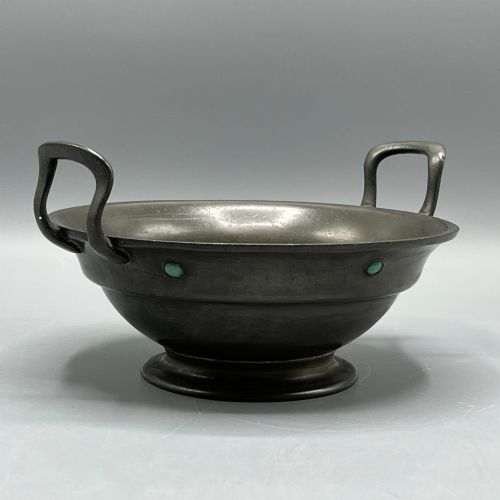
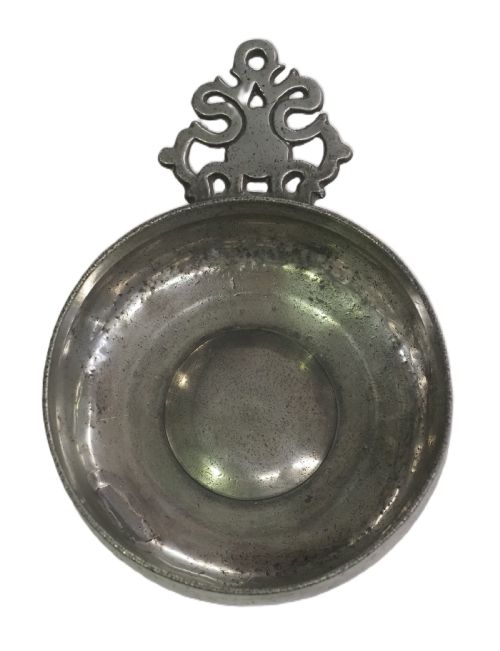
The pieces on this page lean heavily toward English craftsmanship, specifically large chargers, plain rim plates, and reeded dishes spanning the Stuart, Georgian, and Arts and Crafts periods. Forms include deep plates, tureens, porringers, and decorative bowls.
The selection reflects both utilitarian kitchenware and refined dining room displays bearing family crests or maker touches. These items provide a tangible link to historical domestic life through their muted metallic lustre and solid weight.
Materials and construction
Pewter forms the foundational material for these objects, alloyed primarily from tin with varying proportions of lead, copper, or antimony to achieve durability. Artisans cast the metal in moulds before hammering the surface by hand to strengthen the plate and refine the profile.
Edges and rims receive careful attention through lathe turning, planishing, or casting with plain, reeded, or incised borders. Makers sometimes incorporated decorative elements such as cabochons or engraved armorial bearings onto the grey metal surface.
Grey Metal Dish Retail Price Guide 2026
Typical asking prices for grey metal dish among the pieces listed under this phrase on Sellingantiques today, from the lower quarter to the upper quarter. They describe what is for sale here now, not the wider market.
Listings span seventeenth-century Stuart forms through to twentieth-century Arts and Crafts pewter bowls by Liberty and Co.
Markers of distinction
Quality rests in the crispness of touchmarks, the thickness of the cast metal, and the integrity of the original surface. Chargers that retain their broad rims and show deep, even hammer marks command greater attention from collectors.
The presence of crisp maker touches, historical crests, or attribution to notable workshops elevates a piece above standard domestic utilitarian ware. Preservation of the original grey patina without excessive polishing preserves the historical character of the metal.
John Duncomb·Samuel Smith·T and H Compton·Richard King·John Tubb·Robert Moulins II·Humphrey Evans II·Thomas Alderson·Lawrence Dyer·Thomas Haward·Thomas Powell·Edward Leapidge I·Nehemiah Cloudesley·John Barlow·Thomas Templeman·Yates Birch and Spooner·Liberty and Co·Oliver Baker·Archibold Knox
The Grey Metal Dish Glossary
- Charger
- A large decorative or serving plate, often measuring over sixteen inches across, used on dining tables or displayed on sideboards.
- Porringer
- A small, two-handled bowl used historically for broths, porridges, or as a sugar basin.
- Reeded
- A rim decorated with parallel raised bands or moulding lines running around the circumference of the plate.
- Touchmark
- A stamp or hallmark struck into the pewter by the maker or workshop to denote standard and origin.
- Broad rim
- A wide flat border surrounding the central well of a charger, typical of seventeenth-century English styles.
Grey Metal Dish: Frequently Asked Questions
How do I clean an old pewter dish?
Wash the surface gently with warm water and mild soap, then dry thoroughly with a soft cloth to protect the metal.
Avoid aggressive metal polishes or scouring pads that remove the historical patina and scratch the grey finish.
Can I use these antique dishes for food?
Older pewter often contains lead content that makes it unsuitable for serving acidic or daily foods.
Enjoy these historical items as decorative display pieces rather than active tableware.
How do I identify the maker?
Look for stamped touchmarks pressed directly into the pewter surface near the rim or on the underside.
Reference directories match these symbols and initials to recorded pewterers and their working dates.