


Grey Graphite Study
A grey graphite study offers a direct window into the hand of the draughtsman, capturing form and shadow through subtle tonal work on paper.
Grey Graphite Study
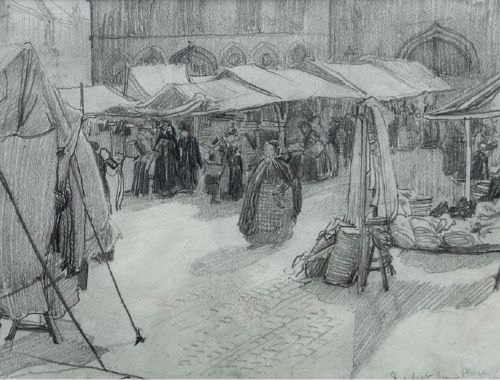
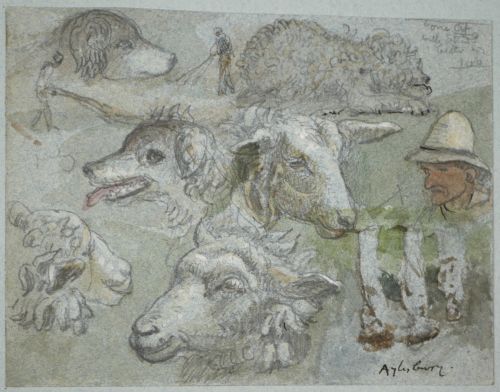
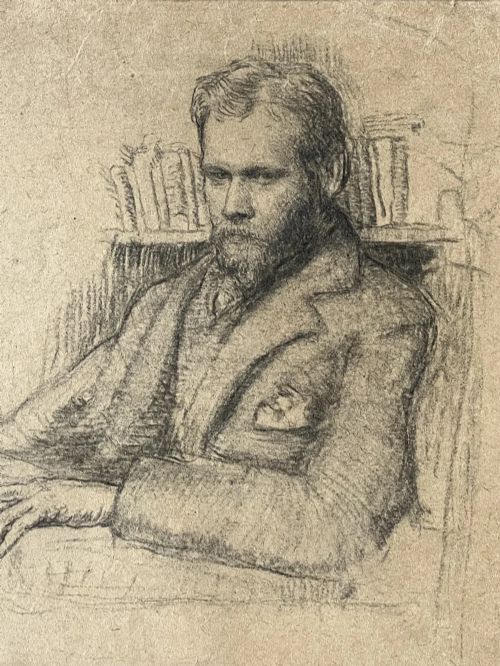
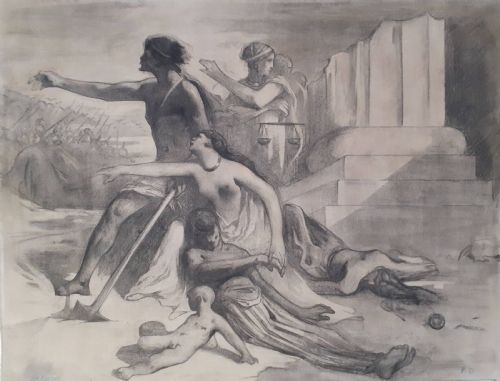
A grey graphite study represents a focused academic exercise or preliminary work executed in pencil, graphite, and chalk upon paper or toned paper. These pieces range from detailed portraits and maritime rigging sketches to allegorical scenes and domestic animal studies.
The selections span the Victorian and Edwardian eras alongside early 20th century examples, including works classified under Modern British Art and French Academic styles. Collectors frequently encounter original drawings framed behind glass.
Originating from British and French schools, these works display the direct observations and preparatory thoughts of artists working from the nineteenth century into the 1930s.
Materials and technique
These works rely on graphite and pencil markings, occasionally augmented with chalk or watercolour highlights to build contrast and depth. Artists typically worked on paper or toned paper surfaces to capture subtle gradations of light and shadow.
Framed behind glass within wooden surrounds, these original drawings preserve delicate powdery media that require protection from atmospheric moisture and direct handling.
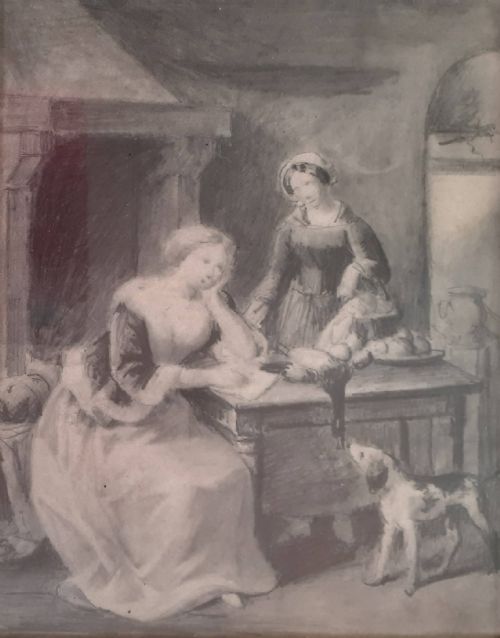
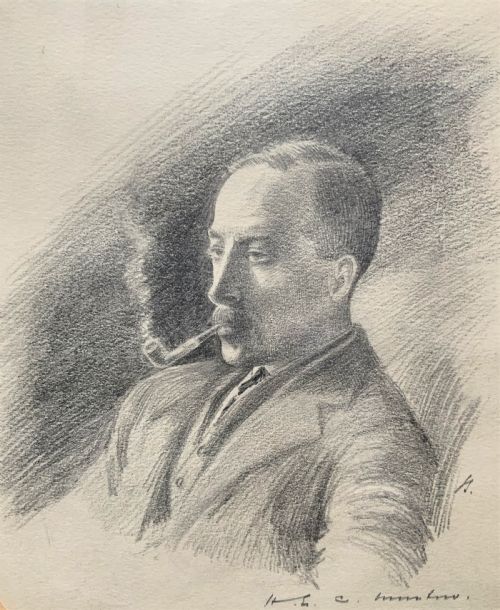
A solitary smoking gentleman and a very cheeky kitchen dog share space with serious academic studies of war and classical architecture.
Evaluating quality in drawings
Quality rests upon the sureness of the draughtsmanship and the expressive economy of the line, distinguishing confident academic mastery from hesitant execution. The handling of tonal transitions across toned paper dictates the visual depth of the composition.
Provenance and documented attribution to named artists elevate certain pieces, alongside the preservation state of the paper and the integrity of the original framing materials.
Henry Percy Huggill·James Smetham·Augustus John·Dame Laura Knight
The Grey Graphite Study Glossary
- Graphite
- A form of crystalline carbon used as a drawing medium in pencils. It produces marks ranging from silvery grey to deep black depending on the grade.
- Toned paper
- Paper that possesses a natural colour or tint other than white or off-white. This background allows artists to work up highlights with white chalk alongside dark graphite.
- Academic realism
- A style of painting and drawing produced under the influence of European academies. It emphasises accurate anatomy, careful observation, and rigorous preparatory studies.
- Grisaille
- A painting or drawing executed entirely in shades of grey or neutral monochrome. This technique often mimics the appearance of sculpture or relief work.
Grey Graphite Study: Frequently Asked Questions
What is a grey graphite study?
A grey graphite study is an original drawing created primarily with pencil or graphite on paper, often serving as a preparatory work or a finished academic exercise.
These works capture subjects ranging from portraiture and architecture to narrative scenes and maritime rigging through careful tonal shading.
How should I frame these drawings?
These works require framing behind glass to protect the delicate graphite and chalk surfaces from dust, moisture, and accidental smudging.
Acid-free mounts and backing boards prevent chemical degradation of the paper over time while maintaining proper spacing from the glass.
How do I identify Victorian drawings?
Victorian drawings often display meticulous academic realism, careful cross-hatching, and subjects reflecting nineteenth-century portraiture, historical themes, or domestic scenes.
Signatures, dates, and framing styles characteristic of the period help confirm the era of execution.
Where were these studies produced?
The pieces originate primarily from British and French schools, reflecting the rigorous academic training common in art academies during the nineteenth and early twentieth centuries.
Artists recorded local scenes, architectural landmarks, and portrait subjects both in domestic studios and during foreign travel.