


Fine Art Pencil Drawing
A fine art pencil drawing captures direct draftsmanship on paper, offering an intimate glimpse into an artist's hand.
Fine Art Pencil Drawing
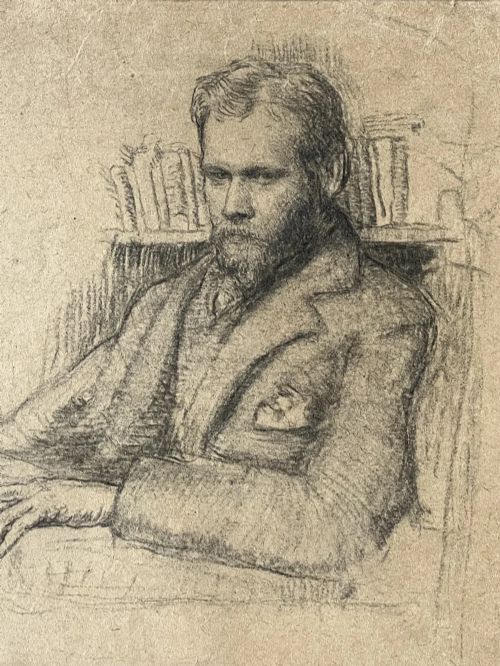
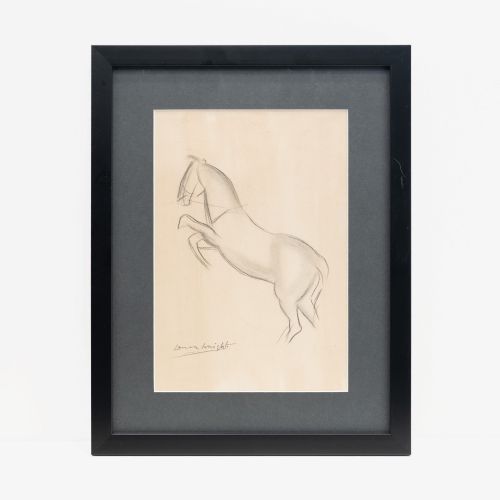
A fine art pencil drawing on this page spans from the eighteenth century through the Edwardian era into the mid-twentieth century. Buyers encounter original portrait drawings, academic sketch studies, and framed wall art.
The selection includes specific portrait miniatures and large-scale studies executed in graphite, plumbago, charcoal, and ink on paper. Works range from Georgian plumbago portraits to modernist British pieces.
Portraits depict notable figures such as actors, explorers, and mistresses alongside anonymous subjects. Framed presentation is common, often utilising wood and glass to protect the delicate paper surfaces.
Materials and techniques
Artists utilised graphite, charcoal, plumbago, and ink applied directly onto paper supports. Some works combine pencil with watercolour, pastel, or wash to add tonal depth.
Framed presentation typically involves wooden frames paired with protective glass. Plumbago works required finely ground graphite handled with miniature precision.
Listings span from the Georgian era through Victorian, Edwardian, and mid-century modern periods, utilising paper, graphite, charcoal, and wood.
Qualities that distinguish pieces
Draftsmanship precision and sureness of line elevate a study from a routine exercise to a masterwork. The sensitivity of the tonal gradation across the paper surface defines the artistic success.
Condition of the paper and the integrity of the original framing affect the piece. Provenance linking the subject to a documented sitter or the artist to a recognised museum collection strengthens the work.
AUGUSTUS JOHN·James Stroudley·Dame Laura Knight·John Taylor·Raoul Millais·Reginald G. Eves·Ernest Borough Johnson·Sir William Charles Ross·Cecil CP Lawson
The Fine Art Pencil Drawing Glossary
- Plumbago
- An early form of graphite drawing executed with extreme fineness, popular in the eighteenth century for portrait miniatures.
- Graphite
- A form of carbon used as the core material in pencils, allowing varying degrees of hardness and tonal darkness.
- Study
- A preparatory or standalone drawing executed to capture a subject, pose, or composition prior to a finished painting.
- Triptych
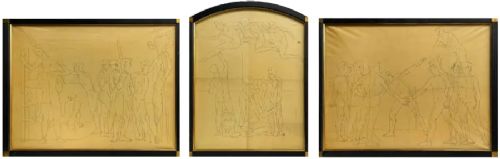
- A work of art divided into three sections or three carved panels hinged together, seen in multi-part drawings.
- Portrait Miniature
- A small-scale portrait executed with meticulous detail, often in plumbago or watercolor on paper.
Fine Art Pencil Drawing: Frequently Asked Questions
How should I display a pencil drawing?
Keep drawings behind protective glass to shield the paper from dust and atmospheric moisture. Hang them away from direct sunlight to prevent the graphite and paper from fading over time.
Use UV-filtering glazing if possible to ensure the longevity of the nineteenth and twentieth-century paper supports.
What is the difference between plumbago and pencil?
Plumbago refers to early graphite drawings, particularly those detailed miniature portraits popular in the eighteenth century. Standard pencil drawings often employ later processed graphite leads on various paper types.
Both mediums rely on carbon marks on paper, but plumbago carries specific historical connotations relating to Georgian miniature work.
Are these drawings original works?
The pieces listed are original hand-drawn artworks on paper, not reproductions or prints. Artists applied graphite, charcoal, or ink directly to create unique studies and portraits.
Signatures, dates, and academic study marks often accompany these original compositions.
How do I date an antique drawing?
Dating relies on the costume of the sitter, the style of the framing, and documented artist dates. Inscriptions on the reverse of the paper or framing materials also provide clues.
Stylistic shifts from Georgian plumbago portraits to Edwardian and mid-century modernism help establish the period.