




Green Wool Wall Hanging
Green wool wall hanging textiles bring tactile warmth and historic narrative into a room through centuries of woven artistry.
Green Wool Wall Hanging
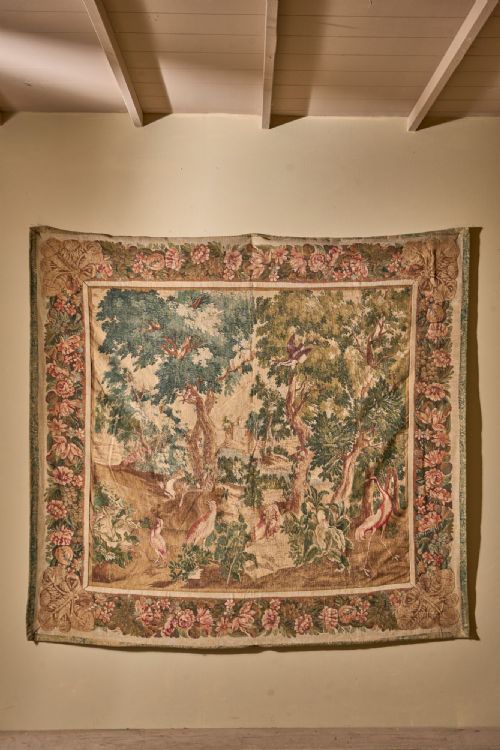
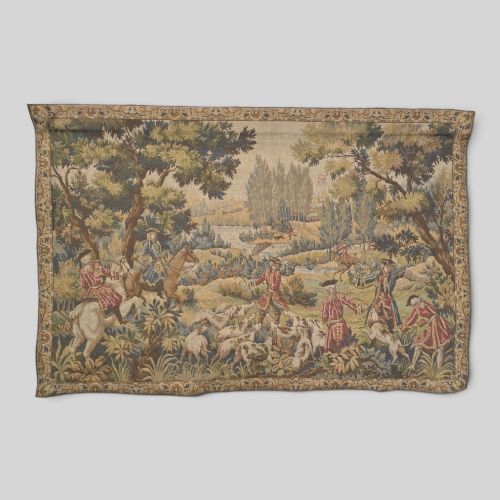
A green wool wall hanging encompasses large woven tapestries, framed textile panels, and embroidered hangings originating from European workshops. Pieces matching this green wool wall hanging description span from the sixteenth century through the early twentieth century, featuring works from Flemish, French, and Scandinavian origins.
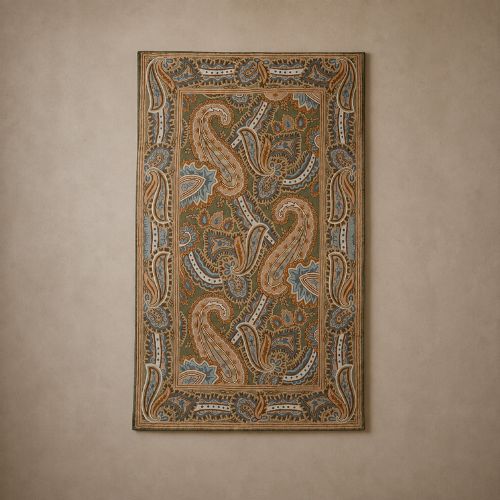
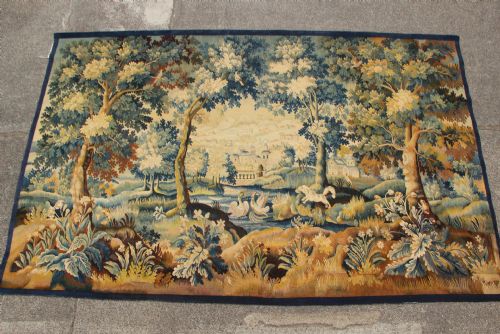
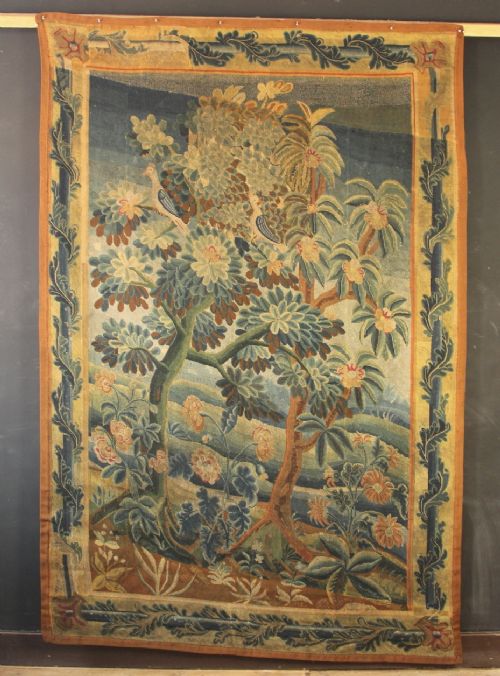
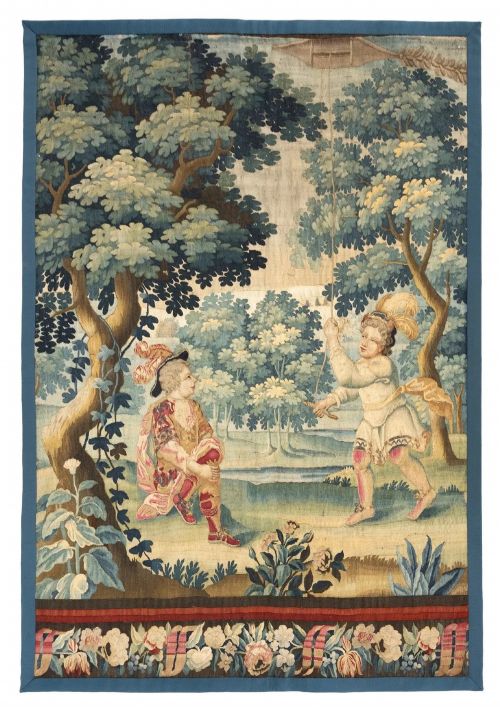
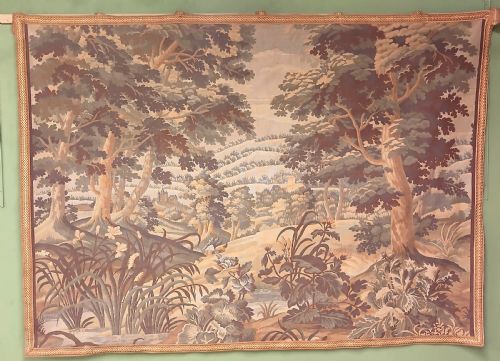
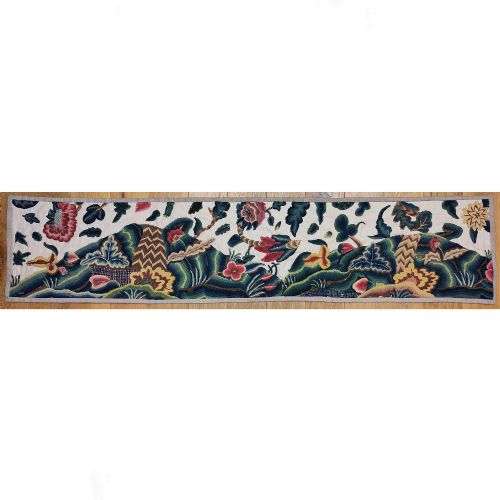
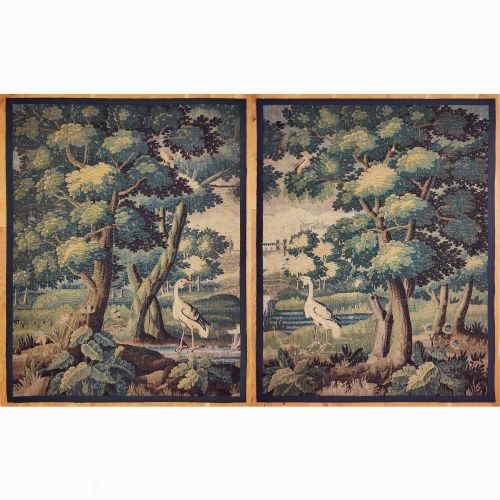
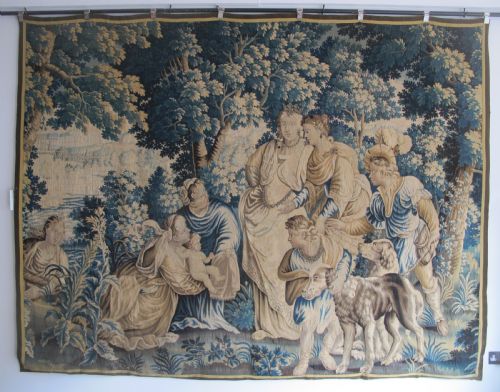
The selection frequently includes verdure tapestries depicting lush foliage, along with pastoral scenes, biblical narratives, and geometric folk textiles. Buyers will discover both grand scale wall panels and narrower vertical strips designed for specific architectural spaces.
What varies in quality
Quality rests upon the fineness of the weave, the complexity of the pictorial composition, and the survival of the original dyestuffs. Verdure tapestries with varied botanical detailing and subtle shifts in green tonality demonstrate superior artisan skill.
The integrity of the textile fibres and the stability of the backing material dictate the overall condition, distinguishing robustly preserved historic panels from heavily restored examples.
Listings feature wool, silk, cotton, and linen materials across centuries ranging from the sixteenth to the twentieth.
The Green Wool Wall Hanging Glossary
- Verdure tapestry
- A woven wall hanging dominated by landscape motifs, foliage, trees, and often birds or animals. These pastoral scenes frequently feature predominant tones of green and blue.
- Crewelwork
- A type of embroidery executed using wool yarn on a linen or cotton ground. This technique creates raised, textured surfaces across decorative panels and hangings.
- Aubusson
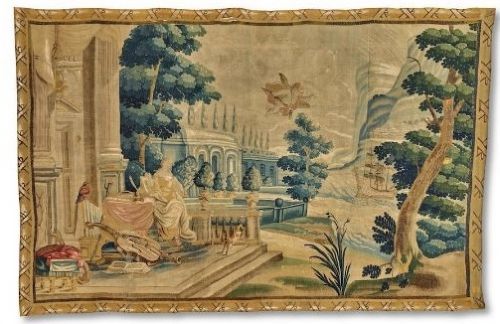
- A style of tapestry originating from the French town of the same name, known for pictorial and floral compositions. These pieces often depict architectural gardens or mythological scenes.
- Rya
- A traditional Scandinavian knotted-pile rug or hanging characterised by long, thick wool fibres. They provide substantial warmth and distinct folk art patterns.
Green Wool Wall Hanging: Frequently Asked Questions
How do I hang a heavy textile?
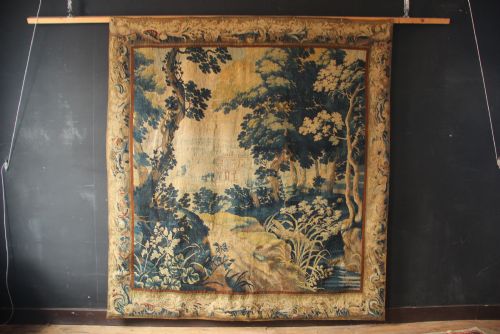
Heavy tapestries require even distribution of weight across a wooden batten or hidden metal rod rather than direct suspension by a single point. Stitching a supportive cotton tape along the top reverse edge secures the piece safely to the wall.
Allowing a small gap between the textile and the wall ensures adequate air circulation, which prevents moisture accumulation behind the fibres.
Where were these tapestries traditionally displayed?
Historic households utilised large tapestries primarily within principal reception rooms, grand halls, and bedchambers to insulate stone walls against cold draughts. Their thick wool construction provided both thermal comfort and visual splendour.
Smaller panels and embroidered textiles often adorned private sitting rooms or served as decorative window and bed furnishings.
Can I tell the age from the borders?
Border designs often provide clear chronological indicators, as seventeenth-century Flemish verdure panels frequently feature elaborate floral and architectural cartouches. Later nineteenth-century interpretations often simplify these decorative surrounds or omit them entirely in favour of framed presentations.
Comparing the style of the border foliage with documented workshop archives helps confirm the likely period of production.