



Green Vintage Furniture
Green vintage furniture brings distinctive colour to a room through painted surfaces, leather inserts, and rich interior accents found across nineteenth and early twentieth century pieces.
Green Vintage Furniture
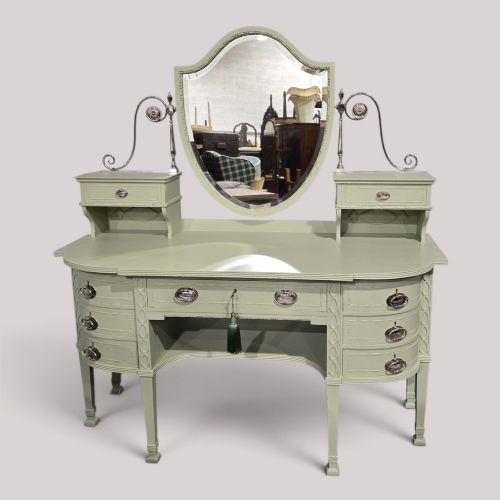
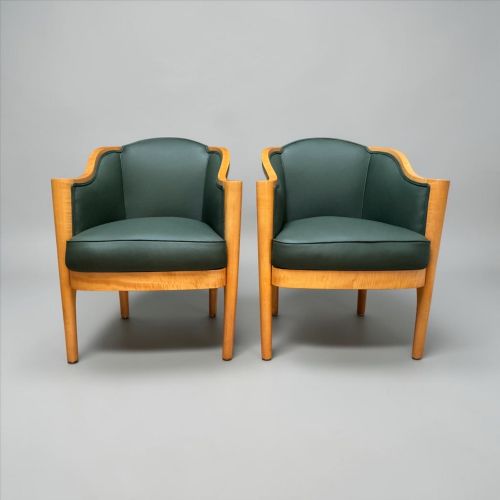
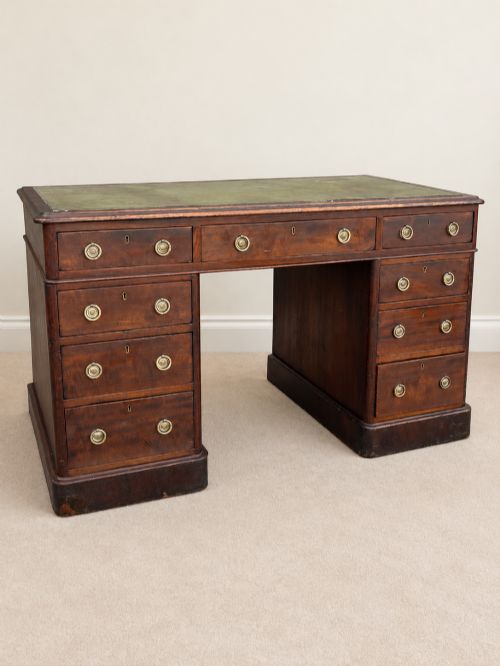
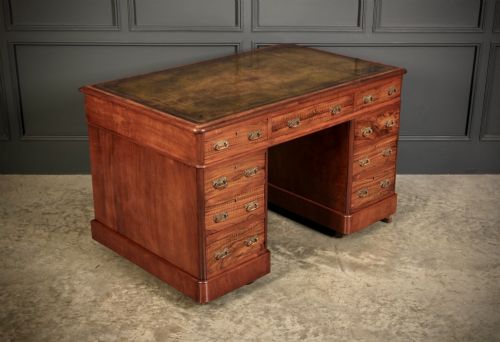
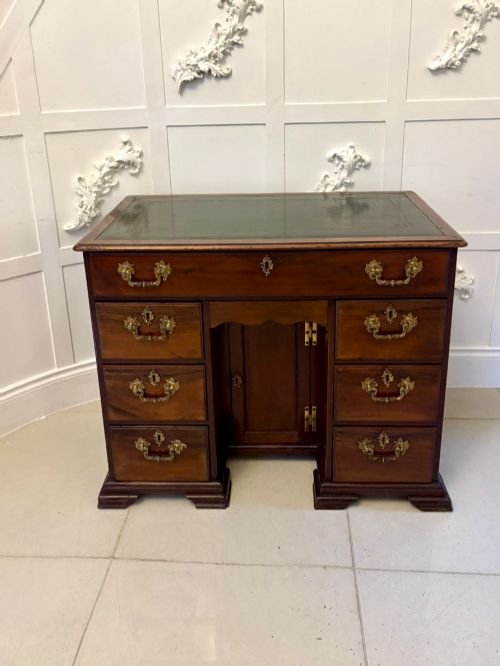
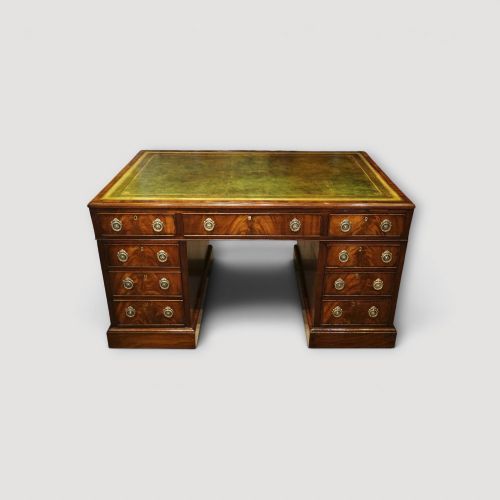
Green vintage furniture encompasses items where green paint, leather, or interior surfaces define the visual character of the piece. Buyers searching for green vintage furniture will encounter pieces ranging from nineteenth century country pine chests and milking stools to Edwardian desks with fitted green writing surfaces and Art Deco seating.
The selection on this page draws heavily from Victorian and Edwardian periods alongside earlier styles such as Regency and George III. Forms include pedestal desks, bedside tables, garden benches, and painted commodes originating from English, Swedish, Austrian, and Italian workshops.
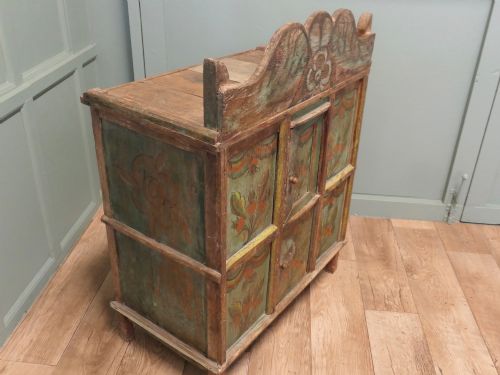
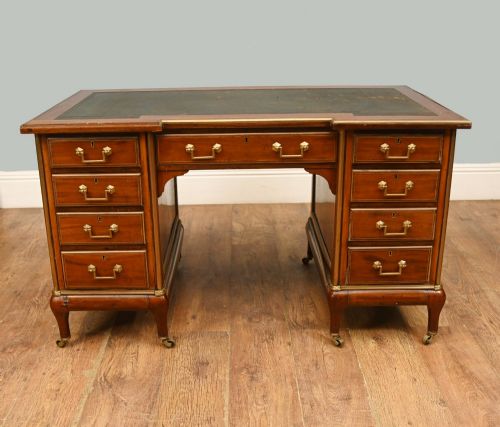
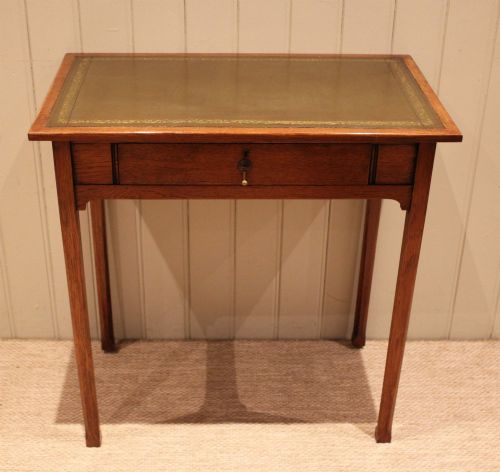
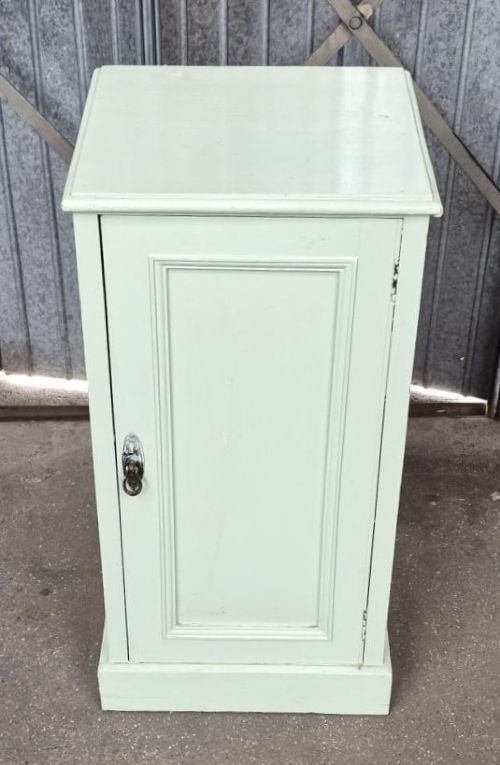
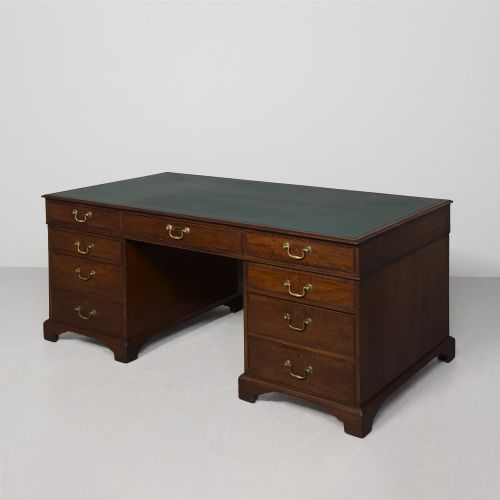
Painted finishes appear frequently on pine and occasional tables, often preserving original pigments from the nineteenth and early twentieth centuries. Meanwhile, formal items like partners desks and writing tables incorporate green leather surfaces set into mahogany or walnut frames.
Materials and construction
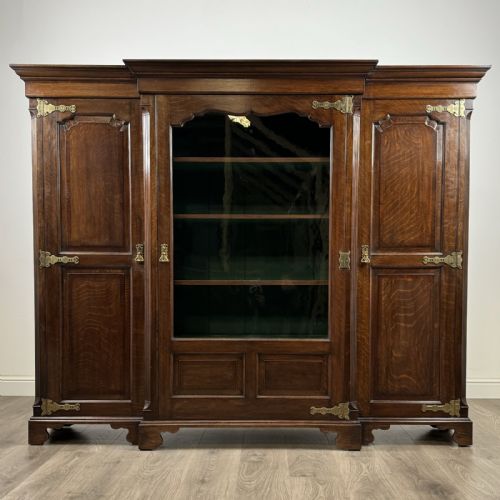
Makers utilised solid timbers such as mahogany, oak, walnut, and pine, often combining structural hardwoods with secondary softwoods. Painted pieces rely on layered mineral or oil-based pigments applied to pine and iron, while campaign items incorporate brass hardware for durability.
Green Vintage Furniture Retail Price Guide 2026
Typical asking prices for green vintage furniture among the pieces listed under this phrase on Sellingantiques today, from the lower quarter to the upper quarter. They describe what is for sale here now, not the wider market.
A solitary milking stool from Eastern Europe stands ready to bring centuries of rustic green charm directly to the fireside.
Assessing quality
Quality rests upon the integrity of the original surface, whether that involves untouched painted pine or patinated leather inserts on a pedestal desk. Pieces retaining their early or original pigment command greater interest than later repainted examples.
Construction standards differ between bespoke workshop items, such as George III partners desks, and utilitarian farmhouse benches or milking stools. Superior pieces display refined joinery details, substantial timber selection, and balanced proportions suited to their specific period style.
Maurice Adams·Oliver Percy Bernard·PEL
The Green Vintage Furniture Glossary
- Partners desk
- A large double-sided desk designed for two people to work opposite one another, frequently fitted with leather writing surfaces.
- Pedestal desk
- A heavy freestanding desk supported by two banks of drawers rather than simple legs.
- Campaign furniture
- Portable folding furniture made for travel, typically featuring recessed brass handles and robust hardwood frames.
- Toleware
- Painted or lacquered metalware objects, occasionally seen in nineteenth century beds and household items.
- Serpentine commode
- A chest of drawers featuring an undulating front profile, popular in eighteenth and nineteenth century European cabinetmaking.
Green Vintage Furniture: Frequently Asked Questions
How do I care for antique painted furniture?
Keep painted wooden pieces away from direct sunlight and excessive moisture to protect the historic pigment from fading or lifting.
Dust gently with a dry microfibre cloth and avoid harsh chemical cleaners that might strip the original surface layer.
What is a partners desk?
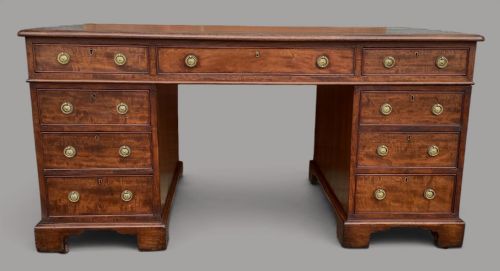
A partners desk is a substantial double-sided desk built with drawers and cupboards on both faces, allowing two people to work simultaneously.
These pieces were traditionally utilised in libraries and offices, often featuring leather writing inserts set into mahogany or oak.
How can I date an Edwardian desk?
Edwardian desks, produced between nineteen hundred and nineteen ten, often display lighter mahogany timbers and simpler inlay work compared to heavy Victorian designs.
Look for original hardware, structural proportions, and fitted leather writing surfaces typical of the period.
Where were painted pine chests made?
Painted pine chests and commodes originate from various European regions, including English, Swedish, and Italian workshops during the nineteenth century.
Folk art and country pieces often retain their original green paint layers, reflecting regional domestic traditions.