

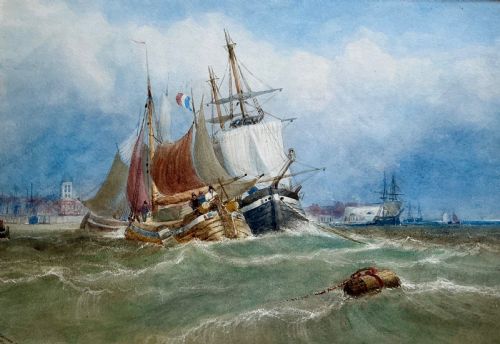


Green Victorian Watercolour Painting
When you search for a green victorian watercolour painting, you look for original landscape, garden, and botanical works on paper framed in wood and glass.
Green Victorian Watercolour Painting
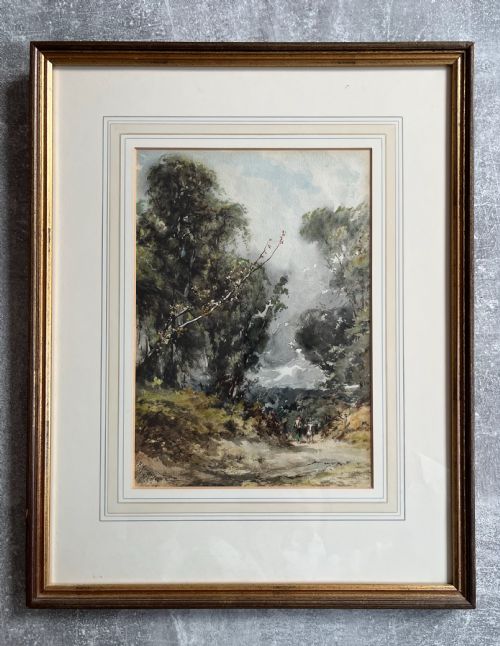
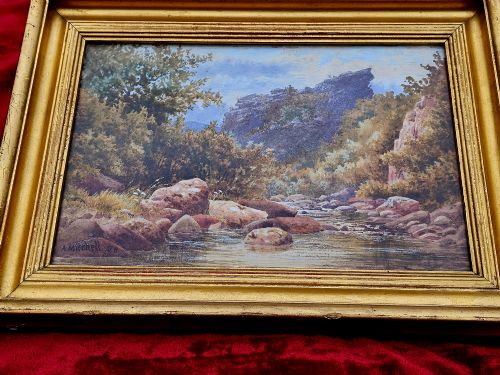
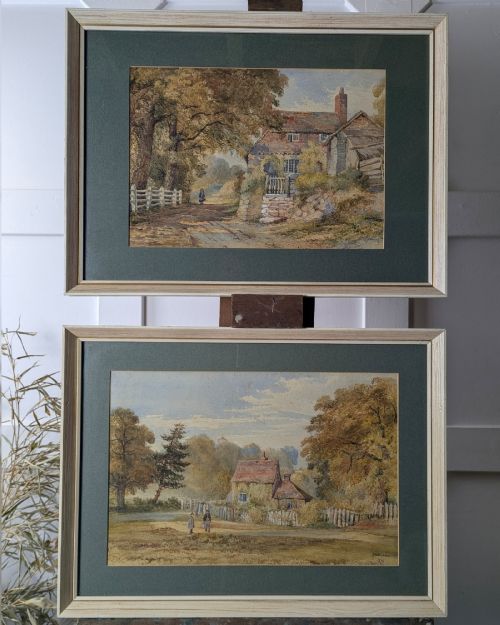
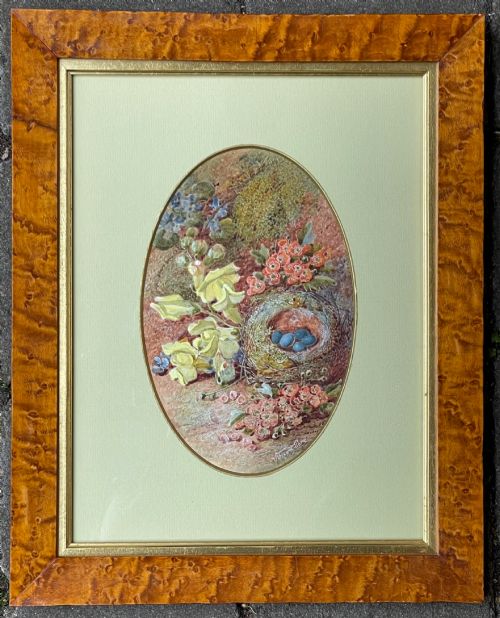
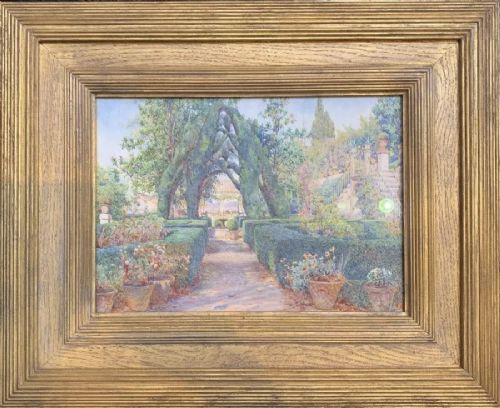
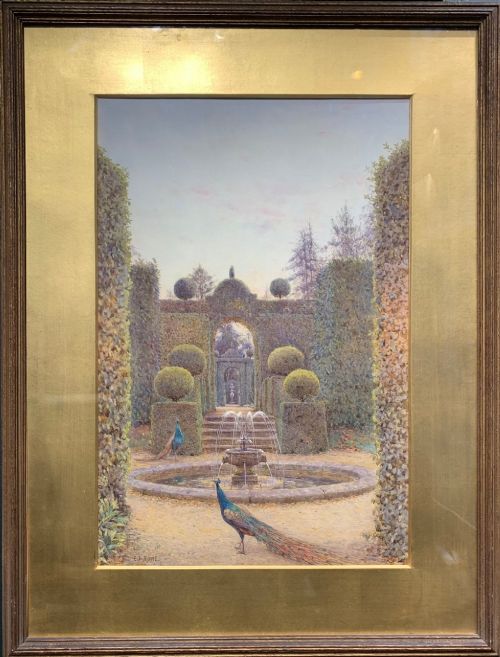
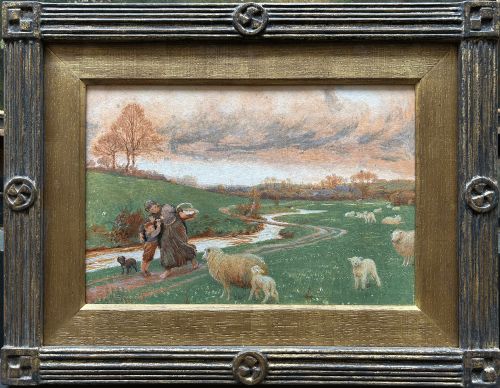
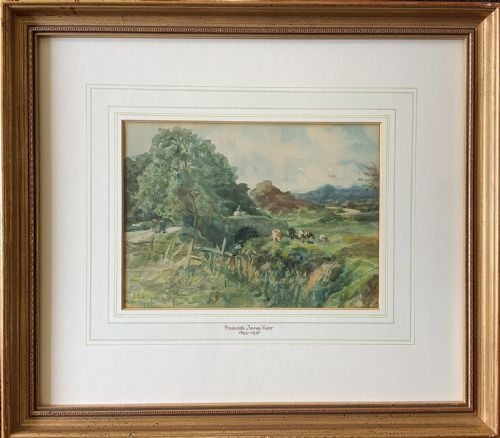
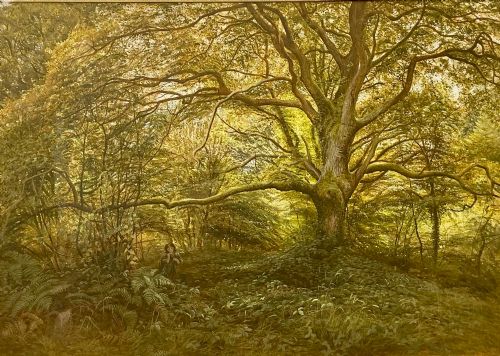
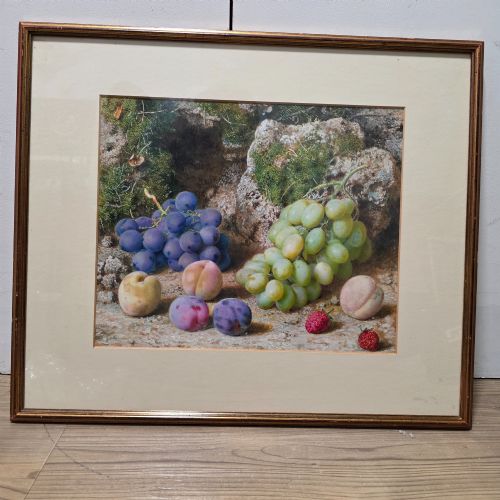
A green victorian watercolour painting captures the nineteenth-century British countryside, rural river views, and quiet garden scenes executed on paper. These works frequently depict pastoral landscapes, woodland paths, and botanical still lifes dominated by natural earth tones and lush foliage.
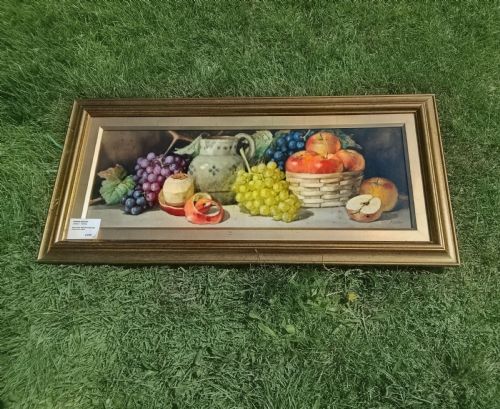
You will encounter pieces originating from the nineteenth century alongside related Edwardian examples, framed behind glass in gilt wood or wooden surrounds. The subjects range from pastoral valleys and river banks to detailed floral studies and garden views.
Materials and Technique
Artists painted primarily with watercolour pigment on paper, applying washes of colour to build up atmospheric depth in landscapes and botanical studies. Many works incorporate highlights of bodycolour or fine ink detailing beneath the translucent pigment.
The completed sheets are set behind protective glass and housed within wooden frames, occasionally accented with gold leaf or gilding to complement the subject matter.
Several artists spent their days painting meticulous studies of garden roses and blooming rudbeckia flowers.
Distinctions in Execution
The strength of a composition lies in the artist's handling of light, atmospheric perspective, and the preservation of pigment vibrancy over time. Finer examples display confident brushwork and subtle tonal control in rendering foliage, water, and sky.
Framing and provenance also distinguish the works, with original period gilt wood surrounds and documented exhibition history elevating the presentation of the painting.
George Fotherly Hargitt·Alfred Young Nutt·Vincent Clare·Ernest Arthur Rowe·Henry Barlow Carter·James Orrock
The Green Victorian Watercolour Painting Glossary
- Watercolour pigment
- Finely ground colour particles mixed with a water-soluble binder for application on paper.
- Gilt wood
- Timber framing coated with a thin layer of gold leaf or metallic paint.
- Victorian Naturalism
- A nineteenth-century artistic movement focusing on detailed, realistic observation of the natural world.
- Pastoral landscape
- An artwork portraying a rural scene with fields, rivers, farm animals, or country cottages.
Green Victorian Watercolour Painting: Frequently Asked Questions
What subjects feature in these watercolours?
The compositions commonly show British country lanes, river valleys, rural cottages, and garden flowers.
Artists also recorded agricultural scenes with cattle and sheep alongside woodland pathways.
How should these paintings be displayed?
Keep them away from direct sunlight to prevent the watercolour pigments from fading over time.
Maintain stable indoor humidity levels to protect both the historic paper and the wooden frame.
Are these watercolours signed?
Many examples bear the artist's signature, sometimes accompanied by a specific completion date.
Unsigned works are frequently attributed through stylistic comparison and historical records.
What framing is typically used?
Original pieces are usually set behind protective glass within wooden frames.
Many feature traditional gilt wood finishes that reflect the Victorian preference for ornate presentation.