


Green Velvet Seating
Green velvet seating brings deep colour and rich texture into a room, offering everything from button-backed Victorian armchairs to sleek Regency side chairs.
Green Velvet Seating
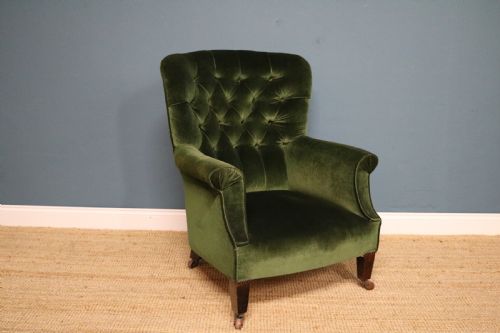
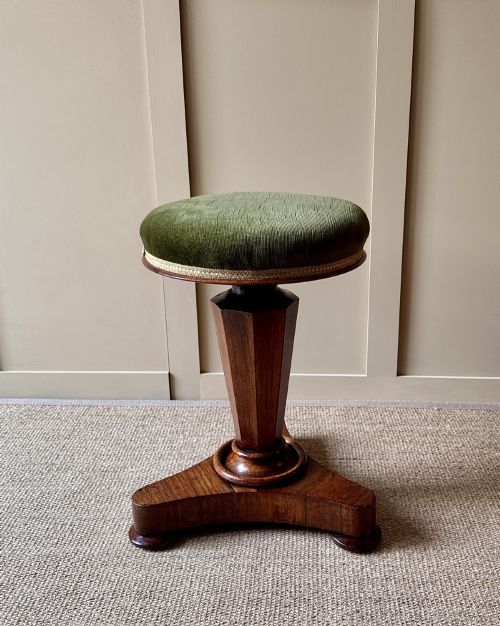
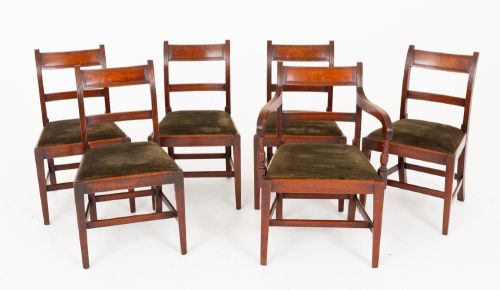
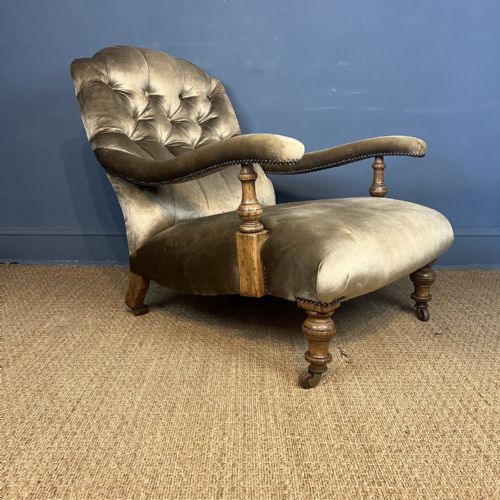
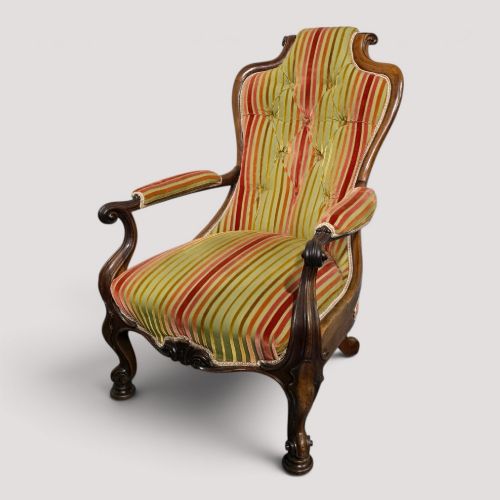
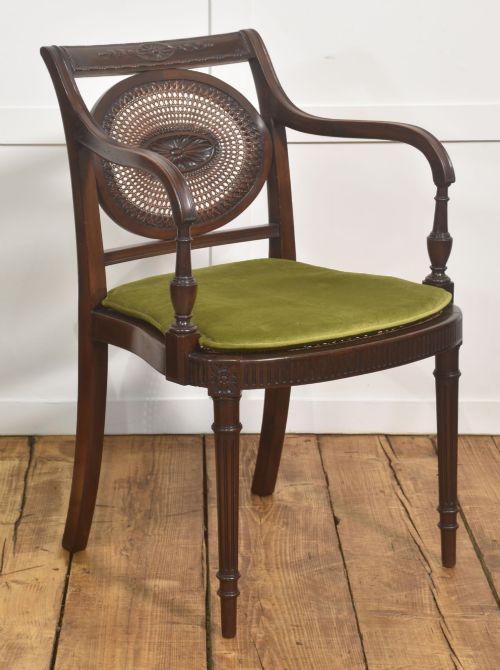
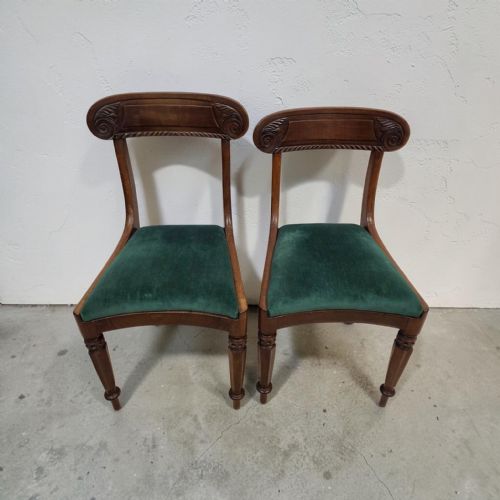
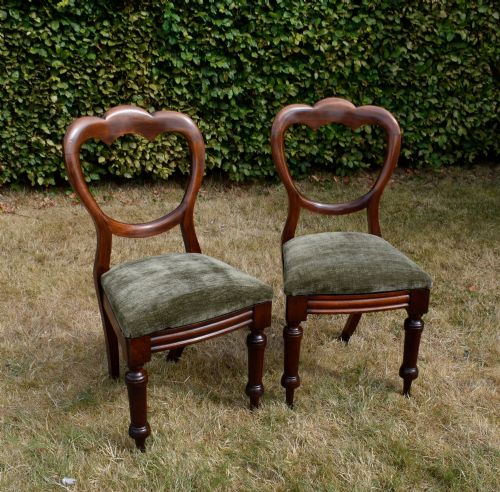
Green velvet seating covers a broad spectrum of antique forms, ranging from single bedroom chairs and piano stools to large sets of dining chairs and deep sofas. You will encounter Victorian high-backed armchairs and button-backed seats alongside Edwardian wing chairs and Regency side chairs.
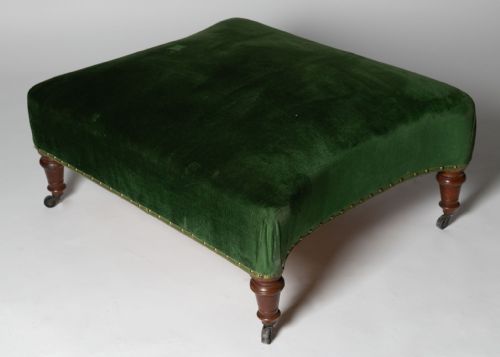
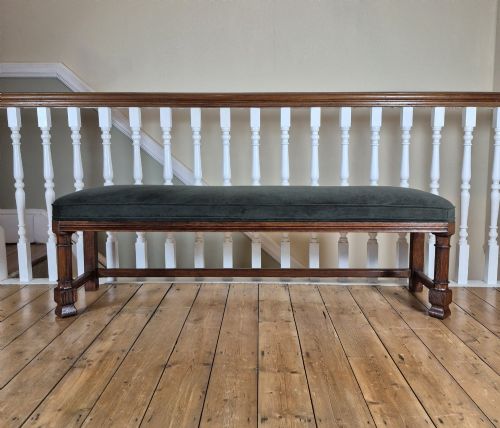
The assortment relies heavily on traditional seating types shaped by historical periods like the Georgian era, the William IV period, and the Edwardian epoch. Stools, benches, and conversation seats appear frequently alongside formal armchairs and dining sets.
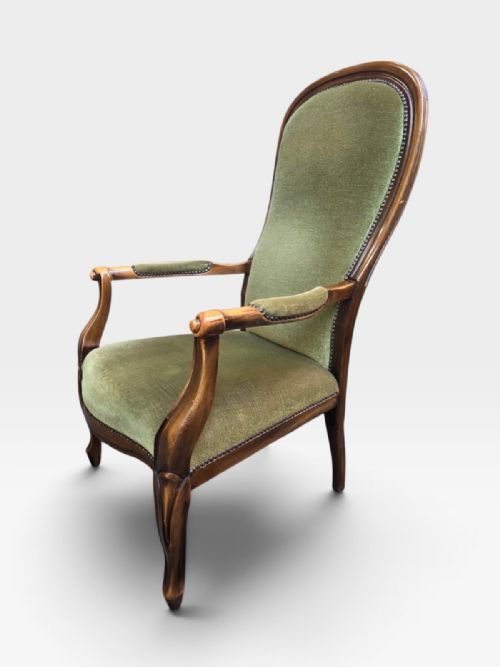
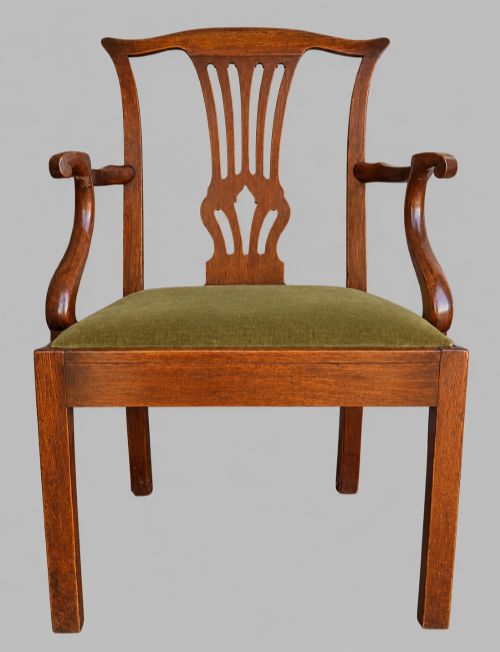
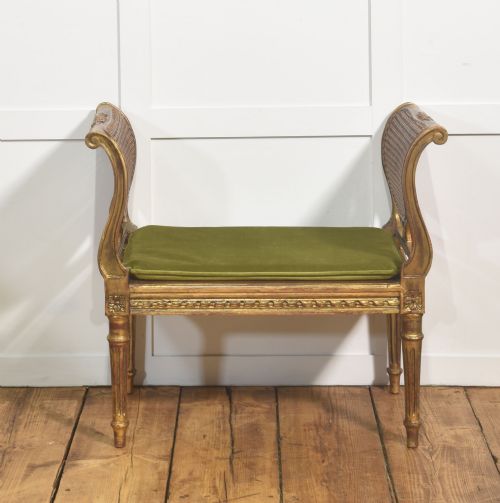
Many examples showcase revival aesthetics, including Chippendale, Queen Anne, and Gothic Revival interpretations executed in rich timbers. Others reflect French influence through Louis XVI style frames and carved mahogany armchairs.
Materials and construction
Makers built the foundational frames of these pieces using dense hardwoods such as mahogany, walnut, oak, rosewood, and occasionally giltwood. Brass hardware and accents feature on specific items like club fenders and adjustable mechanisms.
The upholstery itself utilises textile velvet stretched over supportive interior padding and springs. Wooden frames display carved details, turned legs, and inlaid motifs depending on the stylistic period.
Green Velvet Seating Retail Price Guide 2026
Typical asking prices for green velvet seating among the pieces listed under this phrase on Sellingantiques today, from the lower quarter to the upper quarter. They describe what is for sale here now, not the wider market.
Materials documented in the inventory include mahogany, rosewood, walnut, oak, brass, and textile velvet.
Assessing the pieces
The calibre of a piece rests in the integrity of its timber frame and the precision of its joinery. Solid mahogany or rosewood structures exhibit superior durability compared to simpler secondary woods.
Execution of decorative elements, such as hand-carved mahogany details or subtle wood inlay, separates standard production from finer craftsmanship. The proportion and balance of the frame dictate visual success.
The Green Velvet Seating Glossary
- Bergere
- An enclosed upholstered armchair with wooden framing exposed around the sides and back. It frequently incorporates cane panels or tight textile work.
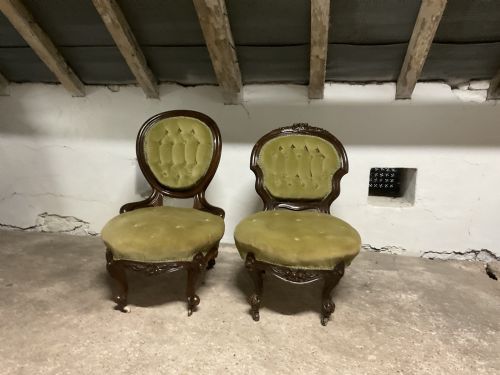
- Button back
- An upholstery method where depressions are created by pulling strings or buttons deep into the padding in a diamond pattern. This technique secures the stuffing and provides structured support.
- Club fender
- A low, U-shaped hearth seat featuring padded top rails supported by brass or metal columns. It provides integrated fireside seating.
- Open armchair
- A chair design featuring un-upholstered wooden armrests that expose the structural grain and carving of the frame. These pieces emphasise the underlying timber.
- Wing chair
- An armchair featuring side panels attached to the backrest designed to shield the occupant from drafts. It rests on various leg styles according to the period.
Green Velvet Seating: Frequently Asked Questions
How do I identify a Victorian armchair?
Victorian armchairs typically display robust walnut or mahogany frames with deep button-backed upholstery and turned or carved legs. They often emphasise comfort through heavily padded seats and high backrests.
Look for stylistic clues such as rounded contours, sprung construction, and heavier proportions compared to lighter eighteenth-century designs.
Where were dining chairs used?
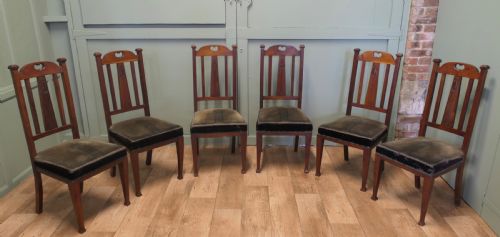
Dining chairs served around formal dining tables in stately homes and townhouses during meals. Sets were often produced in quantities of six or eight to accommodate family and guests.
In daily life, individual side chairs from these sets were also pulled into parlours or studies for extra seating when entertaining.
How do I care for antique velvet?
Antique velvet requires gentle handling to preserve the pile and rich colour of the textile. Regular light brushing helps maintain the direction and sheen of the fibres.
Keep pieces away from direct sunlight to prevent fading and avoid using harsh liquid cleaners that can damage delicate historical textiles.
What is a conversation seat?
A conversation seat is a double-ended or multi-directional upholstered piece designed for two or more people to sit facing different ways while talking. They feature central shared backrests and padded frames.
These elaborate seats typically date from the mid-nineteenth century and suited large Victorian drawing rooms.