



Green Velvet Lounge Chair
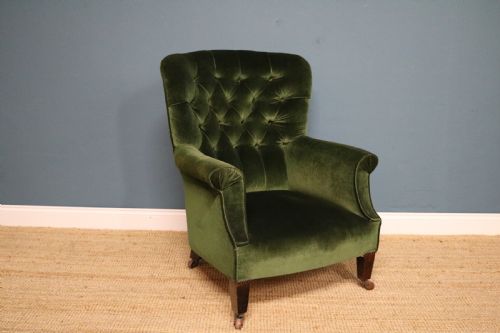
A green velvet lounge chair brings rich textile warmth and substantial comfort into a room, drawing the eye instantly.
Green Velvet Lounge Chair
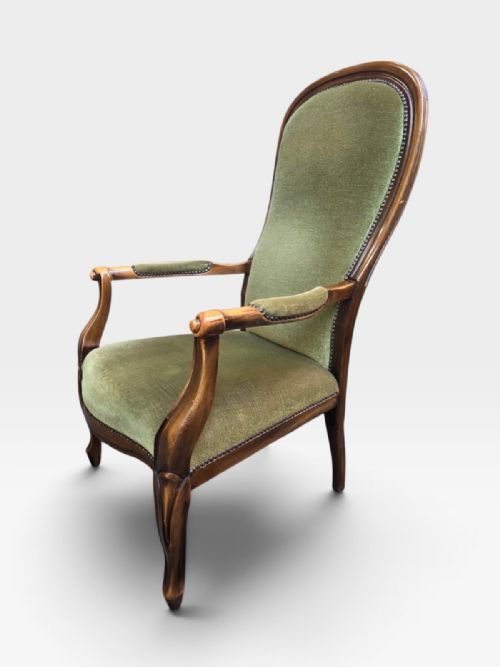
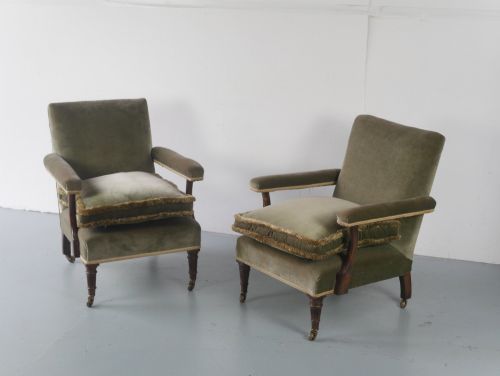
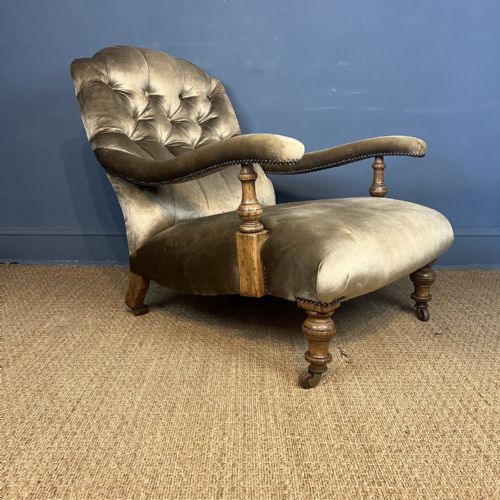
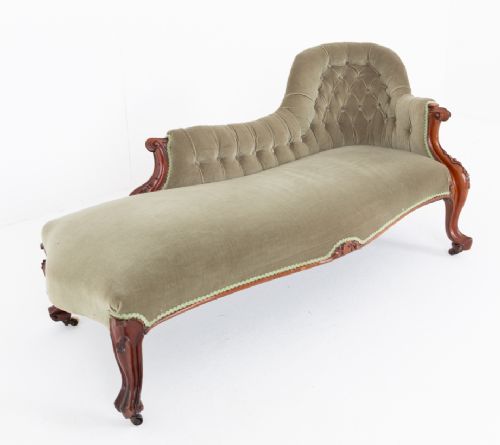
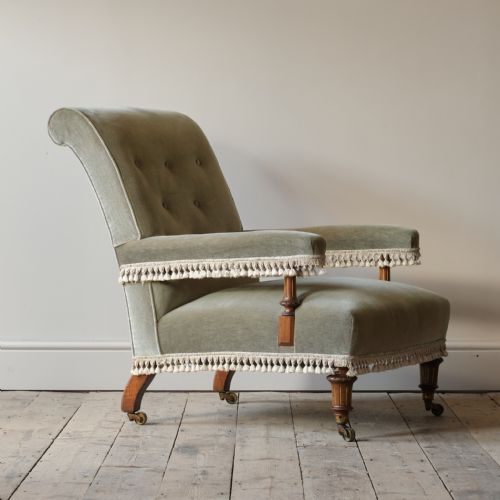
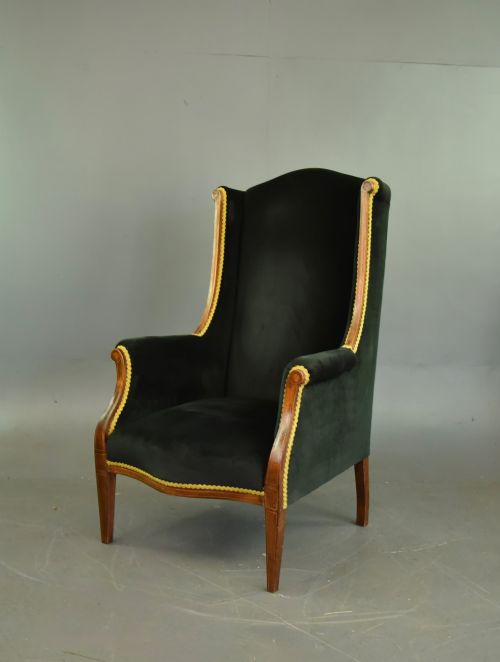
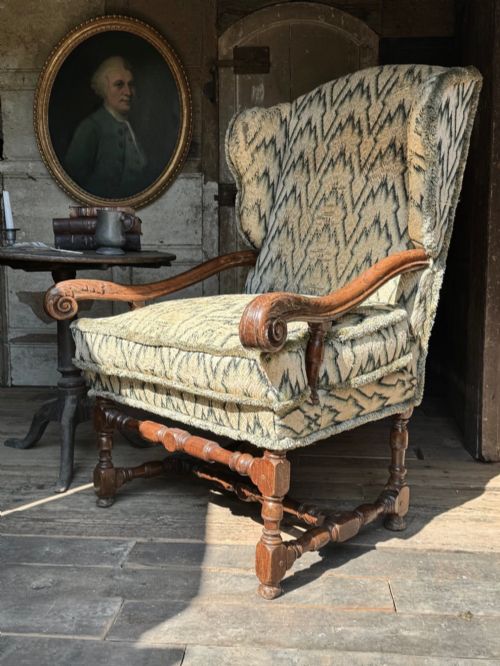
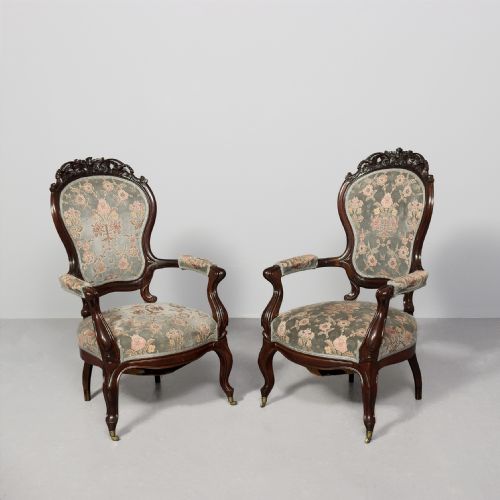
A green velvet lounge chair encompasses various seating forms designed for relaxation, including armchairs, wingbacks, slipper chairs, and chaise longues. When searching for a green velvet lounge chair, buyers encounter pieces spanning from the eighteenth century through the Victorian and Edwardian eras, reflecting diverse regional styles.
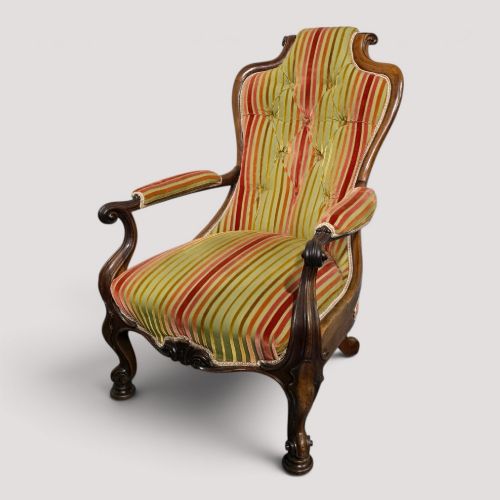
The selections on this page demonstrate that these seats emerge in multiple timber frames, predominantly mahogany, rosewood, walnut, and oak. Makers applied deep green upholstery to open armchairs, library chairs, and reclining daybeds, creating practical seating with distinct historic character.
Quality variations in historic seating
The distinction between standard examples and finer pieces lies in the precision of the timber carving and the integrity of the frame construction. Heavier woods and sophisticated stylistic interpretations, such as Regency lines or Gillows craftsmanship, elevate a piece above simpler vernacular items.
Condition of the wooden frame and the execution of the upholstery work define the overall standard of survival. Pieces retaining their original timber patination and structured support exhibit greater integrity than heavily altered examples.
Green Velvet Lounge Chair Retail Price Guide 2026
Typical asking prices for green velvet lounge chair among the pieces listed under this phrase on Sellingantiques today, from the lower quarter to the upper quarter. They describe what is for sale here now, not the wider market.
Available seating styles span the eighteenth century, Regency period, Victorian era, Edwardian period, and later revivals.
C. Hindley & Sons·Gillows·William Birch
The Green Velvet Lounge Chair Glossary
- Bergere
- An enclosed upholstered armchair with a wooden frame where the sides are typically upholstered or canepacked. These chairs often feature exposed polished wood frames.
- Chaise Longue
- An upholstered long chair for reclining, shaped like an armchair with an elongated seat. This form combines the utility of a chair and a daybed.
- Cabriole Leg
- A furniture leg that bends outward and then tapers downward, resembling the leg of an animal. This decorative feature appears frequently on Victorian seating frames.
- Wingback Armchair
- An armchair with high sides and wings attached to the back, designed to shield the occupant from drafts. Early examples date to the eighteenth century.
Green Velvet Lounge Chair: Frequently Asked Questions
How do I clean historic velvet?
Vacuum gently using a soft brush attachment to remove surface dust without crushing the pile. Avoid applying water or chemical cleaners directly to antique textiles.
Consult a professional restorer specialising in historic fabrics for deeper cleaning or stain removal. Protecting the velvet from direct sunlight prevents the green dye from fading over time.
Are these chairs comfortable for daily use?
Most historic lounge chairs offer deep seating and supportive backs designed for relaxation. Nineteenth-century examples often incorporate sprung or padded interiors that accommodate regular sitting.
Firmness varies depending on the original interior stuffing and whether the piece has undergone reupholstery. Buyers seeking everyday comfort should examine the seat depth and back angle.
How can I date a wooden armchair?
Examine the timber species, construction joints, and decorative style to determine the period of origin. Regency pieces display classical restraint, while Victorian items often feature heavier carved rosewood or walnut frames.
Maker stamps or labels provide definitive chronological markers when present on the timber frame. Comparing the leg shape and arm design against documented historical styles confirms the era.
Do these chairs require special room placement?
Green velvet seating functions well as a focal point in a living room, library, or bedroom. Positioning the chair away from direct heat sources and strong daylight protects the timber and fabric.
Allow sufficient space around larger items like chaise longues and wingbacks to appreciate their silhouettes. Pairing them with complementary wooden tables enhances their historical aesthetic.