
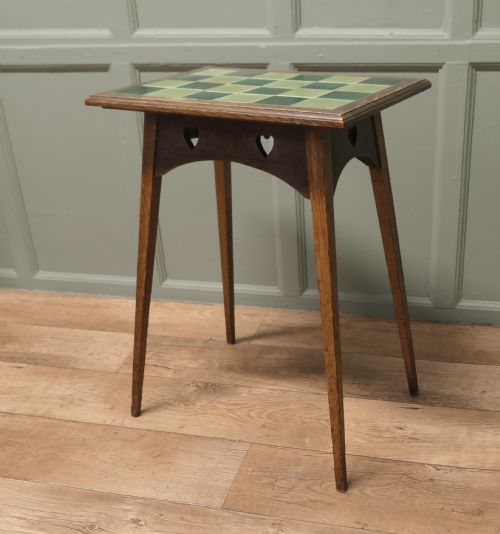
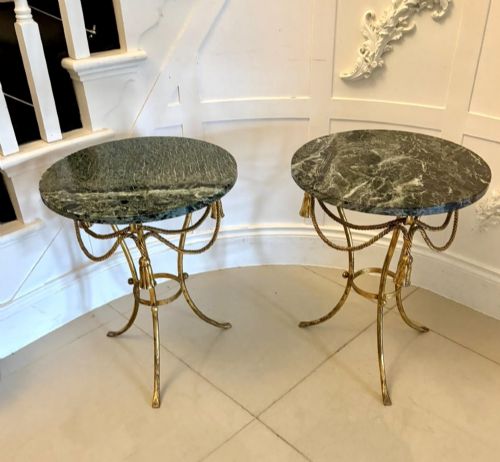
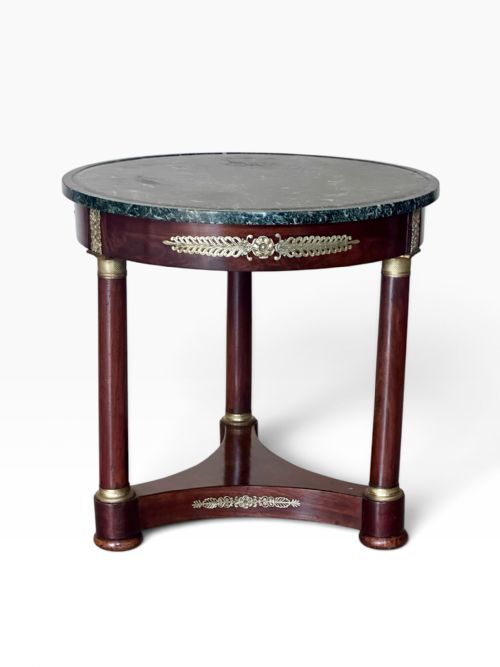
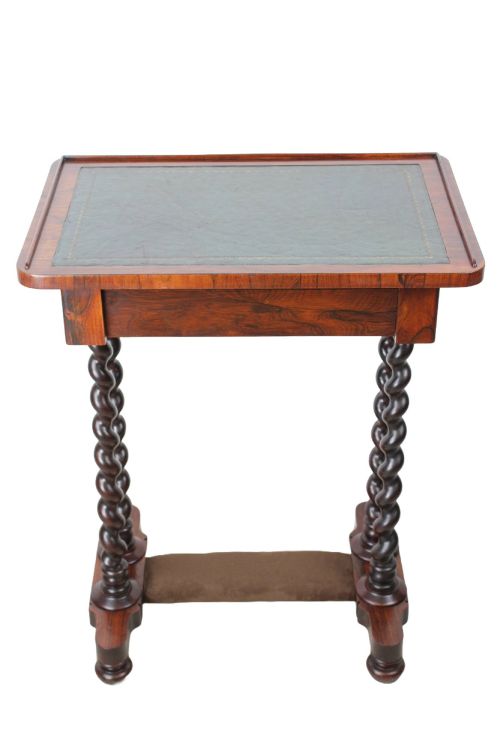
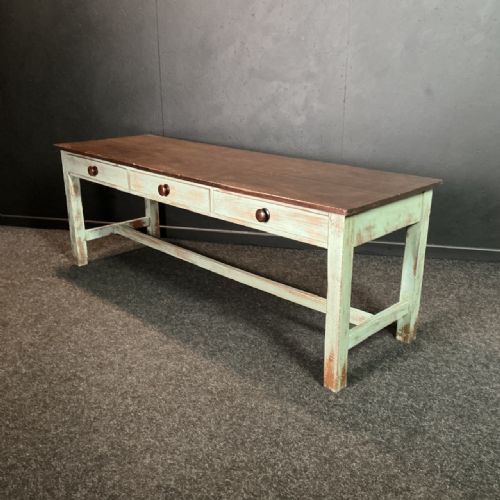
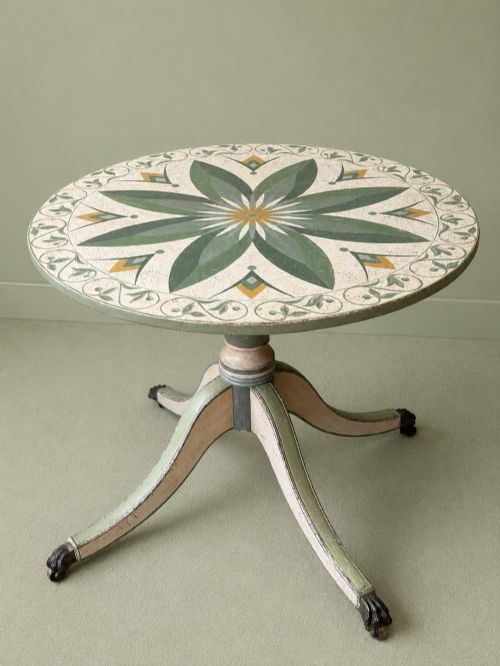
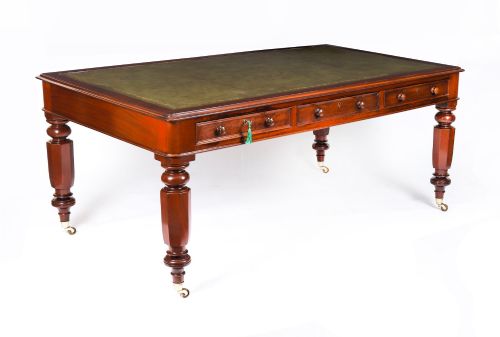
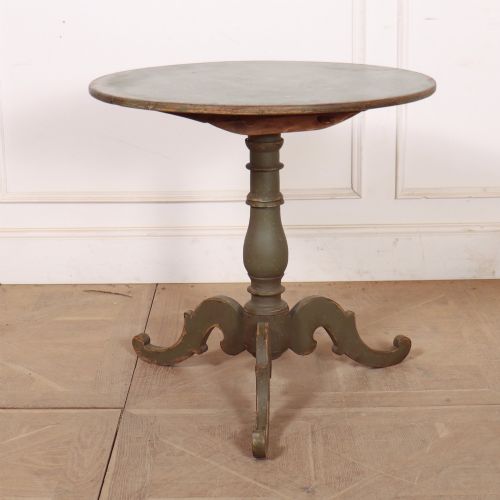
Green Top Side Table
A green top side table brings colour and character to a room, offering a functional surface rooted in periods from the nineteenth century onward.
Green Top Side Table
A green top side table is an adaptable item found across various forms such as lamp tables, console tables, and occasional tables. These pieces span the nineteenth century, Victorian, Edwardian, and later periods, reflecting diverse stylistic influences.
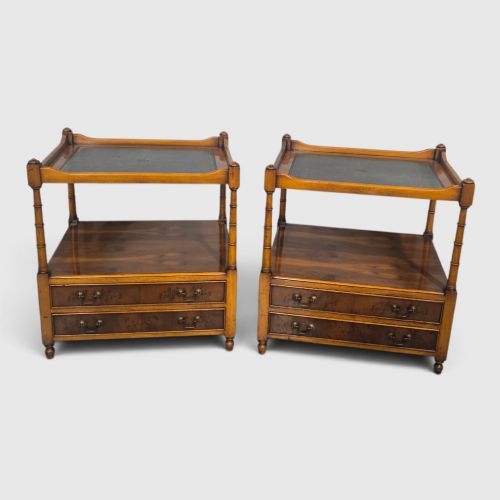
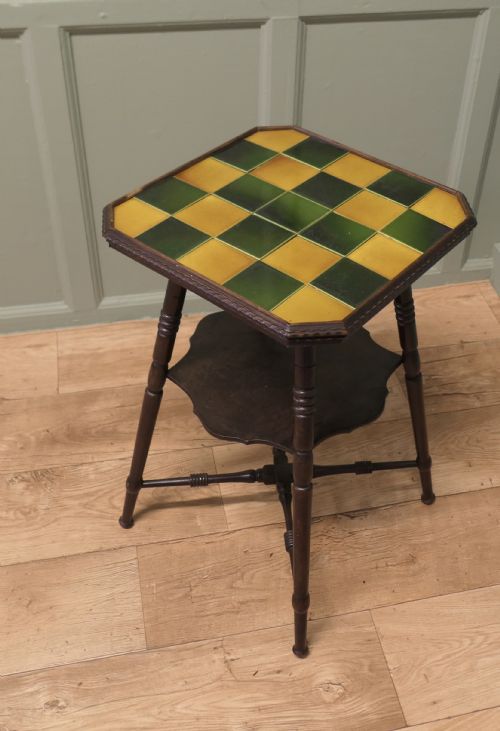
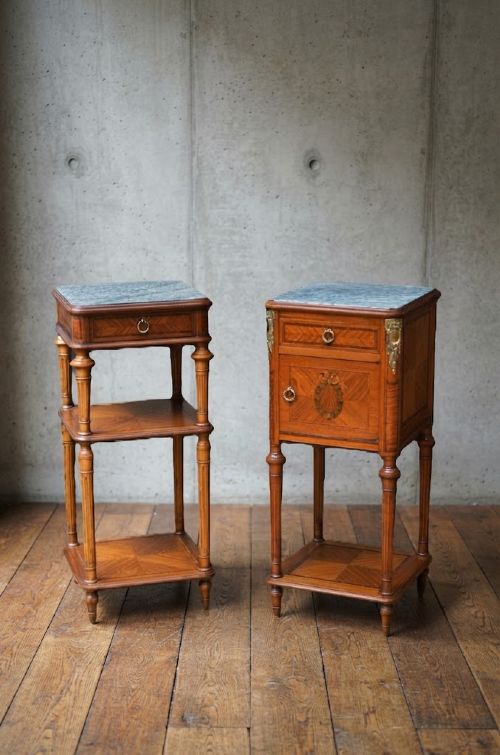
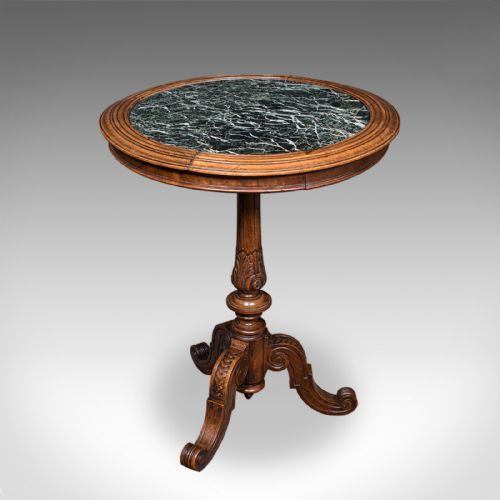
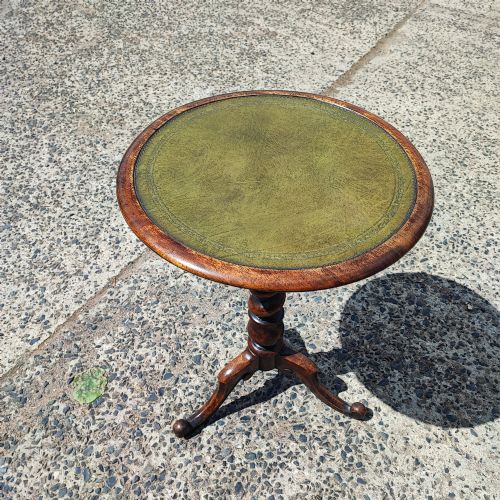
Buyers encounter surfaces finished in paint, leather, or polished stone, paired with timbers like mahogany, oak, pine, and satinwood. The green top often provides a distinct focal point on otherwise traditional wood frames.
How they were made
Cabinet makers utilised dense hardwoods like mahogany, walnut, and rosewood alongside softer pine and oak for structural frames. Joinery methods varied by period, from straightforward nineteenth century framing to more intricate inlaid work.
Surfaces received specialised treatments, including hand-applied paint, fitted leather inserts for writing surfaces, or heavy polished marble slabs. Metal mounts in brass and gilt added structural accents and decorative detail.
Some nineteenth century tables were constructed specifically to hold decanters and wine glasses near the fireside.
What varies in quality
Quality rests in the selection of timber and the execution of surface finishes, such as the depth of polish on a marble slab or the precision of inlay work. Finer examples show careful attention to structural stability and proportion.
The integration of the green top relative to the base determines the overall visual balance. Pieces retaining original decorative mounts or authentic painted finishes demonstrate superior craftsmanship.
Shapland & Petter
The Green Top Side Table Glossary
- Gueridon
- A small French table, often circular, designed to hold a light or decorative object. These frequently feature ornate bronze or brass mounts.
- Console table
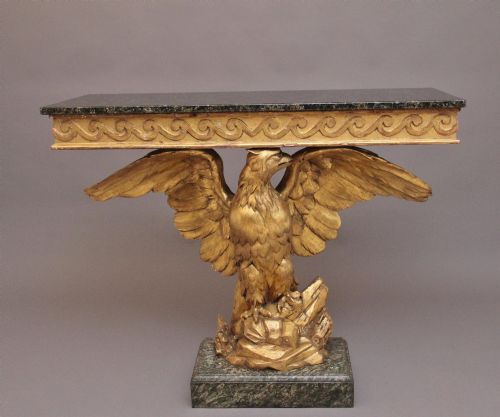
- A table designed to stand against a wall, sometimes supported by wall brackets or console legs. They often feature marble tops.
- Tilt top table
- A table with a hinged top that can be tilted vertically when not in use. This mechanism allowed for compact storage in period interiors.
- Partners desk
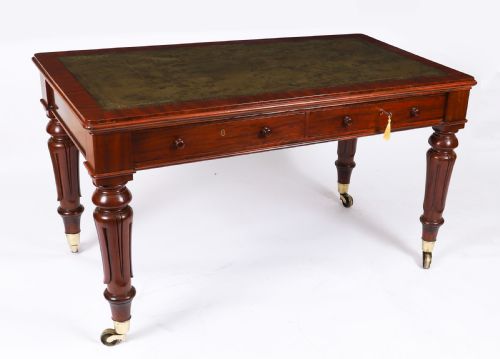
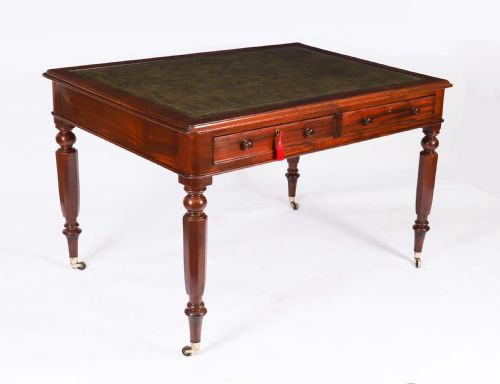
- A large double-sided desk designed for two people to work opposite one another. They often incorporate extensive drawers and leather writing surfaces.
Green Top Side Table: Frequently Asked Questions
Where do I put a green top side table?
These tables sit comfortably beside seating in a living room or function as a bedside surface. Their distinct top adds a splash of colour to hallways and studies.
Ensure the scale matches adjacent furniture so the piece remains functional rather than obstructive.
How do I clean a marble top?
Use a damp cloth with mild, pH-neutral soap to wipe the surface gently. Avoid acidic cleaners that can etch polished stone.
Dry the marble thoroughly with a soft cloth to maintain its sheen and prevent water spots.
Are leather inserts original?
Many writing and side tables feature leather surfaces that have been replaced during conservation work over the decades. Inspect the tooling and edges to gauge the age and quality of the hide.
Period-appropriate leather replacement is standard practice for pieces used actively as writing surfaces.
How do I date a side table?
Examine the timber species, construction joints, and hardware style to determine the likely era of manufacture. Secondary woods used in drawer construction often provide a reliable clue.
Compare the silhouette and decorative motifs against documented examples from Victorian or Edwardian periods.